Your healthtech startup just nailed the product demo. The prospect loved your solution. They asked great questions. Everyone smiled and nodded. And then… silence.
Your prospect isn’t saying no, but they’re not saying yes either. They’ve gone dark. And while you wait, your pipeline stalls, your forecast becomes fiction, and your investors start asking uncomfortable questions.
If that’s typical for your startup, then you’re stuck in what sales leaders call the “dead zone.” It’s that frustrating gap between an enthusiastic demo and an actual decision.
This isn’t a follow-up problem; it’s a deal architecture problem. Let’s see why it happens, and how to fix it.
The dead zone doesn’t happen by accident. It’s built into how healthcare organizations buy technology. Understanding these forces helps you design a process that works with them, not against them.
Your champion can’t move forward alone, even if they love your product. Here’s who typically needs to sign off:
Clinical staff validate workflow impact and patient safety concerns
IT teams assess technical integration and infrastructure requirements
Compliance officers review HIPAA and regulatory implications
Finance departments demand ROI justification and budget alignment
C-suite executives evaluate strategic fit and organizational priorities
Decision-making authority is unclear or distributed across multiple departments, which means your single point of contact has less power than you think.
Procurement cycles that stretch for months
Source: CorporateVision
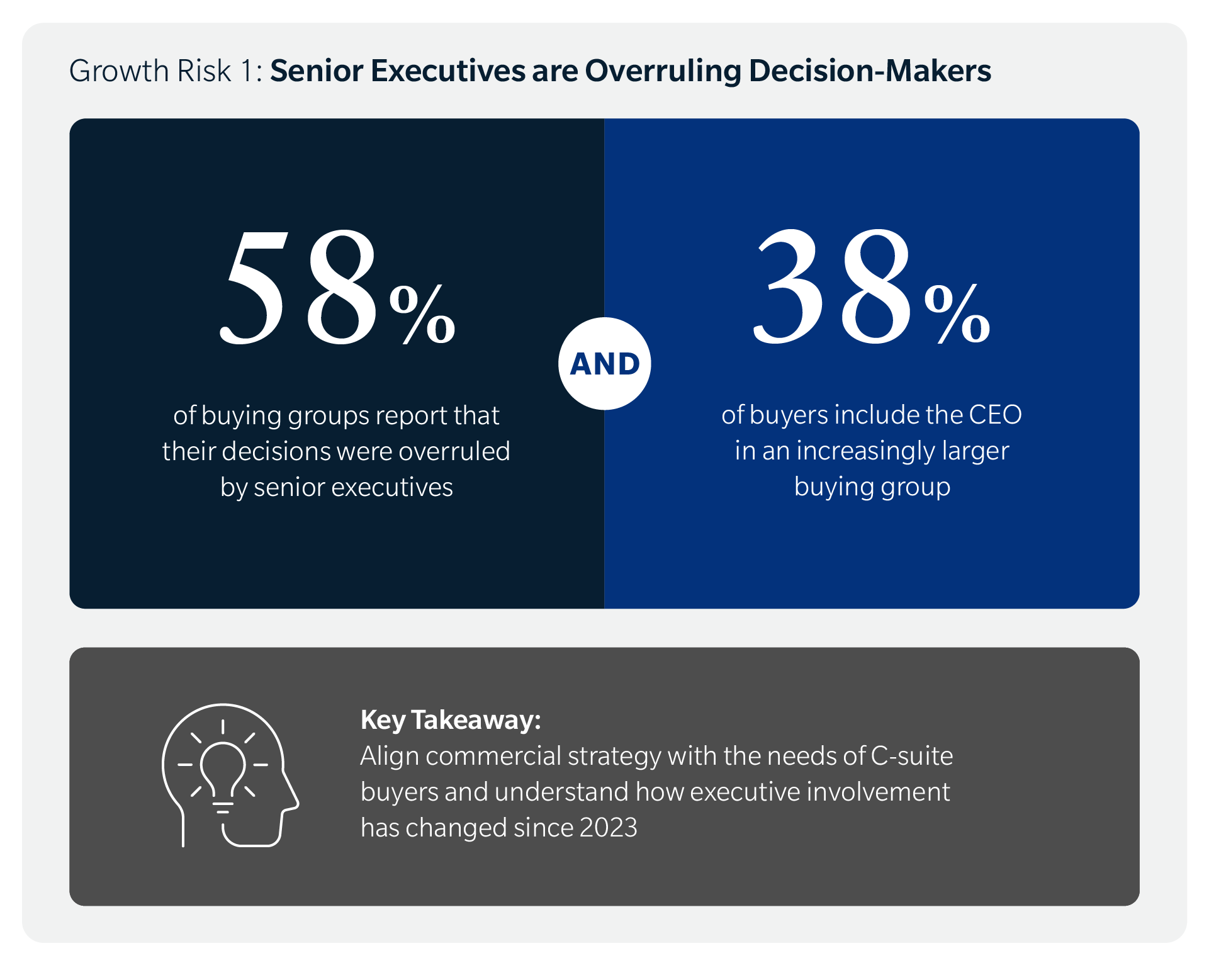
Healthcare organizations operate on budget cycles that don’t match your timeline. As it stands, large purchase approvals require alignment from at least 5 key stakeholders, and 86% of B2B purchases stall during the buying process. The typical B2B buying cycle spans 11.5 months.
The challenges you’ll face during this timeline:
The average healthtech sales cycle runs 9-18 months
Most delays occur post-demo rather than pre-demo
Budget freezes and reallocation priorities create unexpected stops
Capital requests often have to wait until the next quarterly meeting or annual board meeting
Even if you’re ready to close, your prospect won’t see their available budget until Q3.
Risk aversion in healthcare organizations
Healthcare buyers face career risk when new technology fails. HIPAA compliance, patient safety, and data security create legitimate concerns that go beyond typical B2B software fears.
Case studies from similar healthcare organizations
Reference calls with peers in comparable settings
Security audits and compliance documentation
Implementation plans that minimize disruption
The status quo feels safer than change, even when change would help.
Why Your Champion Goes Silent After the Demo
You didn’t lose the deal because of your product. You lost it because your champion hit an internal wall they couldn’t climb alone.
They lack internal buy-in from key stakeholders
Maybe your champion didn’t build a consensus before bringing you in. They saw your solution, got excited, and scheduled a demo without socializing the idea internally first. Other departments see the demo as “their project,” not a company priority.
This happens when:
Clinical staff, IT teams, or compliance officers weren’t in the room during your presentation
Your champion is now selling internally without your help or materials
They’re trying to recreate your demo in conference rooms and Slack channels
They’re failing because they don’t have your expertise or your sales enablement resources
It could be that your champion is fighting battles you don’t even know about.
They can’t build a business case
Rejected healthtech proposals fail due to “insufficient financial justification” rather than product concerns. So it’s also possible your ROI explanation doesn’t translate into their internal budget language.
Your champion needs specific numbers, like:
Cost savings expressed in their organization’s actual spend
Efficiency gains measured by hours saved or capacity increased
Revenue impact tied to reimbursement or patient volume
Risk reduction quantified in dollars, not just qualitative benefits
Your champion doesn’t know how to quantify the problem you solve in the terms their CFO cares about.
Most healthcare leaders consider ROI as the primary factor in their purchasing decisions. Finance teams shoot down proposals that lack concrete financial justification, and generic industry benchmarks won’t cut it.
They’re overwhelmed by next steps
If you didn’t create a mutual action plan after the demo, then your champion doesn’t know what to do next, or who needs to do it. Their path from demo to contract feels unclear and complicated.
The questions swirling in their head:
Do they need security documentation first?
Should they schedule an IT review?
Who builds the business case?
What approvals are required and in what order?
Then, other priorities compete for their attention, and your deal slides down the list.
Mistakes That Send Deals to the Dead Zone
Most healthtech sales teams create their own dead zone problems. See if any of these mistakes seem familiar.
Not mapping the decision process before the demo
Most salespeople demo before understanding the approval process. You don’t know who makes the final call or controls the budget. Critical stakeholders aren’t identified until after you’ve presented, which means you built your pitch for the wrong audience.
Treating demos as closing events instead of middle steps
This is when the demo becomes your peak moment instead of a milestone. You celebrate interest without securing commitment to next actions.
Your prospect leaves with information but no obligations. There’s no scheduled follow-up, no agreed-upon timeline, no documented next steps.
Four things you’re missing are:
Commitment to specific next actions with dates
Agreement on who needs to be involved going forward
Documentation of the decision process and timeline
Accountability for both your tasks and theirs
You haven’t earned the right to ask for specific commitments yet, so you don’t. Then you wonder why they ghosted you.
Failing to create urgency around the problem
When your demo focuses on features instead of the cost of inaction, prospects feel no sense of urgency.
Prospects don’t feel pressure to change their current situation because you haven’t quantified what staying with the status quo costs them in dollars, patient outcomes, staff burnout, or a competitive disadvantage.
There’s no compelling event driving a decision timeline. When everything is important, nothing is urgent.
How to Keep Deals Moving Through the Decision Phase
You can’t eliminate the dead zone entirely, but you can shrink it. Here’s your playbook.
Build a mutual action plan before you demo
Document every step from demo to signature with specific dates. Then get your prospect to commit to milestones in writing, even if it’s just a shared Google Doc.
Your mutual action plan should include:
Specific dates for each milestone, not vague timeframes
Names who will own every action item on both sides
Dependencies that could block progress
Decision criteria that need to be met at each stage
Map the buying committee during discovery, not after the demo. Ask questions like “Who else needs to be involved in this decision?” and “What does your typical approval process look like?”
To engage stakeholders effectively, you should:
Identify everyone who has input or veto power.
Understand their concerns and what success looks like for each person.
Schedule separate sessions for different stakeholder groups.
Tailor your messaging to what each group cares about.
Create sales enablement materials your champion can share internally.
Make the business case impossible to ignore
Translate your value into their specific metrics and KPIs. Build ROI models with their actual data, not generic industry averages. If they’re losing $200K annually to manual workflows, show them that number with their own figures.
Your business case should include:
Current state costs using their actual numbers
Future state benefits tied to their strategic goals
The cost of delay expressed in quarterly or monthly terms
The payback period and total ROI over 3-5 years
Risk mitigation value they can’t get from their current approach
Show the cost of delay in concrete terms they can present to leadership: “Every quarter you wait costs $50K in lost efficiency.” That’ll get their attention!
Schedule the next meeting before you leave the current one
Never end a conversation without making the next appointment.
Don’t say “I’ll follow up next week.” Say “Let’s get 30 minutes on the calendar for Thursday at 2 pm to review the security documentation with your IT director.”
To make every next step count:
Be specific about the date, time, and attendees
State the purpose and agenda for the meeting
Include the right stakeholders from the start
Confirm attendance from all required participants
Send the invite before you end the call or leave the room
Use calendar invites to maintain theircommitment.
The Five Warning Signs Your Deal Is Entering the Dead Zone
If you catch these signals early, you can still save the deal.
Your champion stops responding within 48 hours
Response times stretch from hours to days to weeks. Messages shift from specific (“Can you send the HIPAA compliance documentation?”) to vague (“Let me check with my team”). Your champion cancels meetings or suggests “checking back later” without offering alternative dates.
You’re chasing instead of collaborating.
New stakeholders appear who weren’t in your process
Someone from IT, legal, or procurement suddenly has questions. These stakeholders don’t have context from earlier conversations, so they’re starting from zero.
Watch for these red flags:
They raise objections you thought you’d already addressed
Your champion can’t or won’t facilitate introductions to these people
You’re answering basic questions that should’ve been covered weeks ago
Each new stakeholder brings a completely different set of concerns
This means your champion isn’t in control of the internal process.
The timeline becomes unclear
What this looks like:
Dates you agreed to slip without explanation.
Your prospect stops committing to specific next steps, replacing “We’ll have a decision by March 15” with “We’re still working through some things.”
Budget approval timelines shift or become uncertain.
Urgency disappears from the conversation.
When timelines evaporate, so do deals. Time kills deals.
Requests for information become repetitive or circular
Answering the same questions multiple times for different people is a waste of time and energy. When different stakeholders ask for information you’ve already provided, or your champion isn’t distributing materials internally, it quickly gets chaotic:
Your prospect can’t consolidate feedback from their internal team.
Everyone’s operating on their own without any team coordination.
The goalposts keep moving with new requirements.
No one seems to remember what was already agreed upon.
This signals a breakdown in your champion’s internal process.
Your champion asks you to “be patient” or “give them time”
Generic stall language replaces specific action commitments.
Your champion can’t articulate what’s happening internally or who’s holding up the process. They avoid discussing the actual decision-making process when you ask direct questions. You sense they’re hoping you’ll go away.
This isn’t patience—it’s avoidance.
What to Do When a Deal Goes Dark
Don’t give up—try these interventions first.
Use a breakup email to force a response
Write a professional note acknowledging the silence: “I haven’t heard back after my last three emails. I’m guessing this isn’t a priority right now.”
Give your prospect permission to say no: “If you’ve decided to pause or go another direction, that’s completely fine. Just let me know.”
Your breakup email should:
Acknowledge the silence without being passive-aggressive.
Give permission to say no to make responding easy.
Create urgency by suggesting you’re moving on.
Include a simple yes/no question they can answer quickly.
Reach out to people who were in earlier meetings, and provide value:
Share a relevant case study, industry report, or article that addresses a concern they raised.
Ask if there’s anything blocking progress from their perspective: “I wanted to check in—is there anything on our end that would help move this forward?”
Position yourself as a resource, not a pest.
Offer a smaller commitment to restart momentum
Suggest a pilot program or limited trial that reduces risk. Propose a workshop or assessment instead of a full implementation: “What if we started with a 30-day pilot in one department?”
Ways to reduce the ask:
Pilot programs in a single department or location
Proof of concept projects with limited scope
Assessment or audit services to quantify the problem
Executive workshop to build internal alignment
Build a Sales Process That Prevents the Dead Zone
The best way to handle the dead zone is to not enter it in the first place.
Run a sales audit to find where deals stall
Review your last 20 lost opportunities to identify patterns. Track which stage most deals go dark (Hint: it’s probably post-demo). Calculate your conversion rate from demo to next step, from next step to proposal, and from proposal to close.
Your sales audit should examine:
Conversion rates between each stage of your pipeline
Average time spent in each stage before progression or loss
Common objections that appear in lost deal notes
Stakeholder gaps where key decision-makers weren’t engaged
Process breakdowns where your team didn’t follow best practices
Interview former prospects who ghosted you to understand why. Ask questions like “What happened internally after our demo?” and “What would have made it easier to move forward?”
Document the gaps between your process and their buying process.
Day 2: Average time in each stage to spot bottlenecks
Day 3: Review lost deal notes for patterns
Day 4: Interview your team about common objections and stalls
Day 5: Prioritized list of fixes based on impact and effort
Create a post-demo playbook for your team
Script the conversation that happens at the end of every demo. Your reps should never let a prospect leave without completing three tasks: scheduling the next meeting, documenting the mutual action plan, and identifying any stakeholders who need to be involved.
Your playbook should include:
Scripts for transitioning from demo to next steps
Templates for mutual action plans and business cases
Stakeholder-specific materials for champions to use internally
Objection handling guides for common post-demo concerns
Role-playing exercises to practice the post-demo conversation
Implement a deal review cadence for stuck opportunities
Meet weekly to discuss deals that haven’t progressed in 10+ days. Bring fresh perspectives to stalled conversations—sometimes another team member sees an angle you missed.
Your deal review process should:
Identify stuck deals based on time since last progression
Diagnose the blocker using the warning signs framework
Develop intervention strategies specific to each situation
Assign ownership for executing the intervention
Follow up within 48 hours to measure results
The Dead Zone Doesn’t Have to Win
The dead zone kills more healthtech deals than pricing, competition, or product gaps. You can’t control healthcare buying cycles, but you can control your process”
Start by running a sales audit to find where your deals actually stall.
Map the decision process before you demo, not after.
Build mutual action plans that turn prospects into partners.
Create urgency around the problem, not just excitement about your solution.
Your demo isn’t the finish line; it’s like getting to mile marker 5 in a marathon. The companies that win in healthtech sales know this, and design their process to bridge the gap between demo and decision.
They make it easy for champions to sell internally, and they never let a deal go dark without a fight.
The intersection of chronic illness management and in-home caregiving presents unique challenges in healthcare. Through a compelling blend of personal storytelling and empirical data, this article illuminates the often-overlooked daily struggles of working caregivers.
I examine how emerging technologies and care models such as remote patient monitoring and care-at-home programs can transform the caregiving experience, offering valuable perspectives for healthcare providers and health plans seeking to integrate effective care solutions.
I married a man just two months after we met, because if I didn’t, I knew he was going to die.
I met George on a dating site in March 2016 as “PuertoRicanPapi.” During our first phone conversation, I learned he had been diagnosed with Stage 4 end-stage renal disease (ESRD) and only had 18 months to live. He needed to start dialysis, but his ACA health plan wouldn’t cover it.
The Global Burden of Disease ranks chronic kidney disease (CKD) among the top 20 causes of death (Ibrahim et al., 2022). CKD is regarded as a high-stress illness due to the chronicity of the disease and the long-term treatment required. ESRD is the last stage of CKD, often caused by diabetes mellitus.
That’s a heavy thing to hear from anyone. But there was something about him that wouldn’t let me leave him alone.
The Downward Spiral
The Diabetes Domino Effect
George was a 40-year-old Puerto Rican man with diabetes, neuropathy, and ESRD. The following year, he developed non-Hodgkins lymphoma (NHL) and eventually sepsis. Over the course of our 2 years together, I coordinated his care among 10 doctors (primary care and various specialists).
His diabetes diagnosis is unclear, as some of his doctors mentioned Type 1 and others said it was Type 2. But from what I understand, before we met, a clinic had prescribed him insulin pills when he actually needed the insulin pens.
That’s a heavy thing to hear from anyone. But there was something about him that wouldn’t let me leave him alone.
Peritoneal Dialysis and the Hospital Revolving Door
That fall, George got surgery to implant a port into his belly, and then we started peritoneal dialysis (PD) from home. I set up the machine and ran it for him every night as I was taught by his nephrology team. But every month he went to the hospital because:
A1C was high,
His hemoglobin count was low (especially after chemotherapy) and he needed a blood transfusion, or
He was in pain.
He didn’t like being there because no one would let him rest, nutritionists came in to tell him how to eat properly for a diabetic and renal diet (and often those menus were contradictory), and other clinicians would come in and ask the same questions every time. I occasionally stayed overnight with him if my daughter was accounted for.
Weekends were the worst, because when he was having intense pain, he had to visit the ER for relief, of course waiting all day for his name to be called.
We also enrolled in a kidney transplant program at Emory Hospital in Atlanta, GA. Although I wasn’t a match to be a kidney donor for George, I was eligible to be in an exchange program with someone else, and they could provide a matching kidney for George. Unfortunately, the next setback negated these efforts.
Developing Cancer
George saw the dentist for pain in his mouth a few times in the fall of 2016 and spring of 2017. The dentist found an abnormality in his mouth that kept coming back.
During that last visit, George went to the hospital, they tested it and it was cancer–Non-Hodgkins Lymphoma (NHL).
He started chemotherapy later that month. His beautiful hair started shedding on the pillowcase the next day, and mourning began.
Losing his Leg
A few months later, George fell in our bathroom upstairs while I was in New York at my grandmother’s funeral. His teenage daughter was home, but downstairs. She called me two days later to tell me that he fell, and that his foot was black.
Source: Alltech Prosthetics
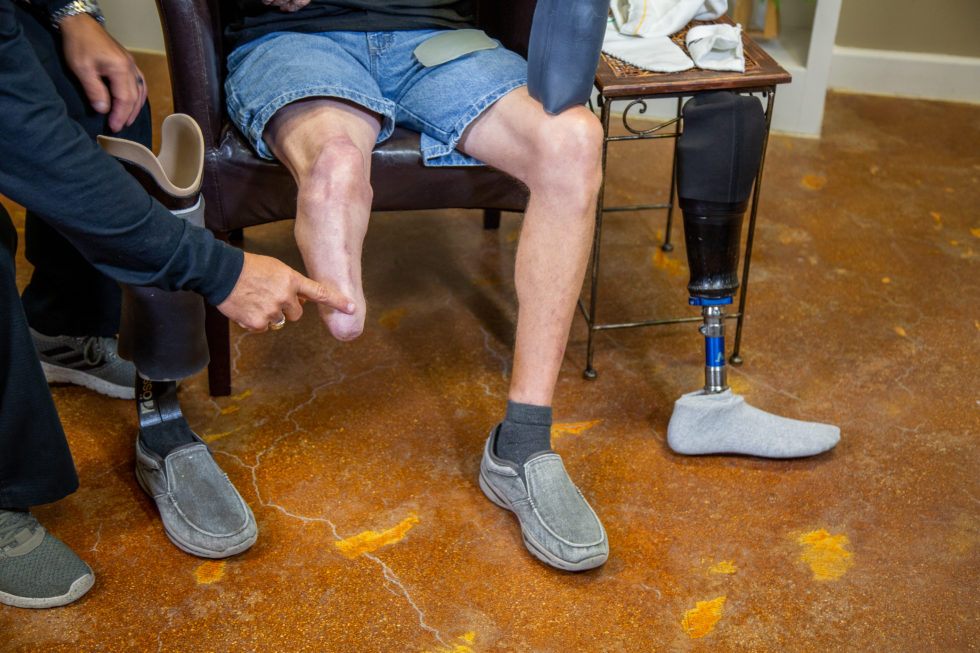
Type 2 diabetes often causes complications that can lead to lower limb amputation (Costa et al., 2020), and unfortunately, this is when George’s health took a turn for the worse. We went to a specialist after I got back from New York, who confirmed his left foot was broken and would probably never heal correctly, and recommended a below-the-knee amputation. George was devastated, but went through with it.
Afterward, he could still drive with his right foot, and he decided to buy a large SUV. I assisted him with getting in and out of the truck with his new wheelchair. However, we no longer slept together, because our bedroom was upstairs. He stayed on the couch for a few months until we got a hospital bed placed in the living room.
Losing Hope
Even though he was taking several prescribed high-dose narcotics, they didn’t have much effect in pill or patch form. Only medicines administered by IV quelled his suffering.
I always felt like I had to be strong, but I was at my wits end, suffering silently beside him. The last straw was when he developed gangrene on his genitalia, and it wasn’t curable. His pain intensified, and I advocated for him tirelessly by calling doctors, and researching information, but it was impossible to get pain management from any doctor in our city, so he suffered needlessly.
Multiple calls to his nephrologist and primary care doctor were never addressed, so I believed that palliative care was the only thing that would make him comfortable. In January 2018, I admitted him to hospice care, where he died a couple months later. I didn’t receive follow-up counseling afterward, but I met with my therapist a few more times until I moved out of state and back near my family to grieve.
Looking Back
The single most important thing missing from my experience that would have made things easier is access to support, which I describe in the following DECAF section.
I balanced parenting and school functions with spousal caregiving, administrative duties like tracking his medications, scheduling new appointments and conferring with health insurers, transporting my husband to multiple appointments, household responsibilities, and my full-time work as a technical writer with a Fortune 50 corporation. And I didn’t receive support from providers after his death, except for a newsletter from the hospice team every few months until a year passed.
I could have used an assistant for appointment scheduling and insurance coordination. A home health aide at flexible times to help with toileting and other ADL tasks.
Effects of In-Home Caregiving by Working Adults
During the pandemic, parents of school-aged children learned what it’s like to try balancing the role of teaching them while also managing their own work and household responsibilities. In-home caregiving was similar in my experience-–I had to juggle my work duties working from home with caring for my husband, and it wasn’t easy.
A study of the estimated 8.8 million employed family caregivers found that nearly 1 in 4 (23.3%) reported either absenteeism or presenteeism over a 1-month period due to caregiving (Fayete et al., 2023). Among those affected, caregiving reduced work productivity by one-third on average—or an estimated $5,600 per employee when annualized across all employed caregivers—primarily because of reduced performance while present at work. Productivity loss was higher among caregivers of older adults with significant care needs and varied according to sociodemographic characteristics and caregiver supports.
CareYaya Health Technologies’ data shows that caregivers spend an average of 15 to 20 hours per week on caregiving tasks. “It’s super hard to draw the line between when you’re working and when you’re caregiving when you’re WFH,” says CEO Neal K. Shah.
“70% of caregivers worldwide are women, and their average age is 49,” says Cheryl Field, MSN, RN. “So if you think about the multiple roles that a 49-year-old woman is playing between their own children, their career, their parents, their partner and the biological changes that come with menopause, you can see that caregivers are in a particularly pressure-filled time of their life. Any means by which they can reduce some of these stressors is significant.”
Stress from Multitasking
Source: Position is Everything
Caregiving influences several dimensions of the caregiver’s life, such as physical (e.g., physical health deterioration), psychological (e.g., anxiety and traumatic stress), family (e.g., roles and routines) and social (e.g., leisure time and social life) (Costa et al., 2020). Caregivers under stress report high levels of depressive symptoms, anxiety, high use of psychotropic drugs, low satisfaction with life, several symptoms related to psychological stress, and low subjective health.
“In-home caregiving lends itself to both more and less stress for the caregivers,” notes Dr. Caryn McAllister of High Quality Therapy. “Caregivers who work from home can juggle responsibilities needed during the day with work, and flexibility with respect to hours can allow people to contact medical professionals, organize schedules, and ensure their loved one eats, goes to the bathroom and takes medicines on time. The extra stress can come when people don’t have the ability to transition between work and home life. People often find they can leave work at work when they go home, but caregivers who work from home just don’t get that break. Ever! It takes organization and discipline to make it work.”
Wil Thomas, Editor of the Senior Bulletin, mentions a reader named John who echoes these sentiments. John has a full-time job while taking care of his elderly mother. “It’s like having two full-time jobs,” he says. “I’m constantly juggling meetings and her medical appointments, and it’s exhausting.”
Field understands this, too. As a former chief product officer who had a senior living with her in a multigenerational setting. She highlighted that the impact of providing in-home care varies over the course of the patient’s illness. “When care needs can be anticipated and scheduled, and additional resources can be utilized to put a plan in place, the impact can be smaller. When care needs are unexpected or difficult to anticipate, the impact will be greater,” she says.
“Consider that your interrupted sleep several times a week in the middle of the night over a chronic period of time begins to have an impact on your own rest and even the ability to fall asleep with anticipated anxiety of what’s to come through the night,” Fields continues. As care needs become more demanding on working adults, often you’ll see a rise in absenteeism for scheduled and unscheduled medical needs, and a decrease in resiliency on behalf of the employee. Chronic fatigue, fear, stress and anxiety all compound and can have an impact on the health of the working adult.”
Unfortunately, these stories aren’t unique. For adults who are caring for a loved one and also continuing to work in their career, taking on these responsibilities can be stressful and lead to burnout, Field says. 60% of caregivers are also employed, and many feel the job-related stress piling up. But working from home does make a big difference, providing flexibility that in-home caregivers need.
Impact of Diabetes on Patients and Chronic Care
50% to 75% of people with diabetes have a caregiver involved in their healthcare (Fields et al., 2022). These caregivers are often partners, spouses, adult children, or siblings.
Like many chronic conditions, diabetes requires complex medical management that often requires following regimented eating plans, monitoring sugar levels, organizing daily medications, and coordinating medical care. The sicker George became, the more of these responsibilities fell on me.
Source: eClinicalWorks
The chronic care model is a multidimensional solution to the complex problem of providing care to patients with chronic health problems. The theory of this model says that a significant part of chronic care takes place outside of formal healthcare facilities (Katsarou et al., 2023).
It also states that six elements are central to initiatives to improve chronic care: community resources, healthcare system, patient self-management, decision support, service delivery system redesign, and clinical information systems. Interventions that include at least one of these elements are associated with improved outcomes for people with asthma, diabetes, heart failure, and depression. However, only patients with heart failure and depression had improved quality of life (Katsarou et al., 2023).
Flexible scheduling
Caregiving would have been impossible if I couldn’t work from home. George had 10 doctors, and that translated to roughly 3 days a week with at least one appointment. At that point, I had worked for my company for almost 20 years, which gave me unlimited sick time and lots of vacation time. I took my work laptop with me to doctor appointments, rearranged meetings, and still made time for my daughter’s activities.
Working from home gave me flexibility in managing caregiving tasks and professional responsibilities, including the ability to respond to his needs promptly, compared to me working in an office setting, or George being in a facility where staff are spread across multiple patients.
Another of Thomas’ readers, Jane, works remotely and looks after her father, who has Alzheimer’s. “Working from home has been a lifesaver,” she says. “I can attend to my dad’s needs throughout the day without compromising my work. It’s still challenging, but having that flexibility makes a huge difference.”
While working from home offers more flexibility to manage caregiving tasks, it can also blur the lines between work and caregiving responsibilities. “Many caregivers report feeling constantly “on-call,” which can lead to burnout, and that burnout affects over 33% of family caregivers who are working from home, compared to 20% who work in the office,” Shah reports.
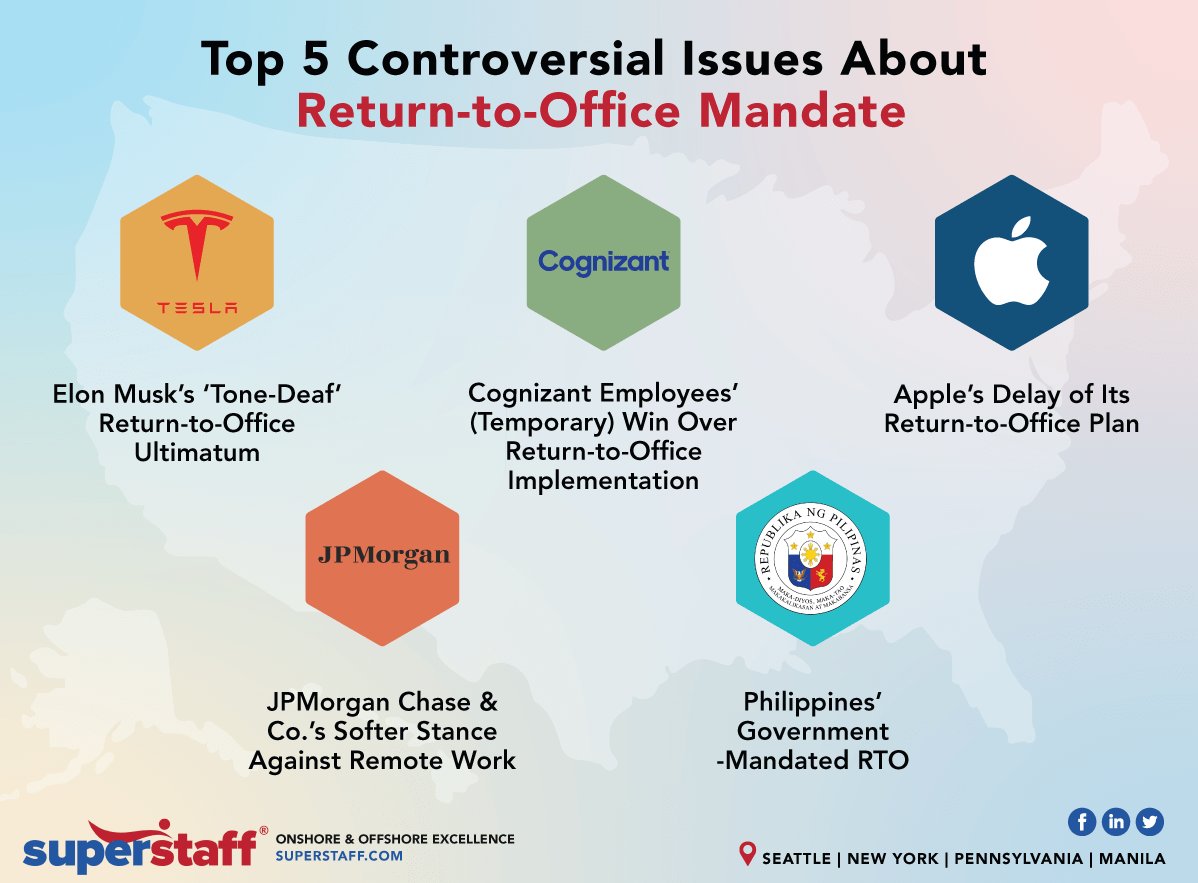
Indeed, flexible work arrangements such as telecommuting, job-sharing, and flexible hours can help caregivers manage their time more effectively. However, since the pandemic ended, return-to-office mandates have flourished with employers who want to manage employees in person and/or fill their empty office spaces. 90% of companies plan to implement return-to-office policies by the end of 2024, according to a report from Resume Builder. Nearly 30% say their company will threaten to fire employees who don’t comply with in-office requirements.
Source: SuperStaff
But for employees who can work remotely, several caregiver pressures can be relieved. Removing the commute and a strict start or end time of an office job gives the remote employee flexibility. Fields gives some of examples:
“On mornings where there’s been a difficult night, an extra hour of sleep can make a world of difference on how the employee feels and functions that day. Being able to work from home may also make it possible to leverage telehealth appointments instead of having to physically travel to doctor’s appointments. Caregivers also have the ability to provide distant supervision and mealtime support for a loved one while working from home and don’t need to have as many outside resources coming into the home to provide that supervision or ensure meals are delivered and consumed. These small benefits relieve a lot of microstress.”
Caregiver Needs Analyzed with DECAF
A study at the University of West Attica in Greece investigated the needs of caregivers of patients suffering from CKD, stroke, cancer, dementia and multiple sclerosis (Katsarou et al., 2023). 89% of these caregivers were relatives, 50% were between 20 and 50 years old, and 19% were spouses. Researchers found themes among caregiver needs:
Caregiver training
Help with nursing home care and physical therapy
Help with financial burden from health services
Lack of reliable transport
Psychological support, including delivery via digital media and mobile devices
Social support groups
Navigating complex medical insurance
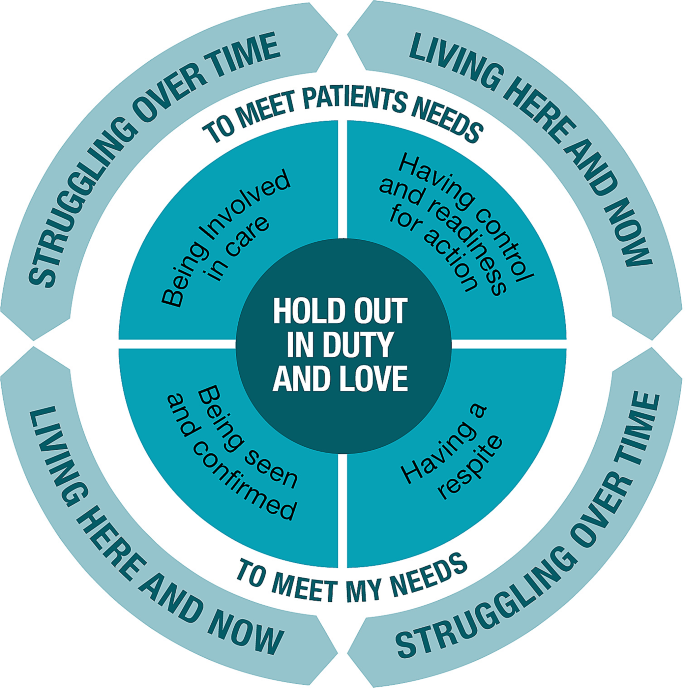
I agree with all of these points. To break it down a bit more, I’m using the DECAF framework (Fields et al., 2022), which was developed to raise awareness about caregiver responsibilities in care planning and execution during the hospital-to-home transition. Here’s how DECAF played out in my caregiving experience.
Direct Care Provision
Direct Care Provision refers to hands-on support with activities of daily living (ADLs) such as getting dressed, food preparation, toileting and physical activities, and taking the patient to healthcare appointments. It also includes nursing tasks like wound care and medication management. I was a certified nursing assistant in the 90s, and a home health aide in the 2000’s, both of which prepared me for my experience with George.
Emotional Support
Emotional Support is the empathy and compassion for the patient and caregiver.
I had no close friends nearby, and George’s family was local, but most of them were more hands-off. So as his condition took more and more of a toll on my mental health, I sought out family members, a therapist, and church groups for support and stress relief.
Social support can diminish the impact of the emotional burden and stress of care by providing solutions to problems, distractions from issues or facilitating the required healthy behaviors (Ibrahim et al., 2022). Caregivers who seek social support from family and friends experience a lesser burden of care than caregivers without solid support networks.
Seeking social support is the dominant coping mechanism for caregivers of patients undergoing renal replacement therapy (Ibrahim et al., 2022). Caregivers of chronic patients are four times more likely to be diagnosed with depression and three times more likely to seek help for anxiety issues than individuals who are not caregivers.
Being an in-home caregiver is lonely, and I lacked self-care. I’ve been working from home since 2005 so I was used to being alone, but caregiving for your spouse is a different kind of loneliness. I was losing my husband slowly as his condition got worse, and I needed social support. I mostly relied on my family (long-distance phone calls) and a local church group. In less than a year, I shifted from being a newlywed with an independent husband to a caregiver. My marital needs were not met, as George lost sexual function early on. This also caused strain on our relationship.
I’m not alone. A study on psychological health from Savitribai Phule Pune University in India confirms that dysfunctions caused by chronic illnesses aren’t limited to the patient, but affect the partner, and the couple’s dynamic, making a considerable impact on the satisfaction levels in the relationship (Umrigar and Mhaske, 2022). Behavioral and personality changes in the patient can overpower emotional bonds between the caregiver and the patient as well. The greater the negative effect, the greater the frequency of depression, anxiety, and somatization in the caregiver.
This study polled women caregivers about their male spouses with chronic conditions of cancer, coronary heart disease, and diabetes. They found clinically significant marital and sexual dissatisfaction. Since marital satisfaction and sexual satisfaction are closely linked, a decrease in one tends to have a serious impact on the other, and consequently, on the overall quality of life.
Care Coordination
Care Coordination involves initiating, managing and maintaining healthcare services and support. Managing diabetes successfully requires significant care organization and coordination of multiple types of interactions with the healthcare system. Participants in a study at the University of Wisconsin-Madison (Fields et al., 2022) frequently recognized caregiver roles in care organization, such as helping with tracking and scheduling appointments, taking notes before and during healthcare visits, and making lists of current medications.
I can concur. I took George to his appointments, acting as an administrative assistant and advocate. It was up to me to take notes, ask for what he needed, and verify or dispel inconsistent information (test results, guidance, data, etc.) between different doctors. I had a spreadsheet that the nurses loved, because it listed all the pertinent information about his medication names, amounts, prescribing doctor, reasons for taking them, etc.
Patient Advocacy
Advocacy is about empowering individuals to obtain resources. In the same Wisconsin study, several participants described experiences where the caregiver advocated on behalf of the patient when experiencing serious health complications linked to diabetes.
I was no different. As the months went on, George’s depression intensified into hopelessness and an “I don’t care anymore” attitude. So in addition to caregiving, I was also a fierce advocate for his mental health, trying to find resources to alleviate his chronic pain and help him feel more comfortable.
Financial Support
Financial support refers to help with planning and using financial resources. With rising home and institutional care costs and formal caregiver shortages, 66% of caregivers use their retirement and savings funds to pay for care (Genworth).
Source: Grants for Medical
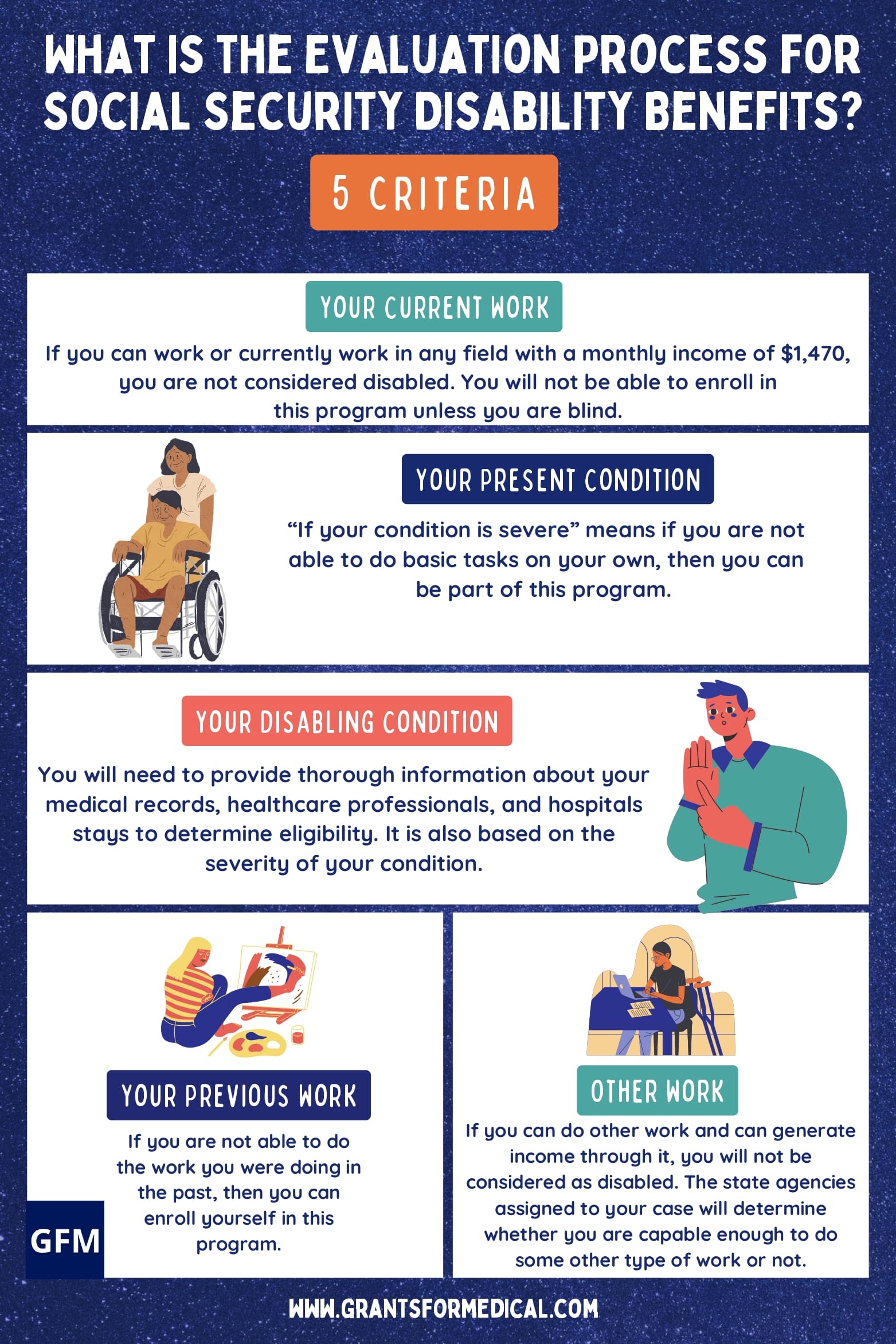
Applying for Social Security disability payments was a huge challenge. One of the questions that caused a denial related to his unemployment status. He explained that his medications made him fall asleep intermittently and randomly, so he couldn’t work. They blamed his medication and denied his application two more times before he was finally approved. He then started receiving payments of about $700 per month.
George had no life insurance, and I didn’t receive any direct financial support until his last week of life. I wrote Facebook posts about his status while he was in hospice care, and many of my friends sent funds via PayPal and Cashapp to help me pay for the funeral.
Navigating Healthcare Systems and Insurance Complexities
Caregiving at home often leads to substantial financial strain due to the cost of medical supplies, home health aides, and necessary modifications to the home. Not to mention the daunting task of navigating health insurance complexities, from finding in-network healthcare providers, care coordination, and working with billing offices regarding Medicare and Medicaid.
Finding In-Network Medical Providers
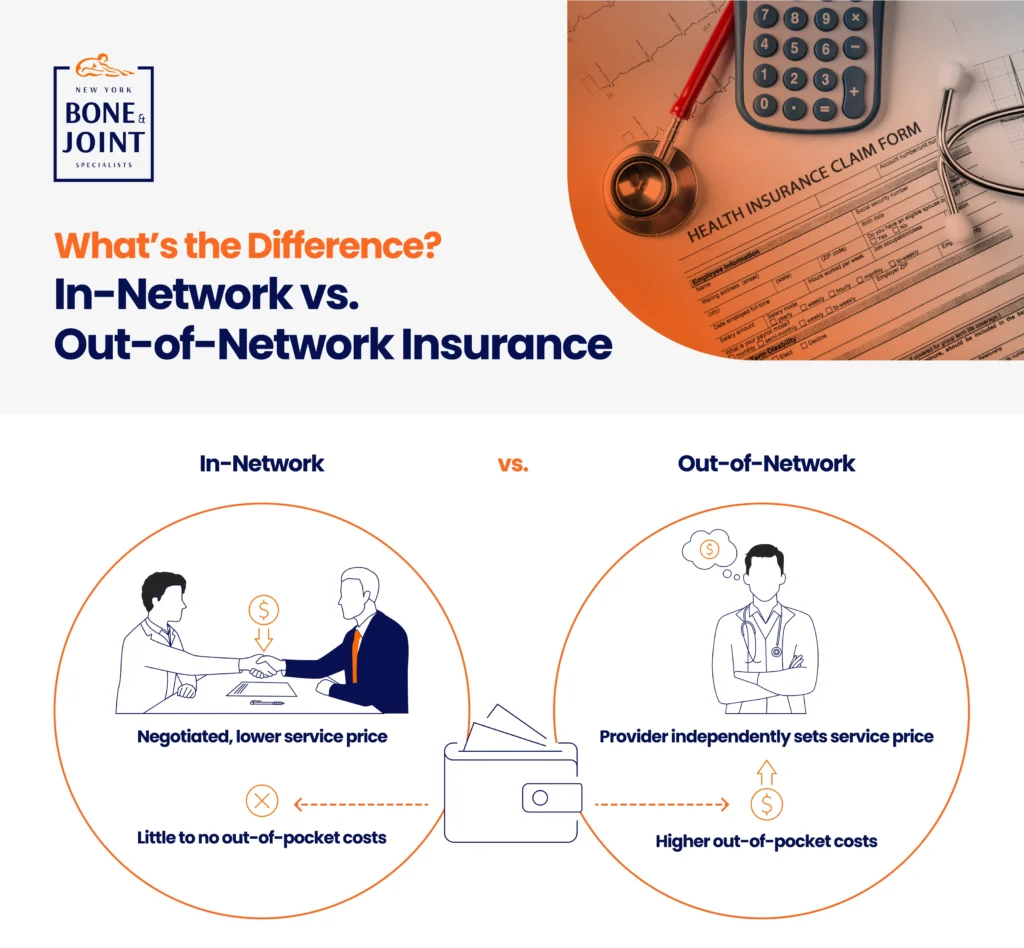
Another huge barrier for caregivers and patients alike is finding healthcare providers within their insurance network—especially specialists like those George needed. According to a Kaiser Family Foundation study, 29% of people struggle to find new providers within their network. Providers change the insurers they participate with frequently, and the onus is on the caregiver or patient to figure out how much of their bill will be covered in any given scenario.
Source: New York Bone & Joint Specialists
I’ve had to seek therapy before I met George, not just during his illness. No matter what, it’s difficult to find an available, local provider. Once I found a therapist, we started off going to see her together, but eventually he stopped.
Thomas recommends using online directories, insurance company tools and telehealth services to find these providers. And Dr. McAllister mentions an advanced step I’d never heard of before: “If you can’t find an in-network provider for your loved one, you can obtain a single case agreement, where your company will recognize the out-of-network provider as if they were in-network.”
Decoding the Difference Between Primary and Secondary Payer Insurance
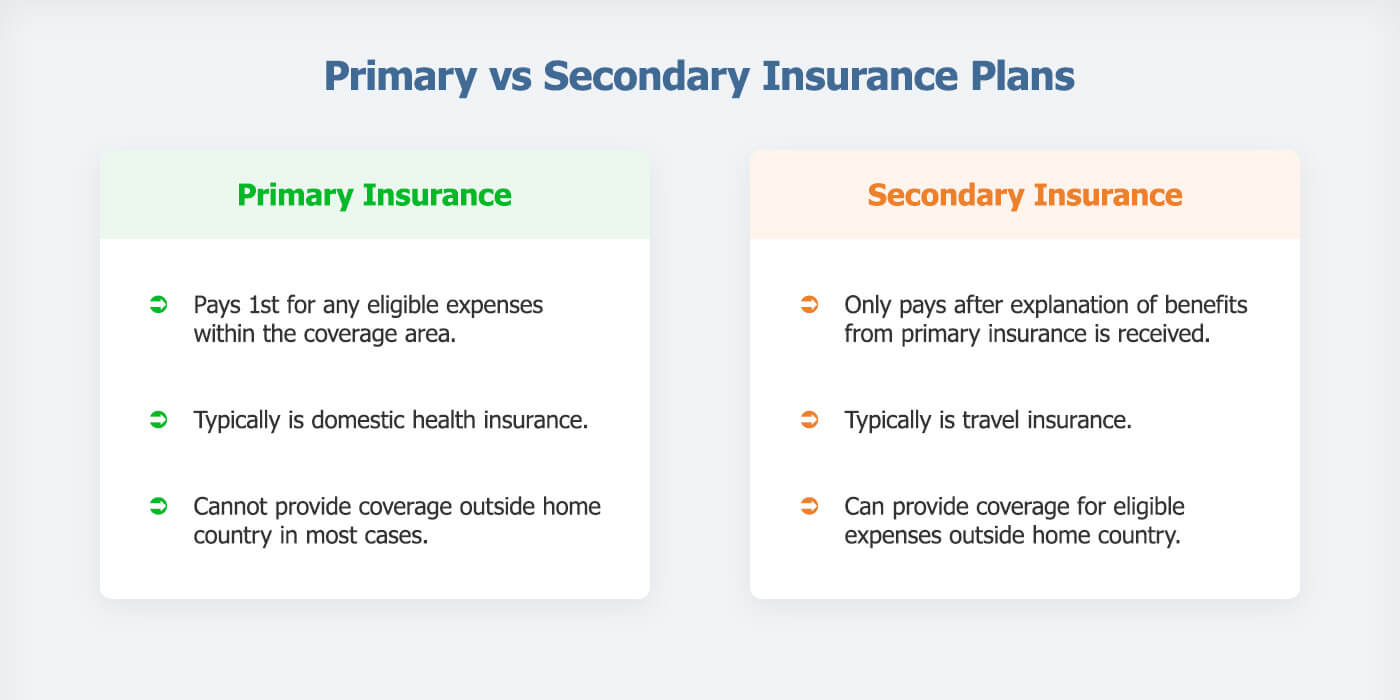
One recurring source of frustration for me was dealing with multiple billing departments about George’s insurance. The health insurance from my employer was primary, and Medicare was secondary. I made this clear for each medical provider (remember, he had 10 doctors). However, each billing department would call me to confirm multiple times based on how his claims were processed.
Source: Drive Safe Insure
The coordination of benefits between private insurance and Medicare/Medicaid is something Shawn Plummer, CEO of The Annuity Expert educates his customers about. For example, he explains that determining the primary and secondary payers can help maximize coverage and minimize out-of-pocket expenses. Additionally, exploring supplemental insurance options can fill gaps not covered by primary insurance plans.
Healthcare providers have their struggles working with health insurance companies as well. Take for example Dr. McAllister’s practice, which is in-network with Medicare and out-of-network with all private insurance companies.
“As a provider, it’s so difficult to deal with insurance, although Medicare is very straightforward and easy to work with if you abide by their rules,” she says. “If you understand that private insurance companies try to maximize profit by denying coverage, and go into the process knowing how to advocate, you won’t feel as frustrated.
Source:: Geeks for Geeks
“To add to the confusion, when people have Managed Medicare, the medicare rules apply but the private insurance manages Medicare. “I often suggest sticking to straight Medicare, not Managed Medicare, because standard Medicare tends to treat providers more fairly. Many providers won’t accept Managed Medicare because of the low reimbursement rates and bureaucracy associated with private insurance companies.”
Bert Hofhuis of Sovereign Boss in the UK says that many insurance plans, including Medicare and private insurance, have limitations on what they cover for in-home care. “For example, Medicare may cover some home health services but often does not cover custodial care.”
Dr. McAllister, Hofhuis, and Plummer shared more tips to navigate complex insurance issues:
Source: Investors
Understand the specifics of health insurance policies: Ask questions about things you don’t understand, and “seek plans that cover in-home care services, medical supplies, and home modifications to be prepared,” says Hofhuis. “It’s essential to review policy details and consider supplemental insurance to cover gaps.”
Take notes: “When dealing with insurance representatives on the phone, always write down the name of the person you speak with, information regarding the call and a reference for the call. Write everything down and email as much as possible so you have proof of everything,” Dr. Allister says.
Use HSAs and FSAs: When available, Plummer and Hofhuis recommend usingHSAs and Flexible Savings Accounts (FSAs), which can provide tax-advantaged funds that can be used for medical expenses, including caregiving costs.
Plan for long-term care: Consider purchasing long-term care insurance early to cover potential future caregiving needs.
Keep records for tax purposes: Keep detailed records of caregiving expenses, as some may be tax-deductible, potentially easing your financial burden, Plummer and Hofhuis concur.
Denise M. Brown, is Founder and CEO of The Caregiving Years Training Academy, a family caregiving agency that coordinates care across multiple systems. She shares that Medicare Part B reimburses for Caregiver Training, Community Health Integration Services and Principal Navigation Services. Family caregivers can receive these services on behalf of a Medicare beneficiary if that beneficiary cannot participate in care planning because of their illness.
“The interplay between private insurance and Medicare/Medicaid is a common source of confusion,” Shah says. “More educational resources are desperately needed to help caregivers understand these complexities, including decision trees to determine primary and secondary payers.”
Effective Care Coordination Between Health Systems
Getting Access to Supplies and Services
The healthcare system is disconnected and siloed. The complications that come with coordinating care getting medical supplies can be a hassle for caregivers. It requires time, energy, patience and diligence. I remember having to take note of each and every resource to get various supplies, whether it was for dialysis, a wheelchair, or even gauze strips.
According to AARP, nearly 75% of caregivers manage medications and medical tasks. Thomas’ reader Sarah went through a nightmare trying to get the right wheelchair for her husband. “We had to go through so much paperwork and phone calls with the insurance company,” she said.
Shah understands these frustrations. “Partnerships between tech and medical supply companies to streamline this process for caregivers would be super helpful,” he says.
Brown was also a caregiver, and shares her perspective as a provider: “We do our scheduling based on the provider’s schedule, which means working around our own work schedule. We may need to be with our patients when the nurse or home health aide comes. Because of staffing shortages, we often take the schedule that’s given even when the schedule completely derails our day.”
Improving Systems and Patient Satisfaction
Brown says that healthcare professionals can help caregivers and agencies alike by obtaining doctor orders and making effective referrals. “It’s frustrating to have to repeatedly call the doctor’s office to get an order for home health services and durable medical equipment,.” she says.
Source: Printablee
“It’s also important that the healthcare professionals know which providers have staff available. For instance, my dad received home health services with a visiting nurse. When I also asked for a home health aide, the nurse was upfront that there just wasn’t the staff available for home health aide to visit. We could work around that because my sister and I provided my dad’s personal care. Others may not have the luxury, so it’s important to know the reality of what we can expect.
Another thing to consider is the emotional effect on the patient when a provider or aide is no longer available.
For example, there was a week when neither Brown nor her sister would be available on a Friday to care for their dad. “I was waiting to hear if my dad’s home health provider could continue providing services for my dad. I waited to reconfigure my work day on Friday if I needed to provide care. I later heard back from the home health agency that benefits would continue. My dad was worried about benefits ending in part because he had formed a wonderful friendship with his nurse, and he loves her. But the system doesn’t take into account the emotional impact when services end. We miss the care, and we often also miss the care provider.”
Source: EDUCBA
Naama Stauber Breckler, Co-founder of Better Health, is trying to improve accessibility and convenience for people with chronic conditions and dependent on different medical devices and supplies. “Patients need the ability to easily discover and order medical supplies online and get an easy explanation of their insurance benefits, how to maximize them, and how to find the best products,” she says.
Dr. McAllister recommends contacting the insurance company to see what exactly is allowed (HHA, PT, OT, SLP and RN services). “Companies may try to give you less than your family needs, but your insurance company will help you understand what your rights are. Many home health companies are short-staffed, but if you know what you can get for your family member, you will be able to advocate for the best,” she says.
Addressing Caregiver Challenges with Care at Home
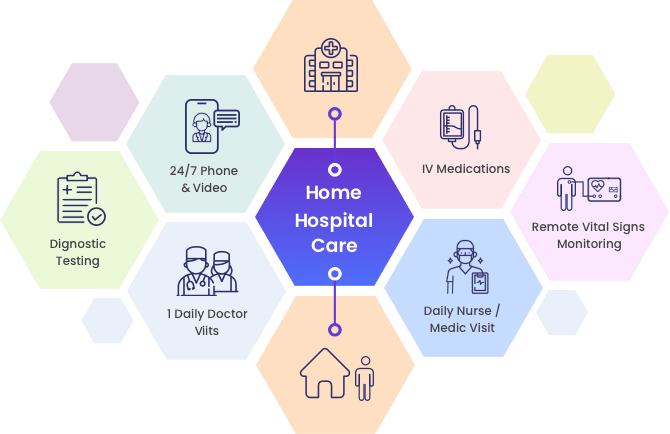
Some of the ways to address in-home caregiver challenges include care-at-home and Hospital-at Home programs, using RPM, employer-provided benefits and flexible work arrangements, and better health plan coverage.
The Rise of Hospital-at-Home Programs
Source: Rainbow Health
Care-at-home programs are integrated clinical programs created to deliver healthcare services that have either been traditionally provided within healthcare facilities or represent new care models for chronic disease management.
These programs typically combine remote insight into biometric data or symptoms via connected devices for remote patient monitoring (RPM) and communication with clinicians through telehealth modalities. Many care-at-home programs include in-home services such as durable medical equipment (DME), meal delivery, technical support, and therapeutics.
66% of hospitals and health systems currently offer patients a care-at-home service. Early care-at-home programs were primarily targeted at ad hoc or episodic care, often only relying on a telehealth visit. But the growing maturity of these models and the confidence of the clinical and operational leaders make it increasingly viable to treat chronically and acutely ill patients at home. The differences between these program types include the amount and type of RPM, the in-home services included, and the staffing required to operate the program.
Providing remote care at home can reduce the need for hospital admissions/early discharge, freeing up valuable hospital resources and beds and leaving patients and their families feeling supported in their own homes.
Remote Monitoring for Patients with Chronic Conditions
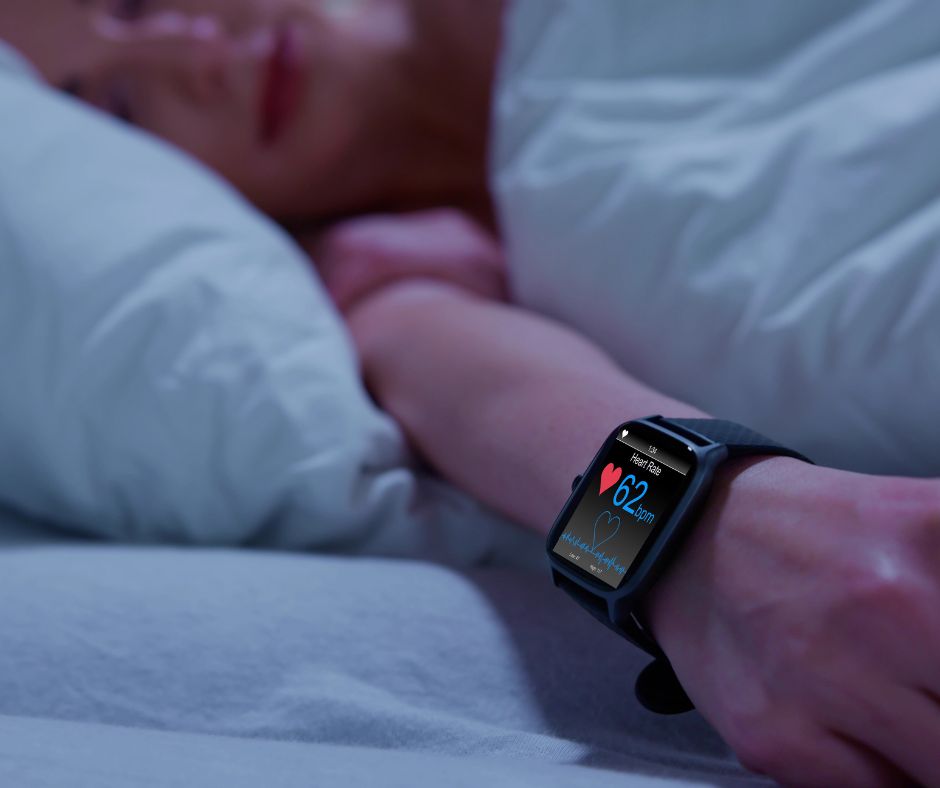
George’s endocrinologist recommended that he use a Dexcom device to track his blood sugar. This remote monitoring device was great for me because no matter where I was or what time it was, the Dexcom app sent my phone a notification whenever his sugar was too high or too low. It was especially helpful when I attended a conference 6 hours from home, but got his alerts throughout the day and night. His family stayed with him when I was gone, but I got the alerts.
“Remote monitoring technologies have been game-changers for caregivers managing chronic conditions,” Shah says. “… allowing caregivers and clinicians to monitor vital signs and symptoms remotely, providing peace of mind and enabling more proactive care.”
The Current Health platform helps hospitals and clinics provide healthcare services to patients in their homes. Patients can use this platform for various health conditions, including COVID-19, heart problems, pregnancy care, and cancer.
Survey respondents were confident that remote monitoring helps clinicians better understand the patient’s daily health.
Technology is essential to care-at-home programs, but the industry must embrace technology for these programs to be successful. According to another survey by Current Health and Sage Growth Partners, 51% of health system leaders cited patient engagement and adherence as a top challenge, with the most critical support service needs of clinical monitoring (54%), logistics (53%), and technical support (48%). In addition, interoperability between your care-at-home platform and the patient’s employee health record (EHR) is critical for reducing duplicative work for providers and ensuring you have a holistic view of the patient during and after their care-at-home experience.
RPM makes healthcare more accessible, as patients are monitored in their homes. Facing challenges such as high care costs, reduced revenue, and limited capacity, care at home is a cost-effective site of care that can provide better patient outcomes and satisfaction.
Employer Support
Employers can help by providing flexible work arrangements, paid leave, and Employee Assistance Programs (EAPs) that offer counseling, legal help, financial advice, and referrals to eldercare services.
Source: Academy to Innovate HR (AIHR)
In-home caregiving can significantly impact an employee’s ability to manage their work responsibilities. Logan Mallory, VP of Marketing at Motivosity offers flexible work arrangements, like reduced or flexible work hours, to help alleviate the stress of balancing caregiving and work duties. This flexibility allows employees to be present for their loved ones while still fulfilling their work commitments.
Motivosity also offers their employees unlimited paid time off (PTO), health savings accounts (HSAs), and comprehensive health insurance to support our caregiving employees, each of which benefits the employees who are also caregivers in specific ways:
Unlimited PTO ensures that employees can take the necessary time off without worrying about exhausting their leave.
HSAs help cover the costs of medical supplies and services, providing financial relief.
Health insurance plans that cover a wide range of services, including in-home care, which helps employees manage caregiving expenses more effectively. They also provide access to counseling services, stress management resources, mental health apps and gym access.
“While we can only do so much, employers should strive to provide as much support as possible to caregiving employees,” Mallory says. “By offering flexible solutions and understanding their unique challenges, we can help them manage their responsibilities more effectively.”
Health Plan Changes Needed
Insurance Coverage Gaps
Source: Jackson Insurance Brokers
In the U.S., patients and their caregivers could benefit from closing the following health insurance coverage gaps in their health plans:
Long-Term Services and Supports (LTSS): According to theHHS, 70% of people over 65 will require some type of LTSS, which is not covered under Medicare or most private health insurance plans.
Home and Community-Based Services (HCBS): There’s currently limited coverage for services that help with ADLs and care at home.
Caregiver Support Services: Lack of comprehensive coverage for services that directly support family caregivers, such as respite care, training, and counseling in some states.
Non-Expansion States: In states that have not expanded Medicaid, many low-income adults fall into a coverage gap, being ineligible for both Medicaid and Marketplace subsidies (Drake, et al., 2024).
10 Ways Health Plan Changes Can Support Caregivers
Source: Ramsey Solutions
Expand Medicaid Coverage: Adopting Medicaid expansion in all states could provide coverage to approximately 2.9 million uninsured adults, including many caregivers (Drake et al., 2024).
Integrate Caregiver Support: Incorporate caregiver support services into existing health care delivery models and value-based care programs.
Enhance LTSS and HCBS Coverage: Expand coverage for these services under Medicare, Medicaid, and private insurance plans to reduce out-of-pocket costs for families.
Improve Remote Care Options: Expand coverage and availability of remote patient monitoring and telehealth services to support both patients and caregivers. Hospital-at-Home programs should be a mainstay in health plan coverage. These programs are customer-centric, result in lower hospital readmission rates, increase hospital capacity, and reduce issues with resource allocation among clinical staff.
Develop Caregiver-Specific Insurance Products: Create insurance plans or supplemental coverage options designed to meet the unique needs of caregivers.
Enhance Workplace Policies: Encourage employers to offer flexible work arrangements and maintain health insurance coverage for employees who are caregivers (Tingey et al., 2020).
Improve Caregiver Identification and Assessment: Implement systematic processes in healthcare settings to identify, assess, and support caregivers.
9. Include Caregiver Metrics in Quality Measures: Incorporate caregiver experiences and outcomes into healthcare quality measurements to incentivize better support.
Prepare Healthcare Professionals: Enhance training for healthcare providers on person- and family-centered care to better support caregivers. Psychoeducational information (e.g., treatment, lifestyle, etc.) and healthcare (e.g., emotional support, practical services, etc.) were the most common unmet need domains across health conditions (Thomas et al, 2023). Addressing unmet informational or healthcare needs may help optimize outcomes and care for children and families living with common chronic health conditions.
By addressing these gaps and implementing these improvements, the U.S. healthcare system could significantly enhance support for both caregivers and patients by reducing the financial and emotional burden on families while improving overall care outcomes.
Supporting Caregivers and Their Families
Source: Caryfi
As we’ve explored throughout this article, home care programs and RPM offer transformative benefits for both patients and caregivers. These solutions provide enhanced flexibility, improved care coordination, crucial support for managing chronic conditions and reducing caregiver burden. Expanding health plan coverage for these programs is not just beneficial, but necessary.
Hospital-at-Home (HaH) programs, in particular, represent a cost-effective, patient-centered approach that deserves widespread adoption. Every health institution could likely benefit from such a program to increase the capacity of their facility, enhance customer-centricity and patient satisfaction, and promote better patient outcomes. It’s the way of the future, and the way patients want to receive care. So we call on healthcare providers and health plans to prioritize the inclusion of care-at-home programs in their coverage.
By supporting caregivers and improving patient outcomes, we can create a more efficient, compassionate healthcare system. This requires a collaborative effort from healthcare providers, insurers, policymakers, and technology innovators to truly enhance the caregiving experience and, ultimately, the quality of life for both patients and their dedicated caregivers.
References
Carter, K., Blakely, C., Zuk, J., Brittan, M., & Foster,C. Employing Family Caregivers: An Innovative Health Care Model. Pediatrics. 2022; 149(6), 1-4. doi.org/10.1542/peds.2021-054273
“Compensation For Caregiving.” Colorado Respite Coalition, https://coloradorespitecoalition.org/family-caregivers/compensation-for-caregiving.php. Accessed 2 July 2024.
Costa, S., Ferreira, J., Leite, Â., & Pereira, M. G. (2021). Traumatic stress as a mediator of quality of life and burden in informal caregivers of amputees due to diabetic foot: a longitudinal study. Health Psychology Report, 9(4), 339, 345. https://doi.org/10.5114/hpr.2020.101495
Drake, P., Tolbert, J., Rudowitz, R, & Damico, A. “How Many Uninsured Are in the Coverage Gap and How Many Could be Eligible if All States Adopted the Medicaid Expansion?” KFF, 26 Feb. 2024, https://www.kff.org/medicaid/issue-brief/how-many-uninsured-are-in-the-coverage-gap-and-how-many-could-be-eligible-if-all-states-adopted-the-medicaid-expansion. Accessed 2 July 2024.
Fakeye, M.B.K., Samuel, L.J., Drabo, E.F., Bandeen-Roche, K., & Wolff, J.L. Caregiving-Related Work Productivity Loss Among Employed Family and Other Unpaid Caregivers of Older Adults. Value in Health. 2023;26(5):712. https://doi.org/10.1016/j.jval.2022.06.014
Favreault, M., Dey, J., Anderson, L., Lamont, H., & Marton, W. “Future Change in Caregiving Networks: How Family Caregivers and Direct Care Workers Support Older Adults Now and in the Future.” Assistant Secretary for Planning and Evaluation, 2 Aug, 2023, https://aspe.hhs.gov/sites/default/files/documents/a449863a8c93838d37f78ccf29e9231f/future-change-caregiving-networks.pdf. Accessed 2 July 2024.
Fields B., Makaroun L., Rodriguez K.L., Robinson C., Forman J., & Rosland A-M. Caregiver role development in chronic disease: A qualitative study of informal caregiving for veterans with diabetes. Chronic Illness. 2022;18(1):193, 196. doi:10.1177/1742395320949633
“How Caregiving Impacts Families, Communities and Society.” Genworth, 27 Oct. 2021, https://pro.genworth.com/riiproweb/productinfo/pdf/682801BRO.pdf. Accessed 2 July 2024.
Ibrahim N., Chu S., Siau C., Amit N., Ismail R., Halim A., & Gafor, A. The effects of psychosocial and economic factors on the quality of life of patients with end-stage renal disease and their caregivers in Klang Valley, Malaysia: protocol for a mixed-methods study. BMJ Open. 2022;12(6):1-2. doi:10.1136/bmjopen-2021-059305
Katsarou, A., Intas, G., & Pierrakos, G. Investigating the Needs of Caregivers of Patients Suffering from Chronic Diseases: A Mixed-Method Study. Indian Journal of Palliative Care. 2023; 29(3), 285-286. https://doi.org/10.25259/IJPC_179_2022
Khurana, Sanjay. “Caregiver Support | Gaps, Opportunities and Emerging Models in Healthcare.” Linkedin, 19 Oct. 2023, https://www.linkedin.com/pulse/caregiver-support-gaps-opportunities-emerging-models-sanjay-khurana. Accessed 2 July 2024.
Smith, Morgan. “90% of companies say they’ll return to the office by the end of 2024—but the 5-day commute is ‘dead,’ experts say.” CNBC, 11 Sept. 2023, https://www.cnbc.com/2023/09/11/90percent-of-companies-say-theyll-return-to-the-office-by-the-end-of-2024.html. Accessed 26 June 2024.
Thomas S., Ryan N.P., Byrne L.K., Hendrieckx C., White V. Unmet supportive care needs of families of children with chronic illness: A systematic review. Journal of Clinical Nursing. 2023; 32(19-20): 7101. https://doi.org/10.1111/jocn.16806
Tingey, J.L., Lum, J. Morean, W., Franklin, R., & Bentley, J.A. Healthcare Coverage and Utilization Among Caregivers in the United States: Findings From the 2015 Behavioral Risk Factor Surveillance System. Rehabilitation Psychology. 2020; 65(1), 63-71. http://dx.doi.org/10.1037/rep0000307
Umrigar D, Mhaske R. Psychological Health of Wives’ of Patients with Chronic Illnesses. Journal of Psychological Research. 2022;4(1):1-2. doi:10.30564/jpr.v4i1.3879
Pain is more than just a physical sensation—it’s a complex experience that can dramatically alter your daily life. Chronic pain affects almost 33% of adults, impacting their quality of life and daily activities. As traditional pain management methods often fall short, wearable pain management technologies offer hope for anyone struggling with ongoing pain.
For example, Non-steroidal anti-inflammatory drugs (NSAIDs) have limited effectiveness in treating chronic pain and carry potential serious adverse effects, including an increased risk of heart attack or stroke. Opioids can be effective for short-term pain relief, but they have limited long-term effectiveness, and carry significant risks of addiction and misuse.
How wearable technologies detect and address pain
Wearable technologies offer a new approach to pain management:
TENS devices use low-voltage electrical currents to provide pain relief. These wearable units typically consist of:
A small, battery-powered device
Electrode pads
Adjustable intensity settings
The FDA approved the TensWave pain relief device, designed to be portable and user-friendly, to alleviate pain without medication.
Compression and support wearables
Compression garments and support devices can be helpful for conditions like arthritis or sports-related injuries. They help manage pain by:
Improving blood circulation
Reducing inflammation
Providing joint stability
Research in the Arthritis Research and Therapyshowed that a soft knee brace helped reduce pain, improve walking speed, and increase confidence for people with knee osteoarthritis.
AI-powered devices are changing how we handle pain. They use sensors to track pain signals in the body, along with AI algorithms to figure out the best way to treat each person’s pain. These tools can measure things like heart rate and skin changes to understand pain levels and suggest personalized treatments.
Biofeedback is a method that helps you learn more about how your body works. By using special electronic devices, you can track things like your heart rate, muscle tension, or breathing. The main goal is to teach you how to control these body functions on purpose, almost like learning to control a muscle you didn’t know you could move before.
Biofeedback features in wearable devices help patients:
Integrating apps into your healthcare regime promotes more comprehensive pain management and better communication between you and your healthcare team.
Clinical Applications and Research
Wearable pain management technologies have shown promise in various clinical settings and for different types of pain.
Pain management for specific conditions
Researchers have studied wearable devices to see how effective they are when managing pain associated with:
Athletes and sports medicine professionals turn to wearable pain management devices for:
Faster recovery from injuries
Reduced reliance on pain medications
Improved rehabilitation outcomes
Compression wearables for instance, have shown promise in reducing pain and improving function in patients with knee osteoarthritis.
A study in BMC Sports Science, Medicine and Rehabilitationused advanced tracking devices like accelerometers, GPS, and force plates to monitor athletes’ performance. By collecting data on things like distance, speed, and impact, coaches can spot early signs of fatigue and prevent injuries. The technology can help sports coaches decide when to push athletes harder, and when to let them rest.
Chronic illness support
Wearable pain management technologies offer valuable support for people with chronic illnesses by:
Wearable pain management devices are increasingly integrated into rehabilitation programs, offering:
Targeted pain relief during exercises
Progress tracking
Improved compliance (people following through with doctor instructions)
This integration can lead to more effective rehabilitation outcomes and faster recovery times.
A clinical trial in the Archives of Physical Medicine and Rehabilitationshowed that TENS alone or combined with exercise or physical therapy, helped reduce knee pain and improve mobility. The combined therapy was particularly effective, showing a significant decrease in light-intensity activity time and potentially lowering psychological barriers to exercise. The results suggest this approach could be a valuable strategy for people struggling with knee pain and sedentary behavior.
Workplace ergonomics and injury prevention
Healthcare providers use wearable technologies in occupational health settings to:
While these devices may have higher upfront costs, they could lead to long-term savings in pain-related healthcare expenses. Research published in Cureus showed that despite higher upfront costs, wearable pain management devices resulted in lower overall pain-related healthcare expenses for participants.
User experience and comfort
The effectiveness of a wearable pain management device often depends on whether you use it correctly and consistently, and your comfort. Look for devices that offer:
Adjustable settings
Lightweight and discreet design
Easy-to-use controls
85% of the 90% of participants in a 2020 pilot study who used a device more than half of the study period reported high user satisfaction scores. This suggests that you’re more likely to use a device that’s comfortable and easy to use consistently, leading to better pain management outcomes.
Clinical validation and research
When selecting a wearable pain management device, prioritize those with strong clinical evidence that shows they’re effective. Look for:
This interdisciplinary approach could lead to breakthroughs in pain management, which could decrease how many people have chronic pain in the coming years.
Wearable pain management represents a promising frontier in healthcare technology. As devices become more sophisticated, personalized, and accessible, individuals suffering from chronic pain can look forward to more targeted, non-invasive relief strategies. The future of pain management is not just about treating symptoms, but understanding and addressing pain at its source.
References
AI pain recognition system could help detect patients’ pain before, during and after surgery. (2023). American Society of Anesthesiologists. Retrieved from https://www.asahq.org/about-asa/newsroom/news-releases/2023/10/ai-pain-recognition-system
Alberts, N.M., Leisenring, W., Flynn, J.S., Whitton, J., et al. (2020). Wearable Respiratory Monitoring and Feedback for Chronic Pain in Adult Survivors of Childhood Cancer: A Feasibility Randomized Controlled Trial From the Childhood Cancer Survivor Study. JCO Clinical Cancer Informatics, 4. doi.org/10.1200/CCI.20.00070
Andrade, R., Duarte, H., Pereira, R., Lopes, I., Pereira, H., Rocha, R., & Espregueira-Mendes, J. (2016). Pulsed electromagnetic field therapy effectiveness in low back pain: A systematic review of randomized controlled trials. Porto Biomedical Journal, 1(5), 156. doi.org/10.1016/j.pbj.2016.09.001
Bara, R. O., Lee, M., Phan, T., Pacheco, M., Camargo, A. F., Kazmi, S. M., Rouzi, M. D., Modi, D., Shaib, F., & Najafi, B. (2024). Transcutaneous electrical nerve stimulation for fibromyalgia-like syndrome in patients with Long-COVID: A pilot randomized clinical trial. Scientific Reports, 14(1), 1-11. doi.org/10.1038/s41598-024-78651-5
Beyond Traditional Healing: How AI Enhances Biofeedback for Pain Management. (2023). Retrieved from https://ospinamedical.com/orthopedic-blog/beyond-traditional-healing-how-ai-enhances-biofeedback-for-pain-management
Casarin, S., Haelterman, N. A., & Machol, K. (2024). Transforming personalized chronic pain management with artificial intelligence: A commentary on the current landscape and future directions. Experimental Neurology, 382, 114980. doi.org/10.1016/j.expneurol.2024.114980
Chen, J., Jin, T., & Zhang, H. (2020). Nanotechnology in Chronic Pain Relief. Frontiers in Bioengineering and Biotechnology, 8, 557957. doi.org/10.3389/fbioe.2020.00682
Chronic pain: Medication decisions. MayoClinic. Retrieved from https://www.mayoclinic.org/chronic-pain-medication-decisions/art-20360371
Cox, A. (2024). Insights into Emerging Technologies in Pain Medicine. Retrieved from https://www.managedhealthcareexecutive.com/view/insights-into-emerging-technologies-in-pain-medicine
Cudejko T, van der Esch M, van der Leeden M, van den Noort JC, Roorda LD, Lems W, Twisk J, Steultjens M, Woodburn J, Harlaar J, Dekker J. The immediate effect of a soft knee brace on pain, activity limitations, self-reported knee instability, and self-reported knee confidence in patients with knee osteoarthritis. (2017). Arthritis Research and Therapy;19(1):260. doi: 10.1186/s13075-017-1456-0
Deswal, P. (2024). NXTSTIM’s wearable nerve stimulation device helps manage long-term pain. Clinical Trials Arena. Retrieved from https://www.clinicaltrialsarena.com/news/nxtstims-wearable-nerve-stimulation-device-helps-manage-long-term-pain/
Different Types of Chronic Pain. (2020). Southern Pain and Neurological. Retrieved from https://southernpainclinic.com/blog/different-types-of-chronic-pain/
El-Tallawy, S.N., Pergolizzi, J.V., Vasiliu-Feltes, I., et al. (2024). Innovative Applications of Telemedicine and Other Digital Health Solutions in Pain Management: A Literature Review. Pain and Therapy, 13, 791–812. doi.org/10.1007/s40122-024-00620-7
Gagnon, M.P., Ouellet, S., Attisso, E., Supper, W., Amil, S., Rhéaume, C., Paquette, J.S., Chabot, C., Laferrière, M.C., Sasseville, M. (2024). Wearable Devices for Supporting Chronic Disease Self-Management: Scoping Review. Interactive Journal of Medical Research,3:e55925. doi: 10.2196/55925
How Wearable Devices Are Shaping the Future of Chronic Pain Management. Pain Mgmt Advancements. Retrieved from https://advancementsinpainmanagement.com/therapeutic-care/patient-monitoring/how-wearable-devices-shaping-chronic-pain-management/
Huhn, S., Axt, M., Gunga, C., Maggioni, M. A., Munga, S., Obor, D., Sié, A., Boudo, V., Bunker, A., Sauerborn, R., Bärnighausen, T., & Barteit, S. (2022). The Impact of Wearable Technologies in Health Research: Scoping Review. JMIR MHealth and UHealth, 10(1), e34384. https://doi.org/10.2196/34384
Koch, R. Researchers discover localised pain relief using known chemical reaction. (2024). University of Adelaide. Retrieved from https://www.adelaide.edu.au/newsroom/news/list/2024/11/04/researchers-discover-localised-pain-relief-using-known-chemical-reaction
Management of Chronic Pain. (2023). National Commission on Correctional Health Care (NCCHC). Retrieved from https://www.ncchc.org/position-statements/management-of-noncancer-chronic-pain-2023/
Non-Traditional Pain Management. (2023). ProCare Rx HospiceCare. Retrieved from https://www.procarehospicecare.com/non-traditional-pain-management
Nowosielski, B. Biofeedback Shows Promising Results in Treating Chronic Pain. (2025). Retrieved from https://www.drugtopics.com/view/biofeedback-shows-promising-results-in-treating-chronic-pain
Objective wearable measures correlate with self-reported chronic pain levels in people with spinal cord stimulation systems. (2023). npj Digital Medicine. Retrieved from https://www.nature.com/articles/s41746-023-00892-x
Patel, V., Chesmore, A., Legner, C. M., & Pandey, S. (2022). Trends in Workplace Wearable Technologies and Connected-Worker Solutions for Next-Generation Occupational Safety, Health, and Productivity. Advanced Intelligent Systems, 4(1), 2100099. doi.org/10.1002/aisy.202100099
Rebelo, A., Martinho, D.V., Valente-dos-Santos, J. et al. (2023). From data to action: a scoping review of wearable technologies and biomechanical assessments informing injury prevention strategies in sport. BMC Sports Science, Medicine and Rehabilitation, 15, 169 doi.org/10.1186/s13102-023-00783-4
Ross, E. L., Jamison, R. N., Nicholls, L., Perry, B. M., & Nolen, K. D. (2020). Clinical Integration of a Smartphone App for Patients With Chronic Pain: Retrospective Analysis of Predictors of Benefits and Patient Engagement Between Clinic Visits. Journal of Medical Internet Research, 22(4), e16939. doi.org/10.2196/16939
Sensors and Devices Guided by Artificial Intelligence for Personalized Pain Medicine. (2024). Cyborg and Bionic Systems. Retrieved from https://spj.science.org/doi/10.34133/cbsystems.0160
Smart patch combines real-time health monitoring and drug delivery. (2025). Medical Xpress. Retrieved from https://medicalxpress.com/news/2025-02-smart-patch-combines-real-health.html
Spiegel, B., Fuller, G., Lopez, M., Dupuy, T., Noah, B., Howard, A., Albert, M., Tashjian, V., Lam, R., Ahn, J., Dailey, F., Rosen, B. T., Vrahas, M., Little, M., Garlich, J., Dzubur, E., IsHak, W., & Danovitch, I. (2019). Virtual reality for management of pain in hospitalized patients: A randomized comparative effectiveness trial. PLoS ONE, 14(8), e0219115. doi.org/10.1371/journal.pone.0219115
Tepper, S.J., McAllister, P., Monteith, T. (2024). Update on Noninvasive Neuromodulation for Headache Treatment. Practical Neurology (US).;23(4):23-28.
Trafton, A. Wearable patch can painlessly deliver drugs through the skin. (2023). Massachusetts Institute of Technology. Retrieved from https://news.mit.edu/2023/wearable-patch-can-painlessly-deliver-drugs-through-skin-0419
Transcutaneous Electrical Nerve Stimulation for Pain Control. (2024). Head & Neck Pain Clinic. Retrieved from https://mhnpc.com/2024/10/28/transcutaneous-electrical-nerve-stimulation-for-pain-control/
Weatherly, S., McKenna, T., Wahba, S., Friedman, A., Goltry, W., Wahid, T., Abourahma, H., Lee, K., Rehman, A., Odeh, A., & Costin, J. (2024). Effectiveness of Digital Health Interventions (DHI) in Chronic Pain Management: A Scoping Review of Current Evidence and Emerging Trends. Cureus, 16(10), e72562. doi.org/10.7759/cureus.72562
Why Traditional Pain Management Doesn’t Work for Many With Chronic Pain. Michigan Integrative Health. Retrieved from https://michiganih.com/why-traditional-pain-management-doesnt-work-for-many-with-chronic-pain/
Yamada, K., Shimizu, H., Doi, N., Harada, K., et al. (2025). Usefulness and Safety of a Wearable Transcutaneous Electrical Nerve Stimulation Device for Promoting Exercise Therapy in Patients With Chronic Knee Pain: A Randomized Controlled Trial. Archives of Physical Medicine and Rehabilitation, 106 (2), 167-176. doi: 10.1016/j.apmr.2024.08.021
Zhu, Y., Yao, Y., Kuang, R., Chen, Z., Du, Z., & Qu, S. (2023). Global research trends of nanotechnology for pain management. Frontiers in Bioengineering and Biotechnology, 11, 1249667. https://doi.org/10.3389/fbioe.2023.1249667
As a caregiver, you may feel overwhelmed, isolated, or unsure where to turn for help. Community resources offer more than just emotional support–they’re lifelines that connect caregivers with others who truly understand their daily challenges. However, according to the National Alliance for Caregiving, only 28% of unpaid caregivers attend caregiver support groups.
Whether you’re caring for an aging parent, a child with special needs, or a spouse with a chronic illness, local support groups can provide the assistance, guidance, and emotional support you need to navigate your caregiving journey. We’ll explore the benefits of joining a support group, the types available, how to find them, and how to make the most of these valuable resources.
Benefits of Joining a Local Caregiver Support Group
Joining a local caregiver support group can be a game-changer for many caregivers.
Learn practical caregiving tips and strategies from experienced members
Support groups are a goldmine of practical knowledge. Caregivers who participate in support groups often improve their caregiving skills and knowledge. You’ll learn from others who have faced similar challenges and found effective solutions.
Share experiences in a safe, judgment-free environment
One of the most valuable aspects of support groups is the opportunity to share your experiences without fear of judgment. This can be incredibly cathartic and help reduce feelings of isolation, depression and anxiety.
Access emotional support and validation from peers
Caregiving can be emotionally taxing. Support groups provide a space where you can receive empathy and understanding from people who truly get what you’re going through. Onestudyfound that caregivers who attended support groups felt emotionally supported and less burdened (Wiegelmann et al., 2021).
Discover local resources and services you might not know about
Support group members often share information about local services, programs, and resources that can make caregiving easier. This network of shared knowledge can be invaluable in finding the right help for your specific situation.
Build lasting friendships with people who understand your situation
Many caregivers form deep, lasting friendships with fellow support group members. These connections can provide ongoing support and companionship beyond the group meetings themselves.
Find respite care opportunities and backup support
Support groups can be a great place to learn about respite care options in your area or even find other caregivers willing to provide backup support when you need a break.
Types of Caregiver Support Groups Available
Not all support groups are created equal. Here are some common types you may encounter.
Condition-specific groups
Some support groups focus on caregiving for specific conditions like kidney disease, cancer and autism, allowing members to share highly relevant experiences and information. For example, the Alzheimer’s Association offers support groups specifically for caregivers of individuals with Alzheimer’s and other dementias.
Age-based groups
Some groups are organized around the age of the care recipient, such as senior care or child care. This can be helpful as caregiving challenges often vary depending on whether you’re caring for an elderly parent or a child with special needs.
Relationship-based groups
These groups bring together caregivers who share similar relationships with their care recipients, such as spouse or adult children caregivers. For instance, a group for adult children caring for aging parents might address unique challenges like balancing work, family, and caregiving responsibilities.
Online vs. in-person meeting options
With the rise of digital technology, many support groups now offer online options. A 2022 study in the found that online support groups can be just as effective as in-person groups in reducing caregiver stress and improving well-being (Egan et al., 2022).
Professional-led vs. peer-led groups
Some groups are led by healthcare professionals or social workers, while others are facilitated by experienced caregivers. Both can be beneficial, depending on your preferences and needs.
Specialized groups for working caregivers
These groups focus on the unique challenges faced by those balancing caregiving with employment. They often meet outside of typical work hours and address topics like managing time off and communicating with employers.
How to Find Support Groups in Your Area
Finding the right support group might take a bit of research, but it’s worth the effort. Here are some strategies to help you locate groups in your area.
Contact local hospitals and healthcare providers
Many hospitals and healthcare systems offer support groups for caregivers. Reach out to the social work department or patient services office for information.
Search online databases and directories
Websites like the Family Caregiver Alliance offer searchable databases of support groups across the country. Simply enter your location to find options near you.
Reach out to disease-specific organizations
Organizations focused on specific conditions often provide or can direct you to relevant support groups. For example, the American Cancer Society offers a database of cancer caregiver support groups.
Check with religious institutions and community centers
Many churches, synagogues, and community centers host caregiver support groups. These can be especially helpful if you’re looking for a group that aligns with your faith or cultural background.
Ask your doctor or healthcare team for recommendations
Your healthcare provider or your loved one’s medical team may be able to recommend local support groups that are relevant to your situation.
Use social media and local community forums
Platforms like Facebook and Nextdoor can be great resources for finding local support groups. Many groups have their own pages or groups where you can connect with other members.
A study conducted in Canada by Kelly et al (2022) looked at how caregivers of children with complex care needs used a private Facebook support group. The group had 108 members, mostly women. Many members belonged to multiple support groups, using each for different purposes.
The study found three key factors that made the group successful:
Privacy was crucial. Because members came from a small geographic area, having a private group helped them feel emotionally safe sharing personal information.
The group’s small size (under 150 members) and shared experiences helped build trust among members.
Having active, knowledgeable moderators–including a healthcare professional and an experienced caregiver–helped keep the group engaged and reliable.
Even though most members were “lurkers” who rarely posted, they still benefited by reading others’ posts and searching for previous discussions about their concerns. The most common posts were questions, followed by information sharing and emotional support.
Many members felt motivated to help others by sharing their own experiences and knowledge. They viewed their lived experience as valuable information they could pass on to newer caregivers. While there were concerns about possible misinformation, having active moderators and members who could fact-check posts helped maintain accuracy in the group.
Making the Most of Support Group Meetings
Once you’ve found a support group, here are some tips to help you get the most out of your experience.
What to expect at your first meeting
You may feel a little uneasy attending your first meeting, but everyone there was new at first. Typically, you’ll be welcomed by the group leader, introduced to other members, and given an overview of how the group operates.
Tips for active participation
While it’s okay to simply listen at first, active participation can enhance your experience. Share your story when you feel comfortable, ask questions, and offer support to others when you can.
Set attendance goals
Consider what you hope to gain from the group and set some personal goals. This might include learning specific caregiving skills, finding emotional support, or connecting with local resources.
Balance sharing and listening
Support groups work best when there’s a balance between sharing your own experiences and listening to others. Be mindful of giving others a chance to speak and avoid dominating the conversation.
Build connections outside the group
Many caregivers find it helpful to connect with other group members outside of meetings. This can provide additional support and friendship.
Use group resources effectively
Many support groups offer resources like educational materials, guest speakers, or workshops. Take advantage of these opportunities to expand your knowledge and skills.
Additional Support Resources for Caregivers
While support groups are invaluable, they’re not the only resource available to caregivers. Here are some additional options to consider.
A study published in BMC Palliative Care revealed that family caregivers prioritize patient care but also need support for themselves. They want to be involved in care decisions and prepared for medical procedures. They also need recognition and respite to continue their caregiving duties (Nysaeter at al., 2024).
Respite care provides temporary relief for caregivers. Services can range from a few hours of in-home care to short-term stays at care facilities. The ARCH National Respite Network offers a locator tool to find services in your area.
Caregiving can be financially challenging. Programs like Medicaid waiver programs or veterans’ benefits may provide financial assistance. The National Council on Aging offers a Benefits CheckUp tool to help you find programs for which you may be eligible.
Emergency support services
It’s important to know what emergency support is available in your area. Many communities have crisis hotlines or emergency respite services for caregivers in urgent need of support.
Local caregiver support groups provide the understanding, resources, and community you need to thrive in your caregiving role. Don’t wait until you’re overwhelmed–reach out to find a group that fits your schedule and community resources that meet your needs.
These resources offer practical help, emotional support, and valuable connections that can make a world of difference in your caregiving journey. Take the first step to build your support network–your future self will thank you.
Egan, K. J., Pinto-Bruno, Á. C., Bighelli, I., Berg-Weger, M., van Straten, A., Albanese, E., & Pot, A. M. (2022). Online training and support programs designed to improve mental health and reduce burden among caregivers of people with dementia: a systematic review. Journal of the American Medical Directors Association, 23(2), 217-226.
Kelly, K. J., Doucet, S., Luke, A., Azar, R., & Montelpare, W. (2022). Exploring the Use of a Facebook-Based Support Group for Caregivers of Children and Youth With Complex Care Needs: Qualitative Descriptive Study. JMIR Pediatrics and Parenting, 5(2), e33170. doi.org/10.2196/33170
Nysaeter, T.M., Olsson, C., Sandsdalen, T., Hov, R., & Larsson, M. (2024). Family caregivers’ preferences for support when caring for a family member with cancer in late palliative phase who wish to die at home – a grounded theory study. BMC Palliative Care, 23, 15. doi.org/10.1186/s12904-024-01350-5
Wiegelmann, H., Speller, S., Verhaert, L. M., Schirra-Weirich, L., & Wolf-Ostermann, K. (2021). Psychosocial interventions to support the mental health of informal caregivers of persons living with dementia–a systematic literature review. BMC Geriatrics, 21(1), 1-17.
Have you ever wondered why you sometimes wake up feeling groggy despite getting a full night’s sleep? Or perhaps you’re curious about how your daily habits affect your sleep quality? Sleep tracking technology might just be the answer.
From wearable devices to smartphone apps, these innovative tools are helping people understand their sleep patterns, but it’s debatable whether these tools are accurate, and how to choose the right one. So we’re to explore how these innovative devices and apps can help you understand your sleep patterns and improve the quality of your rest.
Fun fact: The average person spends about 26 years of their life sleeping.
The basics
Sleep tracking technology refers to devices and applications designed to monitor and analyze your sleep patterns. These tools collect data on various aspects of your sleep, such as duration, quality, and stages, to provide insights into your nightly rest.
A study published in the journal Sleep found that consumer sleep trackers can provide valuable insights into sleep patterns and duration (Zheng et al., 2024). The researchers noted that these devices were very accurate in detecting sleep, and most performed as good or better than actigraphy (a sleep test based on data from a wearable device only available from a healthcare professional) in detecting wakefulness.
The Science Behind Sleep Tracking
There are several stages of sleep as shown in the BedMart illustration.
Source: BedMart
How sleep trackers monitor different sleep stages
Sleep trackers use a combination of sensors to estimate your sleep stages:
Accelerometers, devices that detect movement
Heart rate sensors monitor changes in pulse
Some advanced devices use electroencephalogram (EEG)-like technology to measure brain waves
(EEG is a test that measures the brain’s electrical activity through sensors on the scalp.)
Particle Swarm Optimization (PSO) and EEG
A study in India introduced a new way to track sleep at home. They combined PSO (Particle Swarm Optimization) with XGBoost to analyze EEG data, using a method called PSO-XGBoost. It combines two techniques to analyze brain waves (EEG signals) and classify sleep stages more accurately (Radhakrishnan, Ezra, Jebadurai, Selvakumar, & Karthikeyan, 2024).
The researchers tested their method on data from ten people and got very good results, with 95% accuracy. This approach could also be used with wearable devices that measure brain activity from the forehead. It’s fast enough to work in real time, making it useful for tracking sleep as it happens. While this method works well for real-time sleep monitoring at home, it needs more training on different data sets to improve its accuracy.
A 2021 study compared 7 consumer sleep trackers to polysomnography (PSG), the gold standard in sleep measurement. The researchers found that most devices were reasonably accurate in detecting total sleep time but less reliable in distinguishing between sleep stages (Chinoy, et al., 2021).
A more recent study by the University of Massachusetts Amherst showed that all devices they used (Fitbit Inspire, Fitbit, Versa, Garmin Vivosmart, the Oura Ring, Withings Mat, and Actiwatch) had software or user errors. And they all either under- or overestimated total sleep time (Kainec et al., 2024).
Comparison with clinical sleep studies
Clinical sleep studies, such as polysomnography, provide more detailed and accurate data than consumer devices. However, sleep trackers offer the advantage of long-term, non-invasive monitoring in your natural sleep environment.
Popular Sleep Tracking Devices
With the science explained, let’s look at the top tools available in today’s market.
Wearable devices (smartwatches, fitness trackers)
Many popular fitness trackers and smartwatches now include sleep-tracking features. For example:
These apps use your phone’s sensors to track movement and sound during the night.
Benefits of Using Sleep Tracking Technology
Understanding the available options leads us to an important question: what can these devices do for you?
Source: Styled Stock Society
Identify sleep patterns and potential issues
Sleep trackers can help you spot patterns in your sleep habits. For instance, you might notice that you consistently get less sleep on weeknights or that your sleep quality decreases after consuming caffeine late in the day.
Sleep patterns for those with chronic conditions
A study published in Nature used data from wearable devices and electronic health records (EHRs) to see how sleep patterns affect chronic diseases. Researchers found that sleep duration, quality, and consistency are all important for health.
People with poor sleep habits had higher risks of developing conditions like obesity, heart problems, high blood pressure, depression, and anxiety. Also, getting too little and too much sleep can both be harmful, as 7 to 9 hours per night is the ideal length of sleep for most adults (Zheng et al., 2024).
Sleep habits and mental health
A study conducted in Bristol, UK explored the use of mobile sensors to predict mental health issues, focusing on the link between sleep quality and conditions like depression and anxiety.
The researchers developed the SleepTracker app, which uses phone usage and movement data to identify potential signs of mental health disorders and detect insomnia early. The study suggests that understanding sleep patterns, especially in young adults, could be crucial for mental health intervention and improving the app’s accuracy when predicting insomnia symptoms (Alamoudi et al., 2024).
Improve sleep quality through data-driven insights
Source: Styled Stock Society
You can make informed decisions about your sleep habits by analyzing your sleep data.
A study in the Journal of Clinical Sleep Medicine found that using a sleep tracker increased participants’ sleep duration by an average of 31 minutes per night (Baron, Duffecy, Berendsen, Cheung, Lattie, & Manalo, 2018).
An autoethnographic account (a combination of personal storytelling with academic analysis) in 2024 about using the Oura Ring found four themes about sleep tracking (Nagele & Hough, 2024):
Good sleep-scores are motivating.
Experience that matches the data help us understand sleep better.
Conflicting information from the app can be frustrating.
Sleep trackers compete with other social influences.
Correlate sleep with daily habits and health metrics
Many sleep trackers allow you to log daily activities, such as exercise, diet, and stress levels. This can help you understand how these factors affect your sleep quality.
How to Choose the Right Sleep Tracker
With so many benefits and options available, here’s what to look for when choosing the right device for you.
Factors to consider when selecting a sleep-tracking device
Sleep trackers range from free smartphone apps to high-end wearables costing several hundred dollars. Consider your budget and how seriously you want to track your sleep.
Interpreting Your Sleep Data
Once you have your tracker and start using it, the next step is making sense of the data.
Source: Styled Stock Society
Understand sleep score calculations
Many sleep trackers provide a “sleep score” to summarize your nightly rest. While the exact calculation varies by device, it typically considers factors like:
Total sleep time
Sleep efficiency
Time spent in each sleep stage
Nighttime awakenings
Analyze sleep stages and duration
Most trackers divide sleep into three main stages:
Light sleep: The transition stage between wakefulness and deeper sleep
Deep sleep: The most restorative stage, important for physical recovery
REM sleep: Associated with dreaming and cognitive function
Aim for a balanced distribution of these stages throughout the night.
Use insights to make lifestyle changes
Use your sleep data to identify areas for improvement. For example, if you consistently have low deep sleep, you might try:
Combining Sleep Tracking with Healthy Sleep Habits
While data is valuable, it works best when paired with good sleep practices.
Source: Styled Stock Society
Set up a sleep-friendly environment
Your sleep tracker might reveal environmental factors affecting your sleep. Consider:
Keeping your bedroom cool (60-67°F or 15-19°C)
Using blackout curtains to block light
Investing in a comfortable mattress and pillows
Establish a consistent sleep schedule
Many sleep trackers can help you set and maintain a regular sleep schedule. A study in Sleep Health found that maintaining a consistent sleep schedule was associated with better sleep quality and daytime functioning.
Complement technology with relaxation techniques
While sleep trackers provide valuable data, don’t forget the importance of relaxation. Try incorporating techniques like:
Despite their benefits, sleep trackers aren’t perfect solutions. Here are some things to watch out for.
Privacy concerns with sleep-tracking apps
Be aware of the data you’re sharing with sleep-tracking apps. Review privacy policies and adjust settings to control what information is collected and shared.
Over-reliance on sleep data and sleep anxiety
While sleep tracking can be helpful, don’t become obsessed with the data. A phenomenon known as “orthosomnia” describes the anxiety some people experience when trying to achieve perfect sleep scores. Sleep trackers can’t diagnose a sleep disorder or substitute for a doctor’s analysis.
When to consult a healthcare professional
If your sleep tracker consistently shows poor sleep quality or you’re experiencing symptoms like excessive daytime sleepiness, it’s time to consult a healthcare professional. Sleep trackers can complement, but not replace, medical advice.
The Future of Sleep Tracking Technology
As technology advances, sleep tracking continues to evolve in exciting ways.
Emerging trends in sleep monitoring
Future sleep trackers may incorporate more advanced sensors, such as:
EEG-like brain wave monitoring
Continuous blood oxygen level tracking
Stress hormone detection
Integration with smart home devices
Sleep trackers are increasingly integrating with smart home ecosystems. For example, your tracker might automatically adjust your room’s temperature or lighting based on your sleep patterns.
Advancements in AI and machine learning for sleep analysis
Artificial intelligence and machine learning are improving the accuracy and insights provided by sleep trackers. These technologies can help identify patterns and make personalized recommendations for improving sleep quality.
Sleep tracking offers insights that were once only available in sleep labs.
While sleep trackers provide valuable data, they’re most effective when used with good sleep hygiene practices, as part of a holistic approach to health. Start exploring sleep-tracking options, and you might just find the key to unlocking your best night’s sleep yet.
Alamoudi, D., Nabney, I., & Crawley, E. Evaluating the Effectiveness of the SleepTracker App for Detecting Anxiety- and Depression-Related Sleep Disturbances. (2024). Sensors, 24(3), 722. doi.org/10.3390/s24030722
Baron, K. G., Duffecy, J., Berendsen, M. A., Cheung, I. N., Lattie, E., & Manalo, N. C. (2018). Feeling validated yet? A scoping review of the use of consumer-targeted wearable and mobile technology to measure and improve sleep. Journal of Clinical Sleep Medicine, 14(10), 1783-1803.
Chinoy, E. D., Cuellar, J. A., Huwa, K. E., Jameson, J. T., Watson, C. H., Bessman, S. C., … & Markwald, R. R. (2021). Performance of seven consumer sleep-tracking devices compared with polysomnography. Sleep, 44(5), zsaa291.
Kainec, K. A., Caccavaro, J., Barnes, M., Hoff, C., Berlin, A., & Spencer, R. M. (2024). Evaluating Accuracy in Five Commercial Sleep-Tracking Devices Compared to Research-Grade Actigraphy and Polysomnography. Sensors, 24(2), 635. doi.org/10.3390/s24020635
Nagele, A. N., & Hough, J. (2024). “The sleep data looks way better than I feel.” An autoethnographic account and diffractive reading of sleep-tracking. Frontiers in Computer Science, 6, 1258289. doi.org/10.3389/fcomp.2024.1258289
Radhakrishnan, B. L., Ezra, K., Jebadurai, I. J., Selvakumar, I., & Karthikeyan, P. (2024). An Autonomous Sleep-Stage Detection Technique in Disruptive Technology Environment. Sensors, 24(4), 1197. doi.org/10.3390/s24041197
Zheng, N. S., Annis, J., Master, H., Han, L., Gleichauf, K., Ching, J. H., Nasser, M., Coleman, P., Desine, S., Ruderfer, D. M., Hernandez, J., Schneider, L. D., & Brittain, E. L. (2024). Sleep patterns and risk of chronic disease as measured by long-term monitoring with commercial wearable devices in the All of Us Research Program. Nature Medicine, 30(9), 2648-2656. doi.org/10.1038/s41591-024-03155-8
Health and fitness tracking have become ubiquitous, with millions of people using wearable devices to monitor their physical activity, sleep patterns, and overall health. This trend is part of the broader “quantified self” movement. But while fitness trackers can be powerful tools for motivation and self-improvement for some, they can also fuel unhealthy obsessions and anxiety for others.
In this article, we’ll discuss the psychology of fitness tracking, exploring its potential to both inspire and potentially harm. We’ll look at the science behind motivation, the risks of obsessive behaviors, and how to strike a balance of data and well-being for sustainable health improvements.
Let’s start by looking at why so many people are drawn to tracking their fitness.
What is the “quantified self” movement?
The “quantified self” movement refers to the practice of using technology to collect data about various aspects of our daily lives, including physical activity, diet, sleep, and more. The appeal of the quantified self lies in its promise of self-improvement through data (Swan, 2013).
Fitness trackers appeal to our natural desire for self-improvement and our love of measurable progress ((Zhang et al., 2023). By providing constant feedback on our steps, calories burned, and other metrics, these devices tap into the psychological principles of goal-setting and reinforcement as we see our progress (Zahrt et al., 2023).
A brief history of fitness tracking
The idea of tracking our physical activity isn’t new, but modern technology has made it easier than ever to collect and analyze data about our bodies. Here’s how the physical activity tracking technology has evolved over the last 60+ years:
2020s: Advanced health metrics (e.g., blood oxygen levels, ECG) become available in consumer devices
Why we’re drawn to data-driven self-improvement
The psychology behind our fascination with fitness tracking is multifaceted:
Tracking gives us a sense of control over our health and fitness.
Seeing progress can be highly motivating.
Data provides an objective measure of our efforts.
Many apps turn fitness into a game-like experience.
A study published in the Journal of Medical Internet Research found that 83% of fitness tracker users reported that their device helped them feel more in control of their health (Brickwood et al., 2019).
Self-quantification affects people differently based on whether they have goals (Zhang et al., 2023):
For goal-getters, it lowers performance, but increases enjoyment and willingness to try new things. They’re less likely to choose healthy activities but more likely to keep going.
For those without goals, it improves performance and healthy choices but reduces enjoyment and desire for new experiences.
To understand how fitness tracking affects us, we need to know a bit about how habits form.
The Science of Habit Formation
Habits are automatic behaviors triggered by cues, which are different from conscious decisions (Gardner and Lally, 2018). Forming a habit involves deciding to act, starting the action, repeating it, and linking it to cues. And as habits develop, they influence future behavior.
Interestingly, behavior and habits affect each other over time (Gardner, 2015). This two-way relationship is key to understanding habits. While health behaviors can become habitual, it’s important to note that habits and behaviors aren’t the same thing (Maddux, 1997).
The basis of habit-forming behaviors
Habits are formed through a neurological process called neuroplasticity, where repeated behaviors create stronger neural pathways in the brain. This process involves:
The basal ganglia, a region of the brain involved in habit formation (Grogran et al., 2020)
The release of dopamine, a neurotransmitter associated with pleasure and reward
Fitness tracking apps tap into this neurological process by encouraging regular, repeated behaviors.
How dopamine reinforces tracking behaviors
Dopamine plays a crucial role in the reward system of our brains. When we achieve a goal or receive positive feedback from our fitness tracker, dopamine is released, creating a sense of pleasure and accomplishment. This reinforces the behavior and makes us want to repeat it.
Fitness apps use various psychological principles to encourage engagement:
Operant conditioning: Rewarding desired behaviors (e.g., badges for reaching goals)
Variable ratio reinforcement: Teasing unpredictable rewards (like those in slot machines) to maintain interest
Loss aversion: Using challenges or streaks that users don’t want to break
Social proof: Showing how others are performing to motivate users
Motivational Benefits of Fitness Tracking
Jin et al (2020) identified 19 factors that drive people to use fitness tracking technology, categorized into user characteristics, device characteristics, perceived benefits/risks, and external drivers. 11 of these 19 factors align with Kalantari’s (2017) review on wearable technology adoption, including age, the love of technology, and perceived enjoyment.
They examined 2 factors—personality traits and social influences—differently than Kalantari. For instance, Jin et al highlight agreeableness and conscientiousness as key personality traits driving fitness tech use, while Kalantari emphasized openness and neuroticism for wearable tech adoption.
Goal-setting theory, developed by psychologists Edwin Locke and Gary Latham, suggests that setting specific, challenging goals leads to better performance. Fitness apps leverage this theory by:
Encouraging users to set clear, measurable goals (e.g., 10,000 steps per day)
Providing regular feedback on progress
Allowing for goal adjustments based on performance
Research shows that people who use fitness trackers to set and monitor goals are more likely to increase their physical activity levels (Asimakopoulos et al., 2017).
Feedback loops influence behavior change
Feedback loops are crucial in behavior change. Fitness trackers create a continuous cycle that reinforces positive behaviors and encourages consistency:
Action (e.g., going for a walk)
Measurement (e.g., counting steps)
Feedback (e.g., progress towards daily goal)
Motivation for further action
While individual experiences vary, there are many success stories associated with fitness tracking. For example:
John, a 45-year-old office worker, lost 30 pounds over six months by using a fitness tracker to monitor his daily activity and calorie intake.
Sarah, a 35-year-old runner, improved her marathon time by 15 minutes after using a GPS watch to optimize her training.
These anecdotes are supported by research. Brickwood et al (2019)found that wearable activity trackers can help increase physical activity levels across various demographics.
A study in the American Journal of Health Educationfound that consistent use of a fitness tracker was associated with an increase in physical activity of about 2,000 steps per day (Kerner & Goodyear, 2017).
The link between social and community aspects with motivation
Offer support and encouragement from like-minded individuals
A study published in Preventive Medicine Reports found that social comparison in fitness apps can increase user engagement and physical activity levels (Zhang et al., 2015).
Some people become overly fixated on hitting specific numbers, leading to anxiety and guilt when they fall short of their goals. This obsession can negatively impact mental health and even lead to disordered eating or exercise patterns (Simpson & Mazzeo, 2017).
Signs of unhealthy attachment to fitness data
While fitness tracking can be beneficial, it can also lead to obsessive behaviors. Signs of an unhealthy attachment include:
Feeling anxiety when unable to track activities
Prioritizing tracking over other important aspects of life
Ignoring physical signs of fatigue or injury to meet tracking goals
Feeling a loss of self-worth when goals aren’t met
How tracking can lead to negative feelings
The constant monitoring of fitness data can sometimes backfire, leading to negative emotions:
Anxiety: Worrying excessively about meeting daily goals
Guilt: Feeling bad about missing a workout or not reaching a target
Shame: Comparing oneself unfavorably to others or past performance
A study in Frontiers in Public Health found that some fitness tracker users experienced increased stress and feelings of guilt when they didn’t meet their goals.
A 2023 study found that participants whose fitness trackers were manipulated to show lower step counts experienced reduced self-esteem and increased blood pressure compared to those with accurate trackers (Zahrt et al., 2023). This highlights how deeply our perceptions of our activity levels can affect our mental and physical well-being.
The impact of excessive tracking on body image and self-esteem
While fitness tracking can improve body image for some, it can have the opposite effect for others:
Constant focus on numbers may lead to an unhealthy body image
Failure to meet goals can negatively impact self-esteem
Comparison with others’ data can create unrealistic expectations
Research suggests that fitness tracker use can be associated with increased body image concerns and disordered eating behaviors in some individuals (Turner & Lefevre, 2017).
Orthorexia and fitness tracking
Orthorexia is an eating disorder where a person becomes obsessed with healthy eating. While not officially recognized as a clinical diagnosis, it’s gaining attention in the mental health community. Researchers like Turner & Lefevre (2017) have found a positive correlation between orthorexic behaviors and the use of health apps.
Fitness tracking can potentially contribute to orthorexic tendencies by:
Encouraging an excessive focus on “clean” eating
Promoting rigid adherence to specific diets or exercise routines
Fostering anxiety about food choices and physical activity
Striking a Balance: Healthy Tracking Practices
So how can we get the benefits of fitness tracking without the downsides? Here are some tips.
How to set realistic and flexible goals
To use fitness trackers in a healthy way, it’s important to maintain perspective. Here are some tips:
Set achievable goals based on your current fitness level.
Allow for flexibility in your targets.
Focus on progress rather than perfection.
Regularly reassess and adjust your goals.
Use a mindful approach to data interpretation
Credit: Styled Stock Society
It’s crucial to interpret fitness data mindfully:
Understand that data doesn’t define your worth.
Recognize that some metrics (like calorie burn) are estimates (Simpson & Mazzeo, 2017).
Consider the context of your data (e.g., stress, sleep quality).
Use data as information, not judgment.
The importance of rest and recovery in fitness regimens
Rest and recovery are often overlooked but are crucial for:
Preventing burnout and overtraining
Allowing muscles to repair and grow stronger
Reducing the risk of injury
Maintaining mental health and motivation
Use your tracker as a tool–not a taskmaster
To maintain a healthy relationship with your fitness tracker:
Set device-free days or times.
Use the tracker to inform, not dictate, your choices.
Listen to your body first, then your device.
Remember that overall health is more than just numbers.
Algorithmic bias: Addressing potential biases in AI-driven recommendations
Digital divide: Ensuring advanced health tech doesn’t make health inequalities worse
A report by the Future of Privacy Forum highlighted the need for stronger regulations and transparency in how fitness tracker data is collected, used, and shared.
Conclusion
Fitness tracking technology offers powerful tools for improving our health and wellness, but it’s essential to use these tools mindfully.
The next time your device nudges you, pause and reflect: Is this motivation enhancing your life, or is it time to step back and reassess?
The goal is to enhance our well-being, not become slaves to our devices. Use your tracker as a helpful guide, but always prioritize listening to your body and maintaining a balanced approach to health and fitness.
References
Asimakopoulos, S., Asimakopoulos, G., & Spillers, F. (2017). Motivation and User Engagement in Fitness Tracking: Heuristics for Mobile Healthcare Wearables. Informatics, 4(1), 5.
Gardner, B. (2015). A review and analysis of the use of ‘habit’ in understanding, predicting and influencing health-related behaviour. Health Psychology Review, 9, 277–295. doi:10.1080/17437199.2013.876238
Gardner, B., de Bruijn, G. J., and Lally, P. (2011). A systematic review and meta-analysis of applications of the self-report habit index to nutrition and physical activity behaviours. Annals of Behavioral Medicine, 42, 174–187. doi: 10.1007/s12160-011-9282-0
Grogan, J.P., Sandhu, T. R., Hu, M. T., & Manohar, S. G. (2020) Dopamine promotes instrumental motivation, but reduces reward-related vigour. eLife 9:e58321.
doi.org/10.7554/eLife.58321
Jin, D., Halvari, H., Maehle, N., & Olafsen, A. H. (2020). Self-tracking behaviour in physical activity: a systematic review of drivers and outcomes of fitness tracking. Behaviour & Information Technology, 41(2), 242–261. doi.org/10.1080/0144929X.2020.1801840
Kalantari, M. 2017. Consumers’ Adoption of Wearable Technologies: Literature Review, Synthesis, and Future Research Agenda. International Journal of Technology Marketing, 12 (3): 274–307
Kerner, C., & Goodyear, V. A. (2017). The Motivational Impact of Wearable Healthy Lifestyle Technologies: A Self-determination Perspective on Fitbits With Adolescents. American Journal of Health Education, 48(5), 287-297.
Maddux, J. E. (1997). Habit, health, and happiness. Journal of Sport and Exercise Psychology, 19, 331–346. doi:10.1123/jsep.19.4.331
Simpson, C. C., & Mazzeo, S. E. (2017). Calorie Counting and Fitness Tracking Technology: Associations with Eating Disorder Symptomatology. Eating Behaviors, 26, 89-92.
Sullivan, A. N., & Lachman, M. E. (2017). Behavior Change with Fitness Technology in Sedentary Adults: A Review of the Evidence for Increasing Physical Activity. Frontiers in Public Health, 4, 289.
Swan, M. (2013). The Quantified Self: Fundamental Disruption in Big Data Science and Biological Discovery. Big Data, 1(2), 85-99.
Turner, P. G., & Lefevre, C. E. (2017). Instagram Use is Linked to Increased Symptoms of Orthorexia Nervosa. Eating and Weight Disorders – Studies on Anorexia, Bulimia and Obesity, 22(2), 277-284.
Zhang, J., Brackbill, D., Yang, S., & Centola, D. (2015). Efficacy and Causal Mechanism of an Online Social Media Intervention to Increase Physical Activity: Results of a Randomized Controlled Trial. Preventive Medicine Reports, 2, 651-657.
Zhang, Y., Zhang, H., Xie, J., & Zhang, C. (2023). The influence of self-quantification on individual’s participation performance and behavioral decision-making in physical fitness activities. Humanities and Social Sciences Communications, 10(1), 1-11. doi.org/10.1057/s41599-023-02103-0
Zahrt, O. H., Evans, K., Murnane, E., Santoro, E., Baiocchi, M., Landay, J., Delp, S., & Crum, A. (2023). Effects of Wearable Fitness Trackers and Activity Adequacy Mindsets on Affect, Behavior, and Health: Longitudinal Randomized Controlled Trial. Journal of Medical Internet Research, 25. doi.org/10.2196/40529
As clinical trials grow in number and complexity, wearables are becoming essential. They allow for remote patient monitoring (RPM) and can track multiple health metrics at once. This is crucial as the number of trial endpoints has increased by 10% in the last ten years. Let’s explore how using wearables in clinical trials helps accelerate medical research.
Wearables are taking the medical research world by storm. The use of wearables in clinical trials has grown by 50% from 2015 to 2020 (Marra et al., 2020).
Why are researchers so excited about wearables? Let’s break it down.
Real-time data collection and monitoring
Imagine getting a constant stream of health data from patients, 24/7. Wearables allow clinicians to monitor real-time data, so there’s no more waiting for patients to come in for check-ups or relying on their memory of symptoms.
Wearables don’t forget or exaggerate. They provide hard data without human error or bias. Combining wearable sensors and advanced software in clinical trials is one of the best ways to make sure the data is accurate (Seitz, 2023).
Cost-effectiveness and efficiency in trial conduct
Wearable tech in healthcare shows promise for better data collection and analysis-–it can improve disease understanding, treatments, and clinical trials (Izmailova et al., 2018).
By reducing the need for in-person visits and automating data collection, wearables can cut trial costs by up to 60% (Coravos et al., 2019).
How Wearables Are Used in Clinical Trials
How are wearables being used in real studies? Let’s look at some examples.
These devices can measure how much you move and how well you sleep. This data is valuable for studies on conditions like insomnia or chronic fatigue syndrome.
Remote patient monitoring and telemedicine integration
Wearables allow doctors to check on patients from afar. This is particularly helpful for patients who live far from research centers or have mobility issues.
In a study of patients with Parkinson’s disease, wearable sensors were used to track movement patterns. This allowed researchers to measure the effectiveness of a new treatment more accurately than traditional methods (Espay et al., 2016).
Challenges and Limitations of Wearables in Clinical Trials
While wearables offer many benefits, they also come with some challenges.
Data privacy and security concerns
With so much personal health data being collected, keeping it safe is a top priority. Researchers need to ensure that patient information is protected from hackers and unauthorized access.
Potential for data overload and interpretation issues
Wearables can generate massive amounts of data. Sorting through all this information and making sense of it can be overwhelming for researchers.
One study found that while 79% of clinical trials were interested in using wearables, only 39% felt confident in their ability to manage and analyze the data effectively (Walton et al., 2015).
Best Practices to Incorporate Wearables in Clinical Trials
To make the most of wearables in clinical trials, researchers should follow these best practices.
Select appropriate wearable devices for specific trial needs
Not all wearables are created equal. Researchers must choose devices that are scientifically relevant to the study’s endpoints and can gather precise, valid data.
The goal is to collect meaningful information that significantly contributes to the study’s outcomes and conclusions, rather than just monitoring for the sake of it (Rudo & Dekie, 2024). For example, a sleep study might need a device with advanced sleep-tracking capabilities.
Ensure data quality and validation
It’s crucial to verify that the data collected by wearables is accurate and reliable. This often involves comparing wearable data with data from traditional medical devices.
Train participants and researchers on proper device use
Develop robust data management and analysis protocols
With so much data coming in, having a solid plan for managing and analyzing it is essential. This may involve using specialized software or working with data scientists.
Steinhubl et al. (2018) researched how heart failure patients used wearable sensors to track daily activity. By carefully selecting devices and training participants, the researchers collected high-quality data leading to new insights about the progression of heart failure.
Future Trends and Innovations
What’s next for wearables in clinical trials? Let’s take a peek.
AI and machine learning integration for data analysis
Multi-modal sensors in wearables combine different types of sensors in one device to give a more complete picture of a patient’s health (Sietz, 2023). It can include body sensors, environmental sensors, and even imaging tech to gather a wide range of data for clinical studies.
Expanded use of wearables in decentralized clinical trials
More trials are moving away from traditional research centers. Wearables make it possible to conduct studies with patients in their own homes, opening up research to a wider group of people.
Potential for personalized medicine and treatment optimization
Wearables are becoming an integral part of clinical trials, offering new insights into patient health and treatment efficacy. These smart devices are likely to greatly impact medical research, leading to faster, more efficient, and patient-centric clinical trials. Who knows–the next big medical breakthrough might come from a small device you can wear.
References
Coravos, A., Khozin, S., & Mandl, K. D. (2019). Developing and adopting safe and effective digital biomarkers to improve patient outcomes. NPJ digital medicine, 2(1), 1-5.
Espay, A. J., Bonato, P., Nahab, F. B., Maetzler, W., Dean, J. M., Klucken, J., … & Papapetropoulos, S. (2016). Technology in Parkinson’s disease: Challenges and opportunities. Movement Disorders, 31(9), 1272-1282.
Izmailova, E. S., Wagner, J. A., & Perakslis, E. D. (2018). Wearable Devices in Clinical Trials: Hype and Hypothesis. Clinical Pharmacology & Therapeutics, 104(1), 42-52.
Marra, C., Chen, J. L., Coravos, A., & Stern, A. D. (2020). Quantifying the use of connected digital products in clinical research. NPJ digital medicine, 3(1), 50.
Seitz, S. (2023). Wearable sensors have already enhanced clinical trials and their impact in this market is only going to grow as technology advances. Find out what clinical trial applications and opportunities exist for your innovative wearable technology company. Sequenex. Retrieved from https://sequenex.com/blog/enhancing-clinical-trials-with-wearable-sensors-and-software-solutions/
Steinhubl, S. R., Waalen, J., Edwards, A. M., Ariniello, L. M., Mehta, R. R., Ebner, G. S., … & Topol, E. J. (2018). Effect of a home-based wearable continuous ECG monitoring patch on detection of undiagnosed atrial fibrillation: the mSToPS randomized clinical trial. Jama, 320(2), 146-155.
Todd Rudo, T., & Dekie, L. (2024). The Future Fit of Wearables for Patient-Centric Clinical Trials. Applied Clinical Trials, 33(4).
Walton, M. K., Powers, J. H., Hobart, J., Patrick, D., Marquis, P., Vamvakas, S., … & Burke, L. B. (2015). Clinical outcome assessments: conceptual foundation—report of the ISPOR Clinical Outcomes Assessment–Emerging Good Practices for Outcomes Research Task Force. Value in Health, 18(6), 741-752.
Wearable Technology Clinical Trials: All You Need To Know About 5 Wearable Devices And Wearable Sensors. Learning Labb Research Institute. (n.d.) Retrieved from https://llri.in/wearable-technology-clinical-trials/
Mental health issues are at the forefront of today’s news and public health concerns. Finding moments of calm can be challenging. A 2023 study found that regular meditation can reduce stress and anxiety (Komariah et al.).
Thankfully, there’s no shortage of available meditation and mindfulness apps available.
This article contains a curated list of the 10 best meditation and mindfulness apps to help you find your perfect digital zen companion.
Mindfulness apps show promise in improving mental health and overcoming barriers to in-person treatments. Early research indicates they help with attention, reduce negative thinking, and promote psychological distance from thoughts (Macrynikola et al., 2024).
Meditation apps have many advantages:
Practice anytime, anywhere with just a smartphone
Variety of guided meditations for different needs and experience levels
Progress tracking and personalized recommendations to keep users motivated
Headspace is a popular meditation app known for its user-friendly interface and colorful animations. It offers a wide range of guided meditations for beginners to advanced practitioners.
Key Features:
Extensive library of guided meditations
Sleep stories and soundscapes for better rest
Focus music playlists for improved productivity
Animated videos explaining meditation concepts
Pros
Cons
Beginner-friendly
Limited free content
High-quality production
Subscription required for full access
Structured courses
May feel repetitive for advanced users
Use case
A stressed office worker uses Headspace‘s short meditations during lunch breaks to refocus and reduce anxiety.
Calm is a versatile meditation app that offers a variety of features to promote relaxation and improve sleep quality. It’s known for its celebrity-narrated sleep stories and daily meditation sessions.
An 8-week study by Huberty et al. (2019) with college students found that using the Calm app significantly improved mindfulness and self-compassion in short-term contexts. Results were comparable to in-person programs, but with added convenience and ease of use.
Puzia et al. (2020) proposed that as kids grow older, they’re more likely to use Calm for stress, depression, and anxiety, while younger kids often use it for better sleep.
Key Features:
Daily Calm feature for consistent practice
Celebrity-narrated sleep stories
Breathwork exercises and body scan meditations
Masterclasses taught by mindfulness experts
Pros
Cons
High-quality sleep content
Expensive subscription
Regular updates
Limited free features
Variety of meditation styles
Some users find narration too slow
Use case
An insomniac uses Calm’s sleep stories and soundscapes to create a relaxing bedtime routine and improve sleep quality. (This was me.)
Insight Timer boasts the largest free library of guided meditations, making it a popular choice for those seeking variety without a subscription. It also offers live events and courses led by renowned teachers.
Key Features:
Vast library of free guided meditations
Live events and group meditations
Customizable meditation timer with ambient sounds
Courses led by renowned teachers
Pros
Cons
Extensive free content
Can be overwhelming for beginners
Diverse range of teachers
Inconsistent audio quality
Strong community features
Premium features require subscription
Use case
A curious meditator explores different meditation styles and teachers using Insight Timer’s vast free library.
Buddhify takes a unique approach with its wheel interface, offering meditations categorized by activity and mood. It’s designed for on-the-go practice and includes content for both adults and children.
Key Features:
Meditations categorized by activity and mood
Short sessions for on-the-go practice
Kid-friendly content for family mindfulness
Unique wheel interface for easy navigation
Pros
Cons
Affordable one-time purchase
Limited content compared to subscription apps
Offline access to all meditations
Less frequent updates
Situation-specific meditations
No free trial available
Use case
A busy parent uses Buddhify’s short, activity-specific meditations to stay mindful throughout a hectic day.
Founded by skeptic-turned-meditator Dan Harris, Ten Percent Happier offers a science-based approach to meditation. It features video lessons from respected teachers and personal coaching options.
Key Features:
Science-based approach to meditation
Video lessons from respected meditation teachers
Personal coaching option for personalized guidance
Developed by psychologists and educators, Smiling Mind is a completely free app offering age-specific programs for children and adults. It also includes workplace programs for stress management.
Key Features:
Age-specific programs for children and adults
Workplace programs for stress management
Completely free with no ads or in-app purchases
Evidence-based approach to mindfulness
Pros
Cons
Entirely free
Limited content compared to paid apps
Programs for all ages
Fewer features than some competitors
No ads or upsells
Australian accent may not appeal to all users
Use case
A school implements Smiling Mind’s youth programs to teach mindfulness and emotional regulation to students.
Simple Habit focuses on short, 5-minute meditations designed for busy lifestyles. It offers situation-specific meditations and features to improve sleep quality.
Key Features:
5-minute meditations for busy lifestyles
Situation-specific meditations (e.g., anxiety before a meeting)
Offline mode for meditation on-the-go
Sleep aid features for better rest
Pros
Cons
Quick, targeted meditations
Limited depth in short sessions
Offline access
Subscription required for full access
Situation-specific content
May not suit those seeking longer practices
Use case
A time-strapped entrepreneur uses Simple Habit’s 5-minute meditations between meetings to stay focused and calm.
Balance offers personalized meditation plans that adapt to the user’s goals and experience. It provides mix-and-match meditation components and detailed progress insights.
Key Features:
Personalized plans based on user goals and experience
Adaptive programs that evolve with your practice
Mix-and-match meditation components
Progress insights and streak tracking
Pros
Cons
Highly personalized
Requires consistent use for best results
Adapts to user progress
Limited community features
Flexible meditation building
Newer app with less content than some competitors
Use case
A goal-oriented meditator uses Balance to create a customized practice that evolves with their needs and tracks their progress over time.
Aura offers short, science-backed mindfulness exercises, stories, and life coaching sessions to help patients manage stress, anxiety, and sleep issues.
Key Features:
Personalized daily meditations based on mood
3-minute mindfulness exercises for quick stress relief
Sleep stories and sounds for better rest
Life coaching sessions on various topics
Mood tracking and gratitude journaling
Pros
Cons
AI-powered personalization
Limited free content
Short, manageable sessions
Some users find the AI recommendations repetitive
Wide variety of content types
Subscription required for full access
Integration with Apple Health
Less extensive library than some competitors
Use cases
A busy professional uses Aura’s 3-minute mindfulness exercises during work breaks to reduce stress and improve focus throughout the day.
A therapist recommends Aura to clients as a supplementary tool for managing anxiety between sessions, utilizing the app’s mood tracking and personalized meditation features.
Consider your specific goals (stress relief, sleep improvement, focus enhancement)
Take advantage of free trials to test different app features
Look for content and teaching styles that resonate with you
Check for integration with your devices and health apps
Read user reviews to get real-world perspectives on each app’s strengths and weaknesses
Conclusion
By carefully evaluating your needs and exploring these top meditation apps, you can find the perfect tool to support your mindfulness journey and reduce stress in your daily life.
Incorporating meditation into your daily routine can significantly reduce stress and improve overall well-being. With these top 10 meditation and mindfulness apps, you’re sure to find the perfect digital guide for your journey to inner peace.
The best app is the one you’ll use consistently. Try one today, and take the first step towards a calmer, more focused you.
References
Huberty, J., Green, J., Glissmann, C., Larkey, L., Puzia, M., & Lee, C. (2019). Efficacy of the Mindfulness Meditation Mobile App “Calm” to Reduce Stress Among College Students: Randomized Controlled Trial. JMIR MHealth and UHealth, 7(6). doi.org/10.2196/14273
Komariah, M., Ibrahim, K., Pahria, T., Rahayuwati, L., & Somantri, I. (2023). Effect of Mindfulness Breathing Meditation on Depression, Anxiety, and Stress: A Randomized Controlled Trial among University Students. Healthcare, 11(1). doi.org/10.3390/healthcare11010026
Macrynikola, N., Mir, Z., Gopal, T., Rodriguez, E., Li, S., Cox, M., Yeh, G., & Torous, J. (2024). The impact of mindfulness apps on psychological processes of change: A systematic review. Npj Mental Health Research, 3(1), 1-16. doi.org/10.1038/s44184-023-00048-5
Puzia, M. Laird, B., Green, J. & Huberty, J. (2020). Parents’ Perceptions of Their Children’s Engagement in a Consumer-Based Meditation Mobile App: Cross-Sectional Survey Study. JMIR Pediatrics and Parenting, 3(2). doi:10.2196/24536
Telehealth has become an essential part of modern healthcare, offering convenient access to medical professionals from the comfort of your home.
According to a recent study by the American Medical Association, over 85% of physicians now see telehealth as a vital part of their practice. This surge in virtual healthcare has led to a proliferation of telehealth platforms, each offering unique features to connect patients with healthcare providers.
But with so many options available, how do you choose the right platform for your needs?
This article reviews the 10 best telehealth platforms for virtual doctor visits, helping you move through virtual healthcare with confidence.
How user-friendly is the platform? Can you easily navigate the app or website to book appointments, chat with doctors, and access your medical records? A study found that user experience significantly impacts patient satisfaction and engagement in telehealth (Jiang et al., 2021).
Available medical specialties
Does the platform offer access to the type of healthcare providers you need? Some platforms focus on primary care, while others provide a wide range of specialties.
Is the platform HIPAA-compliant and committed to protecting your personal health information? A study found that 71% of patients expressed concerns about data privacy in telehealth (Azad et al., 2021).
Prescription capabilities
Can doctors on the platform prescribe medications when necessary? Not all telehealth services offer this feature, so it’s important to check if you need regular prescriptions.
Top 10 Telehealth Platforms
Now, let’s take a closer look at the top 10 telehealth platforms for online doctor visits.
1. Teladoc
Teladoc is one of the largest and most well-known telehealth providers, offering a wide range of medical services through its user-friendly platform.
Source: Teladoc Health’s LinkedIn page
Key Features:
24/7 access to board-certified doctors
Covers a broad spectrum of medical conditions
Available via mobile app, web, or phone
Pros
Cons
Wide network of providers
Wait times can be long during peak hours
Accepts many insurance plans
Some users report inconsistent care quality
Use case
Sarah, a busy mom, uses Teladoc for late-night pediatric consultations when her children have minor illnesses.
Each platform offers a unique combination of features and services. To help you make an informed decision, let’s compare some key features across them.
Platform
Pricing Model
Availability
Device Compatibility
Additional Services
Teladoc
Per visit or subscription
24/7
Mobile, web, phone
Mental health, dermatology
MDLive
Per visit
24/7
Mobile, web
Behavioral health, dermatology
Amwell
Per visit
24/7
Mobile, web
Nutrition counseling, breastfeeding support
Doctor on Demand
Per visit
24/7
Mobile, web
Mental health, preventive health
PlushCare
Subscription + per visit
Scheduled
Mobile, web
Lab testing, ongoing primary care
K Health
Subscription or per visit
24/7
Mobile
AI symptom checker, mental health
Virtuwell
Per visit
24/7
Mobile, web
Treatment plans, prescriptions
Lemonaid Health
Per visit
Extended hours
Mobile, web
Lab testing, birth control
98point6
Subscription
24/7
Mobile
Text-based primary care
Ro
Subscription or per treatment
Varies
Mobile, web
Medication delivery, ongoing care plans
When choosing a telehealth platform, consider your specific healthcare needs, budget, and preferences for communication methods.
Remember, telehealth is not a replacement for all in-person medical care. A study published in the Journal of Medical Internet Research found that while 82% of patients were satisfied with their telehealth experience, 21% still preferred in-person visits for certain conditions (Ramaswamy et al., 2020).
Conclusion
Robust telehealth platforms have opened up new avenues for accessing healthcare, bringing convenience and efficiency to patient care. Each of the top 10 telehealth platforms for virtual doctor visits offers unique strengths to cater to diverse healthcare needs.
Whether you’re seeking urgent care, mental health support, or specialist consultations, there’s likely a platform that fits your requirements. As virtual healthcare continues to evolve, staying informed about these platforms empowers you to make the best choices for your health.
Ready to experience the benefits of telehealth firsthand? Choose a platform that resonates with your needs and take the first step towards more accessible healthcare.
Azad, M., Arshad, J., Akmal, S. M. A., Riaz, F., Abdullah, S., Imran, M., & Ahmad, F. (2021). A First Look at Privacy Analysis of COVID-19 Contact Tracing Mobile Applications. IEEE Internet of Things Journal, 8(21), 15796-15806. doi.org/10.1109/JIOT.2020.3024180
Jiang, J., Zhu, Q., Zheng, Y., Zhu, Y., Li, Y., & Huo, D. (2021). Perceptions and Acceptance of mHealth in Patients With Cardiovascular Diseases: A Cross-Sectional Study. JMIR mHealth and uHealth, 9(2), e24260. doi.org/10.2196/24260
Ramaswamy, A., Yu, M., Drangsholt, S., Ng, E., Culligan, P. J., Schlegel, P. N., & Hu, J. C. (2020). Patient Satisfaction With Telemedicine During the COVID-19 Pandemic: Retrospective Cohort Study. Journal of Medical Internet Research, 22(9), e20786. doi.org/10.2196/20786
These platforms are not just fancy apps or websites. From telehealth to AI-powered diagnostics, digital health applications are changing healthcare for the better.
How do these platforms trim the fat from our bloated healthcare system? Let’s explore the ways digital health can make healthcare more affordable for everyone.
Telemedicine brings healthcare right to your home, office, or wherever you are. It’s like having a doctor in your pocket! But how does this convenience translate to cost savings?
Virtual doctor visits reduce travel and waiting room costs
A study published in the Journal of Medical Internet Research found that telehealth visits saved patients an average of 100 minutes of travel time and $50 in travel costs per visit (Snoswell et al., 2020).
Think about the last time you went to the doctor. How much time did you spend traveling and sitting in the waiting room? With telehealth, those time and money costs disappear.
Fewer ER visits
How often have you wondered if that late-night stomach ache was worth a trip to the ER? Telehealth tools like AI chatbots can help you make that decision without leaving home.
Cost savings for both patients and healthcare providers
It’s not just patients who save money. Healthcare providers benefit too. Telehealth services have been found to reduce healthcare costs for providers and patients. Even better, many insurers now have an allowance to cover the cost of certain telehealth visits.
Preventive Care: Stopping Problems Before They Start
Have you ever heard the saying “an ounce of prevention is worth a pound of cure”? Digital health platforms are making this old adage more relevant than ever.
How digital platforms promote healthy habits
From step counters to diet trackers, digital health apps are helping us stay healthier. But do they really make a difference? A study by Ernsting et al. (2017) found that users of health and fitness apps were 34% more likely to meet physical activity guidelines compared to non-users.
Wearable devices and their impact on early detection
Smartwatches surpass the practical use of telling time–they’re becoming powerful health monitors. For example, Apple Watch’s ECG feature can detect atrial fibrillation with 98% accuracy, potentially preventing strokes and saving lives (Perez et al., 2019).
How AI and big data can predict health risks and reduce costs
Big Data Analytics in healthcare uses AI, machine learning and deep learning tools to help doctors find the best treatments for each patient, which can reduce waste. This lets doctors predict health problems and start treatments early, which can save lives. This could change how common certain diseases are and save money on healthcare (Batko & Ślęzak, 2022).
Paperwork is no one’s favorite part of healthcare. Digital platforms are making administrative tasks faster, easier, and more cost-effective.
Automated appointment scheduling and reminders
Have you ever forgotten a doctor’s appointment? Digital reminders can help.
Ulloa-Pérez et al. (2022) found that sending an extra text reminder for high-risk appointments reduced no-shows in primary care and mental health offices, and same-day cancellations in primary care offices.
Targeting reminders using risk prediction models (predictive analytics) can efficiently use healthcare resources, potentially preventing hundreds of missed visits monthly. This approach saves costs compared to messaging all patients, though implementing the risk model has some costs.
Digital health records reduce paperwork and administrative errors
Remember when doctors used to write prescriptions by hand? Digital health records make all kinds of admin work more efficient. A study in the Journal of the American Medical Informatics Association found that electronic health records with AI can reduce medication and billing errors.
Cost savings through improved workflow and resource allocation
Efficient workflows mean better care at lower costs. A study in the Journal of Medical Internet Research found that digital health platforms improved hospital workflow efficiency by 25%, leading to annual cost savings of $1.2 million for a mid-sized hospital (Luo et al., 2019).
Data-Driven Insights for Better Decision Making
In the age of big data, information is power. Healthcare is no exception. With all this digital information, doctors can make smarter choices about your health.
How big data analytics improve treatment plans
A study in the Journal of Big Data found that big data analytics improved treatment efficacy by 30% and reduced treatment costs by 20% (Dash et al., 2019).
Cost savings from shorter and fewer hospital stays
Have you ever wondered how hospitals decide how many beds they need? Predictive analytics is the answer. It can reduce hospital bed shortages and decrease operational costs.
Hospital stays are expensive, but RPM can help shorten them. RPM allows patients to be discharged an average of 2 days earlier, resulting in cost savings of $7,000 per patient.
Personalized medicine and its impact on cost reduction
One size doesn’t fit all in healthcare. Targeted treatments are more effective and cost-effective.
Personalized treatment plans based on genetic data improve treatment efficacy and reduce adverse drug reactions (ADRs).
Nobody likes going back to the hospital. Remote monitoring can help prevent that. A study in the New England Journal of Medicine found that remote monitoring reduced hospital readmissions for heart failure patients by 50% (Perez et al., 2019).
Management of chronic conditions from home
Chronic conditions are a major driver of healthcare costs. Remote monitoring can help manage these conditions more effectively.
Specialized care can be hard to access, especially in rural areas. Digital health isn’t just about general care – it’s also bringing expert help to more people.
Telehealth solutions for rural and underserved areas
Rural healthcare access is a major challenge. Telehealth can help bridge that gap. A study in Health Affairs found that telehealth increased access to specialty care in rural areas by 54%.
Telehealth also faces challenges like high setup costs and outdated payment models, especially in rural areas. Its success depends on cost distribution, clinical outcomes, and indirect savings. Hospitals need funding and strategies to reach underserved groups and ensure fair access to telehealth (Anawade et al., 2024).
Virtual second opinions and their impact on treatment decisions
Getting a second opinion can be life-changing. Virtual platforms make it easier than ever. Virtual second opinions can change the diagnosis or treatment plan in over one-third of cases, potentially avoiding unnecessary procedures and costs.
Conclusion
Digital health platforms are powerful allies to counteract rising healthcare costs. By leveraging technology for prevention, efficiency, and data-driven insights, these platforms are making healthcare more accessible and affordable. From applications like telehealth reducing unnecessary ER visits to catching illnesses early with AI-powered diagnostics, the potential for cost savings is huge.
As patients, we can embrace these digital tools to take control of our health and potentially lower our healthcare expenses. For healthcare providers, adopting these platforms could lead to more efficient operations and better patient outcomes.
What do you think about these digital health innovations? Have you used any of these technologies in your own healthcare journey?
References
Anawade, P. A., Sharma, D., & Gahane, S. (2024). A Comprehensive Review on Exploring the Impact of Telemedicine on Healthcare Accessibility. Cureus, 16(3). doi.org/10.7759/cureus.55996
Batko, K., & Ślęzak, A. (2022). The use of Big Data Analytics in healthcare. Journal of Big Data, 9(1). doi.org/10.1186/s40537-021-00553-4
Dash, S., Shakyawar, S. K., Sharma, M., & Kaushik, S. (2019). Big data in healthcare: Management, analysis and future prospects. Journal of Big Data, 6(1), 1-25. doi.org/10.1186/s40537-019-0217-0
Ernsting, C., Dombrowski, S. U., Oedekoven, M., & Kanzler, M. (2017). Using smartphones and health apps to change and manage health behaviors: A population-based survey. Journal of Medical Internet Research, 19(4), e101.
Grand View Research. (2024). Digital Health Market Size, Share & Trends Analysis Report By Technology (Healthcare Analytics, mHealth), By Component (Hardware, Software, Services), By Application, By End-use, By Region, And Segment Forecasts, 2024 – 2030. Retrieved from https://www.grandviewresearch.com/industry-analysis/digital-health-market
Luo, L., Li, J., Liang, X., Zhang, J., & Guo, Y. (2019). A cost-effectiveness analysis of a mobile-based care model for community-dwelling elderly individuals. Journal of Medical Internet Research, 21(5), e13563.
Perez, M. V., Mahaffey, K. W., Hedlin, H., Rumsfeld, J. S., Garcia, A., Ferris, T., Balasubramanian, V., Russo, A. M., Rajmane, A., Cheung, L., Hung, G., Lee, J., Kowey, P., Talati, N., Nag, D., Gummidipundi, S. E., Beatty, A., Hills, M. T., Desai, S., … Turakhia, M. P. (2019). Large-scale assessment of a smartwatch to identify atrial fibrillation. New England Journal of Medicine, 381(20), 1909-1917.
Prasad Vudathaneni, V. K., Lanke, R. B., Mudaliyar, M. C., Movva, K. V., Kalluri, L. M., & Boyapati, R. (2024). The Impact of Telemedicine and Remote Patient Monitoring on Healthcare Delivery: A Comprehensive Evaluation. Cureus, 16(3). doi.org/10.7759/cureus.55534
Snoswell, C. L., Taylor, M. L., Comans, T. A., Smith, A. C., Gray, L. C., & Caffery, L. J. (2020). Determining if telehealth can reduce health system costs: Scoping review. Journal of Medical Internet Research, 22(10), e17298.
Ulloa-Pérez, E., Blasi, P. R., Westbrook, E. O., Lozano, P. , Coleman, K. F., & Coley, R. Y. (2022). Pragmatic Randomized Study of Targeted Text Message reminders to Reduce Missed Clinic Visits. The Permanente Journal, 26(1), doi/10.7812/TPP/21.078