Using Technology and Home Care to Support Working Caregivers

Using Technology and Home Care to Support Working Caregivers

Caregiving Health Tech Med Tech

The intersection of chronic illness management and in-home caregiving presents unique challenges in today’s healthcare landscape. Through a compelling blend of personal storytelling and empirical data, this article illuminates the often-overlooked daily struggles of working caregivers.

I examine how emerging technologies and care models, such as remote patient monitoring and care-at-home programs, can transform the caregiving experience, offering valuable perspectives for healthcare providers and health plans seeking to integrate effective care solutions.

Contents

I married a man just two months after we met, because if I didn’t, I knew he was going to die.

I met George on a dating site in March 2016 as “PuertoRicanPapi.” During our first phone conversation, I learned he had been diagnosed with Stage 4 end-stage renal disease (ESRD) and only had 18 months to live. He needed to start dialysis, but his ACA health plan wouldn’t cover it.

The Global Burden of Disease ranks chronic kidney disease (CKD) among the top 20 causes of death (Ibrahim et al., 2022). CKD is regarded as a high-­stress illness due to the chronicity of the disease and the long-­term treatment required. ESRD is the last stage of CKD, often caused by diabetes mellitus.

That’s a heavy thing to hear from anyone. But there was something about him that wouldn’t let me leave him alone.

The Downward Spiral

The Diabetes Domino Effect

George was a 40-year-old Puerto Rican man with diabetes, neuropathy, and ESRD. The following year, he developed non-Hodgkins lymphoma (NHL) and eventually sepsis. Over the course of our 2 years together, I coordinated his care among 10 doctors (primary care and various specialists).

His diabetes diagnosis is unclear, as some of his doctors mentioned Type 1 and others said it was Type 2. But from what I understand, before we met, a clinic had prescribed him insulin pills when he actually needed the insulin pens.

That’s a heavy thing to hear from anyone. But there was something about him that wouldn’t let me leave him alone.


Peritoneal Dialysis and the Hospital Revolving Door

That fall, George got surgery to implant a port into his belly, and then we started peritoneal dialysis (PD) from home. I set up the machine and ran it for him every night as I was taught by his nephrology team. But every month he went to the hospital because:

  • A1C was high,
  • His hemoglobin count was low (especially after chemotherapy) and he needed a blood transfusion, or
  • He was in pain.

He didn’t like being there because no one would let him rest, nutritionists came in to tell him how to eat properly for a diabetic and renal diet (and often those menus were contradictory), and other clinicians would come in and ask the same questions every time. I occasionally stayed overnight with him if my daughter was accounted for.

ER and urgent care entrance

Weekends were the worst, because when he was having intense pain, he had to visit the ER for relief, of course waiting all day for his name to be called.

We also enrolled in a kidney transplant program at Emory Hospital in Atlanta, GA. Although I wasn’t a match to be a kidney donor for George, I was eligible to be in an exchange program with someone else, and they could provide a matching kidney for George. Unfortunately, the next setback negated these efforts.

Developing Cancer

George saw the dentist for pain in his mouth a few times in the fall of 2016 and spring of 2017. The dentist found an abnormality in his mouth that kept coming back.

During that last visit, George went to the hospital, they tested it and it was cancer–Non-Hodgkins Lymphoma (NHL).

He started chemotherapy later that month. His beautiful hair started shedding on the pillowcase the next day, and mourning began.

Losing his Leg

A few months later, George fell in our bathroom upstairs while I was in New York at my grandmother’s funeral. His teenage daughter was home, but downstairs. She called me two days later to tell me that he fell, and that his foot was black.
Source: Alltech Prosthetics

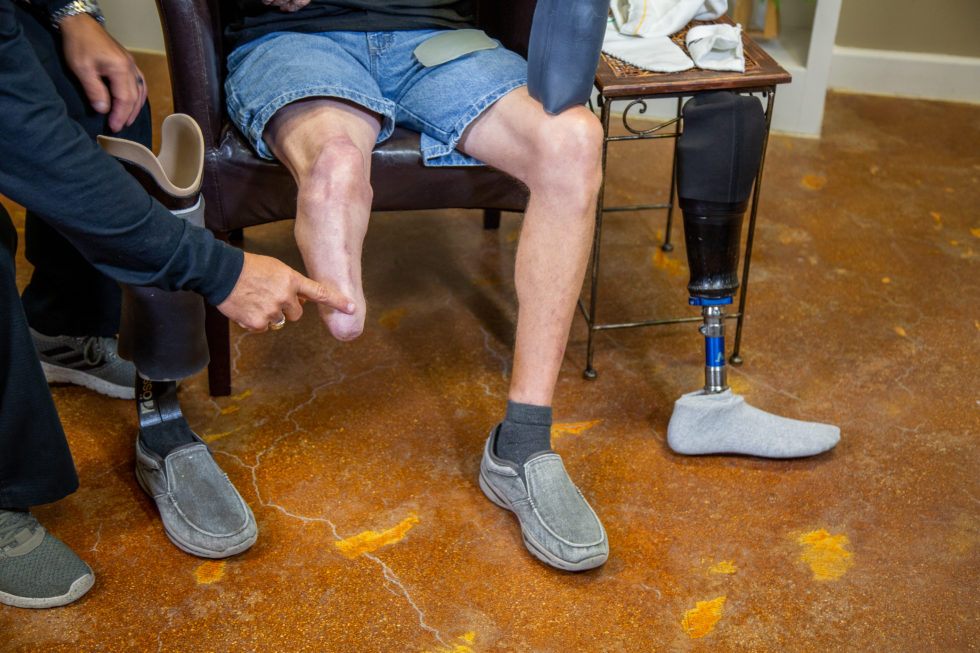
Type 2 diabetes often causes complications that can lead to lower limb amputation (Costa et al., 2020), and unfortunately, this is when George’s health took a turn for the worse. We went to a specialist after I got back from New York, who confirmed his left foot was broken and would probably never heal correctly, and recommended a below-the-knee amputation. George was devastated, but went through with it.

Afterward, he could still drive with his right foot, and he decided to buy a large SUV. I assisted him with getting in and out of the truck with his new wheelchair. However, we no longer slept together, because our bedroom was upstairs. He stayed on the couch for a few months until we got a hospital bed placed in the living room.

Losing Hope

Even though he was taking several prescribed high-dose narcotics, they didn’t have much effect in pill or patch form. Only medicines administered by IV quelled his suffering.

I always felt like I had to be strong, but I was at my wits end, suffering silently beside him. The last straw was when he developed gangrene on his genitalia, and it wasn’t curable. His pain intensified, and I advocated for him tirelessly by calling doctors, and researching information, but it was impossible to get pain management from any doctor in our city, so he suffered needlessly.

Multiple calls to his nephrologist and primary care doctor were never addressed, so I believed that palliative care was the only thing that would make him comfortable. In January 2018, I admitted him to hospice care, where he died a couple months later. I didn’t receive follow-up counseling afterward, but I met with my therapist a few more times until I moved out of state and back near my family to grieve.

Looking Back

The single most important thing missing from my experience that would have made things easier is access to support, which I describe in the following DECAF section.

I balanced parenting and school functions with spousal caregiving, administrative duties like tracking his medications, scheduling new appointments and conferring with health insurers, transporting my husband to multiple appointments, household responsibilities, and my full-time work as a technical writer with a Fortune 50 corporation. And I didn’t receive support from providers after his death, except for a newsletter from the hospice team every few months until a year passed.

I could have used an assistant for appointment scheduling and insurance coordination. A home health aide at flexible times to help with toileting and other ADL tasks.

Effects of In-Home Caregiving by Working Adults

During the pandemic, parents of school-aged children learned what it’s like to try balancing the role of teaching them while also managing their own work and household responsibilities. In-home caregiving was similar in my experience-–I had to juggle my work duties working from home with caring for my husband, and it wasn’t easy.

A study of the estimated 8.8 million employed family caregivers found that nearly 1 in 4 (23.3%) reported either absenteeism or presenteeism over a 1-month period due to caregiving (Fayete et al., 2023). Among those affected, caregiving reduced work productivity by one-third on average—or an estimated $5,600 per employee when annualized across all employed caregivers—primarily because of reduced performance while present at work. Productivity loss was higher among caregivers of older adults with significant care needs and varied according to sociodemographic characteristics and caregiver supports.

CareYaya Health Technologies’ data shows that caregivers spend an average of 15 to 20 hours per week on caregiving tasks. “It’s super hard to draw the line between when you’re working and when you’re caregiving when you’re WFH,” says CEO Neal K. Shah.

70% of caregivers worldwide are women, and their average age is 49,” says Cheryl Field, MSN, RN. “So if you think about the multiple roles that a 49-year-old woman is playing between their own children, their career, their parents, their partner and the biological changes that come with menopause, you can see that caregivers are in a particularly pressure-filled time of their life. Any means by which they can reduce some of these stressors is significant.”

Stress from Multitasking

Source: Position is Everything

Caregiving influences several dimensions of the caregiver’s life, such as physical (e.g., physical health deterioration), psychological (e.g., anxiety and traumatic stress), family (e.g., roles and routines) and social (e.g., leisure time and social life) (Costa et al., 2020). Caregivers under stress report high levels of depressive symptoms, anxiety, high use of psychotropic drugs, low satisfaction with life, several symptoms related to psychological stress, and low subjective health.

“In-home caregiving lends itself to both more and less stress for the caregivers,” notes Dr. Caryn McAllister of High Quality Therapy. “Caregivers who work from home can juggle responsibilities needed during the day with work, and flexibility with respect to hours can allow people to contact medical professionals, organize schedules, and ensure their loved one eats, goes to the bathroom and takes medicines on time. The extra stress can come when people don’t have the ability to transition between work and home life. People often find they can leave work at work when they go home, but caregivers who work from home just don’t get that break. Ever! It takes organization and discipline to make it work.”

Wil Thomas, Editor of the Senior Bulletin, mentions a reader named John who echoes these sentiments. John has a full-time job while taking care of his elderly mother. “It’s like having two full-time jobs,” he says. “I’m constantly juggling meetings and her medical appointments, and it’s exhausting.”

Field understands this, too. As a former chief product officer who had a senior living with her in a multigenerational setting. She highlighted that the impact of providing in-home care varies over the course of the patient’s illness. “When care needs can be anticipated and scheduled, and additional resources can be utilized to put a plan in place, the impact can be smaller. When care needs are unexpected or difficult to anticipate, the impact will be greater,” she says.

Black and white illustration of sleep tracking

“Consider that your interrupted sleep several times a week in the middle of the night over a chronic period of time begins to have an impact on your own rest and even the ability to fall asleep with anticipated anxiety of what’s to come through the night,” Fields continues. As care needs become more demanding on working adults, often you’ll see a rise in absenteeism for scheduled and unscheduled medical needs, and a decrease in resiliency on behalf of the employee. Chronic fatigue, fear, stress and anxiety all compound and can have an impact on the health of the working adult.”

Unfortunately, these stories aren’t unique. For adults who are caring for a loved one and also continuing to work in their career, taking on these responsibilities can be stressful and lead to burnout, Field says. 60% of caregivers are also employed, and many feel the job-related stress piling up. But working from home does make a big difference, providing flexibility that in-home caregivers need.

Impact of Diabetes on Patients and Chronic Care

50% to 75% of people with diabetes have a caregiver involved in their healthcare (Fields et al., 2022). These caregivers are often partners, spouses, adult children, or siblings.

Like many chronic conditions, diabetes requires complex medical management that often requires following regimented eating plans, monitoring sugar levels, organizing daily medications, and coordinating medical care. The sicker George became, the more of these responsibilities fell on me.

Source: eClinicalWorks

The chronic care model is a multidimensional solution to the complex problem of providing care to patients with chronic health problems. The theory of this model says that a significant part of chronic care takes place outside of formal healthcare facilities (Katsarou et al., 2023).

It also states that six elements are central to initiatives to improve chronic care: community resources, healthcare system, patient self-management, decision support, service delivery system redesign, and clinical information systems. Interventions that include at least one of these elements are associated with improved outcomes for people with asthma, diabetes, heart failure, and depression. However, only patients with heart failure and depression had improved quality of life (Katsarou et al., 2023).

Flexible scheduling

Female doctor waving to female patient on Zoom

Caregiving would have been impossible if I couldn’t work from home. George had 10 doctors, and that translated to roughly 3 days a week with at least one appointment. At that point, I had worked for my company for almost 20 years, which gave me unlimited sick time and lots of vacation time. I took my work laptop with me to doctor appointments, rearranged meetings, and still made time for my daughter’s activities.

Working from home gave me flexibility in managing caregiving tasks and professional responsibilities, including the ability to respond to his needs promptly, compared to me working in an office setting, or George being in a facility where staff are spread across multiple patients.

Another of Thomas’ readers, Jane, works remotely and looks after her father, who has Alzheimer’s. “Working from home has been a lifesaver,” she says. “I can attend to my dad’s needs throughout the day without compromising my work. It’s still challenging, but having that flexibility makes a huge difference.”

While working from home offers more flexibility to manage caregiving tasks, it can also blur the lines between work and caregiving responsibilities. “Many caregivers report feeling constantly “on-call,” which can lead to burnout, and that burnout affects over 33% of family caregivers who are working from home, compared to 20% who work in the office,” Shah reports.

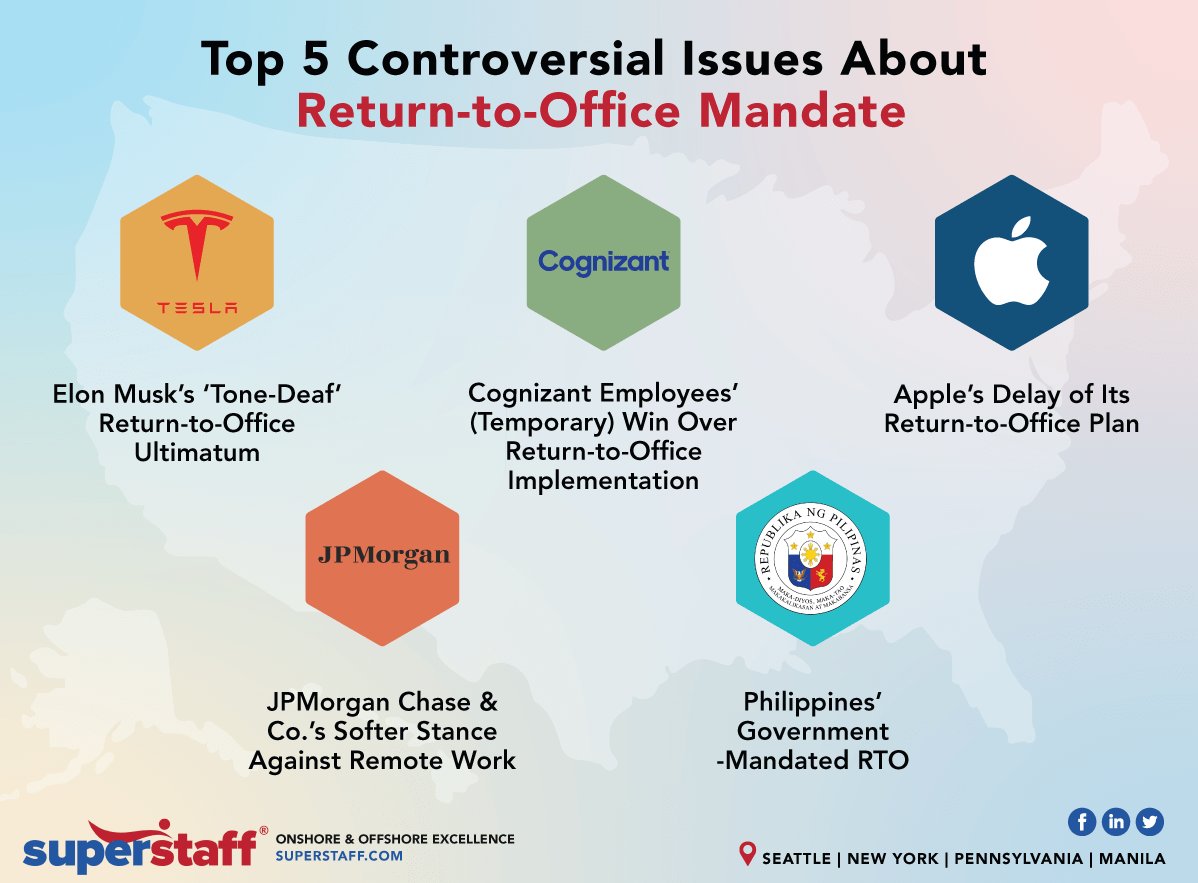
Indeed, flexible work arrangements such as telecommuting, job-sharing, and flexible hours can help caregivers manage their time more effectively. However, since the pandemic ended, return-to-office mandates have flourished with employers who want to manage employees in person and/or fill their empty office spaces. 90% of companies plan to implement return-to-office policies by the end of 2024, according to a report from Resume Builder. Nearly 30% say their company will threaten to fire employees who don’t comply with in-office requirements.
Source: SuperStaff

But for employees who can work remotely, several caregiver pressures can be relieved. Removing the commute and a strict start or end time of an office job gives the remote employee flexibility. Fields gives some of examples:

“On mornings where there’s been a difficult night, an extra hour of sleep can make a world of difference on how the employee feels and functions that day. Being able to work from home may also make it possible to leverage telehealth appointments instead of having to physically travel to doctor’s appointments. Caregivers also have the ability to provide distant supervision and mealtime support for a loved one while working from home and don’t need to have as many outside resources coming into the home to provide that supervision or ensure meals are delivered and consumed. These small benefits relieve a lot of microstress.”

Caregiver Needs Analyzed with DECAF

A study at the University of West Attica in Greece investigated the needs of caregivers of patients suffering from CKD, stroke, cancer, dementia and multiple sclerosis (Katsarou et al., 2023). 89% of these caregivers were relatives, 50% were between 20 and 50 years old, and 19% were spouses. Researchers found themes among caregiver needs:

Woman making a point in a group meeting
  • Caregiver training
  • Help with nursing home care and physical therapy
  • Help with financial burden from health services
  • Lack of reliable transport
  • Psychological support, including delivery via digital media and mobile devices
  • Social support groups
  • Navigating complex medical insurance

I agree with all of these points. To break it down a bit more, I’m using the DECAF framework (Fields et al., 2022), which was developed to raise awareness about caregiver responsibilities in care planning and execution during the hospital-to-home transition. Here’s how DECAF played out in my caregiving experience.

Direct Care Provision

Direct Care Provision refers to hands-on support with activities of daily living (ADLs) such as getting dressed, food preparation, toileting and physical activities, and taking the patient to healthcare appointments. It also includes nursing tasks like wound care and medication management. I was a certified nursing assistant in the 90s, and a home health aide in the 2000’s, both of which prepared me for my experience with George.

Emotional Support

Emotional Support is the empathy and compassion for the patient and caregiver.

I had no close friends nearby, and George’s family was local, but most of them were more hands-off. So as his condition took more and more of a toll on my mental health, I sought out family members, a therapist, and church groups for support and stress relief.

Social support can diminish the impact of the emotional burden and stress of care by providing solutions to problems, distractions from issues or facilitating the required healthy behaviors (Ibrahim et al., 2022). Caregivers who seek social support from family and friends experience a lesser burden of care than caregivers without solid support networks.

Seeking social support is the dominant coping mechanism for caregivers of patients undergoing renal replacement therapy (Ibrahim et al., 2022). Caregivers of chronic patients are four times more likely to be diagnosed with depression and three times more likely to seek help for anxiety issues than individuals who are not caregivers.

Being an in-home caregiver is lonely, and I lacked self-care. I’ve been working from home since 2005 so I was used to being alone, but caregiving for your spouse is a different kind of loneliness. I was losing my husband slowly as his condition got worse, and I needed social support. I mostly relied on my family (long-distance phone calls) and a local church group. In less than a year, I shifted from being a newlywed with an independent husband to a caregiver. My marital needs were not met, as George lost sexual function early on. This also caused strain on our relationship.

I’m not alone. A study on psychological health from Savitribai Phule Pune University in India confirms that dysfunctions caused by chronic illnesses aren’t limited to the patient, but affect the partner, and the couple’s dynamic, making a considerable impact on the satisfaction levels in the relationship (Umrigar and Mhaske, 2022). Behavioral and personality changes in the patient can overpower emotional bonds between the caregiver and the patient as well. The greater the negative effect, the greater the frequency of depression, anxiety, and somatization in the caregiver.

This study polled women caregivers about their male spouses with chronic conditions of cancer, coronary heart disease, and diabetes. They found clinically significant marital and sexual dissatisfaction. Since marital satisfaction and sexual satisfaction are closely linked, a decrease in one tends to have a serious impact on the other, and consequently, on the overall quality of life.

Care Coordination

Care Coordination involves initiating, managing and maintaining healthcare services and support. Managing diabetes successfully requires significant care organization and coordination of multiple types of interactions with the healthcare system. Participants in a study at the University of Wisconsin-Madison (Fields et al., 2022) frequently recognized caregiver roles in care organization, such as helping with tracking and scheduling appointments, taking notes before and during healthcare visits, and making lists of current medications.

I can concur. I took George to his appointments, acting as an administrative assistant and advocate. It was up to me to take notes, ask for what he needed, and verify or dispel inconsistent information (test results, guidance, data, etc.) between different doctors. I had a spreadsheet that the nurses loved, because it listed all the pertinent information about his medication names, amounts, prescribing doctor, reasons for taking them, etc.

Patient Advocacy

Advocacy is about empowering individuals to obtain resources. In the same Wisconsin study, several participants described experiences where the caregiver advocated on behalf of the patient when experiencing serious health complications linked to diabetes.

I was no different. As the months went on, George’s depression intensified into hopelessness and an “I don’t care anymore” attitude. So in addition to caregiving, I was also a fierce advocate for his mental health, trying to find resources to alleviate his chronic pain and help him feel more comfortable.


Financial Support

Financial support refers to help with planning and using financial resources. With rising home and institutional care costs and formal caregiver shortages, 66% of caregivers use their retirement and savings funds to pay for care (Genworth).
Source: Grants for Medical


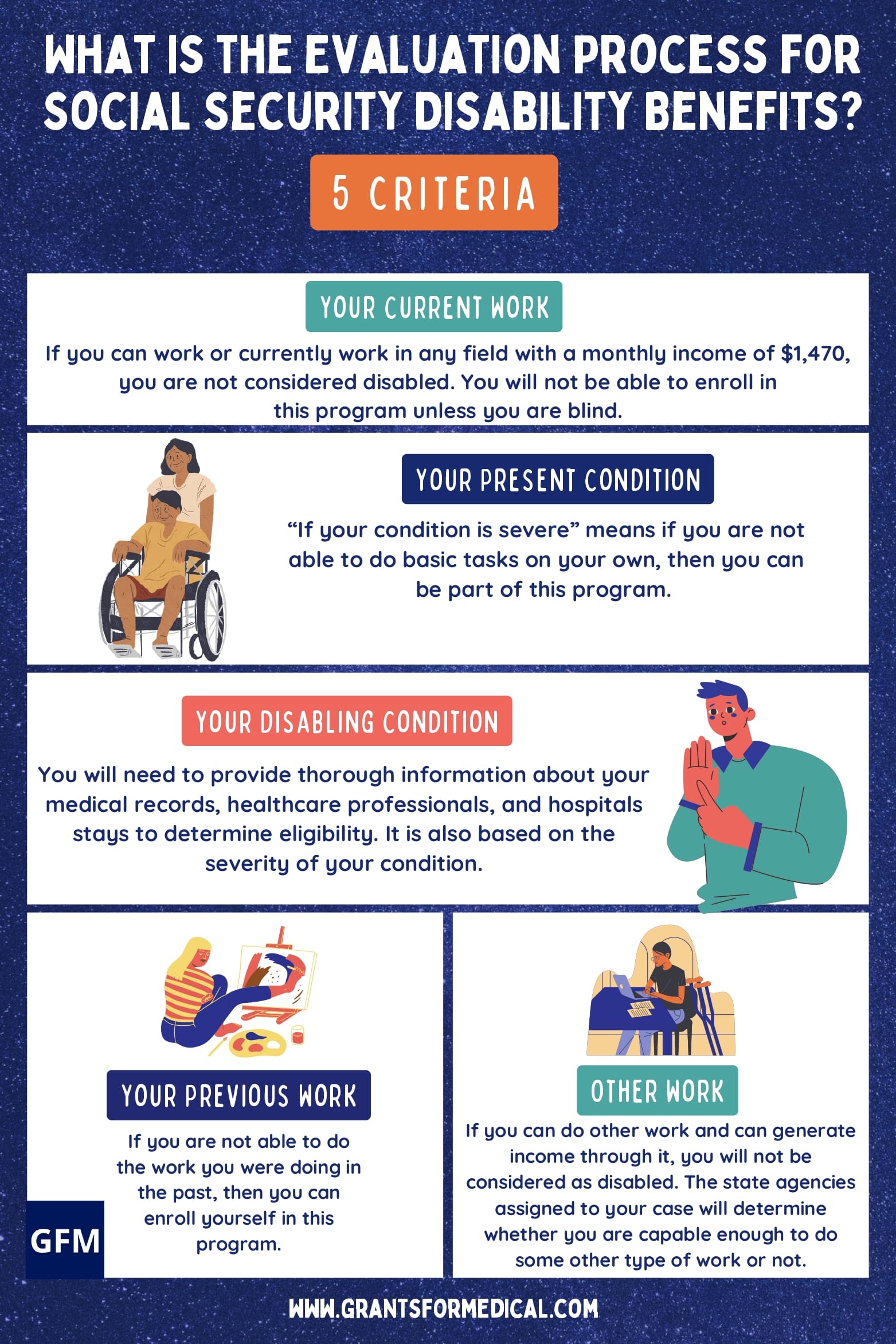
Applying for Social Security disability payments was a huge challenge. One of the questions that caused a denial related to his unemployment status. He explained that his medications made him fall asleep intermittently and randomly, so he couldn’t work. They blamed his medication and denied his application two more times before he was finally approved. He then started receiving payments of about $700 per month.

George had no life insurance, and I didn’t receive any direct financial support until his last week of life. I wrote Facebook posts about his status while he was in hospice care, and many of my friends sent funds via PayPal and Cashapp to help me pay for the funeral.

Navigating Healthcare Systems and Insurance Complexities

Medicare card and Rx closeup

Caregiving at home often leads to substantial financial strain due to the cost of medical supplies, home health aides, and necessary modifications to the home. Not to mention the daunting task of navigating health insurance complexities, from finding in-network healthcare providers, care coordination, and working with billing offices regarding Medicare and Medicaid.

Finding In-Network Medical Providers

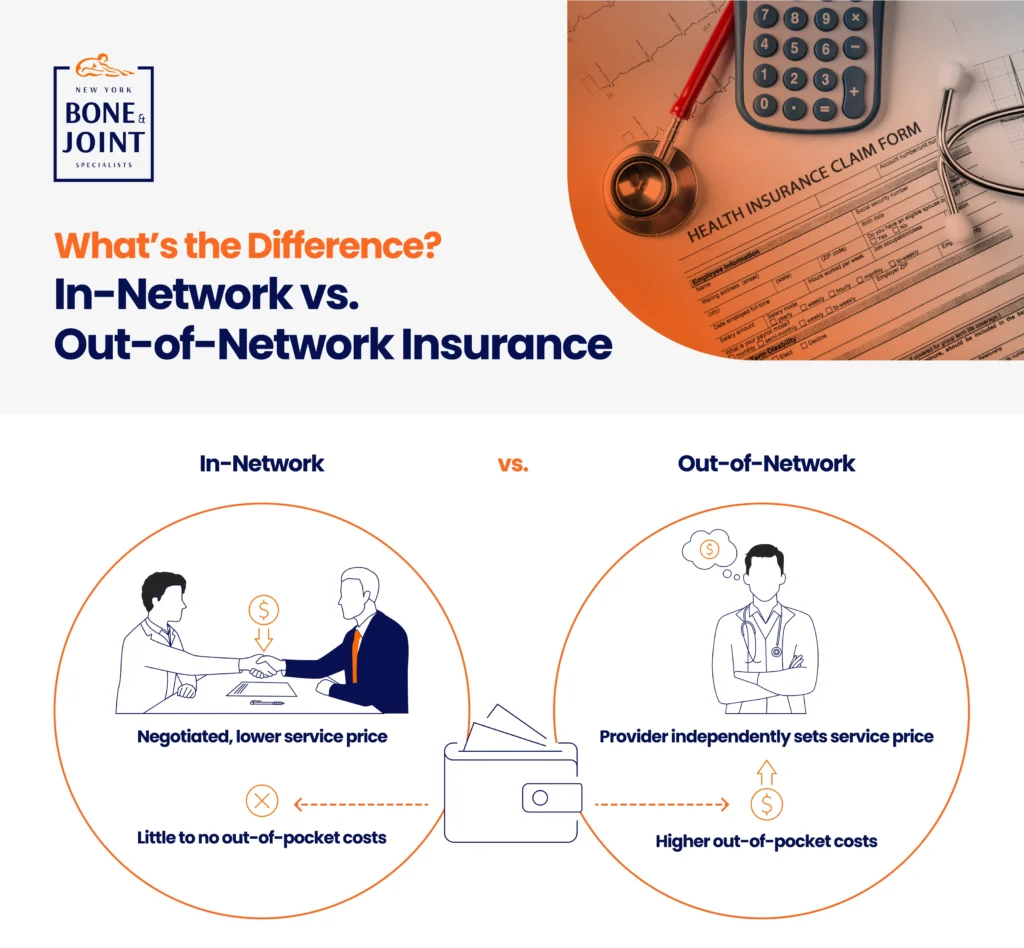
Another huge barrier for caregivers and patients alike is finding healthcare providers within their insurance network—especially specialists like those George needed. According to a Kaiser Family Foundation study, 29% of people struggle to find new providers within their network. Providers change the insurers they participate with frequently, and the onus is on the caregiver or patient to figure out how much of their bill will be covered in any given scenario.
Source: New York Bone & Joint Specialists

I’ve had to seek therapy before I met George, not just during his illness. No matter what, it’s difficult to find an available, local provider. Once I found a therapist, we started off going to see her together, but eventually he stopped.

Thomas recommends using online directories, insurance company tools and telehealth services to find these providers. And Dr. McAllister mentions an advanced step I’d never heard of before: “If you can’t find an in-network provider for your loved one, you can obtain a single case agreement, where your company will recognize the out-of-network provider as if they were in-network.”

Decoding the Difference Between Primary and Secondary Payer Insurance

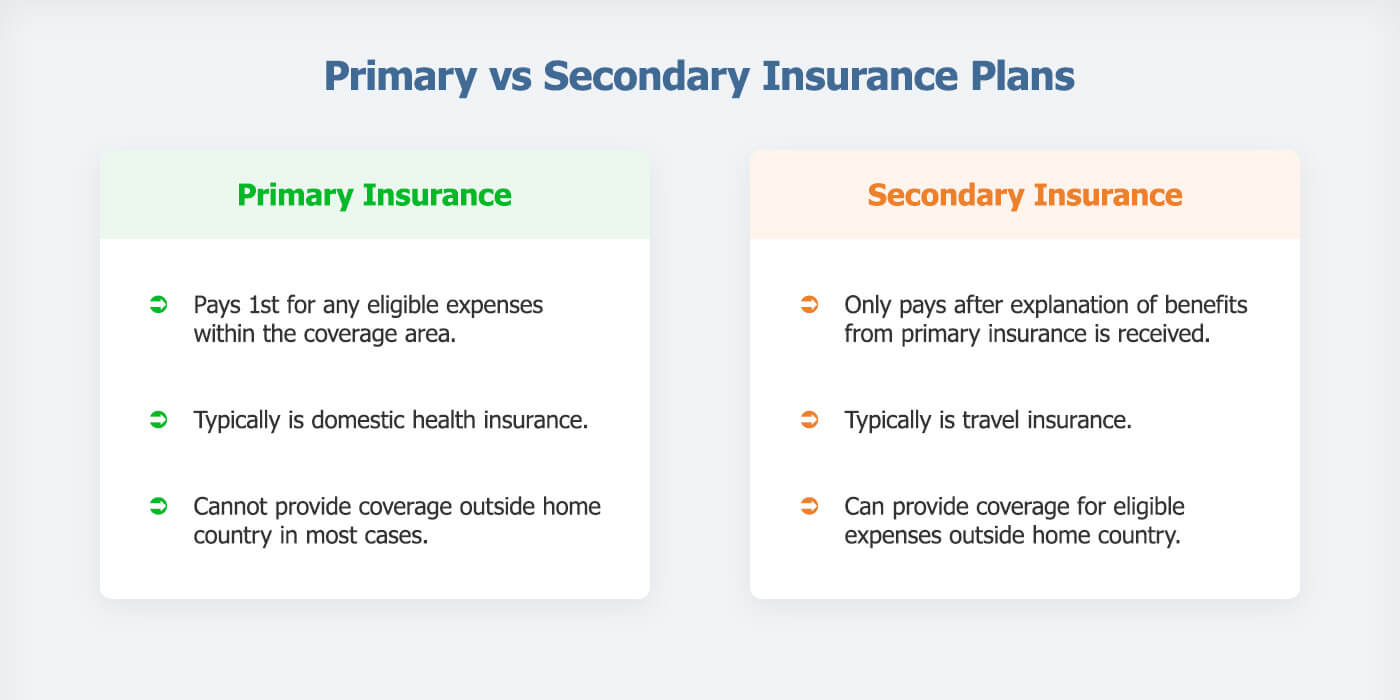
One recurring source of frustration for me was dealing with multiple billing departments about George’s insurance. The health insurance from my employer was primary, and Medicare was secondary. I made this clear for each medical provider (remember, he had 10 doctors). However, each billing department would call me to confirm multiple times based on how his claims were processed.
Source: Drive Safe Insure

The coordination of benefits between private insurance and Medicare/Medicaid is something Shawn Plummer, CEO of The Annuity Expert educates his customers about. For example, he explains that determining the primary and secondary payers can help maximize coverage and minimize out-of-pocket expenses. Additionally, exploring supplemental insurance options can fill gaps not covered by primary insurance plans.

Healthcare providers have their struggles working with health insurance companies as well. Take for example Dr. McAllister’s practice, which is in-network with Medicare and out-of-network with all private insurance companies.

“As a provider, it’s so difficult to deal with insurance, although Medicare is very straightforward and easy to work with if you abide by their rules,” she says. “If you understand that private insurance companies try to maximize profit by denying coverage, and go into the process knowing how to advocate, you won’t feel as frustrated.

Source:: Geeks for Geeks

“To add to the confusion, when people have Managed Medicare, the medicare rules apply but the private insurance manages Medicare. “I often suggest sticking to straight Medicare, not Managed Medicare, because standard Medicare tends to treat providers more fairly. Many providers won’t accept Managed Medicare because of the low reimbursement rates and bureaucracy associated with private insurance companies.”

Bert Hofhuis of Sovereign Boss in the UK says that many insurance plans, including Medicare and private insurance, have limitations on what they cover for in-home care. “For example, Medicare may cover some home health services but often does not cover custodial care.”

Dr. McAllister, Hofhuis, and Plummer shared more tips to navigate complex insurance issues:

Source: Investors
  • Understand the specifics of health insurance policies: Ask questions about things you don’t understand, and “seek plans that cover in-home care services, medical supplies, and home modifications to be prepared,” says Hofhuis. “It’s essential to review policy details and consider supplemental insurance to cover gaps.”
  • Take notes: “When dealing with insurance representatives on the phone, always write down the name of the person you speak with, information regarding the call and a reference for the call. Write everything down and email as much as possible so you have proof of everything,” Dr. Allister says.
  • Use HSAs and FSAs: When available, Plummer and Hofhuis recommend usingHSAs and Flexible Savings Accounts (FSAs), which can provide tax-advantaged funds that can be used for medical expenses, including caregiving costs.
  • Plan for long-term care: Consider purchasing long-term care insurance early to cover potential future caregiving needs.
  • Keep records for tax purposes: Keep detailed records of caregiving expenses, as some may be tax-deductible, potentially easing your financial burden, Plummer and Hofhuis concur.

Denise M. Brown, is Founder and CEO of The Caregiving Years Training Academy, a family caregiving agency that coordinates care across multiple systems. She shares that Medicare Part B reimburses for Caregiver Training, Community Health Integration Services and Principal Navigation Services. Family caregivers can receive these services on behalf of a Medicare beneficiary if that beneficiary cannot participate in care planning because of their illness.

“The interplay between private insurance and Medicare/Medicaid is a common source of confusion,” Shah says. “More educational resources are desperately needed to help caregivers understand these complexities, including decision trees to determine primary and secondary payers.”

Effective Care Coordination Between Health Systems

Getting Access to Supplies and Services

The healthcare system is disconnected and siloed. The complications that come with coordinating care getting medical supplies can be a hassle for caregivers. It requires time, energy, patience and diligence. I remember having to take note of each and every resource to get various supplies, whether it was for dialysis, a wheelchair, or even gauze strips.

According to AARP, nearly 75% of caregivers manage medications and medical tasks. Thomas’ reader Sarah went through a nightmare trying to get the right wheelchair for her husband. “We had to go through so much paperwork and phone calls with the insurance company,” she said.

Shah understands these frustrations. “Partnerships between tech and medical supply companies to streamline this process for caregivers would be super helpful,” he says.

Brown was also a caregiver, and shares her perspective as a provider: “We do our scheduling based on the provider’s schedule, which means working around our own work schedule. We may need to be with our patients when the nurse or home health aide comes. Because of staffing shortages, we often take the schedule that’s given even when the schedule completely derails our day.”

Improving Systems and Patient Satisfaction

Brown says that healthcare professionals can help caregivers and agencies alike by obtaining doctor orders and making effective referrals. “It’s frustrating to have to repeatedly call the doctor’s office to get an order for home health services and durable medical equipment,.” she says.

Source: Printablee

“It’s also important that the healthcare professionals know which providers have staff available. For instance, my dad received home health services with a visiting nurse. When I also asked for a home health aide, the nurse was upfront that there just wasn’t the staff available for home health aide to visit. We could work around that because my sister and I provided my dad’s personal care. Others may not have the luxury, so it’s important to know the reality of what we can expect.

Another thing to consider is the emotional effect on the patient when a provider or aide is no longer available.

For example, there was a week when neither Brown nor her sister would be available on a Friday to care for their dad. “I was waiting to hear if my dad’s home health provider could continue providing services for my dad. I waited to reconfigure my work day on Friday if I needed to provide care. I later heard back from the home health agency that benefits would continue. My dad was worried about benefits ending in part because he had formed a wonderful friendship with his nurse, and he loves her. But the system doesn’t take into account the emotional impact when services end. We miss the care, and we often also miss the care provider.”

Source: EDUCBA

Naama Stauber Breckler, Co-founder of Better Health, is trying to improve accessibility and convenience for people with chronic conditions and dependent on different medical devices and supplies. “Patients need the ability to easily discover and order medical supplies online and get an easy explanation of their insurance benefits, how to maximize them, and how to find the best products,” she says.

Dr. McAllister recommends contacting the insurance company to see what exactly is allowed (HHA, PT, OT, SLP and RN services). “Companies may try to give you less than your family needs, but your insurance company will help you understand what your rights are. Many home health companies are short-staffed, but if you know what you can get for your family member, you will be able to advocate for the best,” she says.

Addressing Caregiver Challenges with Care at Home

Some of the ways to address in-home caregiver challenges include care-at-home and Hospital-at Home programs, using RPM, employer-provided benefits and flexible work arrangements, and better health plan coverage.

The Rise of Hospital-at-Home Programs
Source: Rainbow Health

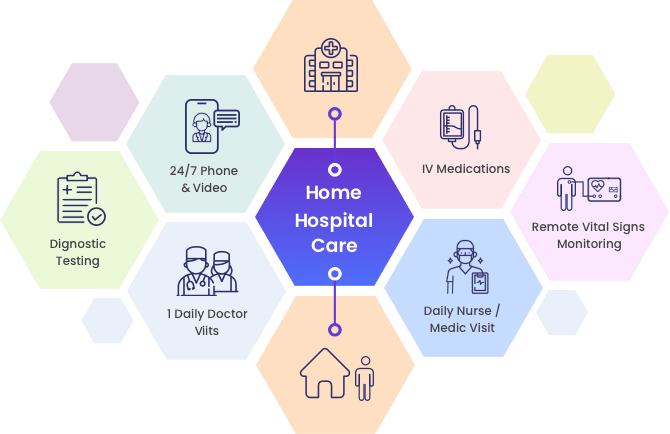
Care-at-home programs are integrated clinical programs created to deliver healthcare services that have either been traditionally provided within healthcare facilities or represent new care models for chronic disease management.

These programs typically combine remote insight into biometric data or symptoms via connected devices for remote patient monitoring (RPM) and communication with clinicians through telehealth modalities. Many care-at-home programs include
in-home services such as durable medical equipment (DME), meal delivery, technical support, and therapeutics.

66% of hospitals and health systems currently offer patients a care-at-home service. Early care-at-home programs were primarily targeted at ad hoc or episodic care, often only relying on a telehealth visit. But the growing maturity of these models and the confidence of the clinical and operational leaders make it increasingly viable to treat chronically and acutely ill patients at home. The differences between these program types include the amount and type of RPM, the in-home services included, and the staffing required to operate the program.

Providing remote care at home can reduce the need for hospital admissions/early discharge, freeing up valuable hospital resources and beds and leaving patients and their families feeling supported in their own homes.

Remote Monitoring for Patients with Chronic Conditions

Black woman gold top showing phone with glucose meter on arm

George’s endocrinologist recommended that he use a Dexcom device to track his blood sugar. This remote monitoring device was great for me because no matter where I was or what time it was, the Dexcom app sent my phone a notification whenever his sugar was too high or too low. It was especially helpful when I attended a conference 6 hours from home, but got his alerts throughout the day and night. His family stayed with him when I was gone, but I got the alerts.

“Remote monitoring technologies have been game-changers for caregivers managing chronic conditions,” Shah says. “… allowing caregivers and clinicians to monitor vital signs and symptoms remotely, providing peace of mind and enabling more proactive care.”

The Current Health platform helps hospitals and clinics provide healthcare services to patients in their homes. Patients can use this platform for various health conditions, including COVID-19, heart problems, pregnancy care, and cancer.

Current Health conducted a survey in 2024 that shows caregiver interest in using health technology for their loved ones:

  • Fall detection systems – 80%
  • Voice-controlled assistive technology – 77%
  • Telehealth apps – 70%
  • Smart monitors – 70%

Survey respondents were confident that remote monitoring helps clinicians better understand the patient’s daily health.

Woman with patch on her arm

Technology is essential to care-at-home programs, but the industry must embrace technology for these programs to be successful. According to another survey by Current Health and Sage Growth Partners, 51% of health system leaders cited patient engagement and adherence as a top challenge, with the most critical support service needs of clinical monitoring (54%), logistics (53%), and technical support (48%). In addition, interoperability between your care-at-home platform and the patient’s employee health record (EHR) is critical for reducing duplicative work for providers and ensuring you have a holistic view of the patient during and after their care-at-home experience.

RPM makes healthcare more accessible, as patients are monitored in their homes. Facing challenges such as high care costs, reduced revenue, and limited capacity, care at home is a cost-effective site of care that can provide better patient outcomes and satisfaction.

Employer Support

Employers can help by providing flexible work arrangements, paid leave, and Employee Assistance Programs (EAPs) that offer counseling, legal help, financial advice, and referrals to eldercare services.

Source: Academy to Innovate HR (AIHR)

In-home caregiving can significantly impact an employee’s ability to manage their work responsibilities. Logan Mallory, VP of Marketing at Motivosity offers flexible work arrangements, like reduced or flexible work hours, to help alleviate the stress of balancing caregiving and work duties. This flexibility allows employees to be present for their loved ones while still fulfilling their work commitments.

Motivosity also offers their employees unlimited paid time off (PTO), health savings accounts (HSAs), and comprehensive health insurance to support our caregiving employees, each of which benefits the employees who are also caregivers in specific ways:

  • Unlimited PTO ensures that employees can take the necessary time off without worrying about exhausting their leave.
  • HSAs help cover the costs of medical supplies and services, providing financial relief.
  • Health insurance plans that cover a wide range of services, including in-home care, which helps employees manage caregiving expenses more effectively. They also provide access to counseling services, stress management resources, mental health apps and gym access.

“While we can only do so much, employers should strive to provide as much support as possible to caregiving employees,” Mallory says. “By offering flexible solutions and understanding their unique challenges, we can help them manage their responsibilities more effectively.”

Health Plan Changes Needed

Insurance Coverage Gaps

Source: Jackson Insurance Brokers

In the U.S., patients and their caregivers could benefit from closing the following health insurance coverage gaps in their health plans:

  1. Long-Term Services and Supports (LTSS): According to the HHS, 70% of people over 65 will require some type of LTSS, which is not covered under Medicare or most private health insurance plans.
  2. Home and Community-Based Services (HCBS): There’s currently limited coverage for services that help with ADLs and care at home.
  3. Caregiver Support Services: Lack of comprehensive coverage for services that directly support family caregivers, such as respite care, training, and counseling in some states.
  4. Non-Expansion States: In states that have not expanded Medicaid, many low-income adults fall into a coverage gap, being ineligible for both Medicaid and Marketplace subsidies (Drake, et al., 2024).
  5. Insufficient Coverage for Working Caregivers: Many caregivers struggle to maintain full-time employment and may lose employer-sponsored health insurance (Tingey et al., 2020).

10 Ways Health Plan Changes Can Support Caregivers

Source: Ramsey Solutions
  1. Expand Medicaid Coverage: Adopting Medicaid expansion in all states could provide coverage to approximately 2.9 million uninsured adults, including many caregivers (Drake et al., 2024).
  2. Integrate Caregiver Support: Incorporate caregiver support services into existing health care delivery models and value-based care programs.
  3. Implement Paid Family Caregiving Models: Develop programs that compensate family caregivers for their services, similar to Colorado’s program.
  4. Enhance LTSS and HCBS Coverage: Expand coverage for these services under Medicare, Medicaid, and private insurance plans to reduce out-of-pocket costs for families.
  5. Improve Remote Care Options: Expand coverage and availability of remote patient monitoring and telehealth services to support both patients and caregivers. Hospital-at-Home programs should be a mainstay in health plan coverage. These programs are customer-centric, result in lower hospital readmission rates, increase hospital capacity, and reduce issues with resource allocation among clinical staff.
  6. Develop Caregiver-Specific Insurance Products: Create insurance plans or supplemental coverage options designed to meet the unique needs of caregivers.
  7. Enhance Workplace Policies: Encourage employers to offer flexible work arrangements and maintain health insurance coverage for employees who are caregivers (Tingey et al., 2020).
  8. Improve Caregiver Identification and Assessment: Implement systematic processes in healthcare settings to identify, assess, and support caregivers.
  9. 9. Include Caregiver Metrics in Quality Measures: Incorporate caregiver experiences and outcomes into healthcare quality measurements to incentivize better support.
  10. Prepare Healthcare Professionals: Enhance training for healthcare providers on person- and family-centered care to better support caregivers. Psychoeducational information (e.g., treatment, lifestyle, etc.) and healthcare (e.g., emotional support, practical services, etc.) were the most common unmet need domains across health conditions (Thomas et al, 2023). Addressing unmet informational or healthcare needs may help optimize outcomes and care for children and families living with common chronic health conditions.

By addressing these gaps and implementing these improvements, the U.S. healthcare system could significantly enhance support for both caregivers and patients by reducing the financial and emotional burden on families while improving overall care outcomes.

Supporting Caregivers and Their Families

Source: Caryfi

As we’ve explored throughout this article, home care programs and RPM offer transformative benefits for both patients and caregivers. These solutions provide enhanced flexibility, improved care coordination, crucial support for managing chronic conditions and reducing caregiver burden. Expanding health plan coverage for these programs is not just beneficial, but necessary.

Hospital-at-Home (HaH) programs, in particular, represent a cost-effective, patient-centered approach that deserves widespread adoption. Every health institution could likely benefit from such a program to increase the capacity of their facility, enhance customer-centricity and patient satisfaction, and promote better patient outcomes. It’s the way of the future, and the way patients want to receive care. So we call on healthcare providers and health plans to prioritize the inclusion of care-at-home programs in their coverage.

By supporting caregivers and improving patient outcomes, we can create a more efficient, compassionate healthcare system. This requires a collaborative effort from healthcare providers, insurers, policymakers, and technology innovators to truly enhance the caregiving experience and, ultimately, the quality of life for both patients and their dedicated caregivers.


References

Carter, K., Blakely, C., Zuk, J., Brittan, M., & Foster,C. Employing Family Caregivers: An Innovative Health Care Model. Pediatrics. 2022; 149(6), 1-4. doi.org/10.1542/peds.2021-054273

“Compensation For Caregiving.” Colorado Respite Coalition, https://coloradorespitecoalition.org/family-caregivers/compensation-for-caregiving.php. Accessed 2 July 2024.

Costa, S., Ferreira, J., Leite, Â., & Pereira, M. G. (2021). Traumatic stress as a mediator of quality of life and burden in informal caregivers of amputees due to diabetic foot: a longitudinal study. Health Psychology Report, 9(4), 339, 345. https://doi.org/10.5114/hpr.2020.101495

Drake, P., Tolbert, J., Rudowitz, R, & Damico, A. “How Many Uninsured Are in the Coverage Gap and How Many Could be Eligible if All States Adopted the Medicaid Expansion?” KFF, 26 Feb. 2024, https://www.kff.org/medicaid/issue-brief/how-many-uninsured-are-in-the-coverage-gap-and-how-many-could-be-eligible-if-all-states-adopted-the-medicaid-expansion. Accessed 2 July 2024.

Fakeye, M.B.K., Samuel, L.J., Drabo, E.F., Bandeen-Roche, K., & Wolff, J.L. Caregiving-Related Work Productivity Loss Among Employed Family and Other Unpaid Caregivers of Older Adults. Value in Health. 2023;26(5):712. https://doi.org/10.1016/j.jval.2022.06.014

Favreault, M., Dey, J., Anderson, L., Lamont, H., & Marton, W. “Future Change in Caregiving Networks: How Family Caregivers and Direct Care Workers Support Older Adults Now and in the Future.” Assistant Secretary for Planning and Evaluation, 2 Aug, 2023, https://aspe.hhs.gov/sites/default/files/documents/a449863a8c93838d37f78ccf29e9231f/future-change-caregiving-networks.pdf. Accessed 2 July 2024.

Fields B., Makaroun L., Rodriguez K.L., Robinson C., Forman J., & Rosland A-M. Caregiver role development in chronic disease: A qualitative study of informal caregiving for veterans with diabetes. Chronic Illness. 2022;18(1):193, 196. doi:10.1177/1742395320949633

“How Caregiving Impacts Families, Communities and Society.” Genworth, 27 Oct. 2021, https://pro.genworth.com/riiproweb/productinfo/pdf/682801BRO.pdf. Accessed 2 July 2024.

Ibrahim N., Chu S., Siau C., Amit N., Ismail R., Halim A., & Gafor, A. The effects of psychosocial and economic factors on the quality of life of patients with end-­stage renal disease and their caregivers in Klang Valley, Malaysia: protocol for a mixed-­methods study. BMJ Open. 2022;12(6):1-2. doi:10.1136/bmjopen-2021-059305

Katsarou, A., Intas, G., & Pierrakos, G. Investigating the Needs of Caregivers of Patients Suffering from Chronic Diseases: A Mixed-Method Study. Indian Journal of Palliative Care. 2023; 29(3), 285-286. https://doi.org/10.25259/IJPC_179_2022

Khurana, Sanjay. “Caregiver Support | Gaps, Opportunities and Emerging Models in Healthcare.” Linkedin, 19 Oct. 2023, https://www.linkedin.com/pulse/caregiver-support-gaps-opportunities-emerging-models-sanjay-khurana. Accessed 2 July 2024.

Smith, Morgan. “90% of companies say they’ll return to the office by the end of 2024—but the 5-day commute is ‘dead,’ experts say.” CNBC, 11 Sept. 2023, https://www.cnbc.com/2023/09/11/90percent-of-companies-say-theyll-return-to-the-office-by-the-end-of-2024.html. Accessed 26 June 2024.

Thomas S., Ryan N.P., Byrne L.K., Hendrieckx C., White V. Unmet supportive care needs of families of children with chronic illness: A systematic review. Journal of Clinical Nursing. 2023; 32(19-20): 7101. https://doi.org/10.1111/jocn.16806

Tingey, J.L., Lum, J. Morean, W., Franklin, R., & Bentley, J.A. Healthcare Coverage and Utilization Among Caregivers in the United States: Findings From the 2015 Behavioral Risk Factor Surveillance System. Rehabilitation Psychology. 2020; 65(1), 63-71. http://dx.doi.org/10.1037/rep0000307

Umrigar D, Mhaske R. Psychological Health of Wives’ of Patients with Chronic Illnesses. Journal of Psychological Research. 2022;4(1):1-2. doi:10.30564/jpr.v4i1.3879

Caregiver Guilt: Finding Compassion and Peace of Mind

Caregiver Guilt: Finding Compassion and Peace of Mind

Caregiving

Imagine Sarah, who works full-time while caring for her aging mother. Every moment not spent caregiving feels like a personal failure. Every compromise, every exhausted sigh, triggers a wave of guilt that threatens to overwhelm her sense of self-worth. Her story is not unique – it’s a shared experience for countless caregivers struggling to balance compassion with personal limitations, resulting in caregiver guilt.

Caregiver guilt is a silent burden that weighs heavily on millions who support family members through illness, aging, and/or disability. Many caregivers experience significant emotional distress, with guilt emerging as a particularly challenging emotion. These emotions are common, but they don’t have to define your caregiving journey.

Contents

The Origins and Impact of Caregiver Guilt

What is caregiver guilt?

Caregiver guilt is an emotional response that many caregivers experience when they feel they’re not doing enough for their loved ones or when they prioritize their own needs. It’s a complex emotion that can stem from various sources and manifest in different ways. According to a 2023 survey by AARP, 50% of caregivers reported that caregiving increased their level of emotional stress.

Caregiver guilt can be both productive and destructive. Productive guilt can motivate you to provide better care, while destructive guilt can lead to burnout and negatively impact your mental health.

Common triggers for caregiver guilt include:

  • Taking time for yourself
  • Feeling frustrated or angry with your care recipient
  • Considering professional care options
  • Not being able to do everything perfectly

Psychological roots of caregiver emotions

The emotions caregivers experience, including guilt, are deeply rooted in personal and family dynamics. Your upbringing, cultural background and individual values all shape your emotional responses to caregiving.

For instance, in some cultures, there’s a strong expectation that adult children will care for their aging parents. This societal pressure can intensify feelings of guilt when caregivers struggle to meet these expectations.

The emotional toll of guilt

Nurse in hallway looking worried

Caregiver guilt can have significant mental health implications. Chronic guilt can lead to:

  • Depression and anxiety
  • Increased stress levels
  • Lowered self-esteem
  • Difficulty in decision-making

The physical manifestations of this emotional burden can include:

  • Sleep disturbances
  • Weakened immune system
  • Chronic fatigue
  • Headaches and muscle tension

How to Manage Caregiver Guilt

Managing guilt isn’t just about quick fixes—it’s about creating a lasting, healthy approach to caregiving.

Change your perspective

Caregiving is a choice. Reframe your thinking to see it as a privilege, not a burden to endure.

Self-compassion and emotional healing

Woman and granddaughter looking at pictures on phone

Practicing self-compassion is crucial in managing caregiver guilt. Here are some strategies to cultivate self-compassion:

  • Develop mindfulness techniques: Mindfulness can help you become more aware of your thoughts and emotions without judgment. Try setting aside 5-10 minutes each day for mindfulness meditation.
  • Learn positive self-talk strategies: Replace self-critical thoughts with more supportive ones. For example, instead of “I’m not doing enough,” try “I’m doing the best I can with the resources I have.”
  • Create personalized emotional support systems: Identify people you can turn to when you’re feeling overwhelmed. This could be friends, family members, or a support group for caregivers.
  • Practice forgiveness and self-understanding: Recognize that making mistakes is part of being human. Treat yourself with the same kindness you would offer a friend in a similar situation.

Set realistic boundaries

Woman and daughter looking in mirror

Setting boundaries is essential to take care of your well-being and to continue providing care without burnout. Here’s how you can establish healthy caregiving limits:

  1. Identify your limits: Be honest about what you can and cannot do.
  2. Communicate clearly: Express your boundaries to family members and your care recipient.
  3. Learn to say no: It’s okay to decline additional responsibilities when you’re already at capacity.
  4. Prioritize self-care: Schedule time for activities that recharge you.

Remember, setting boundaries isn’t selfish; it’s necessary for providing quality care in the long term.

Change guilt into positive action

Instead of letting guilt weigh you down, channel it into positive actions:

  • Develop gratitude practices: Start a gratitude journal where you write down three things you’re thankful for each day. This can help shift your focus from what you’re not doing to your blessings, progress and accomplishments.
  • Recognize personal achievements: Celebrate small victories in your caregiving journey. Did you manage to get your loved one to eat a full meal? That’s worth acknowledging.
  • Build resilience and emotional intelligence: Learn to identify and manage your emotions effectively. This can help you respond to challenging situations with more clarity and less guilt.

Research at Baylor University found that caregivers who practiced gratitude tend to have more emotional strength. They’re better at understanding others’ feelings and can handle the tough parts of caregiving more easily. Being grateful helps them cope with the challenges that come with taking care of someone.

Create a balanced life

3 women running together
Source: Styled Stock Society

Maintaining balance is key to sustainable caregiving. Here are some tips to help you create a more balanced life:

  • Design personal care routines: Establish a daily routine that includes time for self-care activities like exercise, reading, or hobbies.
  • Develop time management skills: Use tools like calendars or apps to organize your caregiving tasks and personal activities.
  • Integrate self-care into daily responsibilities: Find ways to incorporate self-care into your caregiving duties. For example, listen to an audiobook while preparing meals.
  • Maintain personal relationships and interests: Don’t let caregiving isolate you. Stay connected with friends and continue pursuing your interests.

Professional support and resources

Woman making a point in a group meeting

Don’t hesitate to seek professional help when dealing with caregiver guilt. Here are some options to consider:

Caregiver guilt is not a reflection of failure, but a testament to your deep compassion. When you practice healthy coping techniques and put your well-being first, you can navigate these challenges with grace and strength.

Your well-being matters just as much as the person you’re caring for. By taking care of yourself, you’re ensuring that you can provide the best possible care for your loved one. So, take a deep breath, give yourself some credit, and know that you’re doing (and have done) important and valuable work.

Reach out to a support group, speak with a counselor, or simply acknowledge your incredible contribution to your loved one’s life.

References

Addressing Caregiver Guilt. (2025). Ultimate Care. Retrieved from https://www.ultimatecareny.com/resources/addressing-caregiver-guilt

Building Caregiver Resilience. (n.d.). James L. West Center for Dementia Care. Retrieved from https://www.jameslwest.org/blog/building-caregiver-resilience/

Cefaratti-Bertin, S. (2024). Study Finds Gratitude Matters for Caregivers of People with Alzheimer’s. Baylor University. Retrieved from https://news.web.baylor.edu/news/story/2024/study-finds-gratitude-matters-caregivers-people-alzheimers

Gratitude Exercises for Seniors and Caregivers: Building Positive Connections and Resilience. (2024). Peak Medical Home Care. Retrieved from https://peakmedicalhomecare.com/2024/10/24/gratitude-exercises-for-seniors-and-caregivers-building-positive-connections-and-resilience/

Horovitz, B. (2023). More Than 60% Say Caregiving Increased Their Level of Stress and Worry, New AARP Report Finds. AARP. Retrieved from https://www.aarp.org/caregiving/health/info-2023/report-caregiver-mental-health.html

Kang, M. (2024). 4 Strategies to Manage Caregiver Guilt. Psychology Today. Retrieved from https://www.psychologytoday.com/us/blog/rebuild-your-life/202411/4-strategies-to-manage-caregiver-guilt

Maintaining Boundaries as a Caregiver: Go From Guilt to Glow. (n.d.). Mental Health America (MHA). Retrieved from https://mhanational.org/resources/maintaining-boundaries-as-a-caregiver-go-from-guilt-to-glow/

Schempp, D. (n.d.). The Emotional Side of Caregiving. Family Caregiver Alliance. Retrieved from https://www.caregiver.org/resource/emotional-side-caregiving/

Supporting caregivers with resilience and sense-of-purpose. (2024). Retrieved from https://www.uhc.com/news-articles/healthy-living/caregiving-resilience

Caregiving During Menopause: Balancing Self-Care and Family Responsibilities

Caregiving During Menopause: Balancing Self-Care and Family Responsibilities

Caregiving

As women enter their midlife years, they often find themselves caught in the “sandwich generation,” caring for aging parents or family members while experiencing menopause. Over 60% of women experiencing menopause are also primary caregivers for a family member. The dual burden of caregiving during menopause can feel overwhelming, but with the right strategies, it’s possible to navigate both journeys successfully.

Contents

The Challenges of Going Through Menopause While Caregiving

Menopause is a natural biological process that marks the end of a woman’s reproductive years. During this time, the body undergoes significant hormonal changes that can affect various aspects of health and well-being. For women who are also caregivers, these changes can present additional challenges.

Hormonal changes affect energy and emotional resilience

Illustration of Hormones

The fluctuation and eventual decline of estrogen and progesterone levels during menopause can have a profound impact on energy levels and emotional stability. Many women report feeling more fatigued and less able to cope with stress during this time. This can be particularly challenging for caregivers, who often need to maintain high levels of energy and emotional resilience to meet the demands of their role.

The impact of caregiving during menopause

Woman holding elderly woman's hands

Menopausal symptoms can significantly affect a woman’s ability to provide care. Some of the most common symptoms include:

These symptoms can make it harder for caregivers to perform their duties effectively and may lead to increased stress and burnout. MayoClinic reported that caregiving for 15 hours or more each week makes menopause symptoms worse.

Statistics on menopausal caregivers

The overlap between menopause and caregiving is significant. According to a study published in Mayo Clinic Proceedings,19.7% of women aged 45-60 self-identified as caregivers. This age range coincides with the typical onset of menopause, which occurs around age 51 for most women in the United States.

Health consequences of neglecting self-cares

Neglecting self-care can have serious health consequences. Research has shown that caregivers who experience high levels of stress are at increased risk for various health problems, including heart disease, weakened immune function, gaining weight, and depression. When combined with the natural health risks associated with menopause, such as increased risk of osteoporosis and heart disease, the importance of self-care becomes even more critical.

Caregiver Burnout During Menopause

Caregiver burnout is a state of physical, emotional, and mental exhaustion that can occur when caregivers don’t get the help they need or try to do more than they’re able. During menopause, the risk of burnout may be even higher due to the added physical and emotional challenges women face.

Risks with caregiver burnout

Caregiver burnout is characterized by feelings of overwhelming exhaustion, detachment from the caregiving role, and a sense of hopelessness. During menopause, hormonal changes can amplify stress responses, making women more susceptible to burnout. The combination of caregiving duties and menopausal symptoms can create a perfect storm for physical and emotional depletion.

Warning signs specific to menopausal caregivers

While burnout can manifest in various ways, menopausal caregivers may experience some unique warning signs:

  • Extreme fatigue that isn’t relieved by rest
  • Increased irritability or mood swings
  • Withdrawal from social activities and relationships
  • Physical symptoms like headaches or digestive issues
  • Difficulty managing menopausal symptoms
  • Neglecting personal health and well-being

Hormonal fluctuations amplify stress responses

During menopause, fluctuations in estrogen and progesterone levels can affect the body’s stress response system. This can lead to an exaggerated reaction to stressors, making it harder for women to cope with the demands of caregiving. Additionally, the decline in estrogen can impact the production of stress-regulating neurotransmitters, potentially leading to increased anxiety and depression.

Importance of validating experiences and seeking support

Your experiences as a menopausal caregiver are valid and that seeking support is not a sign of weakness. Share their experiences with trusted friends, family members, or support groups specifically for menopausal caregivers.

Essential Self-Care Strategies for Menopausal Caregivers

Self-care is not a luxury for menopausal caregivers—it’s a necessity. Implement effective self-care strategies to help manage both your menopause symptoms and caregiver stress.

Hormone-balancing nutrition

A balanced diet can help alleviate some menopausal symptoms and provide the energy needed for caregiving. Consider the following nutritional strategies:

  • Increase intake of phytoestrogens found in soy products, flaxseeds, and legumes
  • Consume foods rich in calcium and vitamin D to support bone health
  • Include omega-3 fatty acids from fish or supplements to support mood and cognitive function
  • Limit caffeine, alcohol, and spicy foods that may trigger hot flashes

Exercise routines for menopause symptoms and caregiver stress

Regular physical activity can help manage both menopause symptoms and caregiver stress. Aim for a combination of:

Sleep hygiene tips for menopausal caregivers

Quality sleep is essential for managing stress and hormonal changes. Try these sleep hygiene tips:

  • Maintain a consistent sleep schedule
  • Create a cool, dark sleeping environment
  • Avoid screens before bedtime
  • Practice relaxation techniques before sleep

Mindfulness and stress reduction techniques

Incorporating mindfulness practices into daily routines can help manage stress and improve emotional well-being. Consider:

Here’s some more ways to prevent burnout.

Creating Sustainable Caregiving Systems During Menopause

Developing sustainable caregiving systems is crucial for maintaining long-term health and well-being during menopause.

Communicate needs and limitations

Open communication with family members and care recipients is essential. Be honest about your capabilities and limitations, especially on days when menopause symptoms are particularly challenging. Use “I” statements to express your needs without placing blame, for example: “I need help with meal preparation today because I’m experiencing severe fatigue.”

Delegate caregiving tasks

Don’t hesitate to delegate tasks to other family members or professional caregivers. Create a list of tasks that can be shared and assign them based on individual strengths and availability. A study in The Gerontologist found that caregivers who shared responsibilities reported lower levels of stress and better mental health.

Building support networks and respite care options

Develop a strong support network that includes:


Regular respite care can provide much-needed breaks to reduce stress and help prevent burnout. .

Digital tools and resources for efficient caregiving

Leverage technology to streamline caregiving tasks:

Healthcare Considerations for Menopausal Caregivers

As a menopausal caregiver, it’s very important to make your personal health a priority to maintain your well-being and caregiving abilities.

Make and keep regular health appointments

Despite busy schedules, regular health check-ups are essential. These appointments provide opportunities to:

  • Monitor menopause symptoms and overall health
  • Discuss preventive care strategies
  • Address any emerging health concerns

Questions to discuss with healthcare providers

Prepare a list of questions for your healthcare provider, such as:

  • What treatment options are available for my specific menopause symptoms?
  • How can I manage the stress of caregiving during menopause?
  • Are there any screenings or preventive measures I should consider?

Check out this blog for more questions to ask them.

Treatment options compatible with caregiving duties

Woman using a cream for hormone replacement therapy (HRT)

Discuss treatment options that fit your lifestyle as a caregiver:

  • Hormone replacement therapy (HRT) if appropriate
  • Non-hormonal medications for specific symptoms
  • Lifestyle modifications and complementary therapies

When to seek additional support

Be aware of signs that indicate a need for additional support:

  • Persistent feelings of sadness or anxiety
  • Inability to perform caregiving duties
  • Thoughts of self-harm or harming others

Financial Planning During the Menopause and Caregiving Years

Financial planning is a crucial aspect of managing the dual challenges of menopause and caregiving.

The impacts of caregiving on finances during menopause

Caregiving can have significant financial implications, including:

An AARP report found that family caregivers spend an average of $7,242 per year on out-of-pocket costs related to caregiving.

Healthcare coverage and benefits for caregivers

Explore available healthcare coverage and benefits:

Resources for financial planning

Utilize financial planning resources tailored to menopausal caregivers:

  • Consult with a financial advisor experienced in caregiving issues
  • Attend workshops on financial planning for caregivers
  • Use online tools and calculators to assess financial needs

Work accommodations for menopausal caregivers

Discuss potential work accommodations with your employer:

  • Flexible work hours to manage caregiving responsibilities
  • Telecommuting options to balance work and care duties
  • Employee assistance programs for counseling and support

A study in the journal Work & Stress found that flexible work arrangements (FWAs) are associated with reduced work-family conflict and improved well-being for caregivers.

You may also qualify for leave under the Family and Medical Leave Act (FMLA)—check with your employer, and learn about your rights under that law.

Finding harmony between the personal journey of menopause and the demands of caregiving requires intention, support, and compassion—especially for yourself. By implementing the strategies discussed in this guide, you can better manage your menopausal symptoms while continuing to provide quality care for your loved ones.

Taking care of your own health isn’t selfish—it’s essential for sustainable caregiving. Reach out to healthcare providers, support groups, and community resources to create a network that supports both your caregiving role and your personal well-being during this significant life transition.

References

Botek, A. Caregiving and Menopause: How to Handle the Double-Whammy. AgingCare. Retrieved from https://www.agingcare.com/Articles/handle-menopause-while-caregiving-153320.htm

Braun, N. (2024). Caring for Yourself While Caring for Others. Versalie. Retrieved from https://www.versalie.com/blogs/learn/caring-for-yourself-caring-for-others

Brown, R. M. (2024). There’s an App for That: Reducing Stress in Peri- And Post-Menopausal Women. Doctor of Nursing Practice Final Manuscripts. 285. doi.org/10.22371/07.2024.020

Bryan, L. & Dweck, A. (2024). How Can Menopause Affect Sleep. Sleep Foundation. Retrieved from https://www.sleepfoundation.org/women-sleep/menopause-and-sleep

Building a Network: The Social Benefits of Caregiver Support Groups. (2024). Trualta. Retrieved from https://www.trualta.com/resources/blog/building-a-network-the-social-benefits-of-caregiver-support-groups/

Building a Support Network: Finding Help as a Caregiver. (2024). Elder-Well Adult Day Program. Retrieved from https://elderwelladultday.com/building-a-support-network-finding-help-as-a-caregiver/

Caregiver Burnout. Cleveland Clinic. Retrieved from https://womenshealth.gov/a-z-topics/caregiver-stress

Caregiver stress. (2025). Office on Women’s Health. Retrieved from https://womenshealth.gov/a-z-topics/caregiver-stress

Crickmar, R. (2025). The Importance of Self-Care for Parents and Caregivers: Prioritizing Yourself To Support Your Family. Therapeutic Partners. Retrieved from https://therapeuticpartners.com/2025/02/06/the-importance-of-self-care-for-parents-and-caregivers-prioritizing-yourself-to-support-your-family/

Fatigue and menopause: tips to boost energy. (2024). Balance-Menopause. Retrieved from https://www.balance-menopause.com/menopause-library/fatigue-and-menopause-tips-to-boost-energy/

Hayes, J. & Rose, B. (2024). Caregiving as a Women’s Health Issue. NextAvenue. Retrieved from https://www.nextavenue.org/caregiving-as-a-womens-health-issue/

How expert financial advice can help to close the menopause retirement gap. (2024). Foster Denovo. Retrieved from https://www.fosterdenovo.com/how-expert-financial-advice-can-help-to-close-the-menopause-retirement-gap/

Li, Q. (2024). Sandwich caregiving and midlife women’s health: An examination of racial disparities. Family Relations, 73(5), 3291-3308. https://doi.org/10.1111/fare.13083

Menopause and money: Why financial planning is so important. (2024). RBC Brewin Dolphin. Retrieved from https://www.brewin.co.uk/insights/menopause-and-money-why-financial-planning-is-important

Menopause and the workplace. (2023). NHS inform. Retrieved from https://www.nhsinform.scot/healthy-living/womens-health/later-years-around-50-years-and-over/menopause-and-post-menopause-health/menopause-and-the-workplace/

Miller, H. (2024). Menopause & Stress. Dutch Test. Retrieved from https://dutchtest.com/articles/menopause-stress

Miller, S. (2024). From Hot Flashes to Health Costs: The Financial Impact of Menopause on Women. BayView Financial Planning. Retrieved from https://bayviewfp.com/from-hot-flashes-to-health-costs-the-financial-impact-of-menopause-on-women/

Newson, L. (2024). Coping with perimenopause when you’re a carer. Balance-Menopause. Retrieved from https://www.balance-menopause.com/menopause-library/coping-with-the-perimenopause-when-youre-a-carer

Prioritizing care for others, women often neglect their own health. (2020). American Heart Association. Retrieved from https://www.goredforwomen.org/en/beyond-the-table/stories/women-often-neglect-their-own-health

Saadedine, M., Safwan, N., Kapoor, E., et al. (2025). Association of Informal Caregiving and Menopause Symptoms in Midlife Women: A Cross-Sectional Study. Mayo Clinic Proceedings, 100(1), 42-51. Retrieved from https://www.mayoclinicproceedings.org/article/S0025-6196(24)00353-7/fulltext

Shakeel, W. (2024). Menopause Self Care: A Comprehensive Guide. Revive Research Institute. Retrieved from https://www.reviveresearch.org/blog/menopause-self-care

Shifrin, N. V., & Michel, J. S. (2021). Flexible work arrangements and employee health: A meta-analytic review. Work & Stress, 36(1), 60–85. doi.org/10.1080/02678373.2021.1936287

Snelling, S. (2015). When Menopause and Caregiving Collide. NextAvenue. Retrieved from https://www.nextavenue.org/when-menopause-and-caregiving-collide/

Skufca, L. (2021). Caregiving Can Be Costly – Even Financially. AARP. Retrieved from https://www.aarp.org/pri/topics/ltss/family-caregiving/family-caregivers-cost-survey/

Stress and your health. (2025). Office on Women’s Health. Retrieved from https://womenshealth.gov/mental-health/good-mental-health/stress-and-your-health

Taking Care of Yourself: Tips for Caregivers. (2023). National Institute on Aging. Retrieved from https://www.nia.nih.gov/health/caregiving/taking-care-yourself-tips-caregivers

Vazquez, E. K. (2025). The Impact of Hormones on Mental Health. Medens Health. Retrieved from https://www.medenshealth.com/blog/the-impact-of-hormones-on-mental-health

Becoming a Full-Time Caregiver

Becoming a Full-Time Caregiver

Caregiving

Would you like to become a full-time caregiver, or considering switching to full-time caregiving?

Whether you’re considering caring for an aging parent, a child with special needs, or a spouse with a chronic illness, this article will help you explore the important steps and considerations of full-time caregiving, from understanding your responsibilities to managing your well-being.

Contents

Transitioning from Part-Time to Full-Time Caregiving

If you’re currently balancing part-time caregiving with other responsibilities, you may be considering a shift to full-time caregiving. This transition can be both rewarding and challenging. 

Assessing the need for full-time care

Before making the switch, carefully evaluate:

  • The care recipient’s increasing needs and medical requirements
  • The availability and cost of professional care alternatives
  • The impact on your own physical and mental health

Financial implications

Switching to full-time caregiving often means leaving paid employment. 27% of working caregivers have shifted from full-time to part-time work or reduced hours due to caregiving responsibilities. Before you make the switch, consider:

  • The loss of income and benefits from your current job
  • Potential eligibility for caregiver compensation programs
  • Long-term impact on your retirement savings and Social Security benefits

Reentering the labor force later may be difficult and even involve being hired at a lower salary. A lengthy break from work could also reduce the monthly amount a caregiver gets in retirement.

Career considerations

Caregivers may face challenges in career advancement and economic security due to caregiving responsibilities. Some of the long-term career implications of leaving the workforce include:

  • Explore options for maintaining professional skills and connections
  • Consider part-time or freelance work to keep your resume current
  • Investigate return-to-work programs for when you’re ready to re-enter the workforce

If you choose to maintain your job and expand your caregiving duties, communicate this with your employer to learn about employer-provided programs that can help support you. Employers can glean several employee engagement insights for those with caregiving responsibilities from S&P Global.

Interested in working with more patients? Common roles for those employed in the professional caregiving field include:

  • Home health aides (HHAs)
  • Certified nursing assistants (CNAs)
  • Personal care assistants (PCAs)

Creating a transition plan

If you decide to make the switch:

  • Communicate openly with your employer about your situation
  • Gradually increase your caregiving hours if possible
  • Set up a support network of family, friends, and respite care options
  • Develop a care plan that includes time for your own self-care

A study by the National Alliance for Caregiving found that caregivers who create structured care plans report lower stress levels and better overall well-being.

Your Role as a Full-Time Caregiver

Stepping into the shoes of a full-time caregiver can be both rewarding and challenging. Let’s break down the scope of caregiving roles and responsibilities.

Define the scope of caregiving responsibilities and daily tasks

As a full-time caregiver, your responsibilities may include:

  • Assisting with personal care activities like bathing, dressing, and grooming
  • Preparing meals and helping with feeding
  • Managing medications and monitoring health conditions
  • Providing transportation to medical appointments
  • Handling household chores and maintenance
  • Offering emotional support and companionship

According to a 2020 report by the National Alliance for Caregiving and AARP, 89% of caregivers assist with instrumental activities of daily living (IADLs) such as shopping and transportation, while 59% help with activities of daily living (ADLs) like bathing and dressing.

Assess the care recipient’s specific needs and medical requirements

Every care situation is unique. You’ll need to:

  • Consult with healthcare providers to understand specific medical needs
  • Evaluate the level of assistance required for daily activities
  • Consider any cognitive impairments or special needs
  • Assess the home environment for necessary modifications

A 2022 study published in the Journal of Applied Gerontology found that tailoring care to individual needs significantly improved outcomes for both caregivers and care recipients.

Emotional and physical demands of full-time caregiving

Caregiving can be emotionally and physically taxing. Be prepared for:

  • Long hours and potential sleep disruptions
  • Emotional stress and potential feelings of isolation
  • Physical strain from lifting or assisting with mobility
  • The need for constant vigilance and decision-making

A 2021 survey by the Rosalynn Carter Institute for Caregivers revealed that 83% of caregivers reported increased stress levels due to their caregiving responsibilities. To further prepare, be sure to:

  • Prepare for a shift in your personal identity and daily routine
  • Seek out support groups or counseling to manage the emotional transition
  • Establish boundaries to maintain some personal time and interests

Long-term caregiver Mary Chavez shares, “I’ve learned how to be better organized and more focused. I’ve also learned who my friends are, and I can recognize a fellow caregiver a mile away.”

Pink pill box

Navigating the legal ramifications of caregiving is crucial. You’ll need to:

The American Bar Association also recommends that caregivers have a financial power of attorney in addition to the documents mentioned above.

Essential Skills and Training for Caregivers

Becoming an effective caregiver requires developing a specific set of skills. Let’s explore the essential abilities you’ll need to cultivate.

Basic medical care and medication management

As a caregiver, you’ll often be the first line of defense in managing your loved one’s health. This includes:

  • Understanding how to administer medications correctly
  • Recognizing signs of adverse reactions or complications
  • Performing basic wound care and first aid
  • Monitoring vital signs and recording health data

A 2023 study in the Journal of Patient Safety found that proper medication management by caregivers reduced medication errors by up to 42%.

Safety procedures and emergency response protocols

Being prepared for emergencies is crucial. You should:

  • Learn CPR and basic first aid techniques
  • Create an emergency plan and keep important numbers handy
  • Know how to use medical equipment like oxygen tanks or mobility aids
  • Understand when to call for professional medical help

The American Red Cross offers caregiver-specific first aid courses that can increase your confidence in handling emergencies.

Personal care and hygiene assistance techniques

Helping with personal care requires skill and sensitivity. Focus on:

  • Proper bathing and grooming techniques
  • Safe toileting assistance
  • Skincare and pressure sore prevention
  • Maintaining dignity and privacy during care

A 2022 guide from the National Institute on Aging emphasizes the importance of maintaining a care recipient’s independence in personal care tasks whenever possible.

Communication with healthcare providers

Effective communication with medical professionals is vital. Practice:

  • Asking clear, concise questions
  • Taking detailed notes during appointments
  • Advocating for your loved one’s needs
  • Understanding medical terminology and treatment plans

Research published in the Journal of General Internal Medicine in 2021 showed that improved caregiver-provider communication led to better health outcomes for care recipients.

Proper lifting and transfer techniques

Male nurse helps man in shorts into a wheelchair

To prevent injury to yourself and your loved one, learn:

  • Safe body mechanics for lifting and transferring
  • How to use assistive devices like transfer boards or hoists
  • Techniques for helping with standing and walking
  • Methods to prevent falls and accidents

The Occupational Safety and Health Administration (OSHA) provides guidelines for safe patient handling that can reduce the risk of injury by up to 95%.

Financial Planning and Resources

Managing the financial aspects of caregiving is crucial for long-term sustainability. Let’s explore how to navigate this complex terrain.

Costs associated with full-time caregiving

Caregiving can have significant financial implications. According to a 2021 AARP report, family caregivers spend an average of $7,242 per year on out-of-pocket caregiving expenses.

Consider:

  • Direct costs like medical supplies and equipment
  • Indirect costs such as lost wages if you leave your job
  • Home modifications for safety and accessibility
  • Potential future costs for long-term care facilities

Exploring payment options and financial assistance programs

There are various ways to manage caregiving costs:

  • Medicaid waiver programs for home and community-based services
  • Veterans benefits for eligible individuals
  • State-specific assistance programs
  • Non-profit organizations offering financial aid

The National Council on Aging’s BenefitsCheckUp tool can help you find benefits programs you may be eligible for based on your specific situation.

Insurance considerations and coverage options

Med insurance policy paper

Understanding insurance options is crucial:

Creating a sustainable budget for long-term care

Developing a comprehensive budget is essential:

  • Track all caregiving-related expenses
  • Factor in potential future costs
  • Consider hiring a financial advisor specializing in elder care
  • Plan for your own financial future while caregiving

The Consumer Financial Protection Bureau offers a free Managing Someone Else’s Money guide to help caregivers manage finances responsibly.

Tax deductions and credits for caregivers

Don’t overlook potential tax benefits:

  • Dependent care credit
  • Medical expense deductions
  • Flexible spending accounts for dependent care
  • State-specific tax credits for caregivers

The IRS Publication 502 provides detailed information on which medical expenses may be tax-deductible for caregivers.

Setting Up a Caregiving Schedule

Creating a well-structured caregiving schedule is crucial for maintaining organization and ensuring all needs are met. Let’s explore how to develop an effective routine.

Create daily and weekly care routines

Establishing a consistent routine can provide stability for both you and your care recipient:

A 2023 study in the Gerontologist found that structured routines in caregiving led to reduced stress levels for both caregivers and care recipients.

Make a flexible schedule

While routines are important, flexibility is key:

  • Allow for unexpected medical appointments or emergencies
  • Be prepared to adjust plans based on your loved one’s changing needs
  • Include buffer time between tasks to reduce stress
  • Consider using digital tools or apps to manage and adjust schedules easily

The National Institute on Aging recommends using a combination of routine and flexibility to create a balanced caregiving schedule.

Manage medical appointments and treatments

Coordinating healthcare can be complex:

  • Keep a centralized calendar of all appointments
  • Plan transportation in advance
  • Prepare questions for healthcare providers before visits
  • Maintain a system for organizing medical records and test results

A 2022 survey by the Family Caregiver Alliance found that caregivers spend an average of 6 hours per week coordinating care and attending medical appointments.

Plan for respite care and backup support

Taking breaks is essential for your well-being:

  • Identify family members or friends who can provide relief
  • Research local respite care services or adult day care centers
  • Consider hiring professional caregivers for regular breaks
  • Plan for longer respite periods to avoid burnout

The ARCH National Respite Network provides resources to help caregivers find and plan for respite care.

Coordinate with other family members or healthcare providers

Effective communication is key to coordinated care:

  • Hold regular family meetings to discuss care plans
  • Use shared calendars or care coordination apps
  • Clearly define roles and responsibilities for each person involved
  • Maintain open lines of communication with healthcare providers

Self-Care and Support Systems

Caring for yourself is just as important as caring for your loved one. Let’s explore strategies to maintain your well-being and build a strong support network.

Nurse helping woman get off couch with walker

Prevent caregiver burnout and managing stress

Caregiver burnout is a real risk. To prevent it:

A 2023 report by the National Alliance for Caregiving found that 40% of caregivers experience high levels of emotional stress.

Find local support groups and resources

You’re not alone in your caregiving journey:

  • Join caregiver support groups in your community or online
  • Attend workshops or seminars on caregiving skills
  • Utilize resources from local senior centers or healthcare facilities
  • Consider working with a caregiver coach or counselor

The Caregiver Action Network offers a helpline and online forums for caregivers to connect and share experiences.

Build a network of backup caregivers

As a caregiver, having a support team is crucial. Here’s how you can build yours:

  • Identify family members, friends, or neighbors who can help
  • Consider hiring professional respite caregivers
  • Look into volunteer organizations that offer caregiver relief
  • Create a list of trusted individuals who can step in during emergencies

Maintain personal relationships and interests

As a caregiver, it’s easy to lose yourself by making yourself a low priority. Here are some ways to relax and engage in self-care:

  • Schedule regular time for hobbies and personal interests
  • Stay connected with friends and family
  • Consider joining clubs or groups unrelated to caregiving
  • Pursue online courses or learn new skills

The Family Caregiver Alliance emphasizes the importance of maintaining a life outside of caregiving for long-term well-being.

Set healthy boundaries

Establishing boundaries is essential for sustainable caregiving:

  • Clearly communicate your limits to family members and healthcare providers
  • Learn to delegate tasks and accept help
  • Set aside personal time that’s non-negotiable
  • Be honest about what you can and cannot do

Navigating the legal aspects of caregiving is crucial for protecting both you and your loved one. Let’s explore the key legal and administrative considerations.

Law books and scales with plant and shield

Power of attorney and healthcare directives

Understanding these legal documents is essential:

According to the American Bar Association, having these documents in place can prevent up to 80% of common legal issues faced by caregivers.

Medical authorization forms

Ensure you have the right to access and make decisions about your loved one’s healthcare:

  • Obtain HIPAA authorization forms from all healthcare providers
  • Keep signed copies of medical release forms on hand
  • Understand the limits of your authorization
  • Regularly review and update these forms

Insurance paperwork and documentation

Staying on top of insurance matters is crucial:

  • Keep detailed records of all medical expenses and claims
  • Understand the coverage and limitations of all insurance policies
  • Be prepared to appeal denied claims when necessary
  • Regularly review and update insurance information

The National Association of Insurance Commissioners provides guidelines for caregivers on managing insurance documentation effectively.

Employment rights and leave policies

If you’re balancing caregiving with employment, know your rights:

  • Familiarize yourself with the Family and Medical Leave Act (FMLA)
  • Understand your company’s policies on caregiving leave
  • Explore flexible work arrangements or telecommuting options
  • Know your rights regarding workplace discrimination against caregivers

The U.S. Department of Labor reports that over 20 million workers in the U.S. are also caregivers, highlighting the importance of understanding employment rights.

Estate planning considerations

Planning for the future is an important part of caregiving:

  • Assist in creating or updating wills and trusts
  • Understand the implications of gifting and asset transfers
  • Consider long-term care insurance options
  • Explore Medicaid planning strategies if applicable

Transitioning to full-time caregiving is a big decision that requires you to carefully consider your personal, financial, and career circumstances. While it can be incredibly rewarding, it’s essential to approach the transition with a clear understanding of the challenges and a solid plan for managing them.

Becoming a full-time caregiver is a journey that requires dedication, preparation, and ongoing support. While the path may seem overwhelming at first, take it step by step so you can give the best care for your loved one while maintaining your own well-being. 

You’re not alone in this journey. Don’t hesitate to seek support and resources whenever you need them. Take the first step and reach out to local caregiver support organizations and healthcare providers about your specific situation.

References

10 must-dos when serving as a caregiver for family, friends. (2017). American Bar Association. Retrieved from https://www.americanbar.org/news/abanews/publications/youraba/2017/april-2017/a-10-step-legal-checklist-for-caregivers-/

AARP. (2021). Caregiving Out-of-Pocket Costs Study. Retrieved from https://www.aarp.org/content/dam/aarp/research/surveys_statistics/ltc/2021/family-caregivers-cost-survey-2021.doi.10.26419-2Fres.00473.001.pdf

Advice for Caregivers Managing Legal, Financial, and Medical Decisions. (2020). National Council on Aging (NCOA). Retrieved from

https://www.ncoa.org/article/advice-for-caregivers-managing-legal-financial-and-medical-decisions

BenefitsCheckUp Tool. (2024). National Council on Aging. Retrieved from https://benefitscheckup.org/

Brown, M. et al. (2021). The Impact of Caregiver-Provider Communication on Patient Outcomes. Journal of General Internal Medicine, 36(4), 1011-1019.

Caregiver Activities, Duties and Responsibilities. (n.d.). CaringInfo. Retrieved from  https://www.caringinfo.org/planning/caregiving/caregiver-duties-and-activities/

Caregiver and Working Full Time? Tips for Managing It All. Institute for Aging.

Retrieved from  https://www.ioaging.org/aging/caregiver-and-working-full-time-tips-for-managing-it-all/

Caregiver Duties and Responsibilities. (2024). Heart to Heart. Retrieved from  https://www.h2hhc.com/blog/caregiver-responsibilities

Caregiver First Aid and CPR Certification. (2024). American Red Cross. Retrieved from https://www.redcross.org/take-a-class/lp/cpr-first-aid-aed-certification-new-hero

Caregiver Statistics: Work and Caregiving. (n.d.). Family Caregiver Alliance. Retrieved from https://www.caregiver.org/resource/caregiver-statistics-work-and-caregiving/

Cobbe, T.,  Mumford, D., Mantooth, J., Van Gaal, C., Balint, A., Wrobel, M., Raimondi, A., & Keenan., T. A. (2024). Working while caregiving: It’s complicated. Retrieved from https://www.spglobal.com/en/research-insights/special-reports/working-while-caregiving

Falohun, TJ. (2023). Understanding Your Family Caregiver Legal Rights & the Law – A Guide. Olera. Retrieved from 

https://olera.care/caregiver-support/your-legal-rights-as-a-family-caregiver

Family Caregivers Share Their Personal Experiences. (2024). VITAS Healthcare. Retrieved from https://www.vitas.com/family-and-caregiver-support/caregiving/first-time-caregivers/family-caregivers-share-their-personal-experiences

Garcia, R. et al. (2023). The Impact of Structured Routines on Caregiver Stress. The Gerontologist, 63(2), 301-312.

Internal Revenue Service. (2024). Publication 502: Medical and Dental Expenses. Retrieved from https://www.irs.gov/publications/p502

Jayson, S. (2022). Should You Quit Work to Care for Someone You Love? AARP. Retrieved from https://www.aarp.org/caregiving/life-balance/info-2022/quit-job-caregiving-full-time.html

Johnson, A. et al. (2023). Medication Management by Caregivers: Impact on Patient Safety. Journal of Patient Safety, 19(3), 145-152.

Livingston, T. (2024). Understanding Medical Power of Attorney Forms: Importance, Components, and State-Specific Regulations. BlueNotary. Retrieved from https://bluenotary.us/medical-power-of-attorney-forms/

Managing someone else’s money. (n.d.) Consumer Financial Protection Bureau. Retrieved from https://www.consumerfinance.gov/consumer-tools/managing-someone-elses-money/

National Alliance for Caregiving and AARP. (2020). Caregiving in the U.S. 2020 Report. Retrieved from https://www.aarp.org/content/dam/aarp/ppi/2020/05/full-report-caregiving-in-the-united-states.doi.10.26419-2Fppi.00103.001.pdf

Bathing, Dressing, and Grooming: Alzheimer’s Caregiving Tips. (2024). National Institute on Aging. Retrieved from https://www.nia.nih.gov/health/alzheimers-caregiving/alzheimers-caregiving-bathing-dressing-and-grooming

National Respite Locator Service. (2024). ARCH National Respite Network & Resource Center. Retrieved from https://archrespite.org/caregiver-resources/respitelocator/

Navigating the Demands of Work and Eldercare. (2024). U.S. Department of Labor. Retrieved from

https://www.dol.gov/sites/dolgov/files/OASP/NavigatingTheDemandsOfWorkAndEldercare.pdf

New U.S. Workforce Report: Nearly 70% of Family Caregivers Report Difficulty Balancing Career and Caregiving Responsibilities, Spurring Long-Term Impacts to U.S. Economy. (2024). S&P Global. Retrieved from https://press.spglobal.com/2024-05-16-New-U-S-Workforce-Report-Nearly-70-of-Family-Caregivers-Report-Difficulty-Balancing-Career-and-Caregiving-Responsibilities,-Spurring-Long-Term-Impacts-to-U-S-Economy

Occupational Safety and Health Administration (OSHA). (n.d.). Safe Patient Handling. Retrieved from https://www.osha.gov/healthcare/safe-patient-handling

Ridley, J. (2024). I left my $90K job to take care of my mom full-time. Now I make less than minimum wage. Business Insider. Retrieved from   https://www.businessinsider.com/sandwich-generation-caregiving-minimum-wage-2024-5

Rosalynn Carter Institute for Caregivers. (2021). Caregiving in the U.S.: A Focused Look at Those Caring for Someone Age 50 or Older. Retrieved from https://rosalynncarter.org/wp-content/uploads/2021/09/210140-RCI-National-Surveys-Executive-Summary-Update-9.22.21.pdf

Smith, J. et al. (2022). Tailored Care Approaches in Gerontological Caregiving. Journal of Applied Gerontology, 41(2), 456-470.

Stepping into a New Role: The Transition to Professional Caregiving. (2024). AmeriCare Plus. Retrieved from  https://www.americarepluspc.com/career-in-caring/the-transition-to-professional-caregiving/

Tool Kit for Health Care Advance Planning.  (2020). American Red Cross. Retrieved from https://www.americanbar.org/content/dam/aba/administrative/law_aging/2020-tool-kit-hcap.pdf

Night Shift Caregiving Tips for Better Sleep and Health

Night Shift Caregiving Tips for Better Sleep and Health

Caregiving

According to the Bureau of Labor Statistics, over 15% of healthcare workers provide overnight care, facing unique challenges that day shift caregivers rarely encounter. Whether you’re new to night shift caregiving or seeking ways to improve your overnight routine, mastering the right strategies can make a world of difference. 

From maintaining alertness to managing your sleep schedule, the practical tips in this article will help you provide outstanding care while protecting your health and well-being.

Contents

Preparing for Night Shift Success

To set yourself up for success during your night shifts, it’s essential to establish a consistent routine and prepare adequately. 

A study of 96 nurses working night shifts found that those who maintained consistent sleep-wake schedules reported better sleep quality and less fatigue compared to those with irregular schedules. 

In particular, a float schedule with consecutive 12-hour night shifts led to better sleep and fewer negative effects on mood and thinking compared to a 24-hour overnight call schedule. Naps during night shifts also helped improve alertness in both schedules (Massar et al, 2024).

Let’s explore practical strategies that can help you thrive in this unique work environment.

Create a consistent pre-shift routine

Establishing a consistent routine before your night shift can help signal to your body that it’s time to be alert and ready for work. Try to:

  • Wake up at the same time each day, even on your days off
  • Eat a nutritious meal before your shift
  • Engage in light exercise or stretching
  • Take a short nap of up to 3 hours before your shift
  • Review your tasks for the upcoming shift

Set your sleep schedule

Woman sleeping in bed with smartwatch

Follow best practices for good sleep hygiene to avoid shift work disorder, which can cause insomnia. One part of sleep hygiene is keeping a regular sleep schedule:

  • Gradually adjust your sleep times in the days leading up to your night shift
  • Aim for 7 to 9 hours of sleep per day
  • Try to sleep in one long block rather than multiple short naps
  • Use a sleep-tracking app to monitor your patterns and make adjustments

Research shows that night shift workers who maintain a consistent sleep schedule, even on days off, experience fewer disruptions to their circadian rhythms (James et al., 2017).

Organize your overnight bag essentials

Pack a bag with these night shift essentials:

  • Healthy snacks and water bottle
  • Extra scrubs or uniform
  • Personal care items (toothbrush, deodorant)
  • Charger for electronic devices
  • Small flashlight for patient checks

Communicate with family about your new schedule

Open communication with your family is key to managing night shift work. Consider:

  • Creating a shared calendar to track your work schedule
  • Setting quiet hours for your sleep time
  • Designating family time on your days off

Night shift workers with supportive family members reported higher job satisfaction and better work-life balance (Dall’Ora et al., 2016). 

Plan healthy meals and snacks

Woman eating salad in bowl

Proper nutrition is essential for night shift workers. Try these strategies:

  • Prep meals in advance for easy grab-and-go options
  • Focus on protein-rich foods to maintain energy levels
  • Avoid heavy, greasy meals that can cause digestive issues
  • Pack small, frequent snacks to eat throughout your shift

Managing Sleep and Alertness

Once you have a solid foundation for your night shift routine, the next step is to focus on managing your sleep and alertness. Creating an optimal sleep environment and understanding how to stay alert during your shift are crucial for maintaining your health and performance.

Set the right environment 

Woman asleep in daytime wearing an eye mask
Source: Styled Stock Society

Creating the right sleep environment is crucial for day sleeping. Consider:

  • Installing blackout curtains or using a sleep mask
  • Using earplugs or a white noise machine to block out daytime sounds
  • Keeping your bedroom cool (around 65°F or 18°C)
  • Removing electronic devices that emit blue light

Shift workers who created dark, quiet sleep environments experienced longer and more restful sleep periods (Ferri et al., 2016).

Use blackout curtains and white noise 

Blackout curtains and white noise machines or audio can significantly improve sleep quality for night shift workers. Here’s why:

  • Blackout curtains block out sunlight, helping your body produce melatonin
  • White noise machines mask disruptive sounds, promoting deeper sleep

Research shows that using these tools can increase total sleep time by up to 45 minutes for day sleepers (James et al., 2017).

Tips to fall asleep after morning shifts

Falling asleep after a night shift can be challenging. Try these techniques:

  • Avoid caffeine in the last 4 to 6 hours of your shift
  • Wear sunglasses or blue light-blocking glasses on your commute home to limit light exposure
  • Practice relaxation techniques like deep breathing or meditation
  • Stick to a consistent bedtime routine

Strategic caffeine consumption guidelines

While caffeine can help with alertness, it’s important to use it strategically:

  • Limit intake to 400 mg per day (about 4 cups of coffee)
  • Avoid caffeine in the last 4 to 6 hours of your shift
  • Consider alternating between caffeinated and decaf beverages

Night shift nurses who followed these guidelines reported better sleep quality and less difficulty falling asleep after their shifts (Dall’Ora et al., 2016).

Exercise timing for better sleep quality

Woman in white walking on treadmill
Source: Styled Stock Society

Regular exercise can improve sleep quality, but timing is key:

  • Aim for moderate exercise 5 to 6 hours before bedtime
  • Avoid intense workouts close to sleep time
  • Consider gentle stretching or yoga as part of your pre-sleep routine

Research indicates that night shift workers who engage in regular exercise report better sleep quality and less fatigue during their shifts (Ferri et al., 2016).

Providing Effective Overnight Care

While managing your own sleep and alertness is vital, providing effective overnight care to your patients is equally important. Let’s go over strategies that ensure patient safety and comfort during the night.

Maintain patient safety during nighttime hours

Patient safety is paramount during night shifts. Implement these strategies:

  • Conduct regular rounds to check on patients
  • Use low-level lighting to minimize sleep disruptions
  • Ensure all necessary equipment is easily accessible
  • Double-check medication dosages and patient identities

Night shift work can harm nurses’ sleep and performance, potentially risking patient safety. 

Implementing hourly rounding reduced patient falls by 50% and improved overall patient satisfaction (James et al., 2017).

Hospitals and other care facilities should set policies that support nurses’ well-being, such as frequent breaks, flexible scheduling, and support (AL-hrinat et al, 2024). Employees do better when they have a say in their work schedules. While unions could help negotiate shift work rules, many caregivers don’t have union access or see much benefit beyond higher pay for certain shifts (Awosoga et al., 2020).

Manage sundowning behaviors

Sundowning, or increased confusion and agitation in the evening, is common in some patients. Here’s how to manage it:

  • Maintain a calm, quiet environment
  • Use familiar objects to orient patients
  • Encourage regular sleep-wake cycles
  • Avoid arguing or contradicting patients

Quiet activities for restless patients

Nurse with elderly man making crafts

For patients who have trouble sleeping, consider these quiet activities:

  • Soft music or audiobooks
  • Gentle hand massages
  • Coloring books or simple puzzles
  • Relaxation techniques like guided imagery

Documentation best practices

Accurate documentation is crucial during night shifts. Follow these tips:

  • Use clear, concise language
  • Document in real-time whenever possible
  • Double-check all entries for accuracy
  • Use approved abbreviations only

Emergency response protocols

Be prepared for emergencies with these steps:

  • Familiarize yourself with emergency equipment locations
  • Know the facility’s emergency response procedures
  • Practice scenarios with your team regularly
  • Keep emergency contact numbers easily accessible

A hospital that implemented regular emergency response drills for night shift staff saw a 30% improvement in response times during actual emergencies (Dall’Ora et al., 2016).

Staying Safe and Alert

In addition to providing excellent care, staying alert and safe during your shift is essential. We’ll discuss techniques that can help you maintain energy levels and ensure your safety both at work and on your way home.

Light exposure management techniques

Managing light exposure can help regulate your circadian rhythm:

  • Use bright lights during the first half of your shift
  • Gradually decrease light exposure as your shift progresses
  • Wear sunglasses when leaving work in the morning

Strategic light exposure can improve alertness and performance during night shifts by up to 20% (Ferri et al., 2016).

Healthy snacking strategies

sliced oranges lemons grapefruit
Source: Styled Stock Society

Maintain energy levels with these snacking tips:

  • Choose protein-rich snacks like nuts or Greek yogurt
  • Opt for complex carbohydrates like whole grain crackers
  • Avoid sugary snacks that can lead to energy crashes
  • Stay hydrated with water or herbal tea

Physical activity during shifts

Incorporate movement into your shift to stay alert:

  • Take short walks during breaks
  • Do simple stretches at your workstation
  • Use the stairs instead of elevators when possible
  • Consider a standing desk for part of your shift

Night shift nurses found that those who incorporated regular movement into their shifts reported 15% higher alertness levels (James et al., 2017).

Engaging with other night shift staff

Social interaction can help combat fatigue. Try these ideas:

  • Take breaks with colleagues when possible
  • Organize group activities for slow periods
  • Share healthy snacks or meals
  • Discuss interesting cases or professional development topics

Safety measures for driving home

Driving after a night shift can be dangerous. Follow these safety tips:

  • Consider carpooling or using public transportation
  • Use a rideshare service if you feel too tired to drive safely
  • Keep your car cool and well-ventilated
  • If driving, take a short nap before leaving work

Night shift workers who took a 20-minute nap before driving home had a 50% reduction in drowsy driving incidents (Dall’Ora et al., 2016).

Taking Care of Your Health

As a night shift caregiver, prioritizing your health is key to sustaining your ability to care for others. This section will cover practical tips for maintaining a healthy lifestyle, managing stress, and ensuring regular health checkups.

Balanced nutrition for night workers

Proper nutrition is crucial for night shift workers. Focus on:

  • Eating regular, balanced meals
  • Including protein, complex carbohydrates, and healthy fats
  • Staying hydrated throughout your shift
  • Limiting processed and high-sugar foods

Research shows that night shift workers who maintain a balanced diet have a 30% lower risk of developing metabolic disorders (Ferri et al., 2016).

Stress management techniques

Source: Styled Stock Society

Managing stress is essential for night shift workers. Try these techniques:

  • Practice deep breathing exercises
  • Use mindfulness or meditation apps
  • Engage in regular physical activity
  • Seek support from colleagues or a professional counselor

Regular health checkups

Night shift work can impact your health, so regular check-ups are important:

  • Schedule annual physical exams
  • Monitor your blood pressure and cholesterol levels
  • Get regular sleep assessments
  • Discuss any concerns with your healthcare provider

Studies show that night shift workers who have regular health check-ups are more likely to catch and address potential health issues early (James et al., 2017).

Manage your social relationships

3 friends talking before a workout
Source: Styled Stock Society

Maintaining social connections can be challenging for night shift workers. Try these strategies:

  • Schedule regular catch-ups with friends and family
  • Use technology to stay connected during off-hours
  • Join social groups or clubs that align with your schedule
  • Be open about your work schedule and its challenges

Exercise routines for night shift workers

Regular exercise is crucial for night shift workers. Consider:

  • Short, high-intensity workouts before your shift
  • Yoga or stretching during breaks
  • Using a fitness tracker to monitor activity levels
  • Joining a 24-hour gym for flexible workout times

Night shift nurses who maintained regular exercise routines reported 25% higher energy levels and better overall health (Dall’Ora et al., 2016).

Creating a Supportive Environment

Building a supportive environment with colleagues and family can make a significant difference in your night shift experience. 

A study found that better work environments led to improved sleep for caregivers. For each positive feature added, such as safe conditions, low stress, and supportive workplaces, short sleep decreased by 7% and poor sleep quality by 17% (Awosoga et al., 2020).

Let’s explore ways to foster relationships and communication that enhance both professional collaboration and personal well-being.

Build relationships with other night shift workers

Strong relationships with colleagues can improve job satisfaction and performance:

  • Organize team-building activities
  • Share coping strategies and tips
  • Offer support during challenging shifts
  • Celebrate team successes together

Effective handoff procedures

Smooth handoffs are crucial for patient safety:

  • Use a standardized handoff tool (SBAR)
  • Allow time for questions and clarifications
  • Ensure all critical information is communicated
  • Document handoffs thoroughly

Hospitals that implemented structured handoff procedures saw a 30% reduction in medical errors during shift changes (Ferri et al., 2016).

Communication with day shift staff

Nursing colleagues in hall wearing blue

Maintaining good communication with day shift staff is important:

  • Leave clear, detailed notes about patient care
  • Use shared communication tools or boards
  • Schedule regular meetings to discuss ongoing issues
  • Be respectful of each other’s time and workload

Family support strategies

Maintaining family relationships while working nights can be challenging. Try these strategies:

  • Create a family calendar to track schedules
  • Plan special activities during your off time
  • Use technology to stay connected during your shift
  • Educate your family about the importance of your sleep time

Professional development opportunities

Continuing education is important for career growth:

  • Look for online courses that fit your schedule
  • Attend conferences or workshops on your days off
  • Participate in workplace training programs
  • Consider pursuing advanced certifications in your field

Night shift healthcare workers found that those who actively pursued professional development reported higher job satisfaction and were more likely to stay in their roles long-term (Dall’Ora et al., 2016).

Conclusion

Working as a night shift caregiver presents unique challenges, but with these strategies, you can excel in providing exceptional care while maintaining your own well-being. 

Make your next night shift more manageable and rewarding by prioritizing your sleep schedule, staying connected with your support system, and adjusting your routine until you find what works best for you. 

References

AL-hrinat, J., Al-Ansi, A.M., Hendi, A. Adwan, G. & Hazaimeh, M. (2024). The impact of night shift stress and sleep disturbance on nurses quality of life: case in Palestine Red Crescent and Al-Ahli Hospital. BMC Nursing, 23, 24. doi.org/10.1186/s12912-023-01673-3

Awosoga, O., Steinke, C., Nord, C., Doan, J., Varsanyi, S., Meadows, J., Odole, A., & Murphy, S. (2020). Exploring the role of shift work in the self-reported health and wellbeing of long-term and assisted-living professional caregivers in Alberta, Canada. Human Resources for Health, 18, 70. doi.org/10.1186/s12960-020-00515-6

Dall’Ora, C., Ball, J., Recio-Saucedo, A., & Griffiths, P. (2016). Characteristics of shift work and their impact on employee performance and wellbeing: A literature review. International Journal of Nursing Studies, 57, 12-27.

Ferri, P., Guadi, M., Marcheselli, L., Balduzzi, S., Magnani, D., & Di Lorenzo, R. (2016). The impact of shift work on the psychological and physical health of nurses in a general hospital: a comparison between rotating night shifts and day shifts. Risk Management and Healthcare Policy, 9, 203-211.

How to Work the Night Shift and Stay Healthy: 12 Essential Tips. (2024). University of St. Augustine for Health Sciences. Retrieved from https://www.usa.edu/blog/how-to-work-night-shift-and-stay-healthy/

James, S. M., Honn, K. A., Gaddameedhi, S., & Van Dongen, H. P. A. (2017). Shift Work: Disrupted Circadian Rhythms and Sleep—Implications for Health and Well-being. Current Sleep Medicine Reports, 3(2), 104-112.

Jones, J. & McAuliffe, B. (2023). Sleep Tips for Night Shift Workers. Accelerate Learning Community, University of Utah. Retrieved from https://accelerate.uofuhealth.utah.edu/resilience/sleep-tips-for-night-shift-workers

Massar, S. A. A., Chua, X. Y., Leong, R., et al. (2024). Sleep, Well-Being, and Cognition in Medical Interns on a Float or Overnight Call Schedule. JAMA Network Open, 7(10):e2438350. doi:10.1001/jamanetworkopen.2024.38350

Asking Family Members for Caregiving Help

Asking Family Members for Caregiving Help

Caregiving

Providing care for a family member can be a profound act of love, but it can also be physically and emotionally draining. Many caregivers want to ask their family members for help, but it can feel like a daunting task. 

Let’s discuss how to ask for and get caregiving assistance from your family, with proven techniques to facilitate open and constructive conversations with your family, for a more balanced and sustainable caregiving experience.

Contents

Addressing Your Needs Honestly

Home Instead cites that 72% of primary caregivers don’t have any outside help. 31% want more help, and 25% resent other family members who don’t help.

Recognizing and articulating your needs is the first step toward building a supportive caregiving network with your family.

Acknowledge the challenges you’re facing

Caregiving is a demanding role that can take a toll on your physical and mental health. It’s crucial to recognize the difficulties you’re experiencing. This statistic highlights the importance of admitting that you’re struggling and need help.

Identify specific areas where you require assistance

Are you struggling with managing medications, preparing meals, or providing transportation? Take some time to reflect on your daily caregiving tasks and pinpoint areas where you need the most help

By identifying specific needs, you can make more targeted requests for assistance.

Communicate your needs with empathy and vulnerability

When expressing your needs to your family, it’s essential to be open and honest about your feelings. Use “I” statements to convey your emotions and experiences. For example, “I’m feeling overwhelmed with managing Dad’s doctor appointments and could use some help coordinating them.”

Involving Your Family

Once you’ve acknowledged your needs, the next step is engaging your family members in a constructive dialogue about caregiving responsibilities.

Gather your family members for a dedicated discussion

Organize a family meeting to discuss the caregiving situation. This can be done in person or via video call if family members live far apart.Family meetings can improve communication and decision-making in caregiving situations.

Encourage open and honest communication

Create an environment where everyone feels comfortable sharing their thoughts and concerns. Ask open-ended questions to encourage dialogue, such as “What are your thoughts on our current caregiving arrangement?”

Ensure everyone’s voices are heard and their concerns addressed

Give each family member an opportunity to express their perspective. Listen actively and validate their feelings, even if you don’t agree with everything they say. This approach can help build trust and foster a collaborative atmosphere.

Delegating Caregiving Responsibilities

Now that you have everyone’s input, you can assign your family members specific tasks based on each of their strengths and availability.

Identify each family member’s strengths and availability

Consider each family member’s skills, interests, and schedule when assigning tasks. For instance, a tech-savvy sibling might be best suited to manage online bill payments and medical records, while someone with a flexible work schedule could handle doctor’s appointments.

Create a fair and balanced caregiving plan

Develop a caregiving schedule that distributes responsibilities equitably among family members. Shared caregiving responsibilities can lead to better outcomes for both the care recipient and the caregivers.

Establish clear expectations and boundaries

Be specific about what each task entails and how often it needs to be done. Set realistic expectations and be clear about any limitations or boundaries. For example, “I can handle Mom’s grocery shopping every other week, but I need someone else to cover the alternate weeks.”

Navigating Difficult Conversations

As you delegate responsibilities, be prepared to address any concerns or hesitations from family members to ensure a smooth transition into shared caregiving.

Address any resistance or hesitation from family members

It’s common for some family members to be reluctant to take on caregiving responsibilities. Approach these conversations with empathy and try to understand their perspective. Acknowledging and addressing family members’ concerns can lead to more productive caregiving discussions.

Find compromises and solutions that work for everyone

Be open to alternative suggestions and creative solutions. If a sibling can’t provide hands-on care, perhaps they can contribute financially or handle administrative tasks remotely.

Maintain patience and compassion throughout the process

Remember that adjusting to new caregiving roles can be challenging for everyone involved. Be patient with your family members as they learn and adapt to their new responsibilities.

Maintaining Ongoing Communication

You’re not done. Establishing a routine for regular check-ins will help you assess your caregiving plan and make adjustments as circumstances change.

Schedule regular check-ins to assess the caregiving plan

Set up periodic family meetings to discuss how the caregiving plan is working. This allows you to address any issues promptly and make necessary adjustments.

Address any changes or adjustments that may be needed

Be flexible and willing to modify the caregiving plan as circumstances change. The care recipient’s needs may evolve over time, and family members’ availability may shift.

Celebrate successes and express gratitude for your family’s support

Acknowledge and appreciate the efforts of your family members. Expressing gratitude can strengthen relationships and increase overall well-being.

Asking your family for caregiving assistance is an act of courage, not weakness. By approaching these conversations with empathy, honesty, and a willingness to collaborate, you can build a support network that not only benefits your loved one but also helps to sustain your own well-being. 

You don’t have to go through this alone. Embrace the support of your family, and together, you can provide the care your loved one deserves while maintaining a healthy balance in your own life.

References

Family Caregivers: How to Ask Others for Help. (2023). Home Instead. Retrieved from https://www.homeinstead.com/care-resources/caregiver-support/how-to-ask-others-for-help/

How to Ask Others for Help with Caregiving. (n.d.). Guideposts. Retrieved from https://guideposts.org/positive-living/health-and-wellness/caregiving/family-caregiving/advice-for-caregivers/how-to-ask-others-for-help-with-caregiving/

Tips on Getting Help for Caregivers. (2023). FamilyAssets. Retrieved from https://www.familyassets.com/resources/senior-care/help-for-caregivers/

​​Mental Health Resources for Caregivers

​​Mental Health Resources for Caregivers

Caregiving

Caring for a loved one can be an incredibly rewarding experience, but it also carries significant emotional and mental demands. Whether you’re caring for an aging parent, a child with special needs, or a partner with a chronic illness, mental health resources for caregivers can help you avoid burnout so you can continue providing the best possible care. 

This article describes mental health strategies to help you deal with the challenges of caregiving, with practical tips and resources to help you maintain balance and resilience.

Contents

Recognizing the Signs of Caregiver Stress

Before we dive into strategies, it’s important to understand the signs of caregiver stress. Recognizing these symptoms early can help you take action before burnout sets in.

Nurse helps someone with a cane

Recognize common symptoms of caregiver burnout

Are you feeling constantly exhausted, irritable, or anxious? These could be signs of caregiver burnout. A recent study found that 52.8% of caregivers experienced symptoms of depression, 40.5% experienced anxiety, and 44.8% experienced stress (Muneer et al., 2024). 

Other common symptoms include:

  • Feeling overwhelmed or constantly worried
  • Getting too much sleep or not enough sleep
  • Gaining or losing weight
  • Becoming easily irritated or angry
  • Losing interest in activities you used to enjoy
  • Feeling sad
  • Having frequent headaches, bodily pain, or other physical problems
  • Abusing alcohol or drugs, including prescription medications

Acknowledge your mental health needs

Self-care is not selfish. Research shows that caregivers who neglect their own health are at higher risk of developing chronic conditions and experiencing a lower quality of life (Kong et al., 2024).

Recognize overwhelming demands

Caregiving can sometimes feel like a never-ending task. It’s important to recognize when the demands are becoming too much. Ask yourself:

  • Do you feel like you’re always on call?
  • Are you neglecting your own health or personal needs?
  • Do you feel guilty when you take time for yourself?

If you answered yes to any of these questions, it might be time to reassess your caregiving situation and seek additional support.

Effective Stress Management Techniques for Caregivers

Once you’ve recognized the signs of stress, it’s time to take action. Here are some effective techniques to manage caregiver stress.

Woman doing a yoga pose at the beach
Source: Styled Stock Society

Develop healthy coping mechanisms

Healthy coping mechanisms can significantly reduce stress and improve your overall well-being. Consider these strategies:

  • Deep breathing exercises: Take a few minutes each day to practice deep breathing. Inhale slowly through your nose, hold for a few seconds, then exhale slowly through your mouth.
  • Meditation: Just 5 to 10 minutes of meditation daily can help reduce stress and improve focus.
  • Journaling: Writing down your thoughts and feelings can be a cathartic way to process emotions and reduce stress.

Kin Kor et al (2024) found that caregivers who practiced mindfulness-based interventions reported reduced stress levels and improved quality of life.

Incorporate physical activity and exercise

Woman with headphones stretching before a run outside
Source: Styled Stock Society

Physical activity is a powerful stress-buster. It doesn’t have to be intense – even a daily walk can make a difference. 

Try to incorporate at least 30 minutes of moderate exercise into your daily routine:

  • Brisk walking
  • Swimming
  • Cycling
  • Yoga
  • Dancing

Practice mindfulness and finding calm

Mindfulness involves being fully present in the moment, which can help reduce anxiety about the future. Try these mindfulness techniques:

  • Body scan: Lie down and focus on each part of your body, from your toes to your head, noticing any sensations without judgment.
  • Mindful eating: Pay attention to the taste, texture, and smell of your food as you eat.
  • Mindful walking: Focus on the sensation of your feet touching the ground as you walk.

A study on mindfulness-based interventions for caregivers of people with dementia found that even a single session could significantly reduce stress levels (Kin Kor et al., 2024).

Cultivating a Supportive Care Network

Caregiving doesn’t have to be a solo journey. Building a strong support network can make a world of difference.

Heart in hands illustration

Reach out for emotional support

Don’t hesitate to lean on friends and family for emotional support. Share your feelings and experiences with them. Sometimes, just having someone listen can be incredibly therapeutic.

A Greek study found that the quality of social support is positively associated with quality of life for stroke survivors and their caregivers (Tsiakiri et al., 2023).

Delegate tasks and responsibilities

Woman in kitchen making a veggie plate
Source: Styled Stock Society

You don’t have to do everything yourself. Make a list of tasks that others could help with, such as:

  • Grocery shopping
  • Meal preparation
  • House cleaning
  • Transportation to appointments

Then, reach out to family members, friends, or neighbors who might be willing to help. Remember, most people want to help but often don’t know how.

Seek respite care services

Respite care provides temporary relief for primary caregivers. This can range from a few hours of in-home care to a short stay in a care facility. A recent study found that caregivers who used respite services had lower levels of burnout (Kong et al., 2024).

Don’t feel guilty about using these services. Taking a break allows you to recharge and return to your caregiving duties with renewed energy and patience.

Incorporating Self-Care into Your Routine

Prioritize your own well-being while caregiving. Here’s how.

Prioritize activities that bring joy and relaxation

Woman in bathtub reading a book

What activities make you feel happy and relaxed? Make a list and commit to doing at least one of these activities each day. This could be:

  • Reading a book
  • Listening to music
  • Gardening
  • Crafting
  • Taking a warm bath

Kong et al (2024) also found that family caregivers of ICU patients who engaged in regular self-care activities reported a higher quality of life.

Set boundaries and learn to say “no”

It’s ok to set limits. Learn to say “no” to requests that are beyond your capacity. This might include:

  • Limiting visiting hours
  • Declining additional responsibilities at work
  • Setting aside “me time” each day

Remember, setting boundaries isn’t selfish – it’s essential for sustainable caregiving.

Maintain a balanced diet and get enough sleep

Woman asleep in bed in pink pajamas
Source: Styled Stock Society

Your physical health directly impacts your mental health. Aim for:

  • A balanced diet rich in fruits, vegetables, whole grains, and lean proteins
  • 7 to 9 hours of sleep per night
  • Regular health check-ups

Caregivers who maintain good sleep hygiene and a balanced diet experience lower levels of stress and burnout.

Exploring Free and Professional Mental Health Resources

You don’t have to navigate the challenges of caregiving alone. There are numerous resources available to support your mental health.

Consider counseling or therapy sessions

Woman talking to her therapist

Professional counseling can provide valuable support and coping strategies. A therapist can help you:

  • Process your emotions
  • Develop effective coping mechanisms
  • Navigate difficult decisions

Many health insurance plans cover mental health services, and some therapists offer sliding scale fees based on income.

Find local support groups for caregivers

Support groups provide a space to share experiences, exchange tips, and find emotional support from others who understand your situation. Look for groups specific to your caregiving situation (e.g., Alzheimer’s caregivers, cancer caregivers).

A study on Twitter-based support communities for Hispanic and African American family caregivers of persons with dementia found that these online communities provided valuable support and information exchange (Broadwell et al., 2023).

Get online resources and educational materials

There’s a wealth of information available online. Some reliable resources include:

These websites offer educational materials, webinars, and forums where you can connect with other caregivers.

As a caregiver, your mental health is just as important as the well-being of those you care for. Embrace these caregiver mental health tips, and you’ll be better equipped to provide the exceptional care your loved one deserves while preserving your well-being. With the right support and self-care practices, you can maintain your mental health and continue providing compassionate care to your loved one.

References

Broadwell, P., Huang, N., Moon, S., Tipiani, D., De Planell-Saguer, M., Bristol, A., Liu, J., Davis, N., & Yoon, S. (2023). Diagnosing Twitter-Based Social Networks of Support Communities for Hispanic and African American Family Caregivers of Persons with Dementia. Studies in Health Technology and Informatics;305:155-159. doi: 10.3233/SHTI230450

Kin Kor, P. P., Chou, K. L., Zarit, S. H., Galante, J., Chan, W. C., Lik Tsang, A. P., Lam Lai, D. L., Ki Cheung, D. S., Man Ho, K. H., & Wa Liu, J. Y. (2024). Effect of a single-session mindfulness-based intervention for reducing stress in family caregivers of people with dementia: Study protocol for a randomized controlled trial. BMC Psychology; 12, 582. doi.org/10.1186/s40359-024-02027-7

Kong, K. M. et al. (2024). Factors Affecting Quality of Life in Family Caregivers of Patients in Intensive Care Units.” Journal of Korean Critical Care Nursing. doi:10.34250/jkccn.2024.17.2.12

Muneer, A., Riaz, M., Masood, I., Akbar, J., Ahmad, S., Hussain, T., Gul-e-Sehar, Gillani, A.H., & Khan, Z. (2024). INCIDENCE OF DEPRESSION, ANXIETY, AND STRESS AMONG STUDENTS OF HEALTH SCIENCES AND NON-HEALTH SCIENCES; A COMPARATIVE CROSS-SECTIONAL STUDY FROM PAKISTAN. International Journal of Pharmacy & Integrated Health Sciences. doi:10.56536/ijpihs.v6i1.170

Tsiakiri, A., Vlotinou, P., Paschalidou, A., Konstantinidis, C., Christidi, F., Tsiptsios, D., Detsaridou, G., Petridou, A., Gkantzios, A., Karatzetzou, S., Tsamakis, K., Giannakou, E., Emmanouilidou, M., Vadikolias, K., & Aggelousis, N. (2023). A Scoping Review on Coping Strategies and Quality of Life of Stroke Caregivers: Often Underestimated Variables in Stroke Recovery Process? BioMed. doi:10.3390/biomed3030029