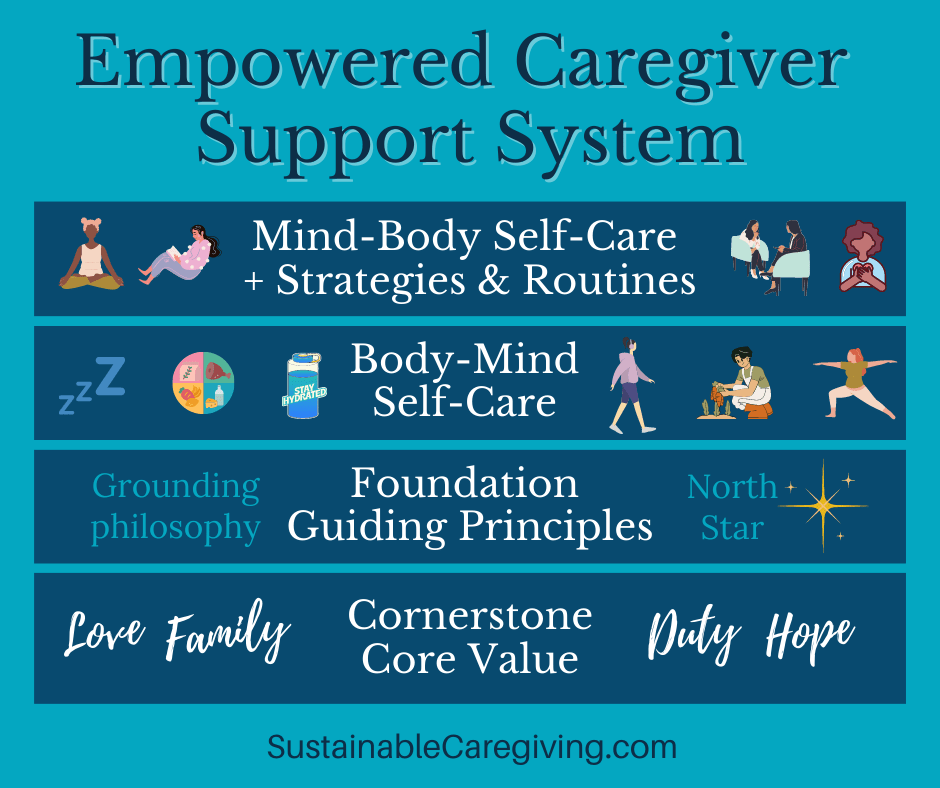
Providing care for a family member can be a profound act of love, but it can also be physically and emotionally draining. Many caregivers want to ask their family members for help, but it can feel like a daunting task.
Let’s discuss how to ask for and get caregiving assistance from your family, with proven techniques to facilitate open and constructive conversations with your family, for a more balanced and sustainable caregiving experience.
Home Instead cites that 72% of primary caregivers don’t have any outside help. 31% want more help, and 25% resent other family members who don’t help.
Recognizing and articulating your needs is the first step toward building a supportive caregiving network with your family.
Acknowledge the challenges you’re facing
Caregiving is a demanding role that can take a toll on your physical and mental health. It’s crucial to recognize the difficulties you’re experiencing. This statistic highlights the importance of admitting that you’re struggling and need help.
Identify specific areas where you require assistance
Are you struggling with managing medications, preparing meals, or providing transportation? Take some time to reflect on your daily caregiving tasks and pinpoint areas where you need the most help.
By identifying specific needs, you can make more targeted requests for assistance.
Communicate your needs with empathy and vulnerability
When expressing your needs to your family, it’s essential to be open and honest about your feelings. Use “I” statements to convey your emotions and experiences. For example, “I’m feeling overwhelmed with managing Dad’s doctor appointments and could use some help coordinating them.”
Involving Your Family
Once you’ve acknowledged your needs, the next step is engaging your family members in a constructive dialogue about caregiving responsibilities.
Gather your family members for a dedicated discussion
Organize a family meeting to discuss the caregiving situation. This can be done in person or via video call if family members live far apart.Family meetings can improve communication and decision-making in caregiving situations.
Encourage open and honest communication
Create an environment where everyone feels comfortable sharing their thoughts and concerns. Ask open-ended questions to encourage dialogue, such as “What are your thoughts on our current caregiving arrangement?”
Ensure everyone’s voices are heard and their concerns addressed
Give each family member an opportunity to express their perspective. Listen actively and validate their feelings, even if you don’t agree with everything they say. This approach can help build trust and foster a collaborative atmosphere.
Identify each family member’s strengths and availability
Consider each family member’s skills, interests, and schedule when assigning tasks. For instance, a tech-savvy sibling might be best suited to manage online bill payments and medical records, while someone with a flexible work schedule could handle doctor’s appointments.
Create a fair and balanced caregiving plan
Develop a caregiving schedule that distributes responsibilities equitably among family members. Shared caregiving responsibilities can lead to better outcomes for both the care recipient and the caregivers.
Establish clear expectations and boundaries
Be specific about what each task entails and how often it needs to be done. Set realistic expectations and be clear about any limitations or boundaries. For example, “I can handle Mom’s grocery shopping every other week, but I need someone else to cover the alternate weeks.”
Navigating Difficult Conversations
As you delegate responsibilities, be prepared to address any concerns or hesitations from family members to ensure a smooth transition into shared caregiving.
Address any resistance or hesitation from family members
It’s common for some family members to be reluctant to take on caregiving responsibilities. Approach these conversations with empathy and try to understand their perspective. Acknowledging and addressing family members’ concerns can lead to more productive caregiving discussions.
Find compromises and solutions that work for everyone
Be open to alternative suggestions and creative solutions. If a sibling can’t provide hands-on care, perhaps they can contribute financially or handle administrative tasks remotely.
Maintain patience and compassion throughout the process
Remember that adjusting to new caregiving roles can be challenging for everyone involved. Be patient with your family members as they learn and adapt to their new responsibilities.
Maintaining Ongoing Communication
You’re not done. Establishing a routine for regular check-ins will help you assess your caregiving plan and make adjustments as circumstances change.
Schedule regular check-ins to assess the caregiving plan
Set up periodic family meetings to discuss how the caregiving plan is working. This allows you to address any issues promptly and make necessary adjustments.
Address any changes or adjustments that may be needed
Be flexible and willing to modify the caregiving plan as circumstances change. The care recipient’s needs may evolve over time, and family members’ availability may shift.
Celebrate successes and express gratitude for your family’s support
Acknowledge and appreciate the efforts of your family members. Expressing gratitude can strengthen relationships and increase overall well-being.
Asking your family for caregiving assistance is an act of courage, not weakness. By approaching these conversations with empathy, honesty, and a willingness to collaborate, you can build a support network that not only benefits your loved one but also helps to sustain your own well-being.
You don’t have to go through this alone. Embrace the support of your family, and together, you can provide the care your loved one deserves while maintaining a healthy balance in your own life.
As a caregiver, you may feel overwhelmed, isolated, or unsure where to turn for help. Community resources offer more than just emotional support–they’re lifelines that connect caregivers with others who truly understand their daily challenges. However, according to the National Alliance for Caregiving, only 28% of unpaid caregivers attend caregiver support groups.
Whether you’re caring for an aging parent, a child with special needs, or a spouse with a chronic illness, local support groups can provide the assistance, guidance, and emotional support you need to navigate your caregiving journey. We’ll explore the benefits of joining a support group, the types available, how to find them, and how to make the most of these valuable resources.
Benefits of Joining a Local Caregiver Support Group
Joining a local caregiver support group can be a game-changer for many caregivers.
Learn practical caregiving tips and strategies from experienced members
Support groups are a goldmine of practical knowledge. Caregivers who participate in support groups often improve their caregiving skills and knowledge. You’ll learn from others who have faced similar challenges and found effective solutions.
Share experiences in a safe, judgment-free environment
One of the most valuable aspects of support groups is the opportunity to share your experiences without fear of judgment. This can be incredibly cathartic and help reduce feelings of isolation, depression and anxiety.
Access emotional support and validation from peers
Caregiving can be emotionally taxing. Support groups provide a space where you can receive empathy and understanding from people who truly get what you’re going through. Onestudyfound that caregivers who attended support groups felt emotionally supported and less burdened (Wiegelmann et al., 2021).
Discover local resources and services you might not know about
Support group members often share information about local services, programs, and resources that can make caregiving easier. This network of shared knowledge can be invaluable in finding the right help for your specific situation.
Build lasting friendships with people who understand your situation
Many caregivers form deep, lasting friendships with fellow support group members. These connections can provide ongoing support and companionship beyond the group meetings themselves.
Find respite care opportunities and backup support
Support groups can be a great place to learn about respite care options in your area or even find other caregivers willing to provide backup support when you need a break.
Types of Caregiver Support Groups Available
Not all support groups are created equal. Here are some common types you may encounter.
Condition-specific groups
Some support groups focus on caregiving for specific conditions like kidney disease, cancer and autism, allowing members to share highly relevant experiences and information. For example, the Alzheimer’s Association offers support groups specifically for caregivers of individuals with Alzheimer’s and other dementias.
Age-based groups
Some groups are organized around the age of the care recipient, such as senior care or child care. This can be helpful as caregiving challenges often vary depending on whether you’re caring for an elderly parent or a child with special needs.
Relationship-based groups
These groups bring together caregivers who share similar relationships with their care recipients, such as spouse or adult children caregivers. For instance, a group for adult children caring for aging parents might address unique challenges like balancing work, family, and caregiving responsibilities.
Online vs. in-person meeting options
With the rise of digital technology, many support groups now offer online options. A 2022 study in the found that online support groups can be just as effective as in-person groups in reducing caregiver stress and improving well-being (Egan et al., 2022).
Professional-led vs. peer-led groups
Some groups are led by healthcare professionals or social workers, while others are facilitated by experienced caregivers. Both can be beneficial, depending on your preferences and needs.
Specialized groups for working caregivers
These groups focus on the unique challenges faced by those balancing caregiving with employment. They often meet outside of typical work hours and address topics like managing time off and communicating with employers.
How to Find Support Groups in Your Area
Finding the right support group might take a bit of research, but it’s worth the effort. Here are some strategies to help you locate groups in your area.
Contact local hospitals and healthcare providers
Many hospitals and healthcare systems offer support groups for caregivers. Reach out to the social work department or patient services office for information.
Search online databases and directories
Websites like the Family Caregiver Alliance offer searchable databases of support groups across the country. Simply enter your location to find options near you.
Reach out to disease-specific organizations
Organizations focused on specific conditions often provide or can direct you to relevant support groups. For example, the American Cancer Society offers a database of cancer caregiver support groups.
Check with religious institutions and community centers
Many churches, synagogues, and community centers host caregiver support groups. These can be especially helpful if you’re looking for a group that aligns with your faith or cultural background.
Ask your doctor or healthcare team for recommendations
Your healthcare provider or your loved one’s medical team may be able to recommend local support groups that are relevant to your situation.
Use social media and local community forums
Platforms like Facebook and Nextdoor can be great resources for finding local support groups. Many groups have their own pages or groups where you can connect with other members.
A study conducted in Canada by Kelly et al (2022) looked at how caregivers of children with complex care needs used a private Facebook support group. The group had 108 members, mostly women. Many members belonged to multiple support groups, using each for different purposes.
The study found three key factors that made the group successful:
Privacy was crucial. Because members came from a small geographic area, having a private group helped them feel emotionally safe sharing personal information.
The group’s small size (under 150 members) and shared experiences helped build trust among members.
Having active, knowledgeable moderators–including a healthcare professional and an experienced caregiver–helped keep the group engaged and reliable.
Even though most members were “lurkers” who rarely posted, they still benefited by reading others’ posts and searching for previous discussions about their concerns. The most common posts were questions, followed by information sharing and emotional support.
Many members felt motivated to help others by sharing their own experiences and knowledge. They viewed their lived experience as valuable information they could pass on to newer caregivers. While there were concerns about possible misinformation, having active moderators and members who could fact-check posts helped maintain accuracy in the group.
Making the Most of Support Group Meetings
Once you’ve found a support group, here are some tips to help you get the most out of your experience.
What to expect at your first meeting
You may feel a little uneasy attending your first meeting, but everyone there was new at first. Typically, you’ll be welcomed by the group leader, introduced to other members, and given an overview of how the group operates.
Tips for active participation
While it’s okay to simply listen at first, active participation can enhance your experience. Share your story when you feel comfortable, ask questions, and offer support to others when you can.
Set attendance goals
Consider what you hope to gain from the group and set some personal goals. This might include learning specific caregiving skills, finding emotional support, or connecting with local resources.
Balance sharing and listening
Support groups work best when there’s a balance between sharing your own experiences and listening to others. Be mindful of giving others a chance to speak and avoid dominating the conversation.
Build connections outside the group
Many caregivers find it helpful to connect with other group members outside of meetings. This can provide additional support and friendship.
Use group resources effectively
Many support groups offer resources like educational materials, guest speakers, or workshops. Take advantage of these opportunities to expand your knowledge and skills.
Additional Support Resources for Caregivers
While support groups are invaluable, they’re not the only resource available to caregivers. Here are some additional options to consider.
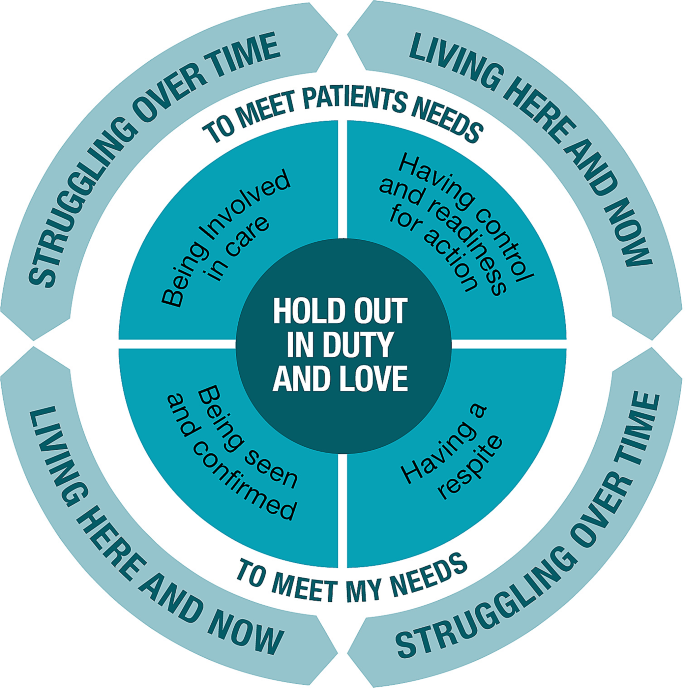
A study published in BMC Palliative Care revealed that family caregivers prioritize patient care but also need support for themselves. They want to be involved in care decisions and prepared for medical procedures. They also need recognition and respite to continue their caregiving duties (Nysaeter at al., 2024).
Respite care provides temporary relief for caregivers. Services can range from a few hours of in-home care to short-term stays at care facilities. The ARCH National Respite Network offers a locator tool to find services in your area.
Caregiving can be financially challenging. Programs like Medicaid waiver programs or veterans’ benefits may provide financial assistance. The National Council on Aging offers a Benefits CheckUp tool to help you find programs for which you may be eligible.
Emergency support services
It’s important to know what emergency support is available in your area. Many communities have crisis hotlines or emergency respite services for caregivers in urgent need of support.
Local caregiver support groups provide the understanding, resources, and community you need to thrive in your caregiving role. Don’t wait until you’re overwhelmed–reach out to find a group that fits your schedule and community resources that meet your needs.
These resources offer practical help, emotional support, and valuable connections that can make a world of difference in your caregiving journey. Take the first step to build your support network–your future self will thank you.
Egan, K. J., Pinto-Bruno, Á. C., Bighelli, I., Berg-Weger, M., van Straten, A., Albanese, E., & Pot, A. M. (2022). Online training and support programs designed to improve mental health and reduce burden among caregivers of people with dementia: a systematic review. Journal of the American Medical Directors Association, 23(2), 217-226.
Kelly, K. J., Doucet, S., Luke, A., Azar, R., & Montelpare, W. (2022). Exploring the Use of a Facebook-Based Support Group for Caregivers of Children and Youth With Complex Care Needs: Qualitative Descriptive Study. JMIR Pediatrics and Parenting, 5(2), e33170. doi.org/10.2196/33170
Nysaeter, T.M., Olsson, C., Sandsdalen, T., Hov, R., & Larsson, M. (2024). Family caregivers’ preferences for support when caring for a family member with cancer in late palliative phase who wish to die at home – a grounded theory study. BMC Palliative Care, 23, 15. doi.org/10.1186/s12904-024-01350-5
Wiegelmann, H., Speller, S., Verhaert, L. M., Schirra-Weirich, L., & Wolf-Ostermann, K. (2021). Psychosocial interventions to support the mental health of informal caregivers of persons living with dementia–a systematic literature review. BMC Geriatrics, 21(1), 1-17.
Caring for a loved one can be an incredibly rewarding experience, but it also carries significant emotional and mental demands. Whether you’re caring for an aging parent, a child with special needs, or a partner with a chronic illness, mental health resources for caregivers can help you avoid burnout so you can continue providing the best possible care.
This article describes mental health strategies to help you deal with the challenges of caregiving, with practical tips and resources to help you maintain balance and resilience.
Before we dive into strategies, it’s important to understand the signs of caregiver stress. Recognizing these symptoms early can help you take action before burnout sets in.
Recognize common symptoms of caregiver burnout
Are you feeling constantly exhausted, irritable, or anxious? These could be signs of caregiver burnout. A recent study found that 52.8% of caregivers experienced symptoms of depression, 40.5% experienced anxiety, and 44.8% experienced stress (Muneer et al., 2024).
Other common symptoms include:
Feeling overwhelmed or constantly worried
Getting too much sleep or not enough sleep
Gaining or losing weight
Becoming easily irritated or angry
Losing interest in activities you used to enjoy
Feeling sad
Having frequent headaches, bodily pain, or other physical problems
Abusing alcohol or drugs, including prescription medications
Acknowledge your mental health needs
Self-care is not selfish. Research shows that caregivers who neglect their own health are at higher risk of developing chronic conditions and experiencing a lower quality of life (Kong et al., 2024).
Recognize overwhelming demands
Caregiving can sometimes feel like a never-ending task. It’s important to recognize when the demands are becoming too much. Ask yourself:
Do you feel like you’re always on call?
Are you neglecting your own health or personal needs?
Do you feel guilty when you take time for yourself?
If you answered yes to any of these questions, it might be time to reassess your caregiving situation and seek additional support.
Effective Stress Management Techniques for Caregivers
Once you’ve recognized the signs of stress, it’s time to take action. Here are some effective techniques to manage caregiver stress.
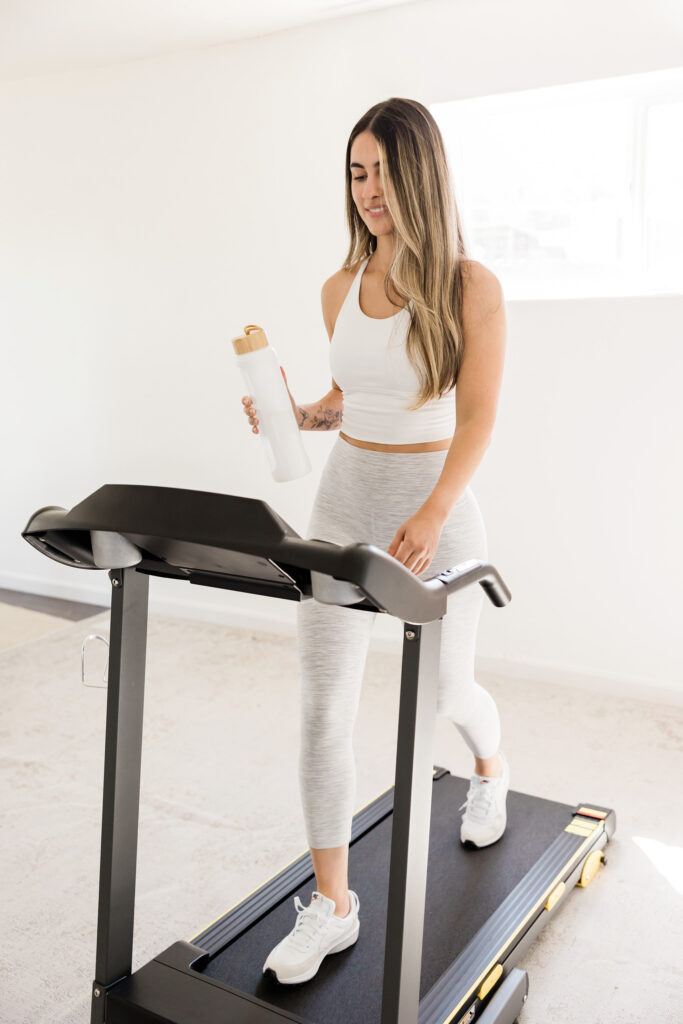
Source: Styled Stock Society
Develop healthy coping mechanisms
Healthy coping mechanisms can significantly reduce stress and improve your overall well-being. Consider these strategies:
Deep breathing exercises: Take a few minutes each day to practice deep breathing. Inhale slowly through your nose, hold for a few seconds, then exhale slowly through your mouth.
Journaling: Writing down your thoughts and feelings can be a cathartic way to process emotions and reduce stress.
Kin Kor et al (2024) found that caregivers who practiced mindfulness-based interventions reported reduced stress levels and improved quality of life.
Incorporate physical activity and exercise
Source: Styled Stock Society
Physical activity is a powerful stress-buster. It doesn’t have to be intense – even a daily walk can make a difference.
Try to incorporate at least 30 minutes of moderate exercise into your daily routine:
Brisk walking
Swimming
Cycling
Yoga
Dancing
Practice mindfulness and finding calm
Mindfulness involves being fully present in the moment, which can help reduce anxiety about the future. Try these mindfulness techniques:
Body scan: Lie down and focus on each part of your body, from your toes to your head, noticing any sensations without judgment.
Mindful eating: Pay attention to the taste, texture, and smell of your food as you eat.
Mindful walking: Focus on the sensation of your feet touching the ground as you walk.
A study on mindfulness-based interventions for caregivers of people with dementia found that even a single session could significantly reduce stress levels(Kin Kor et al., 2024).
Cultivating a Supportive Care Network
Caregiving doesn’t have to be a solo journey. Building a strong support network can make a world of difference.
Reach out for emotional support
Don’t hesitate to lean on friends and family for emotional support. Share your feelings and experiences with them. Sometimes, just having someone listen can be incredibly therapeutic.
A Greek study found that the quality of social support is positively associated with quality of life for stroke survivors and their caregivers (Tsiakiri et al., 2023).
Delegate tasks and responsibilities
Source: Styled Stock Society
You don’t have to do everything yourself. Make a list of tasks that others could help with, such as:
Grocery shopping
Meal preparation
House cleaning
Transportation to appointments
Then, reach out to family members, friends, or neighbors who might be willing to help. Remember, most people want to help but often don’t know how.
Seek respite care services
Respite care provides temporary relief for primary caregivers. This can range from a few hours of in-home care to a short stay in a care facility. A recent study found that caregivers who used respite services had lower levels of burnout (Kong et al., 2024).
Don’t feel guilty about using these services. Taking a break allows you to recharge and return to your caregiving duties with renewed energy and patience.
Incorporating Self-Care into Your Routine
Prioritize your own well-being while caregiving. Here’s how.
Prioritize activities that bring joy and relaxation
What activities make you feel happy and relaxed? Make a list and commit to doing at least one of these activities each day. This could be:
Reading a book
Listening to music
Gardening
Crafting
Taking a warm bath
Kong et al (2024) also found that family caregivers of ICU patients who engaged in regular self-care activities reported a higher quality of life.
Set boundaries and learn to say “no”
It’s ok to set limits. Learn to say “no” to requests that are beyond your capacity. This might include:
Support groups provide a space to share experiences, exchange tips, and find emotional support from others who understand your situation. Look for groups specific to your caregiving situation (e.g., Alzheimer’s caregivers, cancer caregivers).
A study on Twitter-based support communities for Hispanic and African American family caregivers of persons with dementia found that these online communities provided valuable support and information exchange (Broadwell et al., 2023).
Get online resources and educational materials
There’s a wealth of information available online. Some reliable resources include:
These websites offer educational materials, webinars, and forums where you can connect with other caregivers.
As a caregiver, your mental health is just as important as the well-being of those you care for. Embrace these caregiver mental health tips, and you’ll be better equipped to provide the exceptional care your loved one deserves while preserving your well-being. With the right support and self-care practices, you can maintain your mental health and continue providing compassionate care to your loved one.
References
Broadwell, P., Huang, N., Moon, S., Tipiani, D., De Planell-Saguer, M., Bristol, A., Liu, J., Davis, N., & Yoon, S. (2023). Diagnosing Twitter-Based Social Networks of Support Communities for Hispanic and African American Family Caregivers of Persons with Dementia. Studies in Health Technology and Informatics;305:155-159. doi: 10.3233/SHTI230450
Kin Kor, P. P., Chou, K. L., Zarit, S. H., Galante, J., Chan, W. C., Lik Tsang, A. P., Lam Lai, D. L., Ki Cheung, D. S., Man Ho, K. H., & Wa Liu, J. Y. (2024). Effect of a single-session mindfulness-based intervention for reducing stress in family caregivers of people with dementia: Study protocol for a randomized controlled trial. BMC Psychology; 12, 582. doi.org/10.1186/s40359-024-02027-7
Kong, K. M. et al. (2024). Factors Affecting Quality of Life in Family Caregivers of Patients in Intensive Care Units.” Journal of Korean Critical Care Nursing. doi:10.34250/jkccn.2024.17.2.12
Muneer, A., Riaz, M., Masood, I., Akbar, J., Ahmad, S., Hussain, T., Gul-e-Sehar, Gillani, A.H., & Khan, Z. (2024). INCIDENCE OF DEPRESSION, ANXIETY, AND STRESS AMONG STUDENTS OF HEALTH SCIENCES AND NON-HEALTH SCIENCES; A COMPARATIVE CROSS-SECTIONAL STUDY FROM PAKISTAN. International Journal of Pharmacy & Integrated Health Sciences. doi:10.56536/ijpihs.v6i1.170
Tsiakiri, A., Vlotinou, P., Paschalidou, A., Konstantinidis, C., Christidi, F., Tsiptsios, D., Detsaridou, G., Petridou, A., Gkantzios, A., Karatzetzou, S., Tsamakis, K., Giannakou, E., Emmanouilidou, M., Vadikolias, K., & Aggelousis, N. (2023). A Scoping Review on Coping Strategies and Quality of Life of Stroke Caregivers: Often Underestimated Variables in Stroke Recovery Process? BioMed. doi:10.3390/biomed3030029
Are you a caregiver feeling overwhelmed and in need of a break? You’re not alone. Caring for a loved one can be rewarding, but it’s also demanding. According to the National Alliance for Caregiving,only 14% of family caregivers use respite services, often because they don’t know how to find respite care.
Whether you need a few hours weekly or extended relief, this guide will walk you through the essential steps to find, arrange, and pay for quality respite care. This article will help you navigate the options and create a plan that works for both you and your loved one.
Respite care provides temporary relief for primary caregivers, allowing them to take a break from their caregiving duties. This break can be short-term or extended, depending on the caregiver’s needs and the available services.
Types of respite care
There are several types of respite care available:
In-home respite care
Adult daycare centers
Residential facilities offering short-term stays
Informal respite care from family and friends
Each type has its own benefits and considerations. For example, in-home respite care allows your loved one to remain in familiar surroundings, while adult daycare centers provide opportunities for socialization.
Benefits of respite care
Respite care offers numerous benefits for both caregivers and care recipients:
Enhanced relationships between caregivers and care recipients
Opportunities for socialization and new experiences for care recipients
A study in Taiwan found that caregivers who used in-home respite care for more than 14 days experienced a significant decrease in caregiver burden scores (Liao et al., 2022).
Policy initiatives such as the Recognize, Assist, Include, Support, and Engage (RAISE) Family Caregivers Act, the 2022 National Caregiver Strategy and the 2023 White House Executive Order (#14095) concur that respite is an essential component of caregiver support.
Assessing your respite care needs
Before you start looking for respite care services, it’s important to assess your needs and those of your loved one.
Determine the frequency and duration of respite care
How often do you need a break? For how long? Consider your personal commitments, health needs, and stress levels. Some caregivers benefit from regular, short breaks, while others may need occasional extended periods of respite.
Consider your loved one’s preferences and needs
What type of care would your loved one be most comfortable with? Do they have specific medical or personal care needs that require specialized attention? Involving your loved one in the decision-making process can help ensure a smoother transition to respite care.
Exploring respite care options
Now that you’ve assessed your needs, it’s time to explore the available respite care options in your area.
In-home respite care
In-home respite care involves a professional caregiver coming to your home to provide care. This option allows your loved one to remain in familiar surroundings while you take a break.
Adult daycare centers
Adult daycare centers provide care and companionship for older adults who need assistance or supervision during the day. These centers often offer activities, meals, and sometimes health services.
Residential facilities for short-term stays
Some assisted living facilities and nursing homes offer short-term stays for respite care. This option can be particularly helpful if you need an extended break or if your loved one requires round-the-clock care.
Informal respite care
Families with a child who has special care needs can feel left out and isolated. According to a recent study in Romania, this is because they often don’t have the energy to take part in social activities, or because friends may worry about being asked to help care for a child with complex needs (Hizanu et al., 2024).
Don’t overlook the potential for informal respite care from family members, friends, or community volunteers. While this option may not be suitable for all situations, it can provide valuable support and flexibility. Don’t assume they’ll say no.
Finding respite care providers
Once you’ve decided on the type of respite care that best suits your needs, it’s time to find providers in your area.
Research local options
Start by researching respite care providers in your community. You can:
Ask for recommendations from healthcare providers or support groups
Evaluate provider qualifications and services
When considering a respite care provider, ask about:
Staff qualifications and training
Services offered
Availability and scheduling flexibility
Cost and payment options
Emergency procedures
Check references and reviews
Don’t hesitate to ask for references from other families who have used the service. Online reviews can also provide valuable insights, but remember to consider them as part of a broader evaluation.
Preparing for respite care
Proper preparation can help ensure a smooth transition to respite care for both you and your loved one.
Make a care plan
Develop a detailed care plan that includes:
Your loved one’s daily routine
Medication schedules
Dietary requirements
Emergency contact information
Any specific care instructions
Introduce your loved one to the idea of respite care
Talk to your loved one about respite care well in advance. Explain the benefits and address any concerns they may have. If possible, arrange a visit to the respite care facility or a meeting with the in-home caregiver before the actual respite period.
Prepare your home for in-home respite care
If you’re opting for in-home respite care, ensure your home is ready. This might involve:
Clearing space for the caregiver to work
Ensuring necessary supplies are easily accessible
Providing clear instructions on household routines and emergency procedures
Overcoming barriers to respite care
Despite its benefits, many caregivers face challenges in accessing or using respite care services.
Address financial concerns
Respite care can be expensive, but there are ways to manage the costs:
Check if your loved one’s insurance covers respite care
Look into government programs or grants for caregivers
Consider sliding scale fees offered by some providers
Explore community-based or volunteer respite care options
Deal with guilt and anxiety
Research by Hizanu et al (2024) included parents of children in hospice care that were anxious about leaving them with strangers. For respite care to work well, parents need to know details like the type of care, location, safety measures, and schedule. They also need to trust the care provider.
A study conducted in Japan found that family caregivers experienced reduced cardiac sympathetic nervous activity (less stress on their hearts) while asleep on the days they used short-stay respite services (Sakuri and Kohno, 2020). This suggests that regular use of such services can improve caregivers’ sleep quality and relaxation.
Practice self-care
Use your respite time to focus on self-care activities that rejuvenate you. This could involve exercise, meditation, or simply doing activities you enjoy.
The Hizanu study (2024) also found that respite care programs are helpful for parents of children with life-limiting illnesses or special needs, as well as their siblings. The main benefit for exhausted parents was getting time to relax and socialize without constant caregiving duties.
Stay connected with your loved one
While it’s important to take a break, staying connected can help alleviate anxiety for both you and your loved one. Consider:
Scheduling check-in calls
Leaving notes or small gifts for your loved one
Asking the respite care provider for updates
Evaluating and adjusting respite care
After using respite care services, take time to evaluate the experience and make adjustments as needed.
Maintain open communication with your respite care provider. Share feedback, address any concerns, and discuss any changes in your loved one’s needs or care plan.
Adjust your respite care plan as needed
Be prepared to adjust your respite care plan over time. Your needs and those of your loved one may change, requiring modifications to the type, frequency, or duration of respite care.
Getting respite care is a vital step in maintaining your well-being as a caregiver. It provides much-needed breaks, reduces stress, and can improve the overall caregiving experience.
Start by assessing your needs, exploring local options, and reaching out to organizations that can help with funding and placement.
Self-care isn’t selfish–it’s essential for providing the best care possible to your loved one. With proper planning and support, you can find a respite care solution that works for both you and your loved one.
Hizanu, Dumitrache M., Boeriu, E., Tanasescu, S., Balan, A., Oprisoni, L.A., Popa, M.V., Gutu, C., Vulcanescu, D.D., Bagiu, I.C., Bagiu, R.V., Dragomir, T.L., Boru, C., Avram, C.R., & Duceac, L.D. (2024). Benefits of Respite Services on the Psycho-Emotional State of Families of Children Admitted to Hospice Palliative Care Unit: Preliminary Study on Parents’ Perceptions. Healthcare (Basel). doi: 10.3390/healthcare12070748
Liao, Y.H., Ku, L.E., Liu, L.F., & Li, C.Y. (2022). The Effects of In-Home Respite Care on the Burden of Caregivers in Taiwan. Journal of Applied Gerontology; 41(5):1283-1292. doi: 10.1177/07334648211073876
Recognize, Assist, Include, Support, Engage (RAISE) Family Caregiver Act, United States House of Representatives, 115th Congress (Session 1) Sess (2017/2018).
Sakuri, S. & Kohno, Y. (2020). Effectiveness of Respite Care via Short-Stay Services to Support Sleep in Family Caregivers. International Journal of Environmental Research and Public Health; 17(7):2428. doi:10.3390/ijerph17072428
Have you ever felt overwhelmed, stressed, or burnt out from your caregiving responsibilities? If so, you’re not alone. According to the National Alliance for Caregiving, 42 million Americans serve as unpaid caregivers, and 36% report high emotional stress. That’s why it’s so important to learn about setting healthy boundaries as a caregiver.
While caregiving can be deeply rewarding, it often comes with unique challenges that can lead to burnout. As a caregiver, you’re probably familiar with the challenges of balancing your loved one’s needs with your own. Let’s explore the importance of setting caregiver boundaries and learn practical strategies to implement them effectively.
Withdrawal from social activities and relationships
How poor boundaries affect mental and physical health
Without proper boundaries, caregivers often experience negative effects on their mental and physical health. Research shows that caregivers who report high stress levels had a 63% higher mortality rate compared to non-caregivers.
Poor boundaries can lead to:
Chronic stress and anxiety
Depression and feelings of hopelessness
Weakened immune system and increased susceptibility to illness
How to adjust boundaries when caregiving routines change
Be prepared to adjust your boundaries as circumstances evolve:
Assess the care recipient’s changing needs
Communicate with healthcare providers about care plan updates
Involve family members in discussions about boundary modifications
Seek professional advice when facing significant changes in care requirements
Whether you’re caring for an aging parent, a child with special needs, or a partner with health challenges, learning to establish and maintain boundaries can help you provide better care while protecting your own well-being.
Setting and maintaining boundaries as a caregiver isn’t selfish – it’s smart and necessary. you can create a sustainable caregiving arrangement by establishing clear limits, communicating your needs, and prioritizing self-care.
Identify one boundary you need to set, and make a plan to clearly communicate it. Start small, be consistent, and remember that healthy boundaries lead to better care for both you and your loved one.
Have you ever wondered why you sometimes wake up feeling groggy despite getting a full night’s sleep? Or perhaps you’re curious about how your daily habits affect your sleep quality? Sleep tracking technology might just be the answer.
From wearable devices to smartphone apps, these innovative tools are helping people understand their sleep patterns, but it’s debatable whether these tools are accurate, and how to choose the right one. So we’re to explore how these innovative devices and apps can help you understand your sleep patterns and improve the quality of your rest.
Fun fact: The average person spends about 26 years of their life sleeping.
The basics
Sleep tracking technology refers to devices and applications designed to monitor and analyze your sleep patterns. These tools collect data on various aspects of your sleep, such as duration, quality, and stages, to provide insights into your nightly rest.
A study published in the journal Sleep found that consumer sleep trackers can provide valuable insights into sleep patterns and duration (Zheng et al., 2024). The researchers noted that these devices were very accurate in detecting sleep, and most performed as good or better than actigraphy (a sleep test based on data from a wearable device only available from a healthcare professional) in detecting wakefulness.
The Science Behind Sleep Tracking
There are several stages of sleep as shown in the BedMart illustration.
Source: BedMart
How sleep trackers monitor different sleep stages
Sleep trackers use a combination of sensors to estimate your sleep stages:
Accelerometers, devices that detect movement
Heart rate sensors monitor changes in pulse
Some advanced devices use electroencephalogram (EEG)-like technology to measure brain waves
(EEG is a test that measures the brain’s electrical activity through sensors on the scalp.)
Particle Swarm Optimization (PSO) and EEG
A study in India introduced a new way to track sleep at home. They combined PSO (Particle Swarm Optimization) with XGBoost to analyze EEG data, using a method called PSO-XGBoost. It combines two techniques to analyze brain waves (EEG signals) and classify sleep stages more accurately (Radhakrishnan, Ezra, Jebadurai, Selvakumar, & Karthikeyan, 2024).
The researchers tested their method on data from ten people and got very good results, with 95% accuracy. This approach could also be used with wearable devices that measure brain activity from the forehead. It’s fast enough to work in real time, making it useful for tracking sleep as it happens. While this method works well for real-time sleep monitoring at home, it needs more training on different data sets to improve its accuracy.
A 2021 study compared 7 consumer sleep trackers to polysomnography (PSG), the gold standard in sleep measurement. The researchers found that most devices were reasonably accurate in detecting total sleep time but less reliable in distinguishing between sleep stages (Chinoy, et al., 2021).
A more recent study by the University of Massachusetts Amherst showed that all devices they used (Fitbit Inspire, Fitbit, Versa, Garmin Vivosmart, the Oura Ring, Withings Mat, and Actiwatch) had software or user errors. And they all either under- or overestimated total sleep time (Kainec et al., 2024).
Comparison with clinical sleep studies
Clinical sleep studies, such as polysomnography, provide more detailed and accurate data than consumer devices. However, sleep trackers offer the advantage of long-term, non-invasive monitoring in your natural sleep environment.
Popular Sleep Tracking Devices
With the science explained, let’s look at the top tools available in today’s market.
Wearable devices (smartwatches, fitness trackers)
Many popular fitness trackers and smartwatches now include sleep-tracking features. For example:
These apps use your phone’s sensors to track movement and sound during the night.
Benefits of Using Sleep Tracking Technology
Understanding the available options leads us to an important question: what can these devices do for you?
Source: Styled Stock Society
Identify sleep patterns and potential issues
Sleep trackers can help you spot patterns in your sleep habits. For instance, you might notice that you consistently get less sleep on weeknights or that your sleep quality decreases after consuming caffeine late in the day.
Sleep patterns for those with chronic conditions
A study published in Nature used data from wearable devices and electronic health records (EHRs) to see how sleep patterns affect chronic diseases. Researchers found that sleep duration, quality, and consistency are all important for health.
People with poor sleep habits had higher risks of developing conditions like obesity, heart problems, high blood pressure, depression, and anxiety. Also, getting too little and too much sleep can both be harmful, as 7 to 9 hours per night is the ideal length of sleep for most adults (Zheng et al., 2024).
Sleep habits and mental health
A study conducted in Bristol, UK explored the use of mobile sensors to predict mental health issues, focusing on the link between sleep quality and conditions like depression and anxiety.
The researchers developed the SleepTracker app, which uses phone usage and movement data to identify potential signs of mental health disorders and detect insomnia early. The study suggests that understanding sleep patterns, especially in young adults, could be crucial for mental health intervention and improving the app’s accuracy when predicting insomnia symptoms (Alamoudi et al., 2024).
Improve sleep quality through data-driven insights
Source: Styled Stock Society
You can make informed decisions about your sleep habits by analyzing your sleep data.
A study in the Journal of Clinical Sleep Medicine found that using a sleep tracker increased participants’ sleep duration by an average of 31 minutes per night (Baron, Duffecy, Berendsen, Cheung, Lattie, & Manalo, 2018).
An autoethnographic account (a combination of personal storytelling with academic analysis) in 2024 about using the Oura Ring found four themes about sleep tracking (Nagele & Hough, 2024):
Good sleep-scores are motivating.
Experience that matches the data help us understand sleep better.
Conflicting information from the app can be frustrating.
Sleep trackers compete with other social influences.
Correlate sleep with daily habits and health metrics
Many sleep trackers allow you to log daily activities, such as exercise, diet, and stress levels. This can help you understand how these factors affect your sleep quality.
How to Choose the Right Sleep Tracker
With so many benefits and options available, here’s what to look for when choosing the right device for you.
Factors to consider when selecting a sleep-tracking device
Sleep trackers range from free smartphone apps to high-end wearables costing several hundred dollars. Consider your budget and how seriously you want to track your sleep.
Interpreting Your Sleep Data
Once you have your tracker and start using it, the next step is making sense of the data.
Source: Styled Stock Society
Understand sleep score calculations
Many sleep trackers provide a “sleep score” to summarize your nightly rest. While the exact calculation varies by device, it typically considers factors like:
Total sleep time
Sleep efficiency
Time spent in each sleep stage
Nighttime awakenings
Analyze sleep stages and duration
Most trackers divide sleep into three main stages:
Light sleep: The transition stage between wakefulness and deeper sleep
Deep sleep: The most restorative stage, important for physical recovery
REM sleep: Associated with dreaming and cognitive function
Aim for a balanced distribution of these stages throughout the night.
Use insights to make lifestyle changes
Use your sleep data to identify areas for improvement. For example, if you consistently have low deep sleep, you might try:
Combining Sleep Tracking with Healthy Sleep Habits
While data is valuable, it works best when paired with good sleep practices.
Source: Styled Stock Society
Set up a sleep-friendly environment
Your sleep tracker might reveal environmental factors affecting your sleep. Consider:
Keeping your bedroom cool (60-67°F or 15-19°C)
Using blackout curtains to block light
Investing in a comfortable mattress and pillows
Establish a consistent sleep schedule
Many sleep trackers can help you set and maintain a regular sleep schedule. A study in Sleep Health found that maintaining a consistent sleep schedule was associated with better sleep quality and daytime functioning.
Complement technology with relaxation techniques
While sleep trackers provide valuable data, don’t forget the importance of relaxation. Try incorporating techniques like:
Despite their benefits, sleep trackers aren’t perfect solutions. Here are some things to watch out for.
Privacy concerns with sleep-tracking apps
Be aware of the data you’re sharing with sleep-tracking apps. Review privacy policies and adjust settings to control what information is collected and shared.
Over-reliance on sleep data and sleep anxiety
While sleep tracking can be helpful, don’t become obsessed with the data. A phenomenon known as “orthosomnia” describes the anxiety some people experience when trying to achieve perfect sleep scores. Sleep trackers can’t diagnose a sleep disorder or substitute for a doctor’s analysis.
When to consult a healthcare professional
If your sleep tracker consistently shows poor sleep quality or you’re experiencing symptoms like excessive daytime sleepiness, it’s time to consult a healthcare professional. Sleep trackers can complement, but not replace, medical advice.
The Future of Sleep Tracking Technology
As technology advances, sleep tracking continues to evolve in exciting ways.
Emerging trends in sleep monitoring
Future sleep trackers may incorporate more advanced sensors, such as:
EEG-like brain wave monitoring
Continuous blood oxygen level tracking
Stress hormone detection
Integration with smart home devices
Sleep trackers are increasingly integrating with smart home ecosystems. For example, your tracker might automatically adjust your room’s temperature or lighting based on your sleep patterns.
Advancements in AI and machine learning for sleep analysis
Artificial intelligence and machine learning are improving the accuracy and insights provided by sleep trackers. These technologies can help identify patterns and make personalized recommendations for improving sleep quality.
Sleep tracking offers insights that were once only available in sleep labs.
While sleep trackers provide valuable data, they’re most effective when used with good sleep hygiene practices, as part of a holistic approach to health. Start exploring sleep-tracking options, and you might just find the key to unlocking your best night’s sleep yet.
Alamoudi, D., Nabney, I., & Crawley, E. Evaluating the Effectiveness of the SleepTracker App for Detecting Anxiety- and Depression-Related Sleep Disturbances. (2024). Sensors, 24(3), 722. doi.org/10.3390/s24030722
Baron, K. G., Duffecy, J., Berendsen, M. A., Cheung, I. N., Lattie, E., & Manalo, N. C. (2018). Feeling validated yet? A scoping review of the use of consumer-targeted wearable and mobile technology to measure and improve sleep. Journal of Clinical Sleep Medicine, 14(10), 1783-1803.
Chinoy, E. D., Cuellar, J. A., Huwa, K. E., Jameson, J. T., Watson, C. H., Bessman, S. C., … & Markwald, R. R. (2021). Performance of seven consumer sleep-tracking devices compared with polysomnography. Sleep, 44(5), zsaa291.
Kainec, K. A., Caccavaro, J., Barnes, M., Hoff, C., Berlin, A., & Spencer, R. M. (2024). Evaluating Accuracy in Five Commercial Sleep-Tracking Devices Compared to Research-Grade Actigraphy and Polysomnography. Sensors, 24(2), 635. doi.org/10.3390/s24020635
Nagele, A. N., & Hough, J. (2024). “The sleep data looks way better than I feel.” An autoethnographic account and diffractive reading of sleep-tracking. Frontiers in Computer Science, 6, 1258289. doi.org/10.3389/fcomp.2024.1258289
Radhakrishnan, B. L., Ezra, K., Jebadurai, I. J., Selvakumar, I., & Karthikeyan, P. (2024). An Autonomous Sleep-Stage Detection Technique in Disruptive Technology Environment. Sensors, 24(4), 1197. doi.org/10.3390/s24041197
Zheng, N. S., Annis, J., Master, H., Han, L., Gleichauf, K., Ching, J. H., Nasser, M., Coleman, P., Desine, S., Ruderfer, D. M., Hernandez, J., Schneider, L. D., & Brittain, E. L. (2024). Sleep patterns and risk of chronic disease as measured by long-term monitoring with commercial wearable devices in the All of Us Research Program. Nature Medicine, 30(9), 2648-2656. doi.org/10.1038/s41591-024-03155-8
Health and fitness tracking have become ubiquitous, with millions of people using wearable devices to monitor their physical activity, sleep patterns, and overall health. This trend is part of the broader “quantified self” movement. But while fitness trackers can be powerful tools for motivation and self-improvement for some, they can also fuel unhealthy obsessions and anxiety for others.
In this article, we’ll discuss the psychology of fitness tracking, exploring its potential to both inspire and potentially harm. We’ll look at the science behind motivation, the risks of obsessive behaviors, and how to strike a balance of data and well-being for sustainable health improvements.
Let’s start by looking at why so many people are drawn to tracking their fitness.
What is the “quantified self” movement?
The “quantified self” movement refers to the practice of using technology to collect data about various aspects of our daily lives, including physical activity, diet, sleep, and more. The appeal of the quantified self lies in its promise of self-improvement through data (Swan, 2013).
Fitness trackers appeal to our natural desire for self-improvement and our love of measurable progress ((Zhang et al., 2023). By providing constant feedback on our steps, calories burned, and other metrics, these devices tap into the psychological principles of goal-setting and reinforcement as we see our progress (Zahrt et al., 2023).
A brief history of fitness tracking
The idea of tracking our physical activity isn’t new, but modern technology has made it easier than ever to collect and analyze data about our bodies. Here’s how the physical activity tracking technology has evolved over the last 60+ years:
2020s: Advanced health metrics (e.g., blood oxygen levels, ECG) become available in consumer devices
Why we’re drawn to data-driven self-improvement
The psychology behind our fascination with fitness tracking is multifaceted:
Tracking gives us a sense of control over our health and fitness.
Seeing progress can be highly motivating.
Data provides an objective measure of our efforts.
Many apps turn fitness into a game-like experience.
A study published in the Journal of Medical Internet Research found that 83% of fitness tracker users reported that their device helped them feel more in control of their health (Brickwood et al., 2019).
Self-quantification affects people differently based on whether they have goals (Zhang et al., 2023):
For goal-getters, it lowers performance, but increases enjoyment and willingness to try new things. They’re less likely to choose healthy activities but more likely to keep going.
For those without goals, it improves performance and healthy choices but reduces enjoyment and desire for new experiences.
To understand how fitness tracking affects us, we need to know a bit about how habits form.
The Science of Habit Formation
Habits are automatic behaviors triggered by cues, which are different from conscious decisions (Gardner and Lally, 2018). Forming a habit involves deciding to act, starting the action, repeating it, and linking it to cues. And as habits develop, they influence future behavior.
Interestingly, behavior and habits affect each other over time (Gardner, 2015). This two-way relationship is key to understanding habits. While health behaviors can become habitual, it’s important to note that habits and behaviors aren’t the same thing (Maddux, 1997).
The basis of habit-forming behaviors
Habits are formed through a neurological process called neuroplasticity, where repeated behaviors create stronger neural pathways in the brain. This process involves:
The basal ganglia, a region of the brain involved in habit formation (Grogran et al., 2020)
The release of dopamine, a neurotransmitter associated with pleasure and reward
Fitness tracking apps tap into this neurological process by encouraging regular, repeated behaviors.
How dopamine reinforces tracking behaviors
Dopamine plays a crucial role in the reward system of our brains. When we achieve a goal or receive positive feedback from our fitness tracker, dopamine is released, creating a sense of pleasure and accomplishment. This reinforces the behavior and makes us want to repeat it.
Fitness apps use various psychological principles to encourage engagement:
Operant conditioning: Rewarding desired behaviors (e.g., badges for reaching goals)
Variable ratio reinforcement: Teasing unpredictable rewards (like those in slot machines) to maintain interest
Loss aversion: Using challenges or streaks that users don’t want to break
Social proof: Showing how others are performing to motivate users
Motivational Benefits of Fitness Tracking
Jin et al (2020) identified 19 factors that drive people to use fitness tracking technology, categorized into user characteristics, device characteristics, perceived benefits/risks, and external drivers. 11 of these 19 factors align with Kalantari’s (2017) review on wearable technology adoption, including age, the love of technology, and perceived enjoyment.
They examined 2 factors—personality traits and social influences—differently than Kalantari. For instance, Jin et al highlight agreeableness and conscientiousness as key personality traits driving fitness tech use, while Kalantari emphasized openness and neuroticism for wearable tech adoption.
Goal-setting theory, developed by psychologists Edwin Locke and Gary Latham, suggests that setting specific, challenging goals leads to better performance. Fitness apps leverage this theory by:
Encouraging users to set clear, measurable goals (e.g., 10,000 steps per day)
Providing regular feedback on progress
Allowing for goal adjustments based on performance
Research shows that people who use fitness trackers to set and monitor goals are more likely to increase their physical activity levels (Asimakopoulos et al., 2017).
Feedback loops influence behavior change
Feedback loops are crucial in behavior change. Fitness trackers create a continuous cycle that reinforces positive behaviors and encourages consistency:
Action (e.g., going for a walk)
Measurement (e.g., counting steps)
Feedback (e.g., progress towards daily goal)
Motivation for further action
While individual experiences vary, there are many success stories associated with fitness tracking. For example:
John, a 45-year-old office worker, lost 30 pounds over six months by using a fitness tracker to monitor his daily activity and calorie intake.
Sarah, a 35-year-old runner, improved her marathon time by 15 minutes after using a GPS watch to optimize her training.
These anecdotes are supported by research. Brickwood et al (2019)found that wearable activity trackers can help increase physical activity levels across various demographics.
A study in the American Journal of Health Educationfound that consistent use of a fitness tracker was associated with an increase in physical activity of about 2,000 steps per day (Kerner & Goodyear, 2017).
The link between social and community aspects with motivation
Offer support and encouragement from like-minded individuals
A study published in Preventive Medicine Reports found that social comparison in fitness apps can increase user engagement and physical activity levels (Zhang et al., 2015).
Some people become overly fixated on hitting specific numbers, leading to anxiety and guilt when they fall short of their goals. This obsession can negatively impact mental health and even lead to disordered eating or exercise patterns (Simpson & Mazzeo, 2017).
Signs of unhealthy attachment to fitness data
While fitness tracking can be beneficial, it can also lead to obsessive behaviors. Signs of an unhealthy attachment include:
Feeling anxiety when unable to track activities
Prioritizing tracking over other important aspects of life
Ignoring physical signs of fatigue or injury to meet tracking goals
Feeling a loss of self-worth when goals aren’t met
How tracking can lead to negative feelings
The constant monitoring of fitness data can sometimes backfire, leading to negative emotions:
Anxiety: Worrying excessively about meeting daily goals
Guilt: Feeling bad about missing a workout or not reaching a target
Shame: Comparing oneself unfavorably to others or past performance
A study in Frontiers in Public Health found that some fitness tracker users experienced increased stress and feelings of guilt when they didn’t meet their goals.
A 2023 study found that participants whose fitness trackers were manipulated to show lower step counts experienced reduced self-esteem and increased blood pressure compared to those with accurate trackers (Zahrt et al., 2023). This highlights how deeply our perceptions of our activity levels can affect our mental and physical well-being.
The impact of excessive tracking on body image and self-esteem
While fitness tracking can improve body image for some, it can have the opposite effect for others:
Constant focus on numbers may lead to an unhealthy body image
Failure to meet goals can negatively impact self-esteem
Comparison with others’ data can create unrealistic expectations
Research suggests that fitness tracker use can be associated with increased body image concerns and disordered eating behaviors in some individuals (Turner & Lefevre, 2017).
Orthorexia and fitness tracking
Orthorexia is an eating disorder where a person becomes obsessed with healthy eating. While not officially recognized as a clinical diagnosis, it’s gaining attention in the mental health community. Researchers like Turner & Lefevre (2017) have found a positive correlation between orthorexic behaviors and the use of health apps.
Fitness tracking can potentially contribute to orthorexic tendencies by:
Encouraging an excessive focus on “clean” eating
Promoting rigid adherence to specific diets or exercise routines
Fostering anxiety about food choices and physical activity
Striking a Balance: Healthy Tracking Practices
So how can we get the benefits of fitness tracking without the downsides? Here are some tips.
How to set realistic and flexible goals
To use fitness trackers in a healthy way, it’s important to maintain perspective. Here are some tips:
Set achievable goals based on your current fitness level.
Allow for flexibility in your targets.
Focus on progress rather than perfection.
Regularly reassess and adjust your goals.
Use a mindful approach to data interpretation
Credit: Styled Stock Society
It’s crucial to interpret fitness data mindfully:
Understand that data doesn’t define your worth.
Recognize that some metrics (like calorie burn) are estimates (Simpson & Mazzeo, 2017).
Consider the context of your data (e.g., stress, sleep quality).
Use data as information, not judgment.
The importance of rest and recovery in fitness regimens
Rest and recovery are often overlooked but are crucial for:
Preventing burnout and overtraining
Allowing muscles to repair and grow stronger
Reducing the risk of injury
Maintaining mental health and motivation
Use your tracker as a tool–not a taskmaster
To maintain a healthy relationship with your fitness tracker:
Set device-free days or times.
Use the tracker to inform, not dictate, your choices.
Listen to your body first, then your device.
Remember that overall health is more than just numbers.
Algorithmic bias: Addressing potential biases in AI-driven recommendations
Digital divide: Ensuring advanced health tech doesn’t make health inequalities worse
A report by the Future of Privacy Forum highlighted the need for stronger regulations and transparency in how fitness tracker data is collected, used, and shared.
Conclusion
Fitness tracking technology offers powerful tools for improving our health and wellness, but it’s essential to use these tools mindfully.
The next time your device nudges you, pause and reflect: Is this motivation enhancing your life, or is it time to step back and reassess?
The goal is to enhance our well-being, not become slaves to our devices. Use your tracker as a helpful guide, but always prioritize listening to your body and maintaining a balanced approach to health and fitness.
References
Asimakopoulos, S., Asimakopoulos, G., & Spillers, F. (2017). Motivation and User Engagement in Fitness Tracking: Heuristics for Mobile Healthcare Wearables. Informatics, 4(1), 5.
Gardner, B. (2015). A review and analysis of the use of ‘habit’ in understanding, predicting and influencing health-related behaviour. Health Psychology Review, 9, 277–295. doi:10.1080/17437199.2013.876238
Gardner, B., de Bruijn, G. J., and Lally, P. (2011). A systematic review and meta-analysis of applications of the self-report habit index to nutrition and physical activity behaviours. Annals of Behavioral Medicine, 42, 174–187. doi: 10.1007/s12160-011-9282-0
Grogan, J.P., Sandhu, T. R., Hu, M. T., & Manohar, S. G. (2020) Dopamine promotes instrumental motivation, but reduces reward-related vigour. eLife 9:e58321.
doi.org/10.7554/eLife.58321
Jin, D., Halvari, H., Maehle, N., & Olafsen, A. H. (2020). Self-tracking behaviour in physical activity: a systematic review of drivers and outcomes of fitness tracking. Behaviour & Information Technology, 41(2), 242–261. doi.org/10.1080/0144929X.2020.1801840
Kalantari, M. 2017. Consumers’ Adoption of Wearable Technologies: Literature Review, Synthesis, and Future Research Agenda. International Journal of Technology Marketing, 12 (3): 274–307
Kerner, C., & Goodyear, V. A. (2017). The Motivational Impact of Wearable Healthy Lifestyle Technologies: A Self-determination Perspective on Fitbits With Adolescents. American Journal of Health Education, 48(5), 287-297.
Maddux, J. E. (1997). Habit, health, and happiness. Journal of Sport and Exercise Psychology, 19, 331–346. doi:10.1123/jsep.19.4.331
Simpson, C. C., & Mazzeo, S. E. (2017). Calorie Counting and Fitness Tracking Technology: Associations with Eating Disorder Symptomatology. Eating Behaviors, 26, 89-92.
Sullivan, A. N., & Lachman, M. E. (2017). Behavior Change with Fitness Technology in Sedentary Adults: A Review of the Evidence for Increasing Physical Activity. Frontiers in Public Health, 4, 289.
Swan, M. (2013). The Quantified Self: Fundamental Disruption in Big Data Science and Biological Discovery. Big Data, 1(2), 85-99.
Turner, P. G., & Lefevre, C. E. (2017). Instagram Use is Linked to Increased Symptoms of Orthorexia Nervosa. Eating and Weight Disorders – Studies on Anorexia, Bulimia and Obesity, 22(2), 277-284.
Zhang, J., Brackbill, D., Yang, S., & Centola, D. (2015). Efficacy and Causal Mechanism of an Online Social Media Intervention to Increase Physical Activity: Results of a Randomized Controlled Trial. Preventive Medicine Reports, 2, 651-657.
Zhang, Y., Zhang, H., Xie, J., & Zhang, C. (2023). The influence of self-quantification on individual’s participation performance and behavioral decision-making in physical fitness activities. Humanities and Social Sciences Communications, 10(1), 1-11. doi.org/10.1057/s41599-023-02103-0
Zahrt, O. H., Evans, K., Murnane, E., Santoro, E., Baiocchi, M., Landay, J., Delp, S., & Crum, A. (2023). Effects of Wearable Fitness Trackers and Activity Adequacy Mindsets on Affect, Behavior, and Health: Longitudinal Randomized Controlled Trial. Journal of Medical Internet Research, 25. doi.org/10.2196/40529
As clinical trials grow in number and complexity, wearables are becoming essential. They allow for remote patient monitoring (RPM) and can track multiple health metrics at once. This is crucial as the number of trial endpoints has increased by 10% in the last ten years. Let’s explore how using wearables in clinical trials helps accelerate medical research.
Wearables are taking the medical research world by storm. The use of wearables in clinical trials has grown by 50% from 2015 to 2020 (Marra et al., 2020).
Why are researchers so excited about wearables? Let’s break it down.
Real-time data collection and monitoring
Imagine getting a constant stream of health data from patients, 24/7. Wearables allow clinicians to monitor real-time data, so there’s no more waiting for patients to come in for check-ups or relying on their memory of symptoms.
Wearables don’t forget or exaggerate. They provide hard data without human error or bias. Combining wearable sensors and advanced software in clinical trials is one of the best ways to make sure the data is accurate (Seitz, 2023).
Cost-effectiveness and efficiency in trial conduct
Wearable tech in healthcare shows promise for better data collection and analysis-–it can improve disease understanding, treatments, and clinical trials (Izmailova et al., 2018).
By reducing the need for in-person visits and automating data collection, wearables can cut trial costs by up to 60% (Coravos et al., 2019).
How Wearables Are Used in Clinical Trials
How are wearables being used in real studies? Let’s look at some examples.
These devices can measure how much you move and how well you sleep. This data is valuable for studies on conditions like insomnia or chronic fatigue syndrome.
Remote patient monitoring and telemedicine integration
Wearables allow doctors to check on patients from afar. This is particularly helpful for patients who live far from research centers or have mobility issues.
In a study of patients with Parkinson’s disease, wearable sensors were used to track movement patterns. This allowed researchers to measure the effectiveness of a new treatment more accurately than traditional methods (Espay et al., 2016).
Challenges and Limitations of Wearables in Clinical Trials
While wearables offer many benefits, they also come with some challenges.
Data privacy and security concerns
With so much personal health data being collected, keeping it safe is a top priority. Researchers need to ensure that patient information is protected from hackers and unauthorized access.
Potential for data overload and interpretation issues
Wearables can generate massive amounts of data. Sorting through all this information and making sense of it can be overwhelming for researchers.
One study found that while 79% of clinical trials were interested in using wearables, only 39% felt confident in their ability to manage and analyze the data effectively (Walton et al., 2015).
Best Practices to Incorporate Wearables in Clinical Trials
To make the most of wearables in clinical trials, researchers should follow these best practices.
Select appropriate wearable devices for specific trial needs
Not all wearables are created equal. Researchers must choose devices that are scientifically relevant to the study’s endpoints and can gather precise, valid data.
The goal is to collect meaningful information that significantly contributes to the study’s outcomes and conclusions, rather than just monitoring for the sake of it (Rudo & Dekie, 2024). For example, a sleep study might need a device with advanced sleep-tracking capabilities.
Ensure data quality and validation
It’s crucial to verify that the data collected by wearables is accurate and reliable. This often involves comparing wearable data with data from traditional medical devices.
Train participants and researchers on proper device use
Develop robust data management and analysis protocols
With so much data coming in, having a solid plan for managing and analyzing it is essential. This may involve using specialized software or working with data scientists.
Steinhubl et al. (2018) researched how heart failure patients used wearable sensors to track daily activity. By carefully selecting devices and training participants, the researchers collected high-quality data leading to new insights about the progression of heart failure.
Future Trends and Innovations
What’s next for wearables in clinical trials? Let’s take a peek.
AI and machine learning integration for data analysis
Multi-modal sensors in wearables combine different types of sensors in one device to give a more complete picture of a patient’s health (Sietz, 2023). It can include body sensors, environmental sensors, and even imaging tech to gather a wide range of data for clinical studies.
Expanded use of wearables in decentralized clinical trials
More trials are moving away from traditional research centers. Wearables make it possible to conduct studies with patients in their own homes, opening up research to a wider group of people.
Potential for personalized medicine and treatment optimization
Wearables are becoming an integral part of clinical trials, offering new insights into patient health and treatment efficacy. These smart devices are likely to greatly impact medical research, leading to faster, more efficient, and patient-centric clinical trials. Who knows–the next big medical breakthrough might come from a small device you can wear.
References
Coravos, A., Khozin, S., & Mandl, K. D. (2019). Developing and adopting safe and effective digital biomarkers to improve patient outcomes. NPJ digital medicine, 2(1), 1-5.
Espay, A. J., Bonato, P., Nahab, F. B., Maetzler, W., Dean, J. M., Klucken, J., … & Papapetropoulos, S. (2016). Technology in Parkinson’s disease: Challenges and opportunities. Movement Disorders, 31(9), 1272-1282.
Izmailova, E. S., Wagner, J. A., & Perakslis, E. D. (2018). Wearable Devices in Clinical Trials: Hype and Hypothesis. Clinical Pharmacology & Therapeutics, 104(1), 42-52.
Marra, C., Chen, J. L., Coravos, A., & Stern, A. D. (2020). Quantifying the use of connected digital products in clinical research. NPJ digital medicine, 3(1), 50.
Seitz, S. (2023). Wearable sensors have already enhanced clinical trials and their impact in this market is only going to grow as technology advances. Find out what clinical trial applications and opportunities exist for your innovative wearable technology company. Sequenex. Retrieved from https://sequenex.com/blog/enhancing-clinical-trials-with-wearable-sensors-and-software-solutions/
Steinhubl, S. R., Waalen, J., Edwards, A. M., Ariniello, L. M., Mehta, R. R., Ebner, G. S., … & Topol, E. J. (2018). Effect of a home-based wearable continuous ECG monitoring patch on detection of undiagnosed atrial fibrillation: the mSToPS randomized clinical trial. Jama, 320(2), 146-155.
Todd Rudo, T., & Dekie, L. (2024). The Future Fit of Wearables for Patient-Centric Clinical Trials. Applied Clinical Trials, 33(4).
Walton, M. K., Powers, J. H., Hobart, J., Patrick, D., Marquis, P., Vamvakas, S., … & Burke, L. B. (2015). Clinical outcome assessments: conceptual foundation—report of the ISPOR Clinical Outcomes Assessment–Emerging Good Practices for Outcomes Research Task Force. Value in Health, 18(6), 741-752.
Wearable Technology Clinical Trials: All You Need To Know About 5 Wearable Devices And Wearable Sensors. Learning Labb Research Institute. (n.d.) Retrieved from https://llri.in/wearable-technology-clinical-trials/
Mental health issues are at the forefront of today’s news and public health concerns. Finding moments of calm can be challenging. A 2023 study found that regular meditation can reduce stress and anxiety (Komariah et al.).
Thankfully, there’s no shortage of available meditation and mindfulness apps available.
This article contains a curated list of the 10 best meditation and mindfulness apps to help you find your perfect digital zen companion.
Mindfulness apps show promise in improving mental health and overcoming barriers to in-person treatments. Early research indicates they help with attention, reduce negative thinking, and promote psychological distance from thoughts (Macrynikola et al., 2024).
Meditation apps have many advantages:
Practice anytime, anywhere with just a smartphone
Variety of guided meditations for different needs and experience levels
Progress tracking and personalized recommendations to keep users motivated
Headspace is a popular meditation app known for its user-friendly interface and colorful animations. It offers a wide range of guided meditations for beginners to advanced practitioners.
Key Features:
Extensive library of guided meditations
Sleep stories and soundscapes for better rest
Focus music playlists for improved productivity
Animated videos explaining meditation concepts
Pros
Cons
Beginner-friendly
Limited free content
High-quality production
Subscription required for full access
Structured courses
May feel repetitive for advanced users
Use case
A stressed office worker uses Headspace‘s short meditations during lunch breaks to refocus and reduce anxiety.
Calm is a versatile meditation app that offers a variety of features to promote relaxation and improve sleep quality. It’s known for its celebrity-narrated sleep stories and daily meditation sessions.
An 8-week study by Huberty et al. (2019) with college students found that using the Calm app significantly improved mindfulness and self-compassion in short-term contexts. Results were comparable to in-person programs, but with added convenience and ease of use.
Puzia et al. (2020) proposed that as kids grow older, they’re more likely to use Calm for stress, depression, and anxiety, while younger kids often use it for better sleep.
Key Features:
Daily Calm feature for consistent practice
Celebrity-narrated sleep stories
Breathwork exercises and body scan meditations
Masterclasses taught by mindfulness experts
Pros
Cons
High-quality sleep content
Expensive subscription
Regular updates
Limited free features
Variety of meditation styles
Some users find narration too slow
Use case
An insomniac uses Calm’s sleep stories and soundscapes to create a relaxing bedtime routine and improve sleep quality. (This was me.)
Insight Timer boasts the largest free library of guided meditations, making it a popular choice for those seeking variety without a subscription. It also offers live events and courses led by renowned teachers.
Key Features:
Vast library of free guided meditations
Live events and group meditations
Customizable meditation timer with ambient sounds
Courses led by renowned teachers
Pros
Cons
Extensive free content
Can be overwhelming for beginners
Diverse range of teachers
Inconsistent audio quality
Strong community features
Premium features require subscription
Use case
A curious meditator explores different meditation styles and teachers using Insight Timer’s vast free library.
Buddhify takes a unique approach with its wheel interface, offering meditations categorized by activity and mood. It’s designed for on-the-go practice and includes content for both adults and children.
Key Features:
Meditations categorized by activity and mood
Short sessions for on-the-go practice
Kid-friendly content for family mindfulness
Unique wheel interface for easy navigation
Pros
Cons
Affordable one-time purchase
Limited content compared to subscription apps
Offline access to all meditations
Less frequent updates
Situation-specific meditations
No free trial available
Use case
A busy parent uses Buddhify’s short, activity-specific meditations to stay mindful throughout a hectic day.
Founded by skeptic-turned-meditator Dan Harris, Ten Percent Happier offers a science-based approach to meditation. It features video lessons from respected teachers and personal coaching options.
Key Features:
Science-based approach to meditation
Video lessons from respected meditation teachers
Personal coaching option for personalized guidance
Developed by psychologists and educators, Smiling Mind is a completely free app offering age-specific programs for children and adults. It also includes workplace programs for stress management.
Key Features:
Age-specific programs for children and adults
Workplace programs for stress management
Completely free with no ads or in-app purchases
Evidence-based approach to mindfulness
Pros
Cons
Entirely free
Limited content compared to paid apps
Programs for all ages
Fewer features than some competitors
No ads or upsells
Australian accent may not appeal to all users
Use case
A school implements Smiling Mind’s youth programs to teach mindfulness and emotional regulation to students.
Simple Habit focuses on short, 5-minute meditations designed for busy lifestyles. It offers situation-specific meditations and features to improve sleep quality.
Key Features:
5-minute meditations for busy lifestyles
Situation-specific meditations (e.g., anxiety before a meeting)
Offline mode for meditation on-the-go
Sleep aid features for better rest
Pros
Cons
Quick, targeted meditations
Limited depth in short sessions
Offline access
Subscription required for full access
Situation-specific content
May not suit those seeking longer practices
Use case
A time-strapped entrepreneur uses Simple Habit’s 5-minute meditations between meetings to stay focused and calm.
Balance offers personalized meditation plans that adapt to the user’s goals and experience. It provides mix-and-match meditation components and detailed progress insights.
Key Features:
Personalized plans based on user goals and experience
Adaptive programs that evolve with your practice
Mix-and-match meditation components
Progress insights and streak tracking
Pros
Cons
Highly personalized
Requires consistent use for best results
Adapts to user progress
Limited community features
Flexible meditation building
Newer app with less content than some competitors
Use case
A goal-oriented meditator uses Balance to create a customized practice that evolves with their needs and tracks their progress over time.
Aura offers short, science-backed mindfulness exercises, stories, and life coaching sessions to help patients manage stress, anxiety, and sleep issues.
Key Features:
Personalized daily meditations based on mood
3-minute mindfulness exercises for quick stress relief
Sleep stories and sounds for better rest
Life coaching sessions on various topics
Mood tracking and gratitude journaling
Pros
Cons
AI-powered personalization
Limited free content
Short, manageable sessions
Some users find the AI recommendations repetitive
Wide variety of content types
Subscription required for full access
Integration with Apple Health
Less extensive library than some competitors
Use cases
A busy professional uses Aura’s 3-minute mindfulness exercises during work breaks to reduce stress and improve focus throughout the day.
A therapist recommends Aura to clients as a supplementary tool for managing anxiety between sessions, utilizing the app’s mood tracking and personalized meditation features.
Consider your specific goals (stress relief, sleep improvement, focus enhancement)
Take advantage of free trials to test different app features
Look for content and teaching styles that resonate with you
Check for integration with your devices and health apps
Read user reviews to get real-world perspectives on each app’s strengths and weaknesses
Conclusion
By carefully evaluating your needs and exploring these top meditation apps, you can find the perfect tool to support your mindfulness journey and reduce stress in your daily life.
Incorporating meditation into your daily routine can significantly reduce stress and improve overall well-being. With these top 10 meditation and mindfulness apps, you’re sure to find the perfect digital guide for your journey to inner peace.
The best app is the one you’ll use consistently. Try one today, and take the first step towards a calmer, more focused you.
References
Huberty, J., Green, J., Glissmann, C., Larkey, L., Puzia, M., & Lee, C. (2019). Efficacy of the Mindfulness Meditation Mobile App “Calm” to Reduce Stress Among College Students: Randomized Controlled Trial. JMIR MHealth and UHealth, 7(6). doi.org/10.2196/14273
Komariah, M., Ibrahim, K., Pahria, T., Rahayuwati, L., & Somantri, I. (2023). Effect of Mindfulness Breathing Meditation on Depression, Anxiety, and Stress: A Randomized Controlled Trial among University Students. Healthcare, 11(1). doi.org/10.3390/healthcare11010026
Macrynikola, N., Mir, Z., Gopal, T., Rodriguez, E., Li, S., Cox, M., Yeh, G., & Torous, J. (2024). The impact of mindfulness apps on psychological processes of change: A systematic review. Npj Mental Health Research, 3(1), 1-16. doi.org/10.1038/s44184-023-00048-5
Puzia, M. Laird, B., Green, J. & Huberty, J. (2020). Parents’ Perceptions of Their Children’s Engagement in a Consumer-Based Meditation Mobile App: Cross-Sectional Survey Study. JMIR Pediatrics and Parenting, 3(2). doi:10.2196/24536
Telehealth has become an essential part of modern healthcare, offering convenient access to medical professionals from the comfort of your home.
According to a recent study by the American Medical Association, over 85% of physicians now see telehealth as a vital part of their practice. This surge in virtual healthcare has led to a proliferation of telehealth platforms, each offering unique features to connect patients with healthcare providers.
But with so many options available, how do you choose the right platform for your needs?
This article reviews the 10 best telehealth platforms for virtual doctor visits, helping you move through virtual healthcare with confidence.
How user-friendly is the platform? Can you easily navigate the app or website to book appointments, chat with doctors, and access your medical records? A study found that user experience significantly impacts patient satisfaction and engagement in telehealth (Jiang et al., 2021).
Available medical specialties
Does the platform offer access to the type of healthcare providers you need? Some platforms focus on primary care, while others provide a wide range of specialties.
Is the platform HIPAA-compliant and committed to protecting your personal health information? A study found that 71% of patients expressed concerns about data privacy in telehealth (Azad et al., 2021).
Prescription capabilities
Can doctors on the platform prescribe medications when necessary? Not all telehealth services offer this feature, so it’s important to check if you need regular prescriptions.
Top 10 Telehealth Platforms
Now, let’s take a closer look at the top 10 telehealth platforms for online doctor visits.
1. Teladoc
Teladoc is one of the largest and most well-known telehealth providers, offering a wide range of medical services through its user-friendly platform.
Source: Teladoc Health’s LinkedIn page
Key Features:
24/7 access to board-certified doctors
Covers a broad spectrum of medical conditions
Available via mobile app, web, or phone
Pros
Cons
Wide network of providers
Wait times can be long during peak hours
Accepts many insurance plans
Some users report inconsistent care quality
Use case
Sarah, a busy mom, uses Teladoc for late-night pediatric consultations when her children have minor illnesses.
Each platform offers a unique combination of features and services. To help you make an informed decision, let’s compare some key features across them.
Platform
Pricing Model
Availability
Device Compatibility
Additional Services
Teladoc
Per visit or subscription
24/7
Mobile, web, phone
Mental health, dermatology
MDLive
Per visit
24/7
Mobile, web
Behavioral health, dermatology
Amwell
Per visit
24/7
Mobile, web
Nutrition counseling, breastfeeding support
Doctor on Demand
Per visit
24/7
Mobile, web
Mental health, preventive health
PlushCare
Subscription + per visit
Scheduled
Mobile, web
Lab testing, ongoing primary care
K Health
Subscription or per visit
24/7
Mobile
AI symptom checker, mental health
Virtuwell
Per visit
24/7
Mobile, web
Treatment plans, prescriptions
Lemonaid Health
Per visit
Extended hours
Mobile, web
Lab testing, birth control
98point6
Subscription
24/7
Mobile
Text-based primary care
Ro
Subscription or per treatment
Varies
Mobile, web
Medication delivery, ongoing care plans
When choosing a telehealth platform, consider your specific healthcare needs, budget, and preferences for communication methods.
Remember, telehealth is not a replacement for all in-person medical care. A study published in the Journal of Medical Internet Research found that while 82% of patients were satisfied with their telehealth experience, 21% still preferred in-person visits for certain conditions (Ramaswamy et al., 2020).
Conclusion
Robust telehealth platforms have opened up new avenues for accessing healthcare, bringing convenience and efficiency to patient care. Each of the top 10 telehealth platforms for virtual doctor visits offers unique strengths to cater to diverse healthcare needs.
Whether you’re seeking urgent care, mental health support, or specialist consultations, there’s likely a platform that fits your requirements. As virtual healthcare continues to evolve, staying informed about these platforms empowers you to make the best choices for your health.
Ready to experience the benefits of telehealth firsthand? Choose a platform that resonates with your needs and take the first step towards more accessible healthcare.
Azad, M., Arshad, J., Akmal, S. M. A., Riaz, F., Abdullah, S., Imran, M., & Ahmad, F. (2021). A First Look at Privacy Analysis of COVID-19 Contact Tracing Mobile Applications. IEEE Internet of Things Journal, 8(21), 15796-15806. doi.org/10.1109/JIOT.2020.3024180
Jiang, J., Zhu, Q., Zheng, Y., Zhu, Y., Li, Y., & Huo, D. (2021). Perceptions and Acceptance of mHealth in Patients With Cardiovascular Diseases: A Cross-Sectional Study. JMIR mHealth and uHealth, 9(2), e24260. doi.org/10.2196/24260
Ramaswamy, A., Yu, M., Drangsholt, S., Ng, E., Culligan, P. J., Schlegel, P. N., & Hu, J. C. (2020). Patient Satisfaction With Telemedicine During the COVID-19 Pandemic: Retrospective Cohort Study. Journal of Medical Internet Research, 22(9), e20786. doi.org/10.2196/20786