Imagine Sarah, who works full-time while caring for her aging mother. Every moment not spent caregiving feels like a personal failure. Every compromise, every exhausted sigh, triggers a wave of guilt that threatens to overwhelm her sense of self-worth. Her story is not unique – it’s a shared experience for countless caregivers struggling to balance compassion with personal limitations, resulting in caregiver guilt.
Caregiver guilt is a silent burden that weighs heavily on millions who support family members through illness, aging, and/or disability. Many caregivers experience significant emotional distress, with guilt emerging as a particularly challenging emotion. These emotions are common, but they don’t have to define your caregiving journey.
Caregiver guilt is an emotional response that many caregivers experience when they feel they’re not doing enough for their loved ones or when they prioritize their own needs. It’s a complex emotion that can stem from various sources and manifest in different ways. According to a 2023 survey by AARP, 50% of caregivers reported that caregiving increased their level of emotional stress.
Caregiver guilt can be both productive and destructive. Productive guilt can motivate you to provide better care, while destructive guilt can lead to burnout and negatively impact your mental health.
Common triggers for caregiver guilt include:
Taking time for yourself
Feeling frustrated or angry with your care recipient
Considering professional care options
Not being able to do everything perfectly
Psychological roots of caregiver emotions
The emotions caregivers experience, including guilt, are deeply rooted in personal and family dynamics. Your upbringing, cultural background and individual values all shape your emotional responses to caregiving.
For instance, in some cultures, there’s a strong expectation that adult children will care for their aging parents. This societal pressure can intensify feelings of guilt when caregivers struggle to meet these expectations.
The emotional toll of guilt
Caregiver guilt can have significant mental health implications. Chronic guilt can lead to:
Depression and anxiety
Increased stress levels
Lowered self-esteem
Difficulty in decision-making
The physical manifestations of this emotional burden can include:
Sleep disturbances
Weakened immune system
Chronic fatigue
Headaches and muscle tension
How to Manage Caregiver Guilt
Managing guilt isn’t just about quick fixes—it’s about creating a lasting, healthy approach to caregiving.
Change your perspective
Caregiving is a choice. Reframe your thinking to see it as a privilege, not a burden to endure.
Self-compassion and emotional healing
Practicing self-compassion is crucial in managing caregiver guilt. Here are some strategies to cultivate self-compassion:
Develop mindfulness techniques: Mindfulness can help you become more aware of your thoughts and emotions without judgment. Try setting aside 5-10 minutes each day for mindfulness meditation.
Learn positive self-talk strategies: Replace self-critical thoughts with more supportive ones. For example, instead of “I’m not doing enough,” try “I’m doing the best I can with the resources I have.”
Create personalized emotional support systems: Identify people you can turn to when you’re feeling overwhelmed. This could be friends, family members, or a support group for caregivers.
Practice forgiveness and self-understanding: Recognize that making mistakes is part of being human. Treat yourself with the same kindness you would offer a friend in a similar situation.
Set realistic boundaries
Setting boundaries is essential to take care of your well-being and to continue providing care without burnout. Here’s how you can establish healthy caregiving limits:
Identify your limits: Be honest about what you can and cannot do.
Communicate clearly: Express your boundaries to family members and your care recipient.
Learn to say no: It’s okay to decline additional responsibilities when you’re already at capacity.
Prioritize self-care: Schedule time for activities that recharge you.
Instead of letting guilt weigh you down, channel it into positive actions:
Develop gratitude practices: Start a gratitude journal where you write down three things you’re thankful for each day. This can help shift your focus from what you’re not doing to your blessings, progress and accomplishments.
Recognize personal achievements: Celebrate small victories in your caregiving journey. Did you manage to get your loved one to eat a full meal? That’s worth acknowledging.
Research at Baylor University found that caregivers who practiced gratitude tend to have more emotional strength. They’re better at understanding others’ feelings and can handle the tough parts of caregiving more easily. Being grateful helps them cope with the challenges that come with taking care of someone.
Create a balanced life
Source: Styled Stock Society
Maintaining balance is key to sustainable caregiving. Here are some tips to help you create a more balanced life:
Design personal care routines: Establish a daily routine that includes time for self-care activities like exercise, reading, or hobbies.
Develop time management skills: Use tools like calendars or apps to organize your caregiving tasks and personal activities.
Integrate self-care into daily responsibilities: Find ways to incorporate self-care into your caregiving duties. For example, listen to an audiobook while preparing meals.
Maintain personal relationships and interests: Don’t let caregiving isolate you. Stay connected with friends and continue pursuing your interests.
Professional support and resources
Don’t hesitate to seek professional help when dealing with caregiver guilt. Here are some options to consider:
Counseling:Individual therapy can provide personalized strategies for managing guilt and stress.
Your well-being matters just as much as the person you’re caring for. By taking care of yourself, you’re ensuring that you can provide the best possible care for your loved one. So, take a deep breath, give yourself some credit, and know that you’re doing (and have done) important and valuable work.
Reach out to a support group, speak with a counselor, or simply acknowledge your incredible contribution to your loved one’s life.
Sundown syndrome, or “sundowning,” affects many elderly individuals, particularly those with dementia or Alzheimer’s disease. This challenging condition causes behavioral changes as daylight fades into evening. Up to 20% of people with Alzheimer’s experience sundowning symptoms. For family caregivers, managing sundown syndrome every day can be exhausting. Let’s look at some practical, evidence-based approaches to recognize, minimize and manage the effects of sundown syndrome.
Sundown syndrome, also known as sundowning, is a set of neuropsychiatric symptoms such as confusion, anxiety, agitation, pacing, and wandering that intensify as daylight fades. These behaviors can persist well into the night, disrupting sleep patterns and causing distress.
The exact causes of sundowning are not fully understood, but several factors play a role:
Disruptions in circadian rhythm
Fatigue and exhaustion from daily activities
Changes in lighting and increased shadows
Hormonal imbalances such as decreased melatonin production
Sundowning primarily affects individuals with dementia, particularly those with Alzheimer’s disease. However, it can also occur in elderly people without dementia, especially those in care facilities or hospitals.
Identifying the early signs of a sundowning episode can help you as a caregiver to intervene quickly and potentially prevent or minimize symptoms. Some behaviors to watch for are:
Increased restlessness or agitation as the day progresses
Mood changes, such as becoming more anxious or suspicious
Difficulty concentrating on tasks
Pacing or wandering more frequently
Shadowing caregivers or becoming more clingy
It’s essential to distinguish sundowning from other health issues. Unlike conditions such as delirium, sundowning symptoms typically follow a predictable pattern, worsening in the late afternoon or evening and often improving by morning.
Potential triggers (noise, visitors, certain activities, and foods)
Effectiveness of interventions
This information can help identify patterns and develop targeted strategies to minimize symptoms.
Practical Management Strategies
When sundowning symptoms occur, having a toolkit to reduce symptoms can help you respond effectively and with compassion. Here are some practical approaches.
Distraction and redirection techniques
To help redirect and calm your loved one:
Engage the person in a favorite activity or hobby
Use calming objects like stress balls or fidget toys
Your tone of voice influences how people with Alzheimer’s respond and react, so be sure to:
Speak in a soft, reassuring tone
Use simple, clear language
Avoid arguing or correcting; instead, validate feelings and redirect
Gentle exercise options
Walking has been shown to reduce the symptoms of sundowning and improve sleep quality. Some ways to engage in gentle exercise with a person exhibiting sundowning include:
Ensure the environment is safe and remove potential hazards
Use calming techniques like deep breathing or gentle touch
If necessary, contact healthcare providers for additional support
Remember, the effectiveness of these strategies may vary. Be patient and willing to try different approaches to find what works best for your loved one.
Create a soothing environment
Environmental factors play a significant role in relieving sundowning behaviors or making them worse. Making thoughtful adjustments to the living space can create a calming atmosphere that may reduce symptoms.
Optimal lighting arrangements
Increase indoor lighting in the late afternoon to minimize shadows
Use nightlights to reduce confusion during nighttime wakings
Consider light therapy boxes to help regulate circadian rhythms
6:30 PM – 8:00 PM: Relaxing activities (soft music, gentle massage, or a short walk)
8:30 PM: Begin bedtime routine
9:30 PM: Lights out
Remember to remain flexible. Adjust the schedule as needed based on individual preferences and symptoms.
Medical Interventions and Therapies for Sundowning Symptoms
Interventions without medicine are typically the first line of treatment for sundowning, but medication is necessary in some cases. Always consult with healthcare providers before starting a new medicine.
Music therapy: Listening to familiar, calming music can reduce anxiety and agitation
Aromatherapy: Certain scents like lavender may promote relaxation
Supplements and natural remedies
Herbal teas (chamomile, valerian root)
Essential oils for aromatherapy
Magnesium supplements (under medical supervision)
Discuss any supplements or natural remedies with a healthcare provider to ensure safety and avoid potential interactions with medications.
Addressing underlying health issues
Treating underlying conditions that may contribute to sundowning is crucial. These may include:
Pain or discomfort
Urinary tract infections
Sleep apnea
Depression or anxiety
When to consult a healthcare provider
Contact your loved one’s healthcare provider if:
Their symptoms significantly impact quality of life or safety
Non-pharmacological approaches have been ineffective
You have concerns about their underlying health issues
Be sure your loved one gets regular health check-ups, and have open communication with healthcare providers to help identify and address these issues promptly.
Caregiver Support
Caring for someone with sundown syndrome can be physically and emotionally demanding. Recognizing the importance of caregiver well-being is essential for sustainable, quality care.
Caregiver burnout warning signs
Feeling constantly exhausted or overwhelmed
Neglecting personal health or relationships
Experiencing mood swings or irritability
Losing interest in previously enjoyed activities
Learn how to prevent burnout before it affects your caregiving.
You’re not alone in this journey. Connecting with other caregivers can help you de-stress and learn strategies to maintain your energy and mental health:
Managing sundown syndrome requires patience, consistency, and compassionate understanding. Each person’s experience is unique, so finding the right combination of strategies may take time. With the right approach, people experiencing sundown syndrome and their caregivers can enjoy more peaceful evenings and improved quality of life.
Canevelli, M., Valletta, M., Trebbastoni, A., Sarli, G., Tariciotti, L., & Bruno, G. (2016). Sundowning in Dementia: Clinical Relevance, Pathophysiological Determinants, and Therapeutic Approaches. Frontiers in Medicine, 3, 73. doi.org/10.3389/fmed.2016.00073
Cardinali, D. P., Furio, A. M., & Brusco, L. I. (2010). Clinical Aspects of Melatonin Intervention in Alzheimer’s Disease Progression. Current Neuropharmacology, 8(3), 218-227. doi.org/10.2174/1570159107922462096
Khachiyants, N., Trinkle, D., Son, S. J., & Kim, K. Y. (2011). Sundown Syndrome in Persons with Dementia: An Update. Psychiatry Investigation, 8(4), 275. doi.org/10.4306/pi.2011.8.4.275
Shih, Y.H., Pai, M.C., Huang, Y.C., & Wang, J.J. (2017). Sundown Syndrome, Sleep Quality, and Walking Among Community-Dwelling People With Alzheimer Disease. Journal of American Medical Directors Association (JAMDA), 18(5):396-401. doi:10.1016/j.jamda.2016.10.016
Zarit, S. H., Kim, K., Femia, E. E., Almeida, D. M., & Klein, L. C. (2014). The Effects of Adult Day Services on Family Caregivers’ Daily Stress, Affect, and Health: Outcomes From the Daily Stress and Health (DaSH) Study. The Gerontologist, 54(4), 570-579. doi.org/10.1093/geront/gnt045
As women enter their midlife years, they often find themselves caught in the “sandwich generation,” caring for aging parents or family members while experiencing menopause. Over 60% of women experiencing menopause are also primary caregivers for a family member. The dual burden of caregiving during menopause can feel overwhelming, but with the right strategies, it’s possible to navigate both journeys successfully.
The Challenges of Going Through Menopause While Caregiving
Menopause is a natural biological process that marks the end of a woman’s reproductive years. During this time, the body undergoes significant hormonal changes that can affect various aspects of health and well-being. For women who are also caregivers, these changes can present additional challenges.
Hormonal changes affect energy and emotional resilience
The fluctuation and eventual decline of estrogen and progesterone levels during menopause can have a profound impact on energy levels and emotional stability. Many women report feeling more fatigued and less able to cope with stress during this time. This can be particularly challenging for caregivers, who often need to maintain high levels of energy and emotional resilience to meet the demands of their role.
The impact of caregiving during menopause
Menopausal symptoms can significantly affect a woman’s ability to provide care. Some of the most common symptoms include:
Caregiver burnout is a state of physical, emotional, and mental exhaustion that can occur when caregivers don’t get the help they need or try to do more than they’re able. During menopause, the risk of burnout may be even higher due to the added physical and emotional challenges women face.
Risks with caregiver burnout
Caregiver burnout is characterized by feelings of overwhelming exhaustion, detachment from the caregiving role, and a sense of hopelessness. During menopause, hormonal changes can amplify stress responses, making women more susceptible to burnout. The combination of caregiving duties and menopausal symptoms can create a perfect storm for physical and emotional depletion.
Warning signs specific to menopausal caregivers
While burnout can manifest in various ways, menopausal caregivers may experience some unique warning signs:
Extreme fatigue that isn’t relieved by rest
Increased irritability or mood swings
Withdrawal from social activities and relationships
Physical symptoms like headaches or digestive issues
During menopause, fluctuations in estrogen and progesterone levels can affect the body’s stress response system. This can lead to an exaggerated reaction to stressors, making it harder for women to cope with the demands of caregiving. Additionally, the decline in estrogen can impact the production of stress-regulating neurotransmitters, potentially leading to increased anxiety and depression.
Importance of validating experiences and seeking support
Your experiences as a menopausal caregiver are valid and that seeking support is not a sign of weakness. Share their experiences with trusted friends, family members, or support groups specifically for menopausal caregivers.
Essential Self-Care Strategies for Menopausal Caregivers
Self-care is not a luxury for menopausal caregivers—it’s a necessity. Implement effective self-care strategies to help manage both your menopause symptoms and caregiver stress.
Hormone-balancing nutrition
A balanced diet can help alleviate some menopausal symptoms and provide the energy needed for caregiving. Consider the following nutritional strategies:
Increase intake of phytoestrogens found in soy products, flaxseeds, and legumes
Don’t hesitate to delegate tasks to other family members or professional caregivers. Create a list of tasks that can be shared and assign them based on individual strengths and availability. A study in The Gerontologist found that caregivers who shared responsibilities reported lower levels of stress and better mental health.
Building support networks and respite care options
A study in the journal Work & Stress found that flexible work arrangements (FWAs) are associated with reduced work-family conflict and improved well-being for caregivers.
Finding harmony between the personal journey of menopause and the demands of caregiving requires intention, support, and compassion—especially for yourself. By implementing the strategies discussed in this guide, you can better manage your menopausal symptoms while continuing to provide quality care for your loved ones.
Taking care of your own health isn’t selfish—it’s essential for sustainable caregiving. Reach out to healthcare providers, support groups, and community resources to create a network that supports both your caregiving role and your personal well-being during this significant life transition.
References
Botek, A. Caregiving and Menopause: How to Handle the Double-Whammy. AgingCare. Retrieved from https://www.agingcare.com/Articles/handle-menopause-while-caregiving-153320.htm
Braun, N. (2024). Caring for Yourself While Caring for Others. Versalie. Retrieved from https://www.versalie.com/blogs/learn/caring-for-yourself-caring-for-others
Brown, R. M. (2024). There’s an App for That: Reducing Stress in Peri- And Post-Menopausal Women. Doctor of Nursing Practice Final Manuscripts. 285. doi.org/10.22371/07.2024.020
Li, Q. (2024). Sandwich caregiving and midlife women’s health: An examination of racial disparities. Family Relations, 73(5), 3291-3308. https://doi.org/10.1111/fare.13083
Shakeel, W. (2024). Menopause Self Care: A Comprehensive Guide. Revive Research Institute. Retrieved from https://www.reviveresearch.org/blog/menopause-self-care
Shifrin, N. V., & Michel, J. S. (2021). Flexible work arrangements and employee health: A meta-analytic review. Work & Stress, 36(1), 60–85. doi.org/10.1080/02678373.2021.1936287
Taking Care of Yourself: Tips for Caregivers. (2023). National Institute on Aging. Retrieved from https://www.nia.nih.gov/health/caregiving/taking-care-yourself-tips-caregivers
Pain is more than just a physical sensation—it’s a complex experience that can dramatically alter your daily life. Chronic pain affects almost 33% of adults, impacting their quality of life and daily activities. As traditional pain management methods often fall short, wearable pain management technologies offer hope for anyone struggling with ongoing pain.
For example, Non-steroidal anti-inflammatory drugs (NSAIDs) have limited effectiveness in treating chronic pain and carry potential serious adverse effects, including an increased risk of heart attack or stroke. Opioids can be effective for short-term pain relief, but they have limited long-term effectiveness, and carry significant risks of addiction and misuse.
How wearable technologies detect and address pain
Wearable technologies offer a new approach to pain management:
TENS devices use low-voltage electrical currents to provide pain relief. These wearable units typically consist of:
A small, battery-powered device
Electrode pads
Adjustable intensity settings
The FDA approved the TensWave pain relief device, designed to be portable and user-friendly, to alleviate pain without medication.
Compression and support wearables
Compression garments and support devices can be helpful for conditions like arthritis or sports-related injuries. They help manage pain by:
Improving blood circulation
Reducing inflammation
Providing joint stability
Research in the Arthritis Research and Therapyshowed that a soft knee brace helped reduce pain, improve walking speed, and increase confidence for people with knee osteoarthritis.
AI-powered devices are changing how we handle pain. They use sensors to track pain signals in the body, along with AI algorithms to figure out the best way to treat each person’s pain. These tools can measure things like heart rate and skin changes to understand pain levels and suggest personalized treatments.
Biofeedback is a method that helps you learn more about how your body works. By using special electronic devices, you can track things like your heart rate, muscle tension, or breathing. The main goal is to teach you how to control these body functions on purpose, almost like learning to control a muscle you didn’t know you could move before.
Biofeedback features in wearable devices help patients:
Integrating apps into your healthcare regime promotes more comprehensive pain management and better communication between you and your healthcare team.
Clinical Applications and Research
Wearable pain management technologies have shown promise in various clinical settings and for different types of pain.
Pain management for specific conditions
Researchers have studied wearable devices to see how effective they are when managing pain associated with:
Athletes and sports medicine professionals turn to wearable pain management devices for:
Faster recovery from injuries
Reduced reliance on pain medications
Improved rehabilitation outcomes
Compression wearables for instance, have shown promise in reducing pain and improving function in patients with knee osteoarthritis.
A study in BMC Sports Science, Medicine and Rehabilitationused advanced tracking devices like accelerometers, GPS, and force plates to monitor athletes’ performance. By collecting data on things like distance, speed, and impact, coaches can spot early signs of fatigue and prevent injuries. The technology can help sports coaches decide when to push athletes harder, and when to let them rest.
Chronic illness support
Wearable pain management technologies offer valuable support for people with chronic illnesses by:
Wearable pain management devices are increasingly integrated into rehabilitation programs, offering:
Targeted pain relief during exercises
Progress tracking
Improved compliance (people following through with doctor instructions)
This integration can lead to more effective rehabilitation outcomes and faster recovery times.
A clinical trial in the Archives of Physical Medicine and Rehabilitationshowed that TENS alone or combined with exercise or physical therapy, helped reduce knee pain and improve mobility. The combined therapy was particularly effective, showing a significant decrease in light-intensity activity time and potentially lowering psychological barriers to exercise. The results suggest this approach could be a valuable strategy for people struggling with knee pain and sedentary behavior.
Workplace ergonomics and injury prevention
Healthcare providers use wearable technologies in occupational health settings to:
While these devices may have higher upfront costs, they could lead to long-term savings in pain-related healthcare expenses. Research published in Cureus showed that despite higher upfront costs, wearable pain management devices resulted in lower overall pain-related healthcare expenses for participants.
User experience and comfort
The effectiveness of a wearable pain management device often depends on whether you use it correctly and consistently, and your comfort. Look for devices that offer:
Adjustable settings
Lightweight and discreet design
Easy-to-use controls
85% of the 90% of participants in a 2020 pilot study who used a device more than half of the study period reported high user satisfaction scores. This suggests that you’re more likely to use a device that’s comfortable and easy to use consistently, leading to better pain management outcomes.
Clinical validation and research
When selecting a wearable pain management device, prioritize those with strong clinical evidence that shows they’re effective. Look for:
This interdisciplinary approach could lead to breakthroughs in pain management, which could decrease how many people have chronic pain in the coming years.
Wearable pain management represents a promising frontier in healthcare technology. As devices become more sophisticated, personalized, and accessible, individuals suffering from chronic pain can look forward to more targeted, non-invasive relief strategies. The future of pain management is not just about treating symptoms, but understanding and addressing pain at its source.
References
AI pain recognition system could help detect patients’ pain before, during and after surgery. (2023). American Society of Anesthesiologists. Retrieved from https://www.asahq.org/about-asa/newsroom/news-releases/2023/10/ai-pain-recognition-system
Alberts, N.M., Leisenring, W., Flynn, J.S., Whitton, J., et al. (2020). Wearable Respiratory Monitoring and Feedback for Chronic Pain in Adult Survivors of Childhood Cancer: A Feasibility Randomized Controlled Trial From the Childhood Cancer Survivor Study. JCO Clinical Cancer Informatics, 4. doi.org/10.1200/CCI.20.00070
Andrade, R., Duarte, H., Pereira, R., Lopes, I., Pereira, H., Rocha, R., & Espregueira-Mendes, J. (2016). Pulsed electromagnetic field therapy effectiveness in low back pain: A systematic review of randomized controlled trials. Porto Biomedical Journal, 1(5), 156. doi.org/10.1016/j.pbj.2016.09.001
Bara, R. O., Lee, M., Phan, T., Pacheco, M., Camargo, A. F., Kazmi, S. M., Rouzi, M. D., Modi, D., Shaib, F., & Najafi, B. (2024). Transcutaneous electrical nerve stimulation for fibromyalgia-like syndrome in patients with Long-COVID: A pilot randomized clinical trial. Scientific Reports, 14(1), 1-11. doi.org/10.1038/s41598-024-78651-5
Beyond Traditional Healing: How AI Enhances Biofeedback for Pain Management. (2023). Retrieved from https://ospinamedical.com/orthopedic-blog/beyond-traditional-healing-how-ai-enhances-biofeedback-for-pain-management
Casarin, S., Haelterman, N. A., & Machol, K. (2024). Transforming personalized chronic pain management with artificial intelligence: A commentary on the current landscape and future directions. Experimental Neurology, 382, 114980. doi.org/10.1016/j.expneurol.2024.114980
Chen, J., Jin, T., & Zhang, H. (2020). Nanotechnology in Chronic Pain Relief. Frontiers in Bioengineering and Biotechnology, 8, 557957. doi.org/10.3389/fbioe.2020.00682
Chronic pain: Medication decisions. MayoClinic. Retrieved from https://www.mayoclinic.org/chronic-pain-medication-decisions/art-20360371
Cox, A. (2024). Insights into Emerging Technologies in Pain Medicine. Retrieved from https://www.managedhealthcareexecutive.com/view/insights-into-emerging-technologies-in-pain-medicine
Cudejko T, van der Esch M, van der Leeden M, van den Noort JC, Roorda LD, Lems W, Twisk J, Steultjens M, Woodburn J, Harlaar J, Dekker J. The immediate effect of a soft knee brace on pain, activity limitations, self-reported knee instability, and self-reported knee confidence in patients with knee osteoarthritis. (2017). Arthritis Research and Therapy;19(1):260. doi: 10.1186/s13075-017-1456-0
Deswal, P. (2024). NXTSTIM’s wearable nerve stimulation device helps manage long-term pain. Clinical Trials Arena. Retrieved from https://www.clinicaltrialsarena.com/news/nxtstims-wearable-nerve-stimulation-device-helps-manage-long-term-pain/
Different Types of Chronic Pain. (2020). Southern Pain and Neurological. Retrieved from https://southernpainclinic.com/blog/different-types-of-chronic-pain/
El-Tallawy, S.N., Pergolizzi, J.V., Vasiliu-Feltes, I., et al. (2024). Innovative Applications of Telemedicine and Other Digital Health Solutions in Pain Management: A Literature Review. Pain and Therapy, 13, 791–812. doi.org/10.1007/s40122-024-00620-7
Gagnon, M.P., Ouellet, S., Attisso, E., Supper, W., Amil, S., Rhéaume, C., Paquette, J.S., Chabot, C., Laferrière, M.C., Sasseville, M. (2024). Wearable Devices for Supporting Chronic Disease Self-Management: Scoping Review. Interactive Journal of Medical Research,3:e55925. doi: 10.2196/55925
How Wearable Devices Are Shaping the Future of Chronic Pain Management. Pain Mgmt Advancements. Retrieved from https://advancementsinpainmanagement.com/therapeutic-care/patient-monitoring/how-wearable-devices-shaping-chronic-pain-management/
Huhn, S., Axt, M., Gunga, C., Maggioni, M. A., Munga, S., Obor, D., Sié, A., Boudo, V., Bunker, A., Sauerborn, R., Bärnighausen, T., & Barteit, S. (2022). The Impact of Wearable Technologies in Health Research: Scoping Review. JMIR MHealth and UHealth, 10(1), e34384. https://doi.org/10.2196/34384
Koch, R. Researchers discover localised pain relief using known chemical reaction. (2024). University of Adelaide. Retrieved from https://www.adelaide.edu.au/newsroom/news/list/2024/11/04/researchers-discover-localised-pain-relief-using-known-chemical-reaction
Management of Chronic Pain. (2023). National Commission on Correctional Health Care (NCCHC). Retrieved from https://www.ncchc.org/position-statements/management-of-noncancer-chronic-pain-2023/
Non-Traditional Pain Management. (2023). ProCare Rx HospiceCare. Retrieved from https://www.procarehospicecare.com/non-traditional-pain-management
Nowosielski, B. Biofeedback Shows Promising Results in Treating Chronic Pain. (2025). Retrieved from https://www.drugtopics.com/view/biofeedback-shows-promising-results-in-treating-chronic-pain
Objective wearable measures correlate with self-reported chronic pain levels in people with spinal cord stimulation systems. (2023). npj Digital Medicine. Retrieved from https://www.nature.com/articles/s41746-023-00892-x
Patel, V., Chesmore, A., Legner, C. M., & Pandey, S. (2022). Trends in Workplace Wearable Technologies and Connected-Worker Solutions for Next-Generation Occupational Safety, Health, and Productivity. Advanced Intelligent Systems, 4(1), 2100099. doi.org/10.1002/aisy.202100099
Rebelo, A., Martinho, D.V., Valente-dos-Santos, J. et al. (2023). From data to action: a scoping review of wearable technologies and biomechanical assessments informing injury prevention strategies in sport. BMC Sports Science, Medicine and Rehabilitation, 15, 169 doi.org/10.1186/s13102-023-00783-4
Ross, E. L., Jamison, R. N., Nicholls, L., Perry, B. M., & Nolen, K. D. (2020). Clinical Integration of a Smartphone App for Patients With Chronic Pain: Retrospective Analysis of Predictors of Benefits and Patient Engagement Between Clinic Visits. Journal of Medical Internet Research, 22(4), e16939. doi.org/10.2196/16939
Sensors and Devices Guided by Artificial Intelligence for Personalized Pain Medicine. (2024). Cyborg and Bionic Systems. Retrieved from https://spj.science.org/doi/10.34133/cbsystems.0160
Smart patch combines real-time health monitoring and drug delivery. (2025). Medical Xpress. Retrieved from https://medicalxpress.com/news/2025-02-smart-patch-combines-real-health.html
Spiegel, B., Fuller, G., Lopez, M., Dupuy, T., Noah, B., Howard, A., Albert, M., Tashjian, V., Lam, R., Ahn, J., Dailey, F., Rosen, B. T., Vrahas, M., Little, M., Garlich, J., Dzubur, E., IsHak, W., & Danovitch, I. (2019). Virtual reality for management of pain in hospitalized patients: A randomized comparative effectiveness trial. PLoS ONE, 14(8), e0219115. doi.org/10.1371/journal.pone.0219115
Tepper, S.J., McAllister, P., Monteith, T. (2024). Update on Noninvasive Neuromodulation for Headache Treatment. Practical Neurology (US).;23(4):23-28.
Trafton, A. Wearable patch can painlessly deliver drugs through the skin. (2023). Massachusetts Institute of Technology. Retrieved from https://news.mit.edu/2023/wearable-patch-can-painlessly-deliver-drugs-through-skin-0419
Transcutaneous Electrical Nerve Stimulation for Pain Control. (2024). Head & Neck Pain Clinic. Retrieved from https://mhnpc.com/2024/10/28/transcutaneous-electrical-nerve-stimulation-for-pain-control/
Weatherly, S., McKenna, T., Wahba, S., Friedman, A., Goltry, W., Wahid, T., Abourahma, H., Lee, K., Rehman, A., Odeh, A., & Costin, J. (2024). Effectiveness of Digital Health Interventions (DHI) in Chronic Pain Management: A Scoping Review of Current Evidence and Emerging Trends. Cureus, 16(10), e72562. doi.org/10.7759/cureus.72562
Why Traditional Pain Management Doesn’t Work for Many With Chronic Pain. Michigan Integrative Health. Retrieved from https://michiganih.com/why-traditional-pain-management-doesnt-work-for-many-with-chronic-pain/
Yamada, K., Shimizu, H., Doi, N., Harada, K., et al. (2025). Usefulness and Safety of a Wearable Transcutaneous Electrical Nerve Stimulation Device for Promoting Exercise Therapy in Patients With Chronic Knee Pain: A Randomized Controlled Trial. Archives of Physical Medicine and Rehabilitation, 106 (2), 167-176. doi: 10.1016/j.apmr.2024.08.021
Zhu, Y., Yao, Y., Kuang, R., Chen, Z., Du, Z., & Qu, S. (2023). Global research trends of nanotechnology for pain management. Frontiers in Bioengineering and Biotechnology, 11, 1249667. https://doi.org/10.3389/fbioe.2023.1249667
According to the U.S. Department of Labor, over 15 million Americans provide unpaid care for elderly relatives, yet many aren’t aware of their rights under the Family and Medical Leave Act (FMLA). For family caregivers juggling work and caregiving responsibilities, FMLA provides crucial job protection and benefits.
This comprehensive guide will walk you through everything you need to know about FMLA as a family caregiver.
FMLA and its specific provisions for family caregivers
FMLA is a federal law that allows eligible employees to take unpaid, job-protected leave for specific family and medical reasons. For caregivers, FMLA provides the opportunity to take time off work to care for a family member with a serious health condition without risking job loss.
FMLA offers flexibility in how you take your leave:
Continuous leave: Taking all 12 weeks at once
Intermittent leave: Taking leave in separate blocks of time for a single qualifying reason
Reduced schedule: Temporarily reducing your work hours
For example, if you’re caring for a parent with cancer, you might take intermittent leave for their chemotherapy appointments instead of taking all 12 weeks at once.
Determining Your FMLA Eligibility
Eligibility requirements for employees
To be eligible for FMLA, you must meet the following criteria:
Worked for your employer for at least 12 months
Logged at least 1,250 hours of work in the past 12 months
Look into employee assistance programs that may offer financial counseling
Consider setting up a flexible spending account (FSA) for dependent care expenses
Taking advantage of FMLA benefits can make a significant difference in your ability to care for family members while protecting your career. By knowing your rights and following proper procedures, you can confidently use this federal protection to support your caregiving journey. Remember to maintain open communication with your employer and keep detailed records throughout the process. For specific guidance about your situation, consult with your HR department or an employment law professional.
Would you like to become a full-time caregiver, or considering switching to full-time caregiving?
Whether you’re considering caring for an aging parent, a child with special needs, or a spouse with a chronic illness, this article will help you explore the important steps and considerations of full-time caregiving, from understanding your responsibilities to managing your well-being.
Transitioning from Part-Time to Full-Time Caregiving
If you’re currently balancing part-time caregiving with other responsibilities, you may be considering a shift to full-time caregiving. This transition can be both rewarding and challenging.
Assessing the need for full-time care
Before making the switch, carefully evaluate:
The care recipient’s increasing needs and medical requirements
The availability and cost of professional care alternatives
Communicate openly with your employer about your situation
Gradually increase your caregiving hours if possible
Set up a support network of family, friends, and respite care options
Develop a care plan that includes time for your own self-care
A study by the National Alliance for Caregiving found that caregivers who create structured care plans report lower stress levels and better overall well-being.
Your Role as a Full-Time Caregiver
Stepping into the shoes of a full-time caregiver can be both rewarding and challenging. Let’s break down the scope of caregiving roles and responsibilities.
Define the scope of caregiving responsibilities and daily tasks
As a full-time caregiver, your responsibilities may include:
Assess the care recipient’s specific needs and medical requirements
Every care situation is unique. You’ll need to:
Consult with healthcare providers to understand specific medical needs
Evaluate the level of assistance required for daily activities
Consider any cognitive impairments or special needs
Assess the home environment for necessary modifications
A 2022 study published in the Journal of Applied Gerontology found that tailoring care to individual needs significantly improved outcomes for both caregivers and care recipients.
Emotional and physical demands of full-time caregiving
Caregiving can be emotionally and physically taxing. Be prepared for:
Long hours and potential sleep disruptions
Emotional stress and potential feelings of isolation
Physical strain from lifting or assisting with mobility
The need for constant vigilance and decision-making
Create an emergency plan and keep important numbers handy
Know how to use medical equipment like oxygen tanks or mobility aids
Understand when to call for professional medical help
The American Red Cross offers caregiver-specific first aid courses that can increase your confidence in handling emergencies.
Personal care and hygiene assistance techniques
Helping with personal care requires skill and sensitivity. Focus on:
Proper bathing and grooming techniques
Safe toileting assistance
Skincare and pressure sore prevention
Maintaining dignity and privacy during care
A 2022 guide from the National Institute on Aging emphasizes the importance of maintaining a care recipient’s independence in personal care tasks whenever possible.
Communication with healthcare providers
Effective communication with medical professionals is vital. Practice:
Asking clear, concise questions
Taking detailed notes during appointments
Advocating for your loved one’s needs
Understanding medical terminology and treatment plans
Research published in the Journal of General Internal Medicine in 2021 showed that improved caregiver-provider communication led to better health outcomes for care recipients.
Proper lifting and transfer techniques
To prevent injury to yourself and your loved one, learn:
Safe body mechanics for lifting and transferring
How to use assistive devices like transfer boards or hoists
Creating a well-structured caregiving schedule is crucial for maintaining organization and ensuring all needs are met. Let’s explore how to develop an effective routine.
Create daily and weekly care routines
Establishing a consistent routine can provide stability for both you and your care recipient:
Include social activities or outings when possible
A 2023 study in the Gerontologist found that structured routines in caregiving led to reduced stress levels for both caregivers and care recipients.
Make a flexible schedule
While routines are important, flexibility is key:
Allow for unexpected medical appointments or emergencies
Be prepared to adjust plans based on your loved one’s changing needs
Include buffer time between tasks to reduce stress
Consider using digital tools or apps to manage and adjust schedules easily
The National Institute on Aging recommends using a combination of routine and flexibility to create a balanced caregiving schedule.
Manage medical appointments and treatments
Coordinating healthcare can be complex:
Keep a centralized calendar of all appointments
Plan transportation in advance
Prepare questions for healthcare providers before visits
Maintain a system for organizing medical records and test results
A 2022 survey by the Family Caregiver Alliance found that caregivers spend an average of 6 hours per week coordinating care and attending medical appointments.
Plan for respite care and backup support
Taking breaks is essential for your well-being:
Identify family members or friends who can provide relief
Coordinate with other family members or healthcare providers
Effective communication is key to coordinated care:
Hold regular family meetings to discuss care plans
Use shared calendars or care coordination apps
Clearly define roles and responsibilities for each person involved
Maintain open lines of communication with healthcare providers
Self-Care and Support Systems
Caring for yourself is just as important as caring for your loved one. Let’s explore strategies to maintain your well-being and build a strong support network.
Navigating the legal aspects of caregiving is crucial for protecting both you and your loved one. Let’s explore the key legal and administrative considerations.
Planning for the future is an important part of caregiving:
Assist in creating or updating wills and trusts
Understand the implications of gifting and asset transfers
Consider long-term care insurance options
Explore Medicaid planning strategies if applicable
Transitioning to full-time caregiving is a big decision that requires you to carefully consider your personal, financial, and career circumstances. While it can be incredibly rewarding, it’s essential to approach the transition with a clear understanding of the challenges and a solid plan for managing them.
Becoming a full-time caregiver is a journey that requires dedication, preparation, and ongoing support. While the path may seem overwhelming at first, take it step by step so you can give the best care for your loved one while maintaining your own well-being.
You’re not alone in this journey. Don’t hesitate to seek support and resources whenever you need them. Take the first step and reach out to local caregiver support organizations and healthcare providers about your specific situation.
Caregivers often experience high levels of stress, emotional burnout, and physical exhaustion. According to a 2024 report by SeniorLiving.org, 43% of family caregivers report sleeping difficulties, and 36% report feelings of depression.
Have you ever wondered how to show support for the caregivers in your life? Or perhaps you’re a caregiver yourself, looking for ways to practice self-care amidst your demanding responsibilities?
Subscription boxes can address these issues by providing tools for relaxation, stress relief, and self-care. These thoughtfully curated boxes can help prevent burnout, promote mental health, and provide much-needed resources for those who dedicate their lives to caring for others.
Caregiver subscription boxes are curated packages designed specifically to address the unique needs and challenges faced by those who dedicate their time to caring for others. These boxes typically contain a mix of practical items, self-care products, and resources tailored to support caregivers in their daily lives.
These boxes offer more than just products; they provide a tangible form of support and recognition for caregivers. For example, TheraBox includes therapeutic items like aromatherapy oils, which have been associated with reduced anxiety levels in caregivers.
Many subscription services also offer online communities where subscribers can connect with other caregivers. This can help combat feelings of isolation, which are common among caregivers. According to the SeniorLiving.org report, 65% of caregivers haven’t participated in support groups, but those who have preferred online forums and Facebook groups.
Different types of subscription boxes
Source:Styled Stock Society
There’s a wide variety of caregiver subscription boxes available:
Self-care boxes with relaxation and pampering items (TheraBox, Bath Bevy)
Educational boxes with resources and information
Mental health-focused boxes with stress-relief tools (Calm Box, HopeBox)
Specialized boxes for specific caregiving situations (e.g., dementia care, such as Caregiver Candle Co.)
By delivering these items regularly, subscription boxes ensure caregivers have ongoing access to resources that can help them manage their stress and maintain their well-being.
Pricing and value comparisons of different boxes
Prices for caregiver subscription boxes can vary widely. Here’s a comparison of some popular options.
Subscription Box
Price (Monthly)
Number of Items
Focus
TheraBox
$34.99
6 to 8
Self-care and happiness
Bath Bevy
$43.21
5 to 7
Bath and body products
TakeCareTime Respite Box
$45.00 (bi-monthly)
Varies
Caregiver respite
The value of these boxes extends beyond their monetary worth. They provide convenience, emotional support, and a regular reminder for caregivers to prioritize their well-being.
Psychological benefits of caregiver subscription boxes
Subscription boxes offer more than just physical products; they can have significant psychological benefits for caregivers.
Receiving a subscription box can create a sense of anticipation and excitement, providing a bright spot in what can often be a challenging routine. This element of surprise can trigger the release of dopamine, (a neurotransmitter associated with pleasure and reward) potentially improving mood and reducing stress.
Unboxing a subscription package can become a ritual of self-care and a moment of personal indulgence. It’s a time when caregivers can focus on themselves, even if just for a few minutes.
The Best Subscription Boxes for Caregiver Wellness
Here are some of the best subscription boxes designed to support caregivers in their journey.
1. TheraBox
TheraBox is a self-care subscription box curated by therapists that promotes happiness and reduces stress through neuroscience and positive psychology research. It’s perfect for caregivers to prioritize their mental health and well-being.
Source: TheraBox
Monthly box filled with 6 to 8 full-size wellness products
Includes one happiness-boosting activity
Products focus on aromatherapy, natural/organic skincare, and mindful living
Pros
Cons
Therapist-curated items
Higher price point
Full-size products
May not suit all personal preferences
Emphasis on mental health
Use cases
A caregiver dealing with high-stress levels can use aromatherapy products for relaxation.
The included mindfulness activities can help a caregiver develop a regular self-care routine.
HopeBox Classic is a seasonal subscription box curated to provide comfort and encouragement to caregivers and those facing challenging times. Each box contains a thoughtfully selected assortment of high-quality items designed to promote self-care and emotional well-being, reduce anxiety and inspire hope.
Source: Cratejoy.com
10+ quality treasures in every seasonal shipment
Includes books, aromatherapy, jewelry, candles, organic soaks, scrubs, and masks
Personal message of hope in every box
New seasonal boxes released 5 times a year
Pros
Cons
Diverse range of self-care products
Higher price point
Seasonal themes for timely support
Limited customization options
Full-sized products
Quarterly shipments may not be frequent enough for some
Use cases
A family caregiver can use the items for regular self-care rituals to prevent burnout.
Inspirational items can provide emotional support for someone going through a difficult time.
The Calm Box is designed to promote relaxation and stress relief, making it an excellent choice for caregivers dealing with high levels of anxiety or burnout.
Source: Calm Box
Bi-monthly subscription box focused on relaxation and mindfulness
Includes items like aromatherapy products, teas, and mindfulness tools
Curated by mental health professionals
Pros
Cons
Focuses on stress relief
Bi-monthly delivery may not be frequent enough for some
Professional curation
May overlap with other self-care boxes
Variety of relaxation techniques
Use cases
A caregiver experiencing burnout can use the box contents to create a calming bedtime routine.
The mindfulness tools can help a caregiver practice stress management throughout their day.
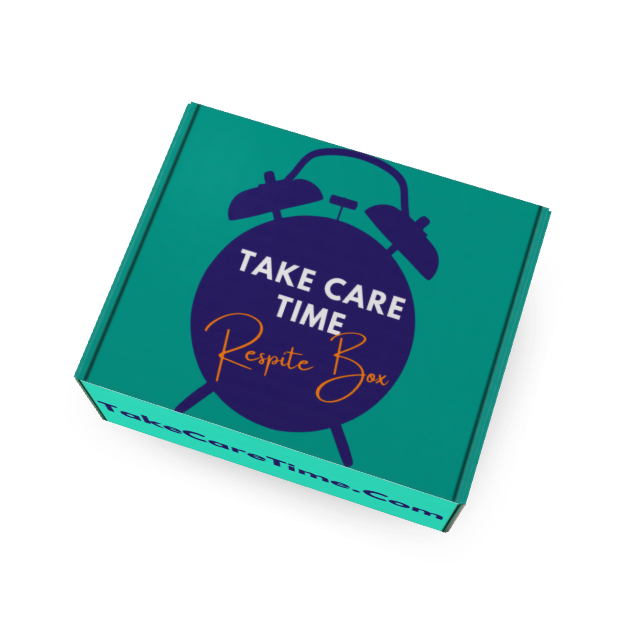
The TakeCareTime Respite Box offers a monthly dose of self-care and relaxation, designed to give caregivers a much-needed break from their responsibilities.
Source: TakeCareTime
Monthly subscription box focused on caregiver relaxation
Includes spa-like products, stress-relief items, and self-care activities
Option to add personalized notes or affirmations
Pros
Cons
Encourages regular self-care
May be seen as a luxury by some caregivers
High-quality relaxation products
Doesn’t address practical caregiving needs
Personalization options available
Use cases
A caregiver can use the box contents to create a weekly “me-time” ritual.
The stress-relief items can be used during short breaks throughout the day.
Perfect for caregivers who find solace in a relaxing bath, this subscription sends 5-7 bath and body products monthly.
Source: Cratejoy.com
Bath Bevy’s Tubless subscription is a monthly box designed for those who prefer shower-based self-care. It delivers a curated selection of handmade bath and body products that don’t require a bathtub, making it perfect for caregivers with limited time or access to a bath.
5 to 7 handcrafted bath and body items per month
Products include shower steamers, body scrubs, lotions, and more
Themed boxes with seasonal variations
Made in the USA by small-batch indie brands
Pros
Cons
Suitable for those without bathtubs
May have less variety than bath-focused boxes
High-quality, artisanal products
Monthly subscription might be too frequent for some
Supports small businesses
Use cases
A busy healthcare worker can use the shower steamers for quick aromatherapy sessions between shifts.
A caregiver can incorporate the body care products into a nightly self-care routine to unwind after a long day.
Selecting the Perfect Subscription Box for Your Caregiving Journey
Source: Styled Stock Society
Choosing the right subscription box can make a significant difference in your caregiving experience.
When choosing a subscription box, consider the specific needs and preferences of the caregiver. Some may benefit more from practical supplies, while others might need a regular reminder to prioritize self-care. Many of these subscriptions offer customization options or the ability to change or cancel the subscription, allowing for flexibility as needs change over time.
Here’s how to find the perfect fit for your needs.
Assessing personal needs and preferences
Start by asking yourself:
What aspects of caregiving do I find most challenging?
What types of self-care activities do I enjoy?
Do I need more practical supplies or emotional support?
Your answers will guide you towards the most suitable subscription box.
Factors to consider when choosing a subscription box
Content: Look for boxes that align with your specific caregiving situation and personal interests.
Frequency: Consider whether you prefer monthly, bi-monthly, or quarterly deliveries.
Customization options: Some services allow you to tailor the box contents to your needs.
Additional resources: Check if the subscription includes access to online communities or educational materials.
Budget-friendly options
If cost is a concern, consider these strategies:
Look for boxes that offer discounts for longer subscription commitments.
Explore less frequent delivery options (bi-monthly or quarterly).
Consider sharing a subscription with another caregiver to split costs.
Customization and flexibility
Many subscription services understand that caregiving needs can change over time. This flexibility allows you to adjust your subscription as your caregiving journey evolves.
Reading reviews and recommendations from other caregivers
Before committing to a subscription, take time to read reviews from other caregivers. Their experiences can provide valuable insights into the quality and usefulness of different boxes. Look for reviews on the company’s website, social media platforms, and independent review sites.
Beyond the Box: Additional Resources for Caregivers
While subscription boxes can provide valuable support, they’re just one piece of the puzzle. Here are some other resources caregivers should consider:
Maximize the emotional benefits of subscription boxes
To get the most out of your subscription box:
Set aside dedicated time to unbox and explore the contents.
Use the items mindfully, focusing on the sensory experience.
Share your experience with other caregivers or loved ones.
Incorporate the box’s items or activities into a regular self-care routine.
Conclusion
Caregivers are the unsung heroes of our communities, providing compassionate support often without recognition. Subscription boxes offer a small but meaningful way to acknowledge their incredible work. By investing in these carefully curated packages, caregivers can find moments of relief, joy, and personal connection, and we acknowledge their hard work, dedication, and the critical role they play in healthcare and family support systems.
Ultimately, these subscription boxes serve as more than just a collection of products. They’re a lifeline of support, a regular reminder that someone cares, and a practical way to address the often-overlooked needs of caregivers. Whether you’re a caregiver yourself or looking to support one in your life, consider how these subscription boxes might provide the ongoing care and appreciation that caregivers so richly deserve.
According to the Bureau of Labor Statistics, over 15% of healthcare workers provide overnight care, facing unique challenges that day shift caregivers rarely encounter. Whether you’re new to night shift caregiving or seeking ways to improve your overnight routine, mastering the right strategies can make a world of difference.
From maintaining alertness to managing your sleep schedule, the practical tips in this article will help you provide outstanding care while protecting your health and well-being.
To set yourself up for success during your night shifts, it’s essential to establish a consistent routine and prepare adequately.
A study of 96 nurses working night shifts found that those who maintained consistent sleep-wake schedules reported better sleep quality and less fatigue compared to those with irregular schedules.
In particular, a float schedule with consecutive 12-hour night shifts led to better sleep and fewer negative effects on mood and thinking compared to a 24-hour overnight call schedule. Naps during night shifts also helped improve alertness in both schedules (Massar et al, 2024).
Let’s explore practical strategies that can help you thrive in this unique work environment.
Create a consistent pre-shift routine
Establishing a consistent routine before your night shift can help signal to your body that it’s time to be alert and ready for work. Try to:
Wake up at the same time each day, even on your days off
Follow best practices for good sleep hygiene to avoid shift work disorder, which can cause insomnia. One part of sleep hygiene is keeping a regular sleep schedule:
Gradually adjust your sleep times in the days leading up to your night shift
Aim for 7 to 9 hours of sleep per day
Try to sleep in one long block rather than multiple short naps
Research shows that night shift workers who maintain a consistent sleep schedule, even on days off, experience fewer disruptions to their circadian rhythms (James et al., 2017).
Organize your overnight bag essentials
Pack a bag with these night shift essentials:
Healthy snacks and water bottle
Extra scrubs or uniform
Personal care items (toothbrush, deodorant)
Charger for electronic devices
Small flashlight for patient checks
Communicate with family about your new schedule
Open communication with your family is key to managing night shift work. Consider:
Creating a shared calendar to track your work schedule
Setting quiet hours for your sleep time
Designating family time on your days off
Night shift workers with supportive family members reported higher job satisfaction and better work-life balance (Dall’Ora et al., 2016).
Plan healthy meals and snacks
Proper nutrition is essential for night shift workers. Try these strategies:
Prep meals in advance for easy grab-and-go options
Focus on protein-rich foods to maintain energy levels
Avoid heavy, greasy meals that can cause digestive issues
Pack small, frequent snacks to eat throughout your shift
Managing Sleep and Alertness
Once you have a solid foundation for your night shift routine, the next step is to focus on managing your sleep and alertness. Creating an optimal sleep environment and understanding how to stay alert during your shift are crucial for maintaining your health and performance.
Set the right environment
Source: Styled Stock Society
Creating the right sleep environment is crucial for day sleeping. Consider:
Installing blackout curtains or using a sleep mask
Using earplugs or a white noise machine to block out daytime sounds
Keeping your bedroom cool (around 65°F or 18°C)
Removing electronic devices that emit blue light
Shift workers who created dark, quiet sleep environments experienced longer and more restful sleep periods (Ferri et al., 2016).
Use blackout curtains and white noise
Blackout curtains and white noise machines or audio can significantly improve sleep quality for night shift workers. Here’s why:
Blackout curtains block out sunlight, helping your body produce melatonin
White noise machines mask disruptive sounds, promoting deeper sleep
Research shows that using these tools can increase total sleep time by up to 45 minutes for day sleepers (James et al., 2017).
Tips to fall asleep after morning shifts
Falling asleep after a night shift can be challenging. Try these techniques:
Avoid caffeine in the last 4 to 6 hours of your shift
Practice relaxation techniques like deep breathing or meditation
Stick to a consistent bedtime routine
Strategic caffeine consumption guidelines
While caffeine can help with alertness, it’s important to use it strategically:
Limit intake to 400 mg per day (about 4 cups of coffee)
Avoid caffeine in the last 4 to 6 hours of your shift
Consider alternating between caffeinated and decaf beverages
Night shift nurses who followed these guidelines reported better sleep quality and less difficulty falling asleep after their shifts (Dall’Ora et al., 2016).
Exercise timing for better sleep quality
Source: Styled Stock Society
Regular exercise can improve sleep quality, but timing is key:
Aim for moderate exercise 5 to 6 hours before bedtime
Avoid intense workouts close to sleep time
Consider gentle stretching or yoga as part of your pre-sleep routine
Research indicates that night shift workers who engage in regular exercise report better sleep quality and less fatigue during their shifts (Ferri et al., 2016).
Providing Effective Overnight Care
While managing your own sleep and alertness is vital, providing effective overnight care to your patients is equally important. Let’s go over strategies that ensure patient safety and comfort during the night.
Maintain patient safety during nighttime hours
Patient safety is paramount during night shifts. Implement these strategies:
Conduct regular rounds to check on patients
Use low-level lighting to minimize sleep disruptions
Ensure all necessary equipment is easily accessible
Double-check medication dosages and patient identities
Night shift work can harm nurses’ sleep and performance, potentially risking patient safety.
Implementing hourly rounding reduced patient falls by 50% and improved overall patient satisfaction (James et al., 2017).
Hospitals and other care facilities should set policies that support nurses’ well-being, such as frequent breaks, flexible scheduling, and support (AL-hrinat et al, 2024). Employees do better when they have a say in their work schedules. While unions could help negotiate shift work rules, many caregivers don’t have union access or see much benefit beyond higher pay for certain shifts (Awosoga et al., 2020).
Manage sundowning behaviors
Sundowning, or increased confusion and agitation in the evening, is common in some patients. Here’s how to manage it:
Maintain a calm, quiet environment
Use familiar objects to orient patients
Encourage regular sleep-wake cycles
Avoid arguing or contradicting patients
Quiet activities for restless patients
For patients who have trouble sleeping, consider these quiet activities:
Soft music or audiobooks
Gentle hand massages
Coloring books or simple puzzles
Relaxation techniques like guided imagery
Documentation best practices
Accurate documentation is crucial during night shifts. Follow these tips:
Use clear, concise language
Document in real-time whenever possible
Double-check all entries for accuracy
Use approved abbreviations only
Emergency response protocols
Be prepared for emergencies with these steps:
Familiarize yourself with emergency equipment locations
Know the facility’s emergency response procedures
Practice scenarios with your team regularly
Keep emergency contact numbers easily accessible
A hospital that implemented regular emergency response drills for night shift staff saw a 30% improvement in response times during actual emergencies (Dall’Ora et al., 2016).
Staying Safe and Alert
In addition to providing excellent care, staying alert and safe during your shift is essential. We’ll discuss techniques that can help you maintain energy levels and ensure your safety both at work and on your way home.
Light exposure management techniques
Managing light exposure can help regulate your circadian rhythm:
Use bright lights during the first half of your shift
Gradually decrease light exposure as your shift progresses
Wear sunglasses when leaving work in the morning
Strategic light exposure can improve alertness and performance during night shifts by up to 20% (Ferri et al., 2016).
Healthy snacking strategies
Source: Styled Stock Society
Maintain energy levels with these snacking tips:
Choose protein-rich snacks like nuts or Greek yogurt
Opt for complex carbohydrates like whole grain crackers
Avoid sugary snacks that can lead to energy crashes
Stay hydrated with water or herbal tea
Physical activity during shifts
Incorporate movement into your shift to stay alert:
Take short walks during breaks
Do simple stretches at your workstation
Use the stairs instead of elevators when possible
Consider a standing desk for part of your shift
Night shift nurses found that those who incorporated regular movement into their shifts reported 15% higher alertness levels (James et al., 2017).
Engaging with other night shift staff
Social interaction can help combat fatigue. Try these ideas:
Take breaks with colleagues when possible
Organize group activities for slow periods
Share healthy snacks or meals
Discuss interesting cases or professional development topics
Safety measures for driving home
Driving after a night shift can be dangerous. Follow these safety tips:
Consider carpooling or using public transportation
Use a rideshare service if you feel too tired to drive safely
Keep your car cool and well-ventilated
If driving, take a short nap before leaving work
Night shift workers who took a 20-minute nap before driving home had a 50% reduction in drowsy driving incidents (Dall’Ora et al., 2016).
Taking Care of Your Health
As a night shift caregiver, prioritizing your health is key to sustaining your ability to care for others. This section will cover practical tips for maintaining a healthy lifestyle, managing stress, and ensuring regular health checkups.
Balanced nutrition for night workers
Proper nutrition is crucial for night shift workers. Focus on:
Eating regular, balanced meals
Including protein, complex carbohydrates, and healthy fats
Staying hydrated throughout your shift
Limiting processed and high-sugar foods
Research shows that night shift workers who maintain a balanced diet have a 30% lower risk of developing metabolic disorders (Ferri et al., 2016).
Stress management techniques
Source: Styled Stock Society
Managing stress is essential for night shift workers. Try these techniques:
Seek support from colleagues or a professional counselor
Regular health checkups
Night shift work can impact your health, so regular check-ups are important:
Schedule annual physical exams
Monitor your blood pressure and cholesterol levels
Get regular sleep assessments
Discuss any concerns with your healthcare provider
Studies show that night shift workers who have regular health check-ups are more likely to catch and address potential health issues early (James et al., 2017).
Manage your social relationships
Source: Styled Stock Society
Maintaining social connections can be challenging for night shift workers. Try these strategies:
Schedule regular catch-ups with friends and family
Use technology to stay connected during off-hours
Join social groups or clubs that align with your schedule
Be open about your work schedule and its challenges
Exercise routines for night shift workers
Regular exercise is crucial for night shift workers. Consider:
Short, high-intensity workouts before your shift
Yoga or stretching during breaks
Using a fitness tracker to monitor activity levels
Joining a 24-hour gym for flexible workout times
Night shift nurses who maintained regular exercise routines reported 25% higher energy levels and better overall health (Dall’Ora et al., 2016).
Creating a Supportive Environment
Building a supportive environment with colleagues and family can make a significant difference in your night shift experience.
A study found that better work environments led to improved sleep for caregivers. For each positive feature added, such as safe conditions, low stress, and supportive workplaces, short sleep decreased by 7% and poor sleep quality by 17% (Awosoga et al., 2020).
Let’s explore ways to foster relationships and communication that enhance both professional collaboration and personal well-being.
Build relationships with other night shift workers
Strong relationships with colleagues can improve job satisfaction and performance:
Organize team-building activities
Share coping strategies and tips
Offer support during challenging shifts
Celebrate team successes together
Effective handoff procedures
Smooth handoffs are crucial for patient safety:
Use a standardized handoff tool (SBAR)
Allow time for questions and clarifications
Ensure all critical information is communicated
Document handoffs thoroughly
Hospitals that implemented structured handoff procedures saw a 30% reduction in medical errors during shift changes (Ferri et al., 2016).
Communication with day shift staff
Maintaining good communication with day shift staff is important:
Leave clear, detailed notes about patient care
Use shared communication tools or boards
Schedule regular meetings to discuss ongoing issues
Be respectful of each other’s time and workload
Family support strategies
Maintaining family relationships while working nights can be challenging. Try these strategies:
Create a family calendar to track schedules
Plan special activities during your off time
Use technology to stay connected during your shift
Educate your family about the importance of your sleep time
Professional development opportunities
Continuing education is important for career growth:
Look for online courses that fit your schedule
Attend conferences or workshops on your days off
Participate in workplace training programs
Consider pursuing advanced certifications in your field
Night shift healthcare workers found that those who actively pursued professional development reported higher job satisfaction and were more likely to stay in their roles long-term (Dall’Ora et al., 2016).
Conclusion
Working as a night shift caregiver presents unique challenges, but with these strategies, you can excel in providing exceptional care while maintaining your own well-being.
Make your next night shift more manageable and rewarding by prioritizing your sleep schedule, staying connected with your support system, and adjusting your routine until you find what works best for you.
References
AL-hrinat, J., Al-Ansi, A.M., Hendi, A. Adwan, G. & Hazaimeh, M. (2024). The impact of night shift stress and sleep disturbance on nurses quality of life: case in Palestine Red Crescent and Al-Ahli Hospital. BMC Nursing, 23, 24. doi.org/10.1186/s12912-023-01673-3
Awosoga, O., Steinke, C., Nord, C., Doan, J., Varsanyi, S., Meadows, J., Odole, A., & Murphy, S. (2020). Exploring the role of shift work in the self-reported health and wellbeing of long-term and assisted-living professional caregivers in Alberta, Canada. Human Resources for Health, 18, 70. doi.org/10.1186/s12960-020-00515-6
Dall’Ora, C., Ball, J., Recio-Saucedo, A., & Griffiths, P. (2016). Characteristics of shift work and their impact on employee performance and wellbeing: A literature review. International Journal of Nursing Studies, 57, 12-27.
Ferri, P., Guadi, M., Marcheselli, L., Balduzzi, S., Magnani, D., & Di Lorenzo, R. (2016). The impact of shift work on the psychological and physical health of nurses in a general hospital: a comparison between rotating night shifts and day shifts. Risk Management and Healthcare Policy, 9, 203-211.
James, S. M., Honn, K. A., Gaddameedhi, S., & Van Dongen, H. P. A. (2017). Shift Work: Disrupted Circadian Rhythms and Sleep—Implications for Health and Well-being. Current Sleep Medicine Reports, 3(2), 104-112.
Massar, S. A. A., Chua, X. Y., Leong, R., et al. (2024). Sleep, Well-Being, and Cognition in Medical Interns on a Float or Overnight Call Schedule. JAMA Network Open, 7(10):e2438350. doi:10.1001/jamanetworkopen.2024.38350
As the population ages and more people require care at home, they rely on family caregivers more and more. As of 2023, 42 million Americans provide unpaid care to an adult family member. While this care is invaluable, it often creates financial strain.
Thankfully, various Medicare and government assistance programs can help ease this burden by providing financial support for family caregivers.
Whether you’re new to caregiving or have been supporting a loved one for years, understanding these financial resources is paramount. So let’s explore the ways these programs can provide financial assistance to family caregivers.
To effectively support family caregivers, it’s essential to understand how Medicare can provide indirect assistance through its coverage of home health services.
Medicare benefits that support family caregivers
Medicare, the federal health insurance program for people 65 and older and some younger individuals with disabilities, doesn’t directly pay family members to provide care. But it offers some benefits that cover specific home health services.
Family caregivers can receive these services on behalf of a Medicare beneficiary if that beneficiary cannot participate in care planning because of their illness.
Medicare’s Consumer-Directed Personal Assistance Program
The Consumer Directed Personal Assistance Program (CDPAP) lets individuals manage their own care through self-directed services.
Bert Hofhuis of Sovereign Boss in the UK says that many insurance plans, including Medicare and private insurance, have limitations on what they cover for in-home care. “For example, Medicare may cover some home health services but often does not cover custodial care.”
They must be under a doctor’s care and receiving services under a plan of care established and regularly reviewed by a doctor.
A doctor must certify that they need intermittent skilled nursing care or physical therapy, speech-language pathology, or continued occupational therapy services.
The home health agency providing services must be Medicare-certified.
A doctor must certify that the beneficiary is homebound, meaning leaving home is a considerable and taxing effort.
While Medicare doesn’t directly pay family caregivers, many states offer Medicaid Self-Directed Care programs that allow beneficiaries to hire and pay family members as caregivers. These programs vary by state in terms of eligibility requirements and payment amounts.
For example, as of March 2024, all 50 states and D.C. have at least one program that provides assistance to elderly individuals living outside of nursing homes. A few examples:
HCBS waivers, also known as 1915(c) waivers, allow states to pay for care and support services for individuals residing outside of nursing homes. These waivers often cover personal care and chore services provided to elderly or disabled individuals living in their own homes or the homes of family members.
Local resources and support organizations can also provide valuable assistance to family caregivers, which may include:
Area Agencies on Aging
Local chapters of disease-specific organizations (Alzheimer’s Association)
Community centers and senior centers
Faith-based organizations
These organizations often offer resources, support groups, and sometimes even small grants or respite care services.
Direct Payment Programs for Family Caregivers
Beyond Medicare and tax benefits, several direct payment programs exist that can financially assist family caregivers, recognizing the crucial role they play in the care of their loved ones.
Program of Comprehensive Assistance for Family Caregivers (PCAFC): This program provides a monthly stipend, access to health care insurance, mental health services, and respite care for eligible veterans and their family caregivers.
Veteran-Directed Care (VDC) Program: This program gives veterans a flexible budget for long-term services and supports that can be managed by the veteran or their family caregiver.
Aid and Attendance (A&A) Benefits: This is an increased monthly pension amount for qualified veterans and survivors who require the aid and attendance of another person.
If your loved one has a long-term care insurance policy, check with the insurance provider for details on whether it covers care provided by family members.
Spousal Benefits: If you’re caring for a spouse who receives Social Security benefits, you may be eligible for spousal benefits.
Disabled Adult Child Benefits: If you became disabled before age 22 and are now caring for a parent who receives Social Security, you might qualify for benefits on your parent’s record.
Supplemental Security Income (SSI): If you’re providing care and have limited income and resources, you might be eligible for SSI.
Personal care agreements
A personal care agreement is a contract between a family caregiver and their loved one that details the care provided and the payment for those services. While not a government program, this formal arrangement can help protect a senior’s eligibility for Medicaid and provide legal compensation for the caregiver.
Tax Benefits and Credits for Family Caregivers
Family caregivers may also find relief through tax benefits and credits that can help offset the costs associated with providing care for their loved ones.
The coordination of benefits between private insurance and Medicare/Medicaid is something Shawn Plummer, CEO of The Annuity Expert educates his customers about. For example, he explains that determining the primary and secondary payers can help maximize coverage and minimize out-of-pocket expenses. Additionally, exploring supplemental insurance options can fill gaps not covered by primary insurance plans.
The Child and Dependent Care Credit can be claimed if you paid expenses for the care of a qualifying individual to enable you (and your spouse, if filing jointly) to work or actively look for work. If you’re caring for a spouse or dependent who is physically or mentally incapable of self-care, you might qualify for this credit.
If you’re single and paying more than half the cost of keeping up a home for a qualifying person, you may be able to file as head of household, which comes with a higher standard deduction and lower tax rates.
State-specific tax benefits
Some states offer additional tax benefits for caregivers. For example:
Oregon offers a credit for elderly care expenses.
Maryland has a Long-Term Care Insurance Premium Tax Credit.
Montana provides a credit for elderly care expenses for certain low-income individuals.
More tips to navigate complex insurance hurdles
Dr. Caryn McAllister of High Quality Therapy, Hofhuis and Plummer share more tips to navigate complex insurance issues:
Understand the specifics of health insurance policies: Ask questions about things you don’t understand, and “seek plans that cover in-home care services, medical supplies, and home modifications to be prepared,” says Hofhuis. “It’s essential to review policy details and consider supplemental insurance to cover gaps.”
Take notes: “When dealing with insurance representatives on the phone, always write down the name of the person you speak with, information regarding the call and a reference for the call. Write everything down and email as much as possible so you have proof of everything,” Dr. Allister says.
Use HSAs and FSAs: When available, Plummer and Hofhuis recommend usingHSAs and Flexible Savings Accounts (FSAs), which can provide tax-advantaged funds that can be used for medical expenses, including caregiving costs.
Plan for long-term care: Consider purchasing long-term care insurance early to cover potential future caregiving needs.
Keep records for tax purposes: Keep detailed records of caregiving expenses, as some may be tax-deductible, potentially easing your financial burden, Plummer and Hofhuis concur.
Always check with your state’s tax authority or a tax professional for the most up-to-date information on state-specific tax benefits.
Additional Financial Support Resources
In addition to direct payments and tax benefits, there are numerous financial support resources available that can provide caregivers with much-needed assistance and respite.
Respite care funding
Respite care provides temporary relief for primary caregivers. You may be able to access funding for respite care through:
Several non-profit organizations offer grants to caregivers. For example:
The Alzheimer’s Foundation of America offers grants for respite care.
The National Multiple Sclerosis Society provides grants for home modification and assistive technology.
Family leave benefits
The Family and Medical Leave Act (FMLA) provides eligible employees with up to 12 weeks of unpaid, job-protected leave per year to care for a spouse, child, or parent with a serious health condition. Some states have expanded on this with paid family leave programs.
Emergency financial assistance programs
In times of crisis, emergency financial assistance may be available through:
Local social services departments
Community action agencies
Faith-based organizations
Disease-specific organizations
Applying for Caregiver Compensation
The application process for caregiver compensation can be complex, but understanding the necessary steps can simplify the journey toward receiving financial support.
Required documentation
When applying for caregiver compensation programs, you may need to provide:
Proof of the care recipient’s medical condition
Financial records
Caregiver qualifications
Detailed care plan
Proof of relationship to the care recipient
Eligibility assessment process
The eligibility assessment typically involves:
Initial screening (often over the phone)
In-home assessment by a social worker or nurse
Review of medical records
Financial eligibility determination
Application timeline expectations
The application process can vary widely depending on the program and your location. It can take anywhere from a few weeks to several months. Be prepared for potential delays and follow up regularly on your application status.
Appeals process information
If your application is denied, you usually have the right to appeal. The appeals process typically involves:
Requesting a hearing within a specified timeframe (often 30-60 days)
Submitting additional documentation
Attending a hearing (in person or by phone)
Receiving a written decision
Navigating these programs can be complex. Don’t hesitate to seek help from local aging services professionals or elder law attorneys to understand all options and eligibility requirements in your specific situation.
Being a family caregiver shouldn’t mean sacrificing your financial security. By taking advantage of Medicare benefits, state programs, and various financial assistance options, you can continue providing essential care while maintaining stability. Start by exploring the programs most relevant to your situation, and don’t hesitate to reach out to local aging services for guidance. Remember, investing time in understanding these resources today can lead to better support for both you and your loved one tomorrow.
Providing care for a family member can be a profound act of love, but it can also be physically and emotionally draining. Many caregivers want to ask their family members for help, but it can feel like a daunting task.
Let’s discuss how to ask for and get caregiving assistance from your family, with proven techniques to facilitate open and constructive conversations with your family, for a more balanced and sustainable caregiving experience.
Home Instead cites that 72% of primary caregivers don’t have any outside help. 31% want more help, and 25% resent other family members who don’t help.
Recognizing and articulating your needs is the first step toward building a supportive caregiving network with your family.
Acknowledge the challenges you’re facing
Caregiving is a demanding role that can take a toll on your physical and mental health. It’s crucial to recognize the difficulties you’re experiencing. This statistic highlights the importance of admitting that you’re struggling and need help.
Identify specific areas where you require assistance
Are you struggling with managing medications, preparing meals, or providing transportation? Take some time to reflect on your daily caregiving tasks and pinpoint areas where you need the most help.
By identifying specific needs, you can make more targeted requests for assistance.
Communicate your needs with empathy and vulnerability
When expressing your needs to your family, it’s essential to be open and honest about your feelings. Use “I” statements to convey your emotions and experiences. For example, “I’m feeling overwhelmed with managing Dad’s doctor appointments and could use some help coordinating them.”
Involving Your Family
Once you’ve acknowledged your needs, the next step is engaging your family members in a constructive dialogue about caregiving responsibilities.
Gather your family members for a dedicated discussion
Organize a family meeting to discuss the caregiving situation. This can be done in person or via video call if family members live far apart.Family meetings can improve communication and decision-making in caregiving situations.
Encourage open and honest communication
Create an environment where everyone feels comfortable sharing their thoughts and concerns. Ask open-ended questions to encourage dialogue, such as “What are your thoughts on our current caregiving arrangement?”
Ensure everyone’s voices are heard and their concerns addressed
Give each family member an opportunity to express their perspective. Listen actively and validate their feelings, even if you don’t agree with everything they say. This approach can help build trust and foster a collaborative atmosphere.
Identify each family member’s strengths and availability
Consider each family member’s skills, interests, and schedule when assigning tasks. For instance, a tech-savvy sibling might be best suited to manage online bill payments and medical records, while someone with a flexible work schedule could handle doctor’s appointments.
Create a fair and balanced caregiving plan
Develop a caregiving schedule that distributes responsibilities equitably among family members. Shared caregiving responsibilities can lead to better outcomes for both the care recipient and the caregivers.
Establish clear expectations and boundaries
Be specific about what each task entails and how often it needs to be done. Set realistic expectations and be clear about any limitations or boundaries. For example, “I can handle Mom’s grocery shopping every other week, but I need someone else to cover the alternate weeks.”
Navigating Difficult Conversations
As you delegate responsibilities, be prepared to address any concerns or hesitations from family members to ensure a smooth transition into shared caregiving.
Address any resistance or hesitation from family members
It’s common for some family members to be reluctant to take on caregiving responsibilities. Approach these conversations with empathy and try to understand their perspective. Acknowledging and addressing family members’ concerns can lead to more productive caregiving discussions.
Find compromises and solutions that work for everyone
Be open to alternative suggestions and creative solutions. If a sibling can’t provide hands-on care, perhaps they can contribute financially or handle administrative tasks remotely.
Maintain patience and compassion throughout the process
Remember that adjusting to new caregiving roles can be challenging for everyone involved. Be patient with your family members as they learn and adapt to their new responsibilities.
Maintaining Ongoing Communication
You’re not done. Establishing a routine for regular check-ins will help you assess your caregiving plan and make adjustments as circumstances change.
Schedule regular check-ins to assess the caregiving plan
Set up periodic family meetings to discuss how the caregiving plan is working. This allows you to address any issues promptly and make necessary adjustments.
Address any changes or adjustments that may be needed
Be flexible and willing to modify the caregiving plan as circumstances change. The care recipient’s needs may evolve over time, and family members’ availability may shift.
Celebrate successes and express gratitude for your family’s support
Acknowledge and appreciate the efforts of your family members. Expressing gratitude can strengthen relationships and increase overall well-being.
Asking your family for caregiving assistance is an act of courage, not weakness. By approaching these conversations with empathy, honesty, and a willingness to collaborate, you can build a support network that not only benefits your loved one but also helps to sustain your own well-being.
You don’t have to go through this alone. Embrace the support of your family, and together, you can provide the care your loved one deserves while maintaining a healthy balance in your own life.