In an era where digital healthcare is becoming increasingly prevalent, Amwell is a prominent player in the telehealth arena. But how does Amwell stack up against its competitors?
This in-depth Amwell telehealth review will explore the ins and outs of Amwell’s telehealth services, to help you decide if it’s the right choice for your healthcare needs.
You can access their services from virtually anywhere with internet access or their mobile app. From urgent care to behavioral health, Amwell’s platform is designed to cater to various healthcare needs.
Specialist Appointments: Access to dermatologists, dietitians, and more.
Prescriptions: Medication management and prescription refills.
How to schedule and start a virtual doctor visit
Scheduling an appointment with Amwell is straightforward:
Enroll: Create an account on the Amwell platform.
Choose: Select a doctor based on their experience and ratings.
Visit: Start your video call using secure, high-quality streaming video.
Most doctor visits last about 10 minutes, but you can extend the time if needed. These doctors can review your medical history, diagnose conditions, and prescribe medications if necessary.
Next, let’s review Amwell’s valuable features and benefits.
24/7 availability for urgent care
One of the standout features of Amwell is its 24/7 availability. You can access urgent care services anytime, even in the middle of the night or on a holiday.
You can choose from a variety of specialists at Amwell, including therapists, neurologists, dermatologists, and dietitians. This broad range of services ensures that you can find the right expert for your specific healthcare needs.
Amwell doctors can prescribe medications and send them directly to your preferred pharmacy. This is particularly helpful to manage ongoing treatments and chronic conditions, and get your necessary medications fast.
Note: A video visit is required by most states (not an audio-only visit) before Amwell can prescribe medication.
Integration with health insurance plans
Amwell works with several health insurance providers, making it easier for patients to get covered services. They also offer options for uninsured patients. Let’s dig into that a bit more, shall we?
Cost and Insurance Coverage
Understanding costs and insurance coverage is crucial when considering a telehealth service. This section discusses Amwell’s pricing.
Amwell pricing
The costs you pay for Amwell visits vary by visit type and insurance coverage:
Urgent Care: The cost starts at $69, unless your insurance co-pay is lower.
Mental Health: Therapy sessions range from $99 to $110, depending on the therapist’s qualifications.
Psychiatry: The initial visit for a psychiatric consultation is more expensive at $279. Follow-up visits with the same provider are $109 per visit.
Amwell works with many insurance companies, which can lower your costs. Before booking an appointment, check with your insurance provider. If you don’t have insurance, Amwell still offers competitive pricing.
Comparison with traditional in-person visits
Telehealth visits on Amwell are often more affordable than traditional in-person visits. The convenience of not having to travel and the ability to access care at any time makes it even more cost-effective.
Insurance plans accepted by Amwell
Amwell partners with various insurance companies, including Aetna, Blue Cross Blue Shield, UnitedHealthcare, and Anthem. Many insurance plans cover urgent care and mental health (behavioral health) services to reduce out-of-pocket costs.
Over 100 million members have Amwell as a covered benefit. To confirm insurance coverage and pricing, check with your insurance provider before making an appointment.
For those without insurance, Amwell offers competitive pricing for its services. The platform ensures that everyone can access quality healthcare, regardless of their insurance status.
A user-friendly platform is essential for effective telehealth services. Let’s examine Amwell’s interface next.
User Experience and Interface
An easy-to-use interface* is essential for a telehealth platform, and Amwell fits the bill.
Easy account creation and setup
Creating an account on Amwell is quick and straightforward. The platform guides you through the process, and securely stores your information for future visits.
Navigation of the Amwell app and website
Both the Amwell app and website are designed with user experience (UX) in mind. The intuitive layout makes it easy to find doctors, schedule appointments, and access medical records.
Quality of video consultations
Amwell uses high-quality streaming video for consultations, ensuring clear communication between patients and doctors. This feature is crucial for accurate diagnoses and effective treatment plans.
Patient support and resources
Amwell offers robust patient support, including FAQs, live chat, and phone support. These resources help users navigate the platform and resolve any issues they may encounter.
Is it safe to use Amwell services over the internet? How does Amwell ensure patient data is protected? We answer these questions next.
Privacy and Security Measures
Privacy and security are paramount in telehealth services. Here’s how Amwell addresses privacy and security concerns.
The platform uses encrypted messaging and secure file-sharing protocols to protect patient data during communication and consultations.
Patient data storage and access policies
Amwell stores patient data securely, and you can access your medical records anytime. This transparency helps build trust and ensures you have control over your health information.
To provide a balanced view, let’s consider the advantages and potential drawbacks of using Amwell.
Pros and Cons of Using Amwell
Understanding patient feedback can provide valuable insights into the effectiveness of a telehealth service. And like any service, Amwell has its advantages and potential drawbacks.
Amwell has mixed reviews from users. Amwell offers competitive pricing and a wide range of services compared to other telehealth providers.
While many praise the convenience and quality of care, others expressed dissatisfaction with customer service, appointment scheduling, and reliability.
Here’s what people who’ve used Amwell had to say about their experience.
Amwell’s telehealth platform provides convenient, accessible, and cost-effective healthcare services. With its wide range of services, 24/7 availability, and integration with many insurance plans, it’s a solid option for those seeking virtual healthcare. However, like any telehealth service, there are areas for improvement.
Whether you’re looking for urgent care, specialist consultations, or mental health services, Amwell provides a comprehensive solution that could meet your various healthcare needs. Consider your specific healthcare needs, the types of services you require, and your comfort level with virtual consultations when deciding if Amwell is right for you.
Telehealth apps offer urgent care services right from the comfort of your home. In a recent Rock Health survey with 8,000 respondents, 76% said they used telehealth services in 2023 – a huge increase since the COVID-19 pandemic.
Many digital health companies have taken advantage of this surge in popularity, each vying to provide the best experience. But which telehealth apps are best for urgent care?
In this comprehensive guide, we’ll explore the best telehealth apps for urgent care, helping you understand what to look for in a telehealth app when you need medical attention fast.
What Makes a Great Telehealth App for Urgent Care?
When choosing a telehealth app for urgent care, be sure it has these must-have features (Shah, n.d.):
Easy Patient Registration: The app should allow quick and straightforward registration with minimal information required.
Patient Dashboard: A dashboard that provides a comprehensive view of medical history, current conditions, and treatment plans is crucial.
Doctor Catalog: The app should offer detailed profiles of healthcare providers, including their qualifications and specialties.
Appointment Management: Features like calendar integration and reminders help manage appointments efficiently.
E-Prescription: The ability to receive prescriptions electronically is a must-have. It helps doctors create and deliver prescriptions with fewer errors (Haleem et al., 2021).
Payment Gateway: Secure and straightforward payment options enhance user experience.
User-friendly interface
A user-friendly interface is vital for patients and healthcare providers. It should be easy to navigate, with clear instructions and intuitive design. This ensures that users can quickly find what they need, reducing frustration and improving overall satisfaction.
Board-certified healthcare providers
If the app connects you with board-certified healthcare providers, you’re almost guaranteed to get quality care.
Integration with insurance plans and pricing transparency
Check if the app works with with your insurance plan and shows the up front costs. This can help you avoid unexpected costs, and ensure you can use your insurance benefits effectively.
Now that we’ve covered the essential components of a great telehealth app for urgent care, let’s take a closer look at some of the top-rated options.
Top-Rated Telehealth Apps for Urgent Care
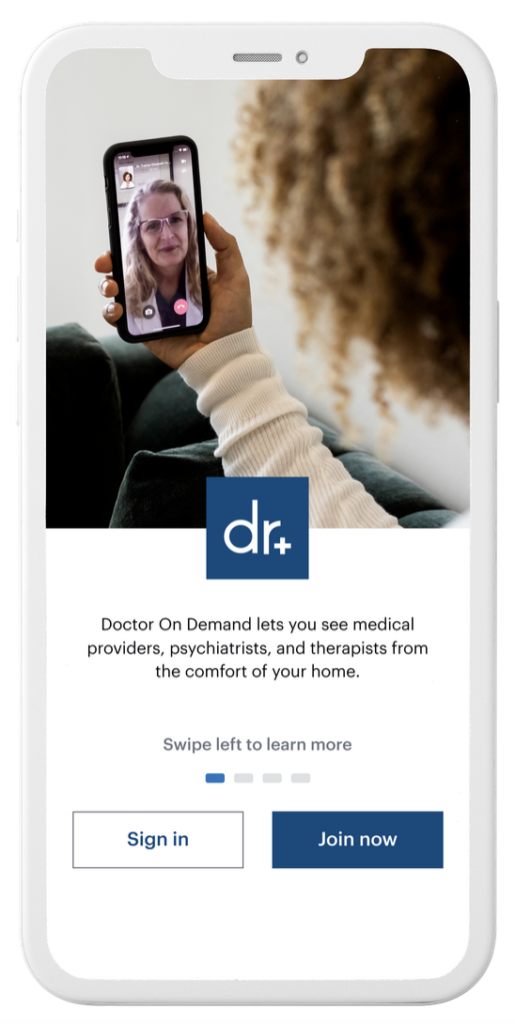
1. Doctor on Demand
Source:Doctor on Demand
Doctor on Demand offers a wide range of services, including urgent care, mental health, and preventive care. It’s available on iOS, Android, and web platforms.
Key Features:
24/7 access to board-certified doctors
Mental health services
Prescription refills
Integration with major insurance plans
Pros
Cons
24/7 availability
Higher cost without insurance
Accepts Medicare
Limited specialty care
User-friendly interface
Use Cases:
Treating common conditions like urinary tract infections (UTIs), viruses, and sinus infections
MDLive provides urgent care, primary care, and mental health services. It’s known for its comprehensive mental health offerings and user-friendly platform.
Founded in 2002, Teladoc is a pioneer in telehealth. Their app and online portal provide a wide range of healthcare services, including urgent care, mental health support, and chronic condition management.
Key Features:
No-pay service for eligible patients
Prescription services
Simple consultation process
Pros
Cons
24/7 availability
Higher cost without insurance
Wide range of services
Limited availability in some regions
User-friendly interface
Use Cases:
Treating common conditions like the flu, allergies, and sinus infections
Ongoing mental health support with the same specialist
Compare the features and services of different apps. Look for those that offer the specific services you need, such as 24/7 access, mental health support, or prescription refills.
Ensure the app connects you with board-certified providers. Also, check the availability of providers to ensure you can get an appointment when you need it.
Read user reviews and testimonials
User reviews and testimonials can provide valuable insights into the app’s performance and user experience. Look for apps with high ratings and positive feedback.
Once you’ve chosen the appropriate telehealth app, get familiar with it so you’re ready when you or your family have urgent care needs.
Telehealth apps give us greater access to urgent care, providing quick, convenient, and high-quality medical attention when we need it most. Whether you’re dealing with a sudden illness, need a quick consultation, or require ongoing care, these top telehealth apps for urgent care are ready to connect you with qualified professionals.
When you choose the right app for your needs, expert healthcare is always just a few taps away. Don’t wait until an emergency strikes – explore these apps today and be prepared for whatever health concerns tomorrow may bring.
References
Haleem, A., Javaid, M., Singh, R. P., & Suman, R. (2021). Telemedicine for healthcare: Capabilities, features, barriers, and applications. Sensors International; 2, 100117. doi.org/10.1016/j.sintl.2021.100117
Home health monitoring wearables to track blood pressure, heart rate and sleep are popular. A 2022 AnalyticsIQ study of 8,000 Americans showed that we’ve doubled our use of wearable health devices between 2020 and 2021. Almost half of the respondents used at least one type of wearable tech, and Black, Latinx, male, and Gen X respondents used it the most.
This surge in popularity is no surprise, as home health monitoring empowers people to take control of their well-being from the comfort of their own homes.
In this guide, we’ll walk you through the essentials of setting up a home health monitoring system.
Home health monitoring uses technology to track and manage health conditions at home or on the go.
Home health monitoring systems let you monitor various health metrics and share the data with healthcare providers remotely. It includes connected health devices and apps to collect, analyze, and transmit health data, facilitating continuous health management without frequent in-office visits (Story, 2010).
Source: ScienceDirect.com, Ahmed & Kannan, 2022.
Key benefits of monitoring health at home
Home health monitoring offers numerous advantages:
Increased Health Awareness: People become more aware of their health status, making informed decisions about diet, lifestyle, and treatment options.
Reduced Physical Consultations: Minimizes the need for in-person visits, which can be beneficial for people with mobility issues or those living in remote areas.
Real-Time Intervention: Allows for prompt medical interventions based on real-time data, to prevent potential complications.
Cost Savings: Reduces healthcare costs by decreasing hospital admissions and emergency room visits.
Improved Chronic Disease Management: Enhances the management of chronic conditions through continuous monitoring and timely adjustments to treatment plans.
Trackable health metrics
Home health monitoring can track a wide range of health metrics, including:
Vital Signs: Heart rate, blood pressure, and body temperature.
Biometric Data: Blood glucose levels, blood oxygen saturation (SpO2), and body composition.
Activity Levels: Steps taken, calories burned, and sleep patterns.
Symptoms: Tracking symptoms related to chronic conditions or acute illnesses.
Medical and tech devices for home health monitoring
Several technologies and devices are available for home health monitoring (Dusun, 2024):
Smart Scales: Measure weight and body composition.
Special monitors for dementia and Parkinson’s disease
Breathing apparatuses
Fetal monitors
Let’s review each of the less complex medical devices in turn.
Essential Devices for Home Health Monitoring
Smart scales for weight and body composition
A study in England showed that smart scale users who weighed themselves often were more likely to lose weight, and weigh themselves after recent weight loss (Sperrin et al., 2016).
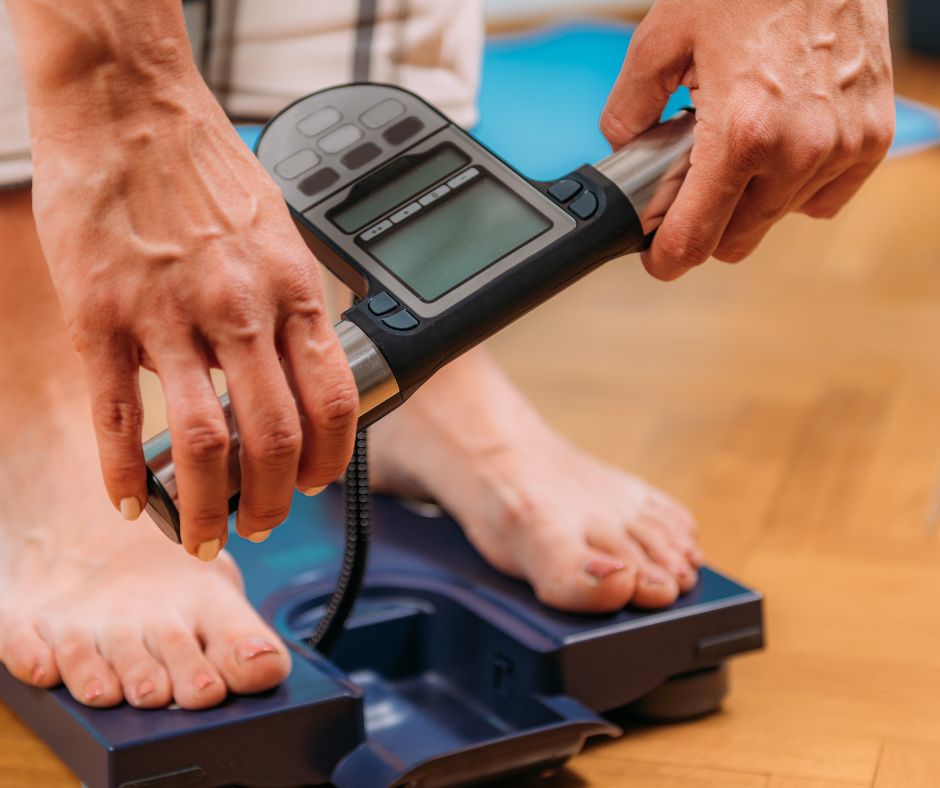
Smart scales go beyond measuring weight; they can also analyze body composition, including body fat percentage, muscle mass, and bone density. These scales connect to health apps, allowing users to track their progress over time.
Before measuring your body composition:
Don’t drink alcohol for 2 days before measuring.
Avoid exercise, coffee, chocolate, or other diuretics (drinks that make you pee a lot) for 12 hours.
Don’t eat or drink anything for 4 hours before.
Don’t measure if you’re sick with a fever or diarrhea.
Use the bathroom within 30 minutes of measuring.
How to use a smart scale
Mondal & Mondal (2021) recommend the following steps to measure your body composition:
Enter your age, sex, and height into the device.
Stand in the right position to ensure you’re touching the electrodes properly.
If your hands and feet are very dry, use a damp cloth to moisten them.
Stand still during the measurement.
These devices may show body fat as a percentage, but don’t rely on just one measurement. Take three in a row, find the average (add the results, then divide by three), and write it down in a health log or app.
Blood pressure monitors
Blood pressure monitors are essential for people with hypertension or heart conditions. These devices provide accurate readings of systolic and diastolic blood pressure to manage cardiovascular health.
Before taking your blood pressure:
Don’t measure your blood pressure until at least 30 minutes after having tea, coffee, energy drinks, cigarettes, or exercising.
Remove tight clothes and use the bathroom.
How to use a blood pressure monitor
Mondal & Mondal (2021) recommend the following steps to take your blood pressure:
Sit in a chair with back support, and legs uncrossed with feet flat on the floor. Rest your arm on a table at heart level.
Put the cuff on their bare arm and start measuring. Don’t move or talk during the measurement.
Take two readings one minute apart, and take the average of them (add the results, then divide by two). For better accuracy, you can do three readings, but it’s optional.
Write down the final number in a health log or app to track any changes.
Glucose meters for diabetes management
Glucose meters, or glucometers, are crucial for diabetes management, which helps people monitor their blood sugar levels regularly. Some advanced models can sync with smartphones and health apps for easy tracking and data sharing with healthcare providers.
How to use a glucose meter
Mondal & Mondal (2021) recommend the following steps to measure your blood sugar:
Check if that the test strips have not expired.
Wash and dry your hands.
Take a test strip and close the container. Use a new lancet each time.
Put the lancet in the right spot on the device and set how deep it will prick based on what works for you or how thick your skin is.
After loading the device, prick your ring or middle finger. You might need to gently squeeze your finger for enough blood.
Once the blood touches the strip, the meter will take a moment to complete the measurement. The result will show up on the device or your phone.
Throw away the used lancet in a special container for sharp objects and the strip in a biohazard bin. You might need to press your finger with cotton to stop bleeding. You can clean the lancet tip with an alcohol wipe. Write down your blood sugar reading right away in a health log.
Pulse oximeters for oxygen saturation levels
Pulse oximeters measure the oxygen saturation level in the blood, which is vital for people with respiratory conditions like chronic obstructive pulmonary disease (COPD) or COVID-19. These devices are easy to use and provide quick, accurate readings.
Before you take a measurement with a pulse oximeter, remove any nail polish from the finger you’re going to use.
How to use a pulse oximeter
Mondal & Mondal (2021) recommend the following steps to measure your oxygen level:
Wash and dry your hands.
Put the device on your finger so it’s not too loose or tight. Don’t use a finger with a tattoo or henna on it.
Make sure your finger covers the lights and sensor properly.
Avoid bright light, which can cause errors. If you can’t, cover the device with a cloth.
Start the device, and keep your finger still during measurement.
Every few days of use, clean the device with an alcohol wipe to ensure accurate readings.
Wearable fitness trackers and smartwatches
Wearable fitness trackers and smartwatches monitor various health metrics, including heart rate, steps taken, calories burned, and sleep patterns. They are popular for their convenience and integration with health and fitness apps.
Note that sometimes, these devices make errors. These errors can happen because the sensors in these devices aren’t perfect at counting or estimating. For example, fitness trackers worn on the wrist may count fewer steps than you actually take if you walk slowly (Hicks et al., 2019).
ECG monitors
Irregular heartbeats, known as heart rate arrhythmia, are a major sign of common heart diseases and can be very dangerous. Because these irregularities can happen suddenly, are hard to notice, and change quickly, it’s important to keep track of heart rate changes in real-time to spot and prevent problems early (Zhang & Yang, 2023).
A home electrocardiogram (ECG) monitor can track your heart rate. Note that while wearable ECG monitors can detect heart rhythm issues, but may miss some due to intermittent recording. They’re usually expensive and not covered by insurance.
Medical-grade monitors are more accurate, using chest sensors for continuous recording. Personal devices use wrist or finger sensors and may require manual activation, making them less reliable for serious conditions (Samaan, 2022).
Before measuring your heartbeat:
Move electronic devices, metal, and magnets away from the ECG device.
Sit quietly for 5 minutes.
How to use
Mondal & Mondal (2021) recommend the following steps to analyze your heartbeat:
If your hands are dry, use a damp cloth to moisten them.
Follow the instructions to place the electrodes correctly.
Start the device. Don’t move or talk during the measurement.
Have a doctor look at the results afterward.
Medication adherence trackers
Taking your medication as prescribed is a critical part of your overall health and wellness. To help you remember when to take your meds, use one or more medication adherence monitoring technologies like:
While these devices offer real-time data and improve adherence monitoring, they face challenges like accuracy issues and expensive implementation. Most rely on proxy measures like device opening events, limiting data precision, and integration with clinical systems is a challenge. (Mason et al., 2022).
Next, we’ll learn how to pick the right health monitoring device for your specific needs.
Choosing the Right Monitoring Devices
Factors to consider when selecting devices
When choosing home health monitoring devices, consider the following factors:
Ease of Use: Devices should be user-friendly, especially for those with limited technical skills.
Accuracy and Reliability: Look for devices with proven accuracy and reliability, supported by clinical validation.
Compatibility: Ensure devices are compatible with your smartphone, tablet, or other health platforms.
Battery Life: Consider devices with long battery life to avoid frequent recharging.
Customer Support: Opt for brands that offer robust customer support and warranty services.
Compatibility with smartphones and other tech
Many home health monitoring devices are designed to sync with smartphones and other tech platforms. This integration allows for seamless data transfer, real-time monitoring, and easy access to health metrics through dedicated apps.
Accuracy and reliability of different brands
To ensure you choose the right device, check that the device is approved by the proper authority such as the FDA or ISO (Mondal & Mondal, 2021).
Research and reviews can also help determine the accuracy and reliability of different brands. Look for devices with positive feedback from users and healthcare professionals, and check for any clinical validation or certifications.
Once you get your medical device, it’s important to use them properly, and calibrate them at the intervals the manufacturer recommends to maintain its accuracy (Mondal & Mondal, 2021).
Budget considerations and cost-effectiveness
While some advanced devices can be expensive, there are cost-effective options available that still offer reliable performance. Consider your budget and prioritize devices that provide the best value for money without compromising on essential features.
Once you’ve chosen your devices, it’s vital to address the important aspects of data protection and privacy.
Privacy and Security Considerations
Home health monitoring and remote patient monitoring (RPM) are part of telehealth. Telehealth provides convenience, but also comes with security risks and issues (Houser et al., 2023):
Environmental issues: Some people don’t have a private space at home to discuss their health.
Let’s look at a few best practices to protect and secure your personal health information.
Protect your health data from breaches
Health data is sensitive and must be protected from breaches. Some tips:
Use strong passwords for your health apps and devices.
Turn on two-factor authentication in your apps.
Use email, chat, or messages through the patient portal. This is especially useful when a private location is temporarily unavailable. If the situation isn’t temporary, ask your health provider for suggestions (Houser et al., 2023).
Regularly update your software to protect against vulnerabilities.
Understand data ownership and sharing policies
Some apps may share data with third parties for research or marketing purposes. Read the privacy policies of your health apps and devices to understand who owns your data and they share it. Opt for apps that prioritize user privacy and offer clear data ownership policies.
Secure your home network for health devices
Some tips to secure your home network include:
Use a strong Wi-Fi password and enabling network encryption.
Check the URL address bar of your browser before you enter your personal information on a website. A secure website will show a lock icon in the address bar, and look for https:// at the beginning of the URL (as some do not include the “s”).
Install and use anti-virus software on your devices.
Avoid using public Wi-Fi networks for health monitoring, as they are more susceptible to breaches.
Check compliance with health data regulations
Health Insurance Portability and Accountability Act (HIPAA) is a regulation in the U.S. that protects the privacy and security of people’s personal health information. Check whether your health monitoring devices and apps are HIPAA-compliant before you use them, or the similar standards in your region if you’re not in the U.S. (Gerke et al., 2020).
Now that you know how to secure your data, it’s time to create an effective monitoring environment in your home.
Setting Up Your Home Health Monitoring System
Create a dedicated space for health monitoring
Designate a specific area in your home for health monitoring. This space should be quiet, well-lit, and free from distractions to ensure accurate measurements. Keep all your monitoring devices and accessories organized and easily accessible.
Connect devices to your home network
Most home health monitoring devices use Wi-Fi or Bluetooth to connect to your home network. Follow the manufacturer’s instructions to pair each device with your smartphone or tablet. Ensure your home network is secure to protect your health data.
Sync devices with health apps and platforms
Download the necessary health apps for your devices and create accounts if required. Synchronize your devices with these apps to enable data transfer and real-time monitoring. Popular health platforms include Apple Health, Google Fit, and dedicated apps from device manufacturers.
Set a daily routine for regular measurements
Consistency is key to effective home health monitoring. Establish a routine for taking measurements, such as checking your blood pressure every morning or measuring your blood glucose levels before meals. Set reminders on your smartphone to help you stay on track.
With your system set up, let’s see how to make sense of the data you’re collecting.
Interpreting and Using Health Data
Learn about health metrics
Get familiar with the health metrics your devices track, and understand what they mean. For example, know the normal ranges for blood pressure, blood glucose, and oxygen saturation levels. Health apps often provide explanations and visualizations to help you interpret the data (Chan et al., 2022).
Recognize normal ranges and potential red flags
Knowing the normal ranges for your health metrics allows you to identify potential red flags. For instance, a consistently high blood pressure reading may indicate hypertension, while low oxygen saturation levels could signal respiratory issues (Chan et al., 2022). Consult your healthcare provider if you notice any abnormal readings.
Set health goals and track progress
Use the data from your monitoring devices to set health goals, such as achieving a target weight or maintaining stable blood glucose levels. Track your progress over time and adjust your goals as needed. Health apps often offer goal-setting features and progress-tracking tools.
Share data with healthcare providers securely
Many health apps allow you to share your data with healthcare providers securely. This can be done through app integrations, email, or cloud storage platforms. Sharing your data helps your healthcare provider make informed decisions about your treatment plan and monitor your progress remotely.
Maximizing the Benefits of Home Health Monitoring
To get the most out of your home health monitoring system, consider these strategies for integrating it into your daily life.
Integrate monitoring in your daily routine
Include health monitoring into your daily routine to make it a habit. For example, you can check your blood pressure while having your morning coffee or track your steps during your evening walk. Consistency ensures accurate data and better health management (Kariuki, n.d.).
Make lifestyle improvements
Use the insights from your health data to make positive lifestyle changes. For instance, if your fitness tracker shows low activity levels, you can set a goal to increase your daily steps. If your blood glucose levels are high, you can adjust your diet and exercise routine accordingly (Kariuki, n.d.).
Combine monitoring with telehealth services
Telehealth services complement home health monitoring by providing remote consultations with healthcare providers. Share your health data during these virtual visits to receive personalized advice and treatment plans. Telehealth can be especially beneficial for managing chronic conditions and reducing the need for in-person visits.
Involve your family in health-tracking
Involving family members in your health monitoring can provide additional support and motivation. Share your health goals and progress with them, and encourage them to participate in health-tracking activities. This can create a supportive environment and improve overall health outcomes.
Setting up a home health monitoring system is a proactive step to take charge of your well-being. Once you choose the right devices, set a consistent monitoring routine, and learn how to interpret your health data, you can gain valuable insights into your body’s needs and trends.
Remember, home health monitoring is no substitute for professional medical advice. Use your newfound knowledge to have more informed discussions with your healthcare provider, ask questions, and make proactive decisions about your health. With the right approach, home health monitoring can lead to better health outcomes and an improved quality of life.
Which health monitors and wearables do you use, and how do they help you?
References
Chan, A., Cohen, R., Robinson, M., Bhardwaj, D., Gregson, G., Jutai, J. W., Millar, J., Rincón, A. R., & Fekr, A. R. (2022). Evidence and User Considerations of Home Health Monitoring for Older Adults: Scoping Review. JMIR Mhealth Uhealth, 5(4). doi.org/10.2196/40079
Gerke, S., Shachar, C., Chai, P. R., & Cohen, I. G. (2020). Regulatory, safety, and privacy concerns of home monitoring technologies during COVID-19. Nature Medicine, 26(8), 1176. doi.org/10.1038/s41591-020-0994-1
Hicks, J. L., Althoff, T., Sosic, R., Kuhar, P., Bostjancic, B., King, A. C., Leskovec, J., & Delp, S. L. (2019). Best practices for analyzing large-scale health data from wearables and smartphone apps. Npj Digital Medicine; 2(1), 1-12. doi.org/10.1038/s41746-019-0121-1
Houser, S. H., Flite, C. A., & Foster, S. L. (2023). Privacy and Security Risk Factors Related to Telehealth Services – A Systematic Review. Perspectives in Health Information Management; 20(1).
Imtyaz Ahmed, M., & Kannan, G. (2022). Secure and lightweight privacy preserving Internet of things integration for remote patient monitoring. Journal of King Saud University – Computer and Information Sciences; 34(9), 6895-6908. doi.org/10.1016/j.jksuci.2021.07.016
Mason, M., Cho, Y., Rayo, J., Gong, Y., Harris, M., & Jiang, Y. (2022). Technologies for Medication Adherence Monitoring and Technology Assessment Criteria: Narrative Review. JMIR MHealth and UHealth; 10(3). doi.org/10.2196/35157
Mondal, H., & Mondal, S. (2021). Basic technology and proper usage of home health monitoring devices. Malaysian Family Physician: The Official Journal of the Academy of Family Physicians of Malaysia;16(1), 8-14. doi.org/10.51866/rv1097
Sperrin, M. et al. (2016). Who self-weighs and what do they gain from it? A retrospective comparison between smart scale users and the general population in England. Journal of Medical Internet Research; 18, e17.
Story, M. F. (2010). National Research Council (US) Committee on the Role of Human Factors in Home Health Care. The Role of Human Factors in Home Health Care: Workshop Summary. Washington (DC): National Academies Press (US); 8, Medical Devices in Home Health Care. Retrieved from https://www.ncbi.nlm.nih.gov/books/NBK210047/
As we learned during the pandemic, global health threats can spread rapidly across borders, and the need for innovative solutions has never been more pressing.
Artificial intelligence (AI) can be a powerful ally in the fight against global health crises. The World Health Organization (WHO) reported that AI tools have improved early detection of potential disease outbreaks by 36%.
This article explores how AI helps combat health crises felt around the world.
During the pandemic, AI initiatives for forecasting and modeling increased dramatically. The Global Partnership on Artificial Intelligence identified 84 AI-related initiatives supporting pandemic response globally. (Borda et al, 2022).
By analyzing large sets of data, AI can identify potential disease hotspots before they become full-blown epidemics (Smith, 2020). How?
AI algorithms sift through data from various sources, including climate data, travel patterns, and population density, to spot anomalies that might indicate an emerging health threat.
Machine learning (ML) models are skilled at predicting the spread of infectious diseases. These predictive models use historical data to forecast future outbreaks, allowing health authorities to take preventive measures. For example, ML algorithms were used to predict the spread of COVID-19, helping governments allocate resources more effectively (Johnson, 2021).
A few more examples:
Boston Children’s Hospital’s HealthMap used real-time data for early COVID-19 detection (Gaur et al., 2021). HealthMap uses NLP and ML to analyze data from various sources in 15 languages, tracking outbreak spread in near real-time (Borda et al, 2022).
Canada’s BlueDot analyzed news reports, airline data, and animal disease outbreaks to predict outbreak-prone areas (McCall, 2020 and Borda et al, 2022).
Metabiota offered epidemic tracking and near-term forecasting models (Borda et al, 2022).
Predictive modeling with medical imaging has a high accuracy rate
In a study that created an early warning system for COVID-19, they combined clinical information and CT scans with 92% accuracy in predicting which patients might get worse (Lv et al., 2024).
This score, called AUC, shows how well the system can tell apart patients who will and won’t get sicker. The system also finds important signs of worsening health, like certain blood test results. This helps doctors decide which patients need treatment first and how to best care for them.
In another study, researchers created an AI system to predict whether COVID-19 patients would get worse within four days. This system used chest X-rays and patient data. When tested on 3,661 patients, the system had a 79% accuracy rate. This helps doctors figure out which patients are at high risk and need treatment first (Lv et al., 2024).
Social media’s role in early detection
Real-time monitoring of social media and news sources also plays a crucial role in early detection. AI tools can scan millions of posts and articles for keywords related to symptoms and outbreaks, providing an early warning system that can alert health officials to potential threats. This method was instrumental in identifying the early signs of the COVID-19 outbreak in Wuhan, China (Brown, 2020).
Social media data has become crucial for “nowcasting,” or predicting current disease levels. Twitter-based surveillance predicted Centers for Disease Control (CDC) influenza data with 85% accuracy during the 2012 to 2013 flu season. The VAC Medi + Board dashboard visualizes vaccination trends from Twitter (Borda et al, 2022).
Once a health threat is identified, the next crucial step is fast, accurate diagnosis.
Enhancing Diagnostic Accuracy and Speed
AI can improve diagnostic accuracy and speed. AI-powered imaging tools, for instance, can analyze medical images faster and more accurately than human radiologists (Davis, 2019). These tools use deep learning algorithms to detect abnormalities in X-rays, MRIs, and CT scans, often catching diseases at earlier stages than traditional methods.
For example, The University of Oxford developed an AI model to interpret chest X-rays, aiding diagnosis (Gulumbe et al., 2023).
Natural language processing (NLP) algorithms can extract vital information from medical records, helping doctors make more informed decisions (Wilson, 2021). By analyzing patient histories, lab results, and physician notes, NLP can find patterns that human may miss.
Wearable devices equipped with AI algorithms are also changing health monitoring. These devices continuously track vital signs like heart rate, blood pressure, and oxygen levels, alerting users and healthcare providers to any irregularities (Green, 2020). This real-time data can be crucial for managing chronic conditions and preventing sudden health crises.
After diagnosis, the race for treatment begins. AI is speeding up this process in remarkable ways.
Accelerating Drug Discovery and Development
The process of drug discovery and development is time-consuming and expensive. AI can streamline this process by identifying potential drug candidates more quickly and accurately than humans.
AI screening tools can analyze existing drugs for new applications, potentially repurposing them to treat different conditions (Lee, 2021).
ML models are also being used to design novel drug compounds. These models can predict how different chemical structures will interact with biological targets, speeding up the process of finding effective treatments.
AI was instrumental in identifying potential drug candidates for COVID-19 in record time (Patel, 2020). For example, BenevolentAI in the UK identified potential COVID-19 treatments, while Moderna used AI to design its mRNA vaccine. These AI systems outperformed regular computers in analyzing data and making predictions (Gulumbe et al., 2023).
Simulations
Simulation of clinical trials is another area where AI is making an impact. By simulating the effects of new drugs on virtual patient populations, AI can help researchers identify the most promising candidates before they enter costly and time-consuming human trials (Kim, 2021). This approach saves time and reduces the risk of adverse effects.
Simulation models are particularly useful for testing the impact of various public health interventions. These models can simulate the effects of measures like social distancing, vaccination, and quarantine, providing valuable insights into their potential effectiveness (Clark, 2020).
Even the best treatments need efficient delivery systems. Next, we’ll discuss how AI is changing how we manage and distribute healthcare resources.
Optimizing Resource Allocation and Healthcare Delivery
AI systems are proving invaluable in managing hospital resources and patient flow. Predictive models can predict patient admissions, helping hospitals allocate staff and resources more efficiently (White, 2020). This is particularly important during pandemics when healthcare systems are often overwhelmed.
Supply chain management of medical supplies is another area where AI is making a difference. Predictive models can help ensure that hospitals have the necessary supplies on hand, reducing the risk of shortages.
For example, during the COVID-19 pandemic, AI tools predicted the demand for personal protective equipment (PPE) and ventilators (Garcia, 2021).
Telehealth platforms allow for remote consultations, making healthcare more accessible, especially in underserved areas (Martin, 2020). AI can assist in diagnosing conditions during these virtual visits, ensuring that patients receive timely and accurate care.
At the highest level, AI is helping shape the policies that guide our response to health crises.
Supporting Public Health Decision-Making
AI is critical in public health decision-making. AI can analyze information about the occurrences of disease that can help policymakers form effective public health policies.
For example, AI models can predict the impact of different intervention strategies, helping governments decide on the best actions to take during an outbreak (Thompson, 2021). AI could also show which areas need more resources or where prevention efforts are working best, potentially leading to better strategies to manage health crises and protect communities.
Public health disease surveillance with AI
AI has greatly improved disease surveillance and epidemic detection.
AI applications can track various diseases including malaria, dengue fever, and cholera. The U.S. CDC’s FluView app and the ARGONet system are examples of advanced flu-tracking tools (Borda et al., 2022).
Natural Language Generation (NLG)
Natural language generation (NLG) is another AI technology that supports public health efforts. NLG algorithms can create clear and targeted public health messages, ensuring that information is easily understood by the general public (Adams, 2021). This is crucial during health crises when timely and accurate communication can save lives
Conclusion
In the face of increasingly complex global health challenges, AI stands out as a vital tool in our arsenal. From spotting disease outbreaks before they spiral out of control to speeding up drug development and optimizing healthcare delivery, AI is proving its worth in countless ways. While it’s not a silver bullet, the integration of AI into global health strategies offers a path to more effective, efficient, and equitable healthcare worldwide.
However, AI’s use is mostly limited to rich countries, which worsens health inequalities. To fix this, we need international teamwork to improve digital systems in poorer countries. Partnerships between these countries, wealthy nations, and tech companies could help share technology and build skills. It’s also important to create AI solutions that fit each region’s specific needs (Gulumbe et al., 2023).
As we continue to refine and expand AI applications in this field, we move closer to a future where we can respond swiftly and effectively to health crises, saving countless lives in the process.
References
Adams, L. (2021). Natural Language Generation in Public Health. Journal of Health Communication, 26(4), 89-101.
Borda, A. Molnar, A., Nessham, C. & Kostkova, P. (2022). Ethical Issues in AI-Enabled Disease Surveillance: Perspectives from Global Health. Applied Sciences. 12, 3890. doi:10.3390/app12083890
Brown, A. (2020). Real-Time Monitoring of Social Media for Disease Outbreaks. Public Health Reports, 135(4), 456-467.
Clark, D. (2020). Simulation Models for Public Health Interventions. Health Policy and Planning, 35(5), 123-135.
Davis, R. (2019). AI-Powered Imaging Tools in Diagnostics. Radiology Today, 36(5), 78-85.
Garcia, T. (2021). Predictive Models for Medical Supply Chain Management. Journal of Supply Chain Management, 28(3), 67-79.
Gaur L, Singh G, Agarwal V. Leveraging artificial intelligence tools to combat the COVID-19 crisis. In: Singh PK, Veselov G, Vyatkin V, Pljonkin A, Dodero JM, Kumar Y (eds) Futuristic Trends in Network and Communication Technologies. Singapore: Springer, 2021, pp. 321–328. doi.org/10.1007/978-981-16-1480-4_28.
Green, P. (2020). Wearable Devices for Health Monitoring. Journal of Digital Health, 22(3), 201-213.
Gulumbe, B. H., Yusuf, Z. M., & Hashim, A. M. (2023). Harnessing artificial intelligence in the post-COVID-19 era: A global health imperative. Tropical Doctor. doi.org/10.1177/00494755231181155
Johnson, L. (2021). Predictive Models for Infectious Disease Spread. Health Informatics Journal, 27(2), 89-102.
Kim, H. (2021). Simulation of Clinical Trials Using AI. Clinical Trials Journal, 33(2), 145-158.
Lee, M. (2021). AI-Driven Drug Discovery. Pharmaceutical Research, 38(6), 789-802.
Lv, C., Guo, W., Yin, X., Liu, L., Huang, X., Li, S., & Zhang, L. (2024). Innovative applications of artificial intelligence during the COVID-19 pandemic. Infectious Medicine, 3(1), 100095. doi.org/10.1016/j.imj.2024.100095
Martin, R. (2020). Telemedicine and AI. Journal of Telehealth, 19(2), 34-46.
McCall B. COVID-19 and artificial intelligence: protecting health-care workers and curbing the spread. Lancet Digital Health 2020; 2: e166–e167.
Patel, S. (2020). Machine Learning in Drug Development. Drug Development Today, 25(7), 123-136.
Smith, J. (2020). Artificial Intelligence in Disease Detection. Journal of Epidemiology, 45(3), 123-134.
Thompson, E. (2021). AI in Public Health Policy. Public Health Journal, 40(1), 23-36.
White, J. (2020). AI in Hospital Resource Management. Healthcare Management Review, 35(4), 89-100.
Wilson, K. (2021). Natural Language Processing in Healthcare. Medical Informatics, 29(1), 45-58.
Health organizations use predictive analytics and AI to make better decisions, create personalized treatment plans, and improve patient outcomes. Let’s discuss their impact on the healthcare industry.
Understanding Predictive Analytics with AI in Healthcare
Predictive analytics uses statistical methods to analyze medical data. It also finds patterns and trends that can predict what might happen next with an individual patient. But what part does AI play here?
Definition of predictive analytics and its relationship to AI
Predictive analytics involves using statistical methods and algorithms to analyze medical data and make predictions about future patient outcomes or healthcare trends. It’s like having a crystal ball that relies on patient data instead of magic.
AI enhances predictive analytics in healthcare by automating the analysis process and improving the accuracy of predictions through machine learning and other advanced techniques (Petrova, 2024).
Predictive analytics systems in healthcare
Predictive analytics systems are made up of several key components:
Data Collection: Gathering relevant data from various sources like electronic health records (EHRs) and medical devices.
Data Preprocessing: Cleaning and organizing medical data to ensure it’s usable.
Model Building: Creating statistical models that can analyze the data.
Model Validation: Testing the models to ensure they make accurate predictions about patient outcomes.
Deployment: Using the models to make predictions in real-world healthcare scenarios.
How AI enhances predictive capabilities
AI takes predictive analytics to the next level. Traditional predictive models might struggle with large datasets or complex patterns, but AI can handle these with ease.
Examples:
Netflix uses AI to predict what shows or movies you might like based on your viewing history, dramatically improving user experience.
IBM Watson Health uses AI to analyze patient data and medical literature to help clinicians make treatment decisions, which enhances patient care.
How machine learning can improve predictions
Machine learning (ML), a subset of AI, is crucial in predictive analytics. It involves training algorithms on historical patient data so they can learn to make predictions on new data.
Over time, these algorithms improve as they are exposed to more data, making them more accurate and efficient when predicting patient outcomes. This continuous learning process is what makes ML so powerful in predictive analytics.
Some examples:
Amazon uses ML to predict product demand, ensuring that they stock the right products at the right time.
Google Health uses ML to predict patient deterioration in hospitals, allowing for early intervention and improved patient care.
Predictive analytics and AI are not just theoretical concepts; they have real-world applications across various industries. Now that we know the basics, let’s see how healthcare providers use these tools in practice.
Real-World Applications of Predictive Analytics and AI
Behavior prediction and resource allocation
Healthcare providers use predictive analytics to understand patient behavior. By analyzing past medical history and treatment adherence, hospitals can predict which patients are likely to miss appointments or not follow their treatment plans. This helps personalize care, improve patient engagement, and allocate resources.
Gundersen Health Systems increased the number of staffed rooms used by 9% using predictive analytics with AI (Becker’s Hospital Review).
Healthcare resource optimization and demand forecasting
Predictive analytics helps healthcare organizations optimize their resources by forecasting patient demand.
Hospitals can predict future patient volumes and adjust staffing levels by analyzing admission data and seasonal trends. This reduces costs and ensures that healthcare services are available when patients need them.
For example, Johns Hopkins Hospital uses predictive analytics to forecast patient admission rates and optimize resource allocation (Chan & Scheulen, 2017).
Treatment outcome prediction and optimization
By analyzing patient data and treatment histories, clinicians can identify:
which treatments are likely to be most effective for each patient
which patients are at risk of certain diseases
take preventive measures based on what they find
This process improves patient outcomes and reduces healthcare costs. A few examples:
Both Mayo Clinic and IBM Watson Health use AI and predictive analytics to diagnose and personalize treatment plans for cancer patients more effectively (IBM, 2019).
Hoag Hospital uses an AI-powered platform to predict which patients are at risk of developing sepsis. The result was a 41% decrease in sepsis-related mortality rates (Health Catalyst, n.d.).
The City of Hope Medical Center partnered with Syapse to develop a predictive analytics platform with AI to detect patients who are at risk of getting cancer or have a high risk of cancer recurrence (City of Hope, 2020).
Predictive maintenance of medical equipment
Healthcare facilities use predictive analytics to predict when medical equipment is likely to fail and schedule maintenance as needed. This helps prevent unexpected breakdowns, reduces downtime, and ensures continuous patient care.
Implementing predictive analytics and AI offers numerous benefits for businesses. We’ll discuss some of the key advantages next.
Benefits of Implementing Predictive Analytics and AI
The ways healthcare organizations use predictive analytics and AI offer several advantages.
Early disease detection and prevention
Healthcare organizations can use predictive analytics to detect diseases early, implement preventive measures, and manage patient risks. This helps in reducing the burden of chronic diseases and improving population health.
Predictive analytics can uncover hidden patterns and trends in patient data, revealing new insights for clinical decision-making. By identifying these patterns early, healthcare providers can make more informed decisions about patient care.
By predicting future patient needs and health trends, healthcare organizations can optimize their operations and reduce costs. For example, forecasting patient admissions helps hospitals manage their staffing more efficiently, reducing overtime costs and improving care quality.
UCI Medical Center has implemented predictive analytics with AI to analyze patient information, including admission rates, length of stay, and diagnosis, to predict future patient demand and ensure sufficient hospital resources (University of California, Irvine, 2021).
In addition, predictive analytics enhanced with AI can help prevent fraudulent insurance claims. Insurance companies can train ML algorithms to determine bad intent at the outset. This could potentially save billions of dollars (NHCAA, n.d.).
Better patient experience and satisfaction
By understanding future health trends and patterns, health facilities can implement preventive measures and improve patient outcomes. For instance, Intermountain Health uses predictive analytics to reduce hospital-acquired infections, significantly improving patient safety.
While implementing predictive analytics and AI offers many benefits to health providers and patients, they also come with their own set of considerations to keep in mind.
Challenges and Considerations
Data quality and integration issues
For predictive analytics to be effective, the data used must be accurate and reliable. Poor quality data can lead to inaccurate predictions. In addition, integrating data from different sources can be challenging and time-consuming.
Privacy and ethical concerns
Using predictive analytics in healthcare involves collecting and analyzing large amounts of sensitive patient data, which can raise privacy and ethical concerns. Healthcare organizations must ensure they handle patient data responsibly and comply with regulations like HIPAA.
Attracting skilled talent
Implementing predictive analytics requires specialized skills and expertise. Finding and retaining talent with the necessary healthcare analytic skills can be challenging. Many organizations struggle to find data scientists and analysts who can build and maintain predictive models.
Choosing the right tools and technologies
There are numerous predictive analytics tools and technologies available, each with its own strengths and weaknesses. Choosing the right tools can be daunting, especially given the rapid pace of technological advancement in this field.
Overcoming resistance to change within health organizations
Implementing predictive analytics often involves changing existing processes and systems, which can face resistance from staff. Organizations must manage this change effectively to ensure a smooth transition and adoption of new analytics technologies.
Future Trends in Predictive Analytics and AI
The field of predictive analytics and AI is constantly evolving. Here are some future trends to watch out for.
Advancements in natural language processing
Natural language processing (NLP) is a branch of AI that deals with understanding and generating human language. Advancements in NLP enable more accurate and efficient analysis of text data, opening up new possibilities for predictive analytics in healthcare:
Wearable devicescan use edge computing to process patient data in real time and alert healthcare providers to potential emergencies.
Chatbots powered by NLP can provide real-time customer support and predict user needs based on their queries.
For example, healthcare providers can use explainable AI to understand how predictive models diagnose diseases and recommend treatments. This is critical in healthcare, where the rationale behind some decisions may have life-or-death consequences.
Integration with IoT devices
The integration of predictive analytics with Internet of Things (IoT) devices enables healthcare providers to collect and analyze data from a wide range of sources, using wearable technology like smartwatches and fitness trackers (Li et al., 2019).
This will provide more comprehensive insights into patient health and improve decision-making. For example, smart medical devices could use predictive analytics to monitor patient health in real-time and predict potential complications.
Democratization of AI and predictive tools
As AI and predictive analytics tools become more user-friendly and accessible, more health organizations can take advantage of these technologies. This will drive innovation and improve patient care across the healthcare industry, from small clinics to large hospital systems.
Conclusion
Predictive analytics and AI are changing the healthcare industry, offering powerful tools to forecast outcomes and make data-driven decisions. By understanding the progress and potential of predictive analytics and AI, along with real-world applications, benefits, challenges, and future trends, health organizations can be better positioned to navigate uncertainties, seize opportunities, and stay ahead of the curve.
University of California, Irvine. (2021). AI is the future of healthcare. Retrieved from https://www.healthaffairs.org/do/10.1377/hblog20211005.299901/full
The integration of AI in healthcare has changed the way we do patient care, diagnosis, and treatment. Studies show that AI-powered diagnostic tools can achieve an accuracy rate from 80% up to 95% for chest X-rays (Seah, J.C.Y. et al., 2021), and from 81% to 99.7% for early oral cancer detection (Al-Rawi et al., 2023).
Viz.ai is a pioneering AI-powered care coordination platform that has made significant strides in stroke care and other time-sensitive medical conditions. It uses advanced AI algorithms to analyze medical imaging data and facilitate rapid communication for more than 1600 hospitals and healthcare systems.
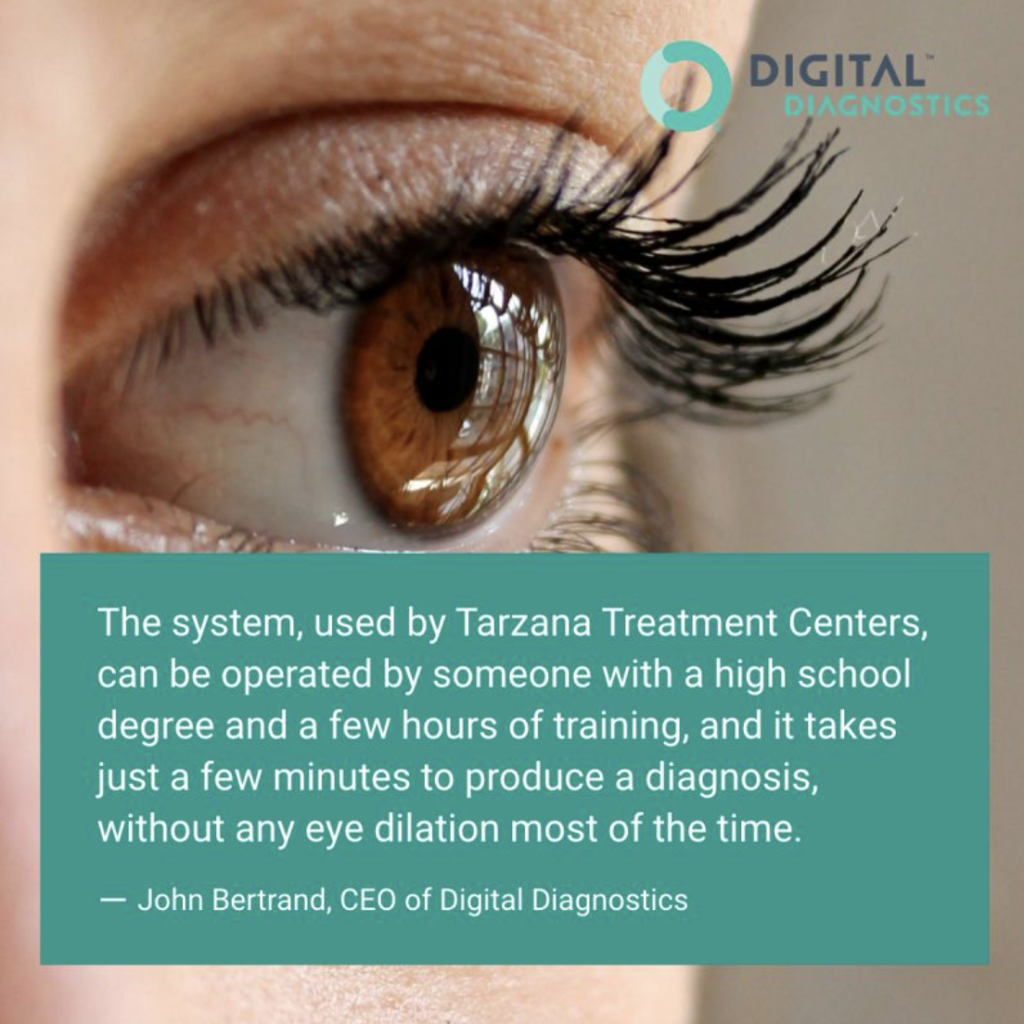
LumineticsCore™ (formerly IDx-DR) is an FDA-approved AI diagnostic system designed for the early detection of diabetic retinopathy. Developed by Digital Diagnostics (formerly IDx Technologies), this groundbreaking tool uses deep learning (DL) algorithms to analyze retinal images and quickly provide accurate diagnoses.
Key features:
Automated analysis of retinal images for diabetic retinopathy
High sensitivity and specificity in detecting referable diabetic retinopathy
Integration with existing retinal imaging devices
Immediate results for point-of-care decision making
Pros
Cons
Enables early detection and treatment of diabetic retinopathy
Limited to diabetic retinopathy screening
Increases accessibility of screening in primary care settings
Requires specific retinal imaging equipment
Reduces burden on ophthalmologists for routine screenings
May not detect other eye conditions
To learn more about LumineticsCore™ or inquire about implementation, visit:
Tempus Radiology, part of Tempus AI (formerly Arterys Cardio AI) is a cloud-based AI medical imaging platform that enhances cardiac MRI analysis with AI. It assists radiologists and cardiologists to quickly and accurately assess heart function and diagnose cardiovascular conditions.
Key features:
Automated segmentation and quantification of cardiac structures
Rapid analysis of cardiac function and blood flow
Cloud-based platform for seamless collaboration
Integration with existing picture archiving and communication system (PACS) and electronic medical record (EMR) systems
Pros
Cons
Significantly reduces time for cardiac MRI analysis
Requires high-quality MRI images for optimal results
Improves consistency and accuracy of measurements
May require additional training for optimal use
Facilitates remote collaboration among healthcare providers
Subscription-based pricing model
To learn more about Tempus Radiology or request a demo, visit:
PathAI is a cutting-edge AI platform designed to spot unusual patterns in tissue samples, helping clinicians diagnose diseases faster and more accurately.
Key features:
Automated tissue analysis and anomaly detection
Integration with digital pathology workflows
Continuous learning from expert pathologist feedback
Support for various types of cancer and other diseases
Nanox Vision (formerly Zebra Medical Vision), offers a comprehensive suite of AI-powered medical imaging solutions that assist radiologists in detecting and diagnosing various conditions. Their tools analyze CT scans, X-rays, and MRIs to identify potential health issues across multiple specialties.
Key features:
AI-assisted analysis of various imaging modalities
Automated detection of bone health, cardiovascular, and pulmonary conditions
Integration with existing PACS and workflow systems
Continuous updates with new AI models for emerging conditions
Pros
Cons
Improves early detection of various medical conditions
Requires integration with existing imaging systems
Reduces radiologist workload and improves efficiency
May require ongoing subscription fees
Supports population health management initiatives
Potential for over-reliance on AI-generated findings
To learn more about Nanox Vision or request a demo, visit:
Corti is an AI-powered platform designed to help emergency dispatchers and healthcare providers identify critical conditions during emergency calls. Using advanced NLP and ML algorithms, Corti can automate documentation and analyze conversations in real-time to provide actionable insights and decision support.
Key features:
Real-time analysis of emergency call audio
Automated detection of critical conditions like cardiac arrest
Integration with emergency dispatch systems
Continuous learning from new cases and outcomes
Pros
Cons
Improves response times for critical emergencies
Requires integration with existing dispatch systems
Enhances decision-making support for dispatchers
May raise privacy concerns due to call recording
Provides valuable data for quality improvement
Ongoing training needed for optimal performance
To learn more about Corti or schedule a demo, visit:
Qure.ai is an AI-powered medical imaging company that specializes in developing DL solutions for radiology. Their tools assist healthcare providers in analyzing X-rays, CT scans, and MRIs to detect various conditions and streamline the diagnostic process.
Key features:
AI-assisted analysis of chest X-rays and head CT scans
Automated detection of lung abnormalities and brain injuries
Integration with existing radiology workflows and PACS
Continuous updates with new AI models for emerging conditions
Pros
Cons
Improves early detection of critical conditions
Requires integration with existing imaging systems
Reduces radiologist workload and reporting time
May require ongoing subscription fees
Supports teleradiology and remote diagnosis
Potential for over-reliance on AI-generated findings
To learn more about Qure.ai or request a demo, visit:
The best AI diagnostic tools offer healthcare providers powerful allies in their quest to deliver top-notch care. Healthcare providers and institutions that embrace these cutting-edge technologies will be well-positioned to deliver superior care and stay at the forefront of medical innovation.
References
Al-Rawi, N., Sultan, A., Rajai, B., Shuaeeb, H., Alnajjar, M., Alketbi, M., Mohammad, Y., Shetty, S. R., & Mashrah, M. A. (2022). The Effectiveness of Artificial Intelligence in Detection of Oral Cancer. International Dental Journal, 72(4), 436-447. https://doi.org/10.1016/j.identj.2022.03.001
Seah, J.C.Y. et al. (2021). Effect of a comprehensive deep-learning model on the accuracy of chest x-ray interpretation by radiologists: a retrospective, multireader multicase study. Lancet Digital Health. 3(8),e496-e506. doi.org/10.1016/S2589-7500(21)00106-0
Electronic Health Records (EHRs) have become an integral part of modern healthcare. But what happens when we combine these digital records with the power of artificial intelligence (AI)?
The result is AI-enhanced EHR systems, a game-changing technology that’s reshaping how we approach patient care, data management, and clinical decision-making. Let’s review AI-enhanced EHRs, their benefits, key features, challenges, and considerations for this exciting technology.
AI-enhanced EHR systems are the next evolution of traditional electronic health records. These intelligent systems use advanced algorithms and machine learning techniques to analyze, interpret, and act on patient data in ways that were previously impossible.
But how exactly do they differ from standard EHRs? Here’s a quick comparison.
Standard EHRs
AI-Enhanced EHRs
Store and organize patient data
Analyze and interpret patient data
Require manual data entry and retrieval
Automate data entry and provide intelligent insights
AI integration transforms EHRs from passive data repositories into active, intelligent systems that can assist healthcare providers in making more informed decisions and improving patient care.
The need to improve complex and inefficient EHR workflows and get valuable insights from historical patient data drives the demand for AI-powered EHRs (Davenport et al., 2018).
Benefits of AI in EHR Systems
The incorporation of AI into EHR systems brings a host of benefits to healthcare organizations, providers, and patients alike. Let’s look at some of the key advantages.
Improved Clinical Decision Support
AI-powered EHRs can analyze large amounts of patient data, medical literature, and clinical guidelines to provide evidence-based recommendations to healthcare providers. This can help clinicians make more accurate diagnoses and develop effective treatment plans. One study shows that AI-enhanced EHRs can provide diagnostic assistance at nearly 99% accuracy.
Enhanced Data Analytics and Insights
By leveraging machine learning algorithms, AI-enhanced EHRs use machine learning to find patterns in patient data that humans might miss. This can lead to early detection of diseases, identification of at-risk patients, and population health management improvements.
Streamlined Workflows and Reduced Administrative Burden
AI can automate many time-consuming tasks, such as data entry, coding, and billing. This allows healthcare professionals to spend more time focusing on patient care and less time on paperwork.
Better Patient Outcomes and Personalized Care
With AI’s ability to process and analyze large datasets, healthcare providers can develop more personalized treatment plans and medication planning based on a patient’s unique genetic makeup, lifestyle factors, and medical history.
Now that we’ve covered the benefits, let’s explore the specific features that make AI-enhanced EHRs so powerful.
Key Features of AI-Enhanced EHRs
Now that we’ve covered the benefits, let’s explore some of the key features that make AI-enhanced EHRs so powerful.
Natural Language Processing for Efficient Data Entry
By analyzing patterns in patient data, AI algorithms can predict the likelihood of certain diseases or complications. This allows healthcare providers to intervene early and potentially prevent serious health issues before they occur.
However, using prediction models in healthcare settings is still challenging. A study found that most predictive models focused on blood clotting issues and sepsis. Common problems with these models include too many alerts, not enough training, and more work for healthcare teams (Lee et al., 2020).
Despite these challenges, most studies showed that using predictive models led to better patient outcomes. More research, especially using randomized controlled trials, is needed to make these findings more reliable and widely applicable (Lee et al., 2020).
Automated Coding and Billing
AI can automatically assign appropriate medical codes to diagnoses and procedures, reducing errors and speeding up the billing process. This not only improves efficiency but also helps ensure proper reimbursement for healthcare services.
Intelligent Scheduling and Resource Allocation
AI-enhanced EHRs can optimize appointment scheduling by considering factors such as patient needs, provider availability, and equipment requirements. This leads to better resource utilization and improved patient satisfaction.
The benefits of using AI with EHRs is clear. Now let’s discuss how healthcare organizations can implement this powerful tool in medical settings.
Implementing AI-powered EHR Systems in Healthcare
Implementing AI-enhanced EHRs often requires significant changes to existing healthcare IT infrastructure and workflows, which is a complex but necessary process. However, It’s essential for ensuring seamless data flow, maintaining operational efficiency, and maximizing the benefits of AI in healthcare settings. Here are some key points to consider.
AI-powered EHR Costs
Building a custom EHR system with AI features typically costs around $400,000 to $450,000 (Madden & Bekker). The price depends on several factors, including:
How complex the AI functions are
The accuracy of the machine learning
The amount of data handled
The number of other systems it needs to work with
How user-friendly and secure it is
Whether special approvals like FDA registration are required
Cloud services
Support and maintenance
All these elements affect the final price of creating an AI-enhanced EHR system.
AI-powered EHR Implementation Strategies
If you’re considering implementing an AI-enhanced EHR system in your healthcare organization, here are some strategies to keep in mind:
Assess Organizational Readiness: Evaluate your current IT infrastructure, staff capabilities, and organizational culture to determine if you’re ready for an AI-enhanced EHR.
Choose the Right Solution: Research different AI-EHR solutions and select one that aligns with your organization’s needs and goals.
Develop a Phased Implementation Plan: Start with a pilot program and gradually roll out the system across your organization to minimize disruption.
Focus on Training and Change Management: Invest in comprehensive training programs and change management strategies to ensure smooth adoption of the new system.
Methods of Integration with Existing Systems
Several methods can be employed to integrate AI-enhanced EHRs with existing healthcare IT infrastructure (Dhaduk, 2024):
Enterprise Service Bus (ESB): This method is ideal for integrating multiple applications and systems across the healthcare organization, enabling data exchange and orchestration of complex processes.
Point-to-Point Integration (P2P): Suitable for simple and straightforward integrations, such as connecting a medical device directly with an EHR system.
API Integration: This involves exposing and consuming APIs to enable data exchange between different systems and applications. It’s particularly useful for integrating modern, cloud-based systems.
Robotic Process Automation (RPA): RPA can be used to automate repetitive tasks and processes, particularly with legacy systems that have limited integration capabilities.
Integration Platform as a Service (IPaaS): A cloud-based solution that connects different healthcare systems quickly, without local servers.
Best Practices for Successful Integration
To ensure successful integration of AI-enhanced EHRs with existing healthcare IT infrastructure, consider the following best practices:
Conduct a thorough assessment: Before integration, assess your current IT infrastructure, identifying potential compatibility issues and integration points.
Develop a comprehensive integration plan: Create a detailed plan that outlines the integration process, including timelines, resources needed, and potential risks.
Ensure data quality and standardization: Clean and standardize data across all systems to ensure accurate AI analysis and insights (Dhaduk, 2024).
Prioritize security and privacy: Implement robust security measures to protect patient data during and after the integration process (Narayanan, 2023).
Provide adequate training: Offer comprehensive training to healthcare staff on how to use the integrated AI-enhanced EHR system effectively (Narayanan, 2023).
Start with a pilot program: Consider implementing the integration in phases, starting with a pilot program to identify and address any issues before full-scale deployment.
Continuous monitoring and optimization: After integration, continuously monitor system performance and gather feedback from users to optimize the integrated system over time.
By carefully considering these aspects of integration, healthcare organizations can successfully implement AI-enhanced EHR systems that work harmoniously with their existing IT infrastructure, leading to improved patient care, increased operational efficiency, and better overall healthcare outcomes.
Key Concerns for AI-powered EHRs
While AI-enhanced EHRs offer numerous benefits, they also come with their own set of challenges.
Data Privacy and Security Concerns
With the increased use of AI and data sharing, ensuring patient privacy and data security becomes even more critical.
Many AI technologies are developed by private companies, which means patient health information may be controlled by them. This can lead to problems if the companies don’t protect the data properly.
One big issue is that AI systems often need a lot of patient data to work well. Sometimes, this data might be moved to other countries, or used in ways patients didn’t agree to. There’s also a worry that even if data is made anonymous, new AI tools may figure out who the data belongs to (Murdoch, 2021).
To address these problems, we need strong rules about how companies can use patient data. These rules should make sure that patients have a say in how their information is used and that the data stays in the country where it came from. Companies should also use the latest methods to keep data safe and private.
Challenges of Integration with Existing Healthcare IT Systems
System Compatibility and Interoperability: One of the primary challenges is ensuring that the new AI-enhanced EHR system is compatible with existing legacy systems. Many healthcare organizations use a mix of old and new technologies, which can create compatibility issues. Achieving true interoperability between the AI-enhanced EHR and other healthcare IT systems is crucial for seamless data exchange and workflow optimization (Narayanan, 2023).
Data Standardization: Different systems often use varying data formats and standards. Integrating an AI-enhanced EHR requires standardizing data across all systems to ensure accurate analysis and interpretation (Dhaduk, 2024).
Security and Privacy Concerns: Integrating new AI systems with existing infrastructure raises questions about data security and patient privacy. Ensuring HIPAA compliance and protecting sensitive patient information is paramount (Narayanan, 2023).
Training Healthcare Professionals
Staff need to be trained not only on how to use the new systems but also on how to interpret and act on AI-generated insights. However, AI can be hard to understand, and clinicians might not trust it at first.
They’ll need to learn about data analysis and how AI makes decisions. Then they can explain AI-based decisions in a way patients can understand. Overall, medical education will need to change to include both AI skills and traditional medical knowledge (Giordano et.al., 2021).
Ethical Considerations and Bias in AI
As AI plays a larger role in clinical decision-making, questions arise about accountability and the potential for bias in AI algorithms. This bias can come from the data used to train the models or from how the models work. For example, some datasets mostly include light-skinned people or older patients, which can lead to unfair results. It’s hard to spot these biases in complex AI models.
Researchers are trying to make AI fairer, but some solutions might actually cause more problems for vulnerable groups. Until better solutions are found, clinicians must watch for situations where a model trained on general data might not work well for their patients (Giordana et al., 2021).
Future Trends in AI-Enhanced EHR Systems
The future of AI-enhanced EHRs is exciting, with several emerging trends on the horizon:
Advanced AI Algorithms for Personalized Treatment Plans: As AI technology improves, we can expect even more sophisticated algorithms that can develop highly personalized treatment plans based on a patient’s unique characteristics.
Blockchain Technology for Secure Health Data Exchange: Blockchain could provide a secure and transparent way to share health data across different healthcare providers and organizations.
AI-Powered Virtual Health Assistants: Virtual assistants powered by AI could help patients navigate their health records, schedule appointments, and even provide basic health advice.
Future EHRs should integrate telehealth technologies and home monitoring devices. These include tools like smart glucometers and even advanced wearables that measure various health metrics. The focus is on patient-centered care and self-management of diseases. Healthcare providers are likely to use a mix of vendor-produced AI capabilities and custom-developed solutions to improve patient care and make their work easier.
While the shift to smarter EHRs is important, it’s expected to take many years to fully implement. Most healthcare networks can’t start from scratch, so they’ll need to gradually upgrade their existing systems.
It’s important to balance the benefits of AI in healthcare with protecting patient privacy. As AI keeps improving quickly, we need to make sure our laws and regulations keep up to protect people’s information.
Conclusion
AI-enhanced EHR systems will play an increasingly important role in healthcare delivery. By embracing this technology, healthcare organizations can improve patient care, streamline operations, and stay ahead in an ever-evolving healthcare industry.
Are you ready to take your EHR system to the next level with AI? The future of healthcare is here, and it’s intelligent, personalized, and data-driven.
Harris, J.E. (2023). An AI-Enhanced Electronic Health Record Could Boost Primary Care Productivity. JAMA. 2023;330(9):801–802. doi:10.1001/jama.2023.14525
Lee, T. C., Shah, N.C., Haack, A. & Baxter, S.L.. (2020). Clinical Implementation of Predictive Models Embedded within Electronic Health Record Systems: A Systematic Review. Informatics; 7(3):25. https://doi.org/10.3390/informatics7030025
Murdoch, B. (2021). Privacy and artificial intelligence: challenges for protecting health information in a new era. BMC Medical Ethics 22, 122. https://doi.org/10.1186/s12910-021-00687-3
Lin, W., Chen, J.S., Chiang, M.F., & Hribar, M.R. (2020). Applications of Artificial Intelligence to Electronic Health Record Data in Ophthalmology. Translational Vision Science & Technology, 27;9(2):13. doi: 10.1167/tvst.9.2.13.
Natural Language Processing (NLP) is a key component in my series on AI in healthcare. By enabling machines to understand and interpret human language, NLP in healthcare is driving significant improvements in patient outcomes and healthcare efficiency. The market for NLP in healthcare shows similar growth of 18% annually (Research and Markets, 2024).
This article explores various NLP applications in healthcare.
NLP is a subset of Artificial Intelligence (AI) focused on the interaction between computers and human language. It involves several core components and techniques:
Optical Character Recognition (OCR): Changing written or printed text into digital text.
Tokenization: Breaking text into smaller parts like words or sentences.
Text Classification: Categorizing text into predefined groups.
Named Entity Recognition (NER): Identifying and classifying entities in text, such as names, dates, and medical terms.
Sentiment Analysis: Determining the emotional tone of text.
Topic Modeling: Discovering abstract topics within a collection of documents.
NLP’s journey in healthcare began with simple text analysis. It has evolved into a sophisticated tool for clinical documentation, patient data analysis, and medical research.
Optical Character Recognition (OCR)
OCR recognizes text in documents and changes it to digital form for further processing. OCR can extract text in various formats, including digital images, presentations, and scans of printed or handwritten notes, logs, and other documents (Intellias, 2024).
OCR solutions can be especially useful in healthcare applications to preprocess documents generated for medical procedures, like prescriptions, doctors’ notes, test results, and CAT scans.
When digitized, these artifacts become part of an electronic health record (EHR), which makes them more complete and easier to use.
Tokenization
NLP breaks text into smaller parts called tokens, which can be words or sentences. This process, called tokenization, helps computers understand and analyze text better. It makes it easier for NLP programs to find patterns and important information in the text (Intellias, 2024).
Text Classification
Text classification uses NLP to sort texts into categories. It involves two steps:
Turning text into numbers (embedding)
Using these numbers to predict the category
Which method to use depends on factors like data size and need for interpretability. Interpretable models like linear regression and decision trees can show which parts of the text were most important for the classification. (Rijcken, et al., 2022).
Named Entity Recognition (NER)
NER finds and labels important information in text, like names, locations, dates, diagnoses, and medicine names from medical records. This helps create more useful EHRs.
In a study conducted in Colombia, researchers reviewed NER techniques from 2011 to 2022, focusing on classification models, tagging systems, and languages used. The study highlights the importance of NER and relation extraction (RE) in automatically gleaning concepts, events, and relationships from EHRs. However, there’s a lack of research on NER and RE tasks in specific clinical domains. While EHRs are crucial for clinical information gathering, creating new collections of machine-readable texts in specific clinical areas is necessary to develop NER and RE models for practical clinical use (Durango et al., 2023).
Sentiment Analysis
Sentiment analysis is a way to understand how people feel about something by looking at what they say or write. It uses a mix of NLP, machine learning, and statistics programs to figure out if opinions are positive, negative, or neutral. It can even detect emotions like happiness or anger.
One way to use sentiment analysis in healthcare is with patient surveys. By analyzing the responses, hospitals and clinicians can see what they’re doing well and what needs improvement. When healthcare providers make changes based on what truly matters to patients, they improve patient care quality, and stay ahead of their competitors.
Topic Modeling
Clinicians can use a patient’s EHR to predict health outcomes, and make better decisions based on patient records. Using topic models can help make these predictions clearer, but choosing the right model is tricky.
Machine learning has many uses in healthcare, but clinicians need a better understanding of how it works. One way to make it clearer is by using topic modeling. Topic modeling can group patient notes into topics, making it easier to see patterns. It can also help classify text and make predictions about patient health by finding common themes in patient notes.
Many researchers have used a method called Latent Dirichlet Allocation (LDA) for topic modeling, but there are other options too. The challenge is picking the right method. It needs to be both accurate in its predictions and easy for doctors to understand. If it’s not accurate or not understandable, it’s not very useful. There’s not much research that looks at both how well these models predict and how easily they can be understood (Rijcken, et al., 2022).
With a foundational understanding of NLP components, let’s explore how these technologies impact clinical documentation.
Enhancing Clinical Documentation with NLP
NLP can process information in a patient’s EHR. This allows health systems to classify patients and summarize conditions quickly in clinical documentation, saving clinicians time when reviewing complex records and finding critical insights.
Accurate and efficient clinical documentation is crucial for patient care. NLP enhances this process in several ways:
Automated Data Extraction: NLP can extract relevant information from unstructured text, such as clinical notes, and convert it into structured data.
Reduction of Documentation Errors: By automating data entry, NLP minimizes human errors.
Time-Saving Benefits: Healthcare providers can save significant time, allowing them to focus more on patient care.
Speech recognition is another application of NLP. Voice recognition software can transcribe clinical notes in an EHR. The clinician can review the updated patient chart on the screen in an instant (IMO Health).
Beyond documentation, NLP’s capabilities extend to extracting valuable insights from patient data and predicting health outcomes.
NLP for Patient Data Insights and Predictive Analytics
NLP processes and analyzes large volumes of patient data, uncovering valuable insights:
Early Disease Detection: NLP can analyze patient records to identify early signs of diseases (predictive analytics). This extra layer of monitoring can help doctors catch and address problems early (Alldus, 2022).
Population Health Management: By analyzing health trends, NLP can help manage the health of populations.
Personalized Treatment Recommendations: NLP provides tailored treatment plans based on individual patient data.
However, with great power comes great responsibility. Privacy concerns and data security measures are paramount when dealing with sensitive patient information. Healthcare providers must ensure that NLP systems comply with data protection regulations.
We’ve seen how NLP enhances data analysis, so let’s examine its role in medical imaging and treatment planning.
Advancing Medical Imaging, Diagnosis, and Treatment Planning
NLP helps in medical imaging by analyzing radiology reports and identifying specific health issues. It can also gather and label images from medical storage systems. This technology helps doctors better understand patient conditions and supports healthcare organizations as they grow and improve their services (Shafii, 2023).
NLP plays a pivotal role in supporting medical diagnosis and optimizing treatment plans:
Symptom and History Analysis: NLP analyzes symptoms and medical histories to support diagnostic decisions.
Integration with AI: Combining NLP with other AI technologies enhances diagnostic accuracy.
Treatment Plan Optimization: NLP analyzes treatment outcomes across large patient populations to identify the most effective treatments and potential drug interactions.
For instance, an NLP system helped a clinic improve diagnostic accuracy for rare diseases by 20%, demonstrating its potential in clinical practice.
While NLP can significantly improve patient care, its influence extends to the broader field of medical research and literature analysis.
NLP in Medical Research and Literature Analysis
NLP is invaluable in processing and analyzing medical literature:
Automated Literature Reviews: NLP can quickly review and summarize vast amounts of medical research.
Identification of Emerging Trends: NLP identifies new research trends and areas of interest.
NLP helps healthcare organizations handle large amounts of medical information. It uses AI to read and summarize research papers, clinical trials, and case studies. This technology can find important points and patterns in medical literature, making it easier for healthcare providers to stay up-to-date and provide better care (Shafii, 2024).
By accelerating the analysis of medical literature, NLP has the potential to fast-track medical discoveries and innovations.
Ultimately, the goal of NLP in healthcare is to improve patient outcomes and satisfaction. Let’s explore how.
Improving Patient Experiences: Patient Care: NLP’s Impact on Healthcare Satisfaction
Natural Language Processing (NLP) significantly enhances patient care and satisfaction in several ways (Ariwala, 2024).
Improved Patient-Provider Interactions
NLP bridges the gap between complex medical terminology and patients’ understanding. It simplifies medical jargon, making health information more accessible to patients. This improved communication leads to better patient comprehension of their health status and treatment plans.
Enhanced Electronic Health Record (EHR) Usage
NLP offers an alternative to typing or handwriting notes, reducing EHR-related stress for clinicians. This allows healthcare providers to spend more time interacting with patients and less time on documentation, improving the overall care experience.
Increased Patient Health Awareness
By translating complex medical data into more understandable language, NLP empowers patients to make informed decisions about their health. This increased understanding can lead to better patient engagement and compliance with treatment plans.
Improved Care Quality
NLP tools help healthcare organizations evaluate and improve care quality. They can measure physician performance, identify gaps in care delivery, and flag potential errors. This leads to more consistent, high-quality care across the board.
Critical Care Identification
NLP algorithms can analyze large datasets to identify patients with complex or critical care needs. This enables healthcare providers to prioritize and tailor care for high-risk patients, potentially improving outcomes and patient satisfaction.
Efficient Information Extraction
By quickly extracting and summarizing relevant information from medical records, NLP saves time for healthcare providers. This efficiency allows for more thorough patient assessments and personalized care plans.
Overall, NLP technology in healthcare results in improved patient outcomes, increased satisfaction, and a more positive healthcare experience for both patients and providers.
Despite the numerous benefits of NLP in healthcare, there are still challenges to overcome as well as exciting future directions.
The Road Ahead: Overcoming Barriers with NLP for Healthcare Providers
Despite its benefits, NLP in healthcare faces several challenges:
Data Quality and Standardization: Inconsistent data quality can hinder NLP effectiveness.
Multilingual NLP: Developing NLP systems that can process multiple languages is crucial for global healthcare.
Real-Time Analysis: Real-time NLP analysis in clinical settings is still in its infancy but holds great promise.
Mistrust and Slow Adoption: Clinicians hesitate to use NLP for documentation due to concerns about accuracy and potential errors, despite its time-saving benefits (IMO Health).
Ethical considerations, such as ensuring unbiased algorithms and responsible AI development, are also critical. As NLP technology evolves, its integration with other AI technologies will open new possibilities for patient care.
NLP is transforming healthcare by enhancing clinical documentation, analyzing patient data, supporting medical diagnosis, and advancing medical research. As NLP technologies continue to evolve, their impact on patient care will only grow.
Overall, NLP technology in healthcare leads to more informed patients, more efficient providers, and a healthcare system better equipped to deliver high-quality, personalized care.
Durango, M.C., Torres-Silva, E. A., & Orozco-Duque, A. (2023). Named Entity Recognition in Electronic Health Records: A Methodological Review. Healthcare Informatics Research, 29(4):286-300. doi: 10.4258/hir.2023.29.4.286
Rijcken, E., Kaymak, U., Scheepers, F., Mosteiro, P., Zervanou, K. & Spruit, M. (2022). Topic Modeling for Interpretable Text Classification From EHRs. Frontiers in Big Data 5:846930. doi: 10.3389/fdata.2022.846930
Shafii, K. (2023). Natural Language Processing in Healthcare Explained. Consensus Cloud Solutions. Retrieved from https://www.consensus.com/blog/natural-language-processing-in-healthcare/
The way we do clinical trials in the U.S. is quickly evolving, with artificial intelligence (AI) playing an increasingly pivotal role. The number of AI-driven firms specializing in drug discovery and development has grown from 62 in 2011 (Sokolova, 2023) to 400 firms in 2022.
This shift is not just about cutting-edge technology; it’s about improving lives and bringing new treatments to patients faster than ever before. Let’s dive in and see how AI in clinical trials works in healthcare.
Clinical trials are the most robust way to show the safety and effectiveness of a treatment or clinical approach, and provide evidence to guide medical practice and health policy. Unfortunately, they have a high failure rate.
Current clinical trials are complex, labor-intensive, expensive, and may involve errors and biases (Zhang et al., 2023). They often start late in the drug development cycle. Only around 10% of drugs entering the clinical trial stage get approved by the U.S. Food and Drug Administration (FDA) [Mai et al., 2023].
Key areas where AI is used in clinical trials include:
Patient recruitment and retention
Trial design and protocol optimization
Data management and analysis
Safety monitoring and detection of adverse drug reactions (ADRs)
Drug discovery and development
According to McKinsey, AI adoption could boost up to $25 billion into clinical development within the pharmaceutical industry, with the potential to a total gain of $110 billion (Bhavik et al., 2024).
Beyond recruitment, AI is also changing how clinical trials are designed and conducted.
Improving Patient Engagement with AI
Traditional clinical trial methods often face challenges like slow patient recruitment, high dropout rates, and inefficient data analysis. AI is helping to address these issues by providing faster, more accurate, and more personalized solutions (Hutson, 2024).
Patient Recruitment
Traditional clinical trials have an average 30% dropout rate due to inconvenience, complex protocols, and lack of support (Clinical Trials Arena, 2024). Another big hurdle in clinical trials is finding the right patients, in part due to (Atieh & Domanska, 2024):
Lack of eligible participants
Inadequate patient awareness
Limited locations
AI is changing the game by:
Analyzing electronic health records (EHRs) to identify suitable candidates
Creating personalized communication strategies to keep patients engaged
For example, AI algorithms can sift through huge amounts of patient data to find those who meet specific trial criteria. Clinical trial matching systems or services use natural language processing (NLP) tools that learn clinical trial protocols and patient data. This process makes recruitment faster, and helps ensure a more diverse and representative patient population (Zhang et al., 2023).
Patient Retention
The majority of clinical trials have participants who drop out. AI can improve retention by (Mai et al., 2023):
Identifying factors associated with a high risk of dropping out
Predicting the probability that a participant will drop out
AI-powered chatbots are also playing a crucial role in maintaining continuous communication with trial participants by:
Responding to various events and milestones during the trial
This personalized engagement can help foster a positive patient experience and build trust, which is crucial for patient retention (Jackson, 2024).
Enhanced Trial Design with Digital Health Technologies (DHTs)
Decentralized clinical trials (DCTs) can incorporate DHTs to streamline trial design, and expand where to conduct them.
DHTs aren’t just wearable trackers. It’s possible to implant, swallow, or insert many DHTs into the body. Placing DHTs in a particular setting with real-time data capture from trial participants in their homes and other locations makes it more convenient for them. It also gives clinicians insights on patient health status and healthcare delivery (U.S. Food & Drug Administration, 2024).
As trial designs become more sophisticated, AI can simplify managing and analyzing the resulting data.
AI can make clinical trials more efficient and effective:
AI-assisted trial design helps researchers create more robust study protocols
Adaptive trial designs use real-time data analysis to make adjustments on the fly
Machine learning optimizes inclusion and exclusion criteria for diverse patient selection
These AI-powered approaches can lead to faster, more cost-effective trials with higher success rates.
Data Management and Analysis in Clinical Trials with AI
With decentralized clinical trials, teams must collect data from different sources including (Informatica):
Various types of EHRs
Data from providers and medical facilities
Wireless medical devices that may exist in professional settings or patients’ homes.
In the age of big data, AI is an invaluable tool for managing and analyzing the vast amounts of information generated during clinical trials:
AI systems can process and integrate data from multiple sources
Real-time data monitoring ensures quality control throughout the trial
AI-driven insights enable faster decision-making for researchers and clinicians
By harnessing the power of AI, researchers can uncover patterns and insights that might otherwise go unnoticed. For instance, AI can extract data from unstructured reports, annotate images or lab results, add missing data points, and identify subgroups among a population that responds uniquely to a treatment (Clinical Trials Arena, 2024).
Improving Safety Monitoring and Adverse Event Detection
Patient safety is paramount in clinical trials. AI is enhancing pharmacovigilance (drug safety) efforts by:
Using algorithms for early detection of adverse events
Creating predictive models to assess patient safety risks
Automating safety signal detection and analysis
These AI-powered tools can help researchers identify potential safety issues faster and more accurately than traditional methods.
While efficient data management is crucial, ensuring patient safety remains paramount in clinical trials.
Accelerating Drug Discovery and Development
The typical amount of time to launch a new drug is 10 to 12 years. The clinical trial stage itself averages five to seven years (Shah-Neville, 2024).
AI assists in target identification and validation for new drugs
Machine learning predicts drug efficacy and toxicity
AI-powered simulations reduce time and costs in the development pipeline
By leveraging AI, pharmaceutical companies can bring new treatments to patients faster and more efficiently.
As we embrace AI’s potential, we must also address the ethical and regulatory challenges it presents.
Ethical Considerations and Regulatory Challenges
As with any new technology, AI can return inaccurate data or misinterpret nuances in informed consent documents or clinical trial protocols, emphasizing the need for human review (Nonnemacher, 2024).
How should regulatory frameworks evolve to accommodate AI integration in clinical research?
These are complex issues that require ongoing dialogue between researchers, ethicists, regulators, and patients as described in other AI health articles I’ve covered.
As AI technology continues to advance, we can expect to see even more innovative applications in clinical research.
The Future of AI in Clinical Trials
What does the future hold for AI in clinical trials? Some exciting possibilities include:
Virtual clinical trials that reduce the need for in-person visits
AI systems that collaborate with human researchers to design better studies
Precision medicine approaches tailored to individual patients based on AI analysis
Industry experts predict continued growth in AI adoption, with a focus on identifying the most beneficial areas for AI implementation in clinical trials (Studna, 2024).
Conclusion
AI is proving to be an invaluable tool in the clinical research toolkit, offering new ways to streamline processes, improve patient experiences, and accelerate drug development.
But AI is not a magic solution; it’s a powerful assistant that works best when combined with human expertise and ethical considerations.
The synergy between AI and clinical trials holds immense promise for advancing medical research, developing more effective treatments, and ultimately, improving patient outcomes. The journey of AI in clinical trials is just beginning, and the potential for positive impact on global health is boundless.
What do you think about the role of AI in clinical trials? Are you optimistic about its potential to improve patient care?
The convergence of artificial intelligence and genomics is a powerful combination in healthcare. AI genomics is decoding the complexities of our DNA, giving us never-before-seen insights into human health and disease.
From personalized treatments to individual genetic profiles to predicted disease risk with remarkable accuracy, AI genomics is poised to transform patient care. In this article, we’ll explore groundbreaking AI genomics applications in healthcare, and their potential to reshape the healthcare industry.
Before we get into the fusion of AI with genetic science in healthcare, let’s start with a little background.
What is AI Genomics?
The concept of “genome” refers to the whole set of DNA sequences in a cell or organism.
Genomics is a term that describes the nascent discipline of sequencing, mapping, annotating and analyzing genomes (Caudai et al., 2021).
AI genomics is the integration of AI technologies with genomic data to enhance healthcare outcomes (Pearson, 2023).
Key Technologies Driving AI Genomics Advancements
Several technologies are pivotal in advancing AI genomics:
Machine Learning (ML): Algorithms that learn from data to make predictions or decisions without being explicitly programmed.
Deep Learning (DL): A subset of ML that uses neural networks with many layers to analyze complex data patterns.
Next-Generation Sequencing (NGS): High-throughput sequencing technologies that generate large volumes of genomic data.
Bioinformatics: The use of computing tools to manage and analyze biological data (Lin & Ngiam, 2023).
The Intersection of ML, Big Data, and Genetic Research
The convergence of ML, big data, and genetic research is transforming genomics. ML algorithms can process and interpret large sets of genomic data, finding patterns and correlations impossible for humans to discern (Parekh et al., 2023).
Researchers and clinicians use these technologies to analyze large amounts of genomic data more efficiently. This integration facilitates precision medicine, making healthcare more precise and tailored to individual needs (MarketsandMarkets).
Now that we understand the foundation of AI genomics, let’s explore its practical applications in precision medicine.
Precision Medicine and Treatment
Tailoring Drug Therapies Based on Genetic Profiles
AI can predict how patients will respond to specific treatments by analyzing their genetic data. For instance, ML models can identify genetic markers associated with positive or adverse reactions to particular drugs, giving us more informed treatment choices (Dinstag et al., 2023).
Minimizing Adverse Drug Reactions Through Genetic Analysis
Early Disease Detection, Risk Assessment, and Management
While personalized treatment is crucial, AI genomics also plays a vital role in identifying health risks before they manifest.
AI Accelerates the Diagnostic Process for Diseases and Rare Genetic Disorders
It’s difficult to detect and diagnose rare genetic disorders, because they are uncommon and manifest in the body in various ways. AI can streamline this process by analyzing biomarkers
that indicate the presence or risk of diseases such as cancer, diabetes, and cardiovascular conditions (Murphy, 2024), significantly reducing the time for diagnosis (National Gaucher Foundation, 2023).
Facilitating Gene Therapy Development and Implementation
Gene therapy offers potential cures for many genetic disorders. AI accelerates the development and implementation of gene therapies by identifying target genes and predicting therapeutic outcomes, enhancing the success rate of these treatments (MarketsandMarkets).
Assessment of Individual Risk Factors for Complex Conditions
Predictive healthcare is like a crystal ball using AI in genomics. AI-driven tools can assess individual risk factors for complex diseases by integrating genetic, environmental, and lifestyle factors. This comprehensive risk assessment helps in early detection and preventive care strategies (Chiu, 2024).
Improving Treatment Plans for Patients with Rare Conditions
AI helps develop tailored treatment plans for rare diseases by analyzing genetic and clinical data. This personalized approach ensures each patient gets the most effective therapies based on their unique genetic profile.
Preventive Care Strategies Through AI-Driven Insights
Preventive care is crucial for managing chronic diseases. AI provides insights that promote personalized preventive strategies like lifestyle modifications and early interventions, reducing the likelihood of disease development (Bhandari et al., 2022).
Cancer Genomics and Precision Oncology
In the realm of oncology, AI genomics is making significant strides in personalizing cancer care.
Analyzing Tumor Genomes to Guide Targeted Therapies
AI plays a critical role in precision oncology by analyzing tumor genomes to identify mutations and genetic alterations. This information guides the selection of targeted therapies that are more likely to be effective for individual patients (Caudai et al., 2021).
Predicting Cancer Progression and Treatment Outcomes
AI models can predict cancer progression and treatment outcomes. These predictions help oncologists tailor treatment plans and monitor patient responses more effectively.
Developing Personalized Immunotherapy Approaches
Immunotherapy has revolutionized cancer treatment, but its effectiveness varies among patients. AI can identify biomarkers that predict response to immunotherapy, which helps the development of personalized treatment plans (Dinstag et al., 2023).
AI can find potential drug targets to enhance drug discovery. ML models can predict the efficacy and safety of new compounds, reducing the time and cost associated with traditional drug development.
Identifying New Drug Targets Through Genomic Analysis
Genomic analysis reveals new drug targets by identifying genes and pathways involved in disease processes. AI enhances this process by quickly finding novel targets for therapeutic intervention.
Repurposing Existing Drugs Based on Genetic Insights
AI can identify new uses for existing drugs by analyzing genetic data and uncovering previously unknown mechanisms of action. This approach, known as drug repurposing, can expedite the availability of effective treatments for various conditions.
Balancing Progress and Ethics in Genomic AI
The potential of AI genomics is remarkable, but we must also address the challenges and ethical considerations it presents.
Data Privacy and Security Concerns in Genomic Medicine
The use of genomic data raises significant privacy and security concerns. Ensuring that patient data is protected from unauthorized access and misuse is crucial. Robust data encryption, secure storage solutions, and stringent access controls are essential to safeguarding genomic information.
Addressing Bias and Ensuring Equitable Access to AI Genomic Technologies
AI models can inadvertently perpetuate biases present in the training data, leading to disparities in healthcare outcomes. It is vital to develop and validate AI models using diverse datasets to ensure they are equitable and applicable to all populations.
Regulatory Frameworks for AI-Driven Healthcare Solutions
The integration of AI in healthcare requires robust regulatory frameworks to ensure safety, effectiveness, and ethical use. Regulatory bodies must establish guidelines for the development, validation, and deployment of AI-driven healthcare solutions.
Future Prospects of AI Genomics in Healthcare
Despite the challenges we discussed in the previous section, the future of AI genomics in healthcare is limitless.
Emerging Trends and Technologies in the Field
The field of AI genomics is rapidly evolving, with emerging trends such as multi-omics integration, real-time genomic analysis, and AI-driven gene editing. These advancements hold the promise of further enhancing personalized healthcare.
Potential Impact on Global Health Outcomes
AI genomics has the potential to significantly improve global health outcomes by enabling early disease detection, personalized treatments, and effective preventive care. The widespread adoption of AI-driven genomic technologies could reduce healthcare disparities and improve quality of life worldwide.
Integration of AI Genomics into Routine Clinical Practice
For AI genomics to realize its full potential, it must be seamlessly integrated into routine clinical practice. This requires collaboration between researchers, clinicians, and policymakers to develop user-friendly tools, establish best practices, and ensure that healthcare professionals are adequately trained.
The integration of AI genomics into clinical practice is transforming personalized healthcare by enabling precise disease prediction, diagnosis, tailored treatments, and effective preventive strategies.
However, it also presents challenges that must be carefully addressed to ensure equitable access and ethical use of these technologies. As researchers, healthcare providers, and policymakers collaborate to navigate this exciting frontier, the future of healthcare looks increasingly data-driven, personalized, and precise. By understanding and leveraging these advancements, we can move towards a more personalized and effective healthcare system.
Caudai, C., Galizia, A., Geraci, F., Le Pera, L., Morea, V. Salerno, E. Via, A. & Colombo, T. (2021). AI applications in functional genomics. Computational and Structural Biotechnology Journal, 19:5762-5790. doi:10.1016/j.csbj.2021.10.009