Remote Patient Monitoring: Improving Chronic Disease Management 

Remote Patient Monitoring: Improving Chronic Disease Management 

AI Health Tech Med Tech

Chronic diseases affect millions worldwide, placing a significant burden on healthcare systems. The World Health Organization reports that chronic diseases account for 74% of all deaths globally. One of the most promising methods of chronic disease management is remote patient monitoring (RPM). Let’s explore how RPM helps people with chronic disease have a better quality of life.

Contents

What is Remote Patient Monitoring?

RPM is a healthcare delivery method that uses technology to collect patient data outside of traditional healthcare settings. But what exactly does this mean for patients and healthcare providers?

Definition of remote patient monitoring

RPM involves using digital technologies to gather and transmit health data from patients to healthcare providers. This allows for continuous monitoring of a patient’s health status without the need for frequent in-person visits.

Key components of RPM systems

ECG monitor closeup on stomach

A typical RPM system consists of several essential components:

  1. Sensing devices: These collect patient data such as blood pressure, heart rate, or blood glucose levels.

  2. Data transmission: The collected data is sent securely to healthcare providers.

  3. Data analysis: Healthcare professionals review and interpret the data.

  4. Patient interface: Patients can view their data and receive feedback through apps or web portals.

  5. Alert systems: Automated alerts notify healthcare providers of any concerning changes in a patient’s condition (Peyroteo et al., 2021).

Types of data collected through RPM

RPM systems can collect various kinds of health data, including:

This comprehensive data collection allows healthcare providers to gain a more complete picture of a patient’s health over time.

Common Chronic Diseases Managed with RPM

RPM is effective in managing many kinds of chronic conditions. Let’s look at some of the most common diseases that benefit from RPM.

Heart disease, CHF, and hypertension

RPM plays a crucial role in cardiovascular disease management, including heart disease, chronic heart failure (CHF), and hypertension (Zhang, et al., 2023). 

Patients can regularly monitor their blood pressure, heart rate, and other vital signs at home. This continuous monitoring helps healthcare providers to adjust medications and interventions as needed, which may prevent heart attacks and strokes.

Diabetes

Woman sticking herself with insulin needle

For patients with diabetes, RPM can be a game-changer. Continuous glucose monitoring systems allow for real-time tracking of blood sugar levels, helping patients and healthcare providers make informed decisions about insulin dosing and lifestyle changes. Studies have shown that RPM can lead to significant improvements in HbA1c levels, a key indicator of long-term blood sugar control.

Chronic kidney disease (CKD)

Woman on dialysis machine

RPM is becoming increasingly important in kidney care by using technology to support patients who need renal replacement therapy (RRT). 

RPM can improve patient outcomes, reduce hospital stays, and enhance treatment adherence. It also saves time and money for both patients and healthcare providers. A care plan for chronic kidney disease that includes RPM can help with patient education, CKD self-management, and home dialysis care. They can increase patient independence and improve their quality of life (Mata-Lima, 2024).

Asthma

Boy in bed using inhaler

For asthma patients, RPM can help track symptoms, medication use, and lung function. This information allows healthcare providers to adjust treatment plans and identify triggers, leading to better asthma control. A review of RPM interventions for asthma found improvements in quality of life and reductions in emergency department visits.

Chronic obstructive pulmonary disease (COPD)

COPD patients can benefit greatly from RPM. When health providers monitor oxygen levels, lung function, and symptoms, they can detect exacerbations early and intervene before hospitalization becomes necessary.


Anemia

Anemia, a condition characterized by a deficiency of red blood cells or hemoglobin, affects millions worldwide. It can lead to fatigue, weakness, and other health complications. RPM can helps manage anemia in many ways:

  • Early Detection: RPM can help detect anemia-related complications early by collecting data on patients’ blood oxygen levels and other indicators. This allows for timely interventions, reducing the risk of severe health issues.

Now let’s look at specific benefits of using RPM to manage chronic conditions.

Benefits of RPM for Chronic Disease Management

Implementing RPM in chronic disease management has several advantages for both patients and healthcare systems. 

Early detection of health issues

One of the most significant advantages of RPM is its ability to detect potential health issues early. By continuously monitoring patient data, healthcare providers can identify concerning trends or sudden changes before they become serious problems. This proactive approach can lead to timely interventions and prevent complications (Peyroteo et al., 2021).

Improved medication adherence

Medication adherence is crucial for managing chronic diseases effectively. RPM systems often include medication reminders and tracking features, which can significantly improve adherence rates. A review of multiple studies found that RPM interventions increased medication adherence by an average of 22%.

Better patient engagement and self-management

Man taking pulse oximeter reading

RPM empowers patients to take an active role in managing their health. A real-world use study reported RPM helps better adherence to CHF treatment regimens (Patrick et al., 2023). And RPM adherence is associated with better patient outcomes (Sabatier et al., 2022).

By providing real-time feedback and educational resources, these systems help patients better understand their conditions and make informed decisions about their care. This increased engagement can lead to improved health outcomes and quality of life for those living with chronic diseases (Peyroteo et al., 2021).

Reduced hospital readmissions

ER and urgent care entrance

RPM has shown promising results in reducing hospital readmissions for patients with chronic conditions. 

A study published in the Journal of Medical Internet Research found that RPM reduced 30-day hospital readmissions by 76% for patients with heart failure (Bashi et al., 2017). And another study showed a reduction in hospitalizations in chronic obstructive pulmonary disease (COPD) patients using RPM (Polsky et al., 2023).

Fewer trips back to the hospital improves patient outcomes and helps reduce healthcare costs.

Cost savings and effectiveness

Noninvasive RPM can be cost-effective compared to traditional methods for managing chronic disease (De Guzman et al., 2022).

RPM requires an initial investment in equipment and training. But over the long run, it can reduce healthcare costs long-term by preventing expensive health events like hospital readmissions, although those savings may take time to manifest. Technology advances may lower costs over time.

The level of cost-effectiveness also varies by disease and context. Studies on hypertension, COPD, and heart failure show the highest benefits for hypertension. Effectiveness depends on patient targeting and integration into existing healthcare systems. Local factors and clinical settings influence RPM’s cost-effectiveness, which emphasizes the need for tailored implementation plans.

RPM Technologies and Devices

The success of remote patient monitoring relies heavily on the technologies and devices used to collect and transmit patient data. Let’s explore some of the key tools in the RPM arsenal.

Wearable devices and sensors

Black woman smiling at phone with glucose meter on arm

Wearable technology has come a long way in recent years. These devices can now track a wide range of health metrics, including:

Many of these devices are designed to be comfortable and discreet, allowing for continuous monitoring without disrupting daily life.

Mobile health apps

Mobile health apps serve as the interface between patients and their health data. These apps often provide:

  • Data visualization and trends

  • Medication reminders

  • Educational resources

  • Communication tools for connecting with healthcare providers

The user-friendly nature of these apps makes it easier for patients to stay engaged with their health management.

Home-based monitoring equipment

Black man using his blood pressure monitor at home

For more specialized monitoring, home-based equipment can provide detailed health information. This may include:

These devices are designed to be easy to use, allowing patients to take accurate measurements at home.

Data transmission and analysis platforms

The backbone of any RPM system is the platform that receives, stores, and analyzes patient data. These platforms use secure cloud-based systems to:

  • Aggregate data from multiple sources

  • Apply algorithms to detect patterns and anomalies

  • Generate alerts for healthcare providers

  • Provide detailed reports for clinical decision-making

How to Implement RPM in a Healthcare Setting

While the benefits of RPM are clear, implementing these systems in healthcare settings can be challenging. Here are some key considerations for successful RPM implementation.

Choose the right RPM solution

Selecting an appropriate RPM solution is crucial for success. Healthcare providers should consider:

  • The specific needs of their patient population

  • Integration capabilities with existing electronic health record systems

  • User-friendliness for both patients and healthcare staff

  • Scalability to accommodate future growth

It’s important to evaluate multiple options and pilot test solutions before full implementation.

Train healthcare providers and patients

Nurse going over a chart with patient

Proper training is essential for both healthcare providers and patients to ensure effective use of RPM systems. This may include:

  • Hands-on training sessions for healthcare staff

  • Patient education materials and support resources

  • Ongoing technical support for troubleshooting issues

Investing in comprehensive training can significantly improve adoption rates and overall success of RPM programs.

Integrate RPM with existing health IT systems

Seamless integration with existing health information technology systems is crucial for success with RPM, which allows for:

  • Automatic data transfer to electronic health records (EHRs)

  • Streamlined workflow for healthcare providers

  • Comprehensive patient health profiles

A smooth integration takes a collaborative effort between IT teams, RPM vendors, and healthcare staff.

Address privacy and security concerns

As with any system handling sensitive health information, privacy and security are paramount in RPM. Healthcare organizations must:

  • Implement robust data encryption measures

  • Ensure compliance with HIPAA and other relevant regulations

  • Regularly audit and update security protocols

  • Educate patients on best practices for protecting their health data

Overcoming Challenges in RPM Adoption

While RPM offers numerous benefits, there are several challenges that healthcare organizations must address for successful adoption.

Man holding Medicare card

Reimbursement and insurance coverage

One of the primary barriers to RPM adoption has been uncertainty around reimbursement. However, recent changes in healthcare policies have improved the situation:

  • Medicare now provides reimbursement for certain RPM services

  • Many private insurers are following suit because they understand the cost-saving potential of RPM

Healthcare providers should stay informed about evolving reimbursement policies and advocate for expanded coverage.

Patient compliance and technology acceptance

Glucose meter on hand with a blood drop

For RPM to be effective, patients must consistently use the provided monitoring devices and follow recommended protocols. Strategies to improve compliance include:

  • Selecting user-friendly devices and apps

  • Providing ongoing patient education and support

  • Using motivational techniques, such as gamification or reward programs

  • Tailoring RPM programs to individual patient needs and preferences

Data management and interpretation

The large volume of data generated by RPM systems can be overwhelming for healthcare providers. To address this challenge:

  • Implement robust data analytics tools to identify meaningful trends and anomalies

  • Provide training for healthcare staff on data interpretation

  • Develop clear protocols for responding to alerts and abnormal readings

  • Consider incorporating artificial intelligence to assist with data analysis

As RPM technology evolves, regulatory frameworks are struggling to keep pace. Healthcare organizations must navigate:

  • Evolving FDA regulations for medical devices and software

  • State-specific telemedicine laws and licensing requirements

  • International considerations for cross-border remote care

Staying informed about regulatory changes and working with legal experts can help organizations navigate these complex issues.

The Future of RPM in Chronic Disease Management

As technology continues to advance, the future of RPM in chronic disease management looks promising. Here are some exciting developments on the horizon.

Artificial intelligence and machine learning integration

AI and machine learning take RPM to the next level as they can:

Expansion of RPM to new disease areas

While RPM has proven effective for common chronic conditions, we’re likely to see its application expand to other areas, such as:

  • Mental health monitoring

  • Neurological conditions like Parkinson’s disease

  • Post-surgical recovery and rehabilitation

  • Rare diseases that require specialized monitoring

Potential for population health management

People around a globe

RPM data, when aggregated and analyzed at a population level, can provide valuable insights for public health initiatives. This could lead to:

  • More targeted health interventions

  • Improved resource allocation in healthcare systems

  • Better understanding of disease trends and risk factors

  • Enhanced ability to respond to public health crises

Evolving healthcare policies and regulations

As RPM becomes more widespread, we can expect to see:

  • Continued expansion of reimbursement policies

  • Development of standardized guidelines for RPM implementation

  • Increased focus on interoperability standards for health data exchange

  • Greater emphasis on patient data ownership and privacy rights

RPM offers a proactive approach to chronic disease management that benefits both patients and providers. By enabling continuous, real-time health tracking and timely interventions, RPM can significantly improve patient outcomes, reduce healthcare costs, and enhance the quality of life for those living with chronic conditions.

As technology continues to advance and healthcare systems adapt, the role of RPM in chronic disease management will likely expand, paving the way for more personalized and efficient healthcare delivery. Embracing this innovative approach can lead to a healthier future for millions of people worldwide.

References

Bashi, N., Karunanithi, M., Fatehi, F., Ding, H., & Walters, D. (2017). Remote Monitoring of Patients With Heart Failure: An Overview of Systematic Reviews. Journal of Medical Internet Research; 19(1). doi.org/10.2196/jmir.6571

Centellas-Pérez, F. J., Ortega-Cerrato, A., et al. (2023). Impact of Remote Monitoring on Standardized Outcomes in Nephrology-Peritoneal Dialysis. Clinical Research; 9(2),266-276. doi.org/10.1016/j.ekir.2023.10.034

De Guzman, K. R., Snoswell, C. L., Taylor, M. L., Gray, L. C., & Caffery, L. J. (2022). Economic Evaluations of Remote Patient Monitoring for Chronic Disease: A Systematic Review. Value in Health; 25(6), 897-913. doi.org/10.1016/j.jval.2021.12.001

Fakunle, A. (2022). The Future of Healthcare: How Remote Patient Monitoring Transforms Healthcare. Cleverdev Software. Retrieved from https://www.cleverdevsoftware.com/blog/the-future-of-healthcare

Mata-Lima, A., Paquete, A. R., & Serrano-Olmedo, J. J. (2024). Remote patient monitoring and management in nephrology: A systematic review. Nefrología. doi.org/10.1016/j.nefro.2024.01.005

Noncommunicable diseases. (2023). World Health Orgination (WHO). Retrieved from https://www.who.int/news-room/fact-sheets/detail/noncommunicable-diseases

Patrick, J., Picard, F., Girerd, N., et al. (2023). Security and performance of remote patient monitoring for chronic heart failure with Satelia® Cardio: first results from real-world use. Journal of Cardiology and Cardiovascular Medicine; 8:042–50. doi:10.29328/journal.jccm.1001152

Peyroteo, M., Ferreira, I. A., Elvas, L. B., Ferreira, J. C., & Lapão, L. V. (2021). Remote Monitoring Systems for Patients With Chronic Diseases in Primary Health Care: Systematic Review. JMIR MHealth and UHealth; 9(12). doi.org/10.2196/28285

Polsky, M., Moraveji, N., Hendricks, A., Teresi, R. K., Murray, R., & Maselli D. J. (2023). Use of Remote Cardiorespiratory Monitoring is Associated with a Reduction in Hospitalizations for Subjects with COPD. International Journal of Chronic Obstructive Pulmonary Disease; 18:219-229. doi.org/10.2147/COPD.S388049

Sabatier, R., Legallois, D., Jodar, M., et al. (2022). Impact of patient engagement in a French telemonitoring programme for heart failure on hospitalization and mortality. ESC Heart Failure; 9(5):2886–2898. doi:10.1002/ehf2.13978

Telehealth Interventions to Improve Chronic Disease. (2024). Centers for Disease Control and Prevention (CDC). Retrieved from https://www.cdc.gov/cardiovascular-resources/php/data-research/telehealth.html

Zhang, Y., Peña, M. T., Fletcher, L. M., Lal, L., Swint, J. M., & Reneker, J. C. (2023). Economic evaluation and costs of remote patient monitoring for cardiovascular disease in the United States: a systematic review. International Journal of Technology Assessment in Health Care;39(1):e25. doi:10.1017/S0266462323000156

5G and Telehealth: Enhancing Healthcare Services and Patient Care

5G and Telehealth: Enhancing Healthcare Services and Patient Care

AI Health Tech Med Tech

As we move into a new era of connectivity, 5G technology is set to make telehealth even better. According to a study by Accenture, over 80% of healthcare executives believe 5G and telehealth will significantly impact the entire healthcare industry within the next three years. 

This article discusses the transformative effects of 5G on telehealth, exploring how this lightning-fast network is improving patient care, expanding access to medical services, and changing the future of healthcare delivery.

Contents

The Basics of 5G and Telehealth

What is 5G technology?

5G, the fifth generation of mobile networks, is a cutting-edge technology designed to enhance wireless communication. It offers significantly faster data speeds, reduced latency, and greater capacity compared to previous versions like 4G. This means that 5G can support a larger number of devices simultaneously, making it ideal for the Internet of Things (IoT) and other data-intensive applications. 

In healthcare, 5G enables seamless connectivity, which is crucial for telehealth services that rely on real-time data transmission and communication.

Overview of telehealth and its current limitations

Telehealth refers to the delivery of healthcare services through digital communication technologies, allowing patients to consult with healthcare providers remotely. 

While telehealth has grown significantly, it still faces several limitations like issues with video and audio quality, limited access in rural areas, and challenges with performing comprehensive physical examinations remotely (Gajarawala & Pelkowski, 2021). The current telehealth infrastructure often struggles with data transmission delays and connectivity issues, which can hinder effective patient care.

How 5G addresses existing telehealth challenges

5G technology addresses many of these challenges by providing faster and more reliable connections. Its low latency ensures that data is transmitted almost instantaneously, which is critical for real-time consultations and remote monitoring. 

With 5G, telehealth services can offer high-definition video and audio quality, making virtual visits more effective and closer to in-person visits. Additionally, 5G’s ability to connect numerous devices simultaneously supports the growing demand for telehealth services and the integration of advanced technologies like AI and IoT in healthcare (Georgiou et al., 2021). 

Enhanced Real-time Communication

Improved video quality for virtual doctor visits

One of the most essential benefits of 5G in telehealth is the improvement in video quality for virtual visits. High-definition video is essential for healthcare providers to accurately assess patients’ conditions remotely. 

With 5G’s enhanced bandwidth, video calls are clearer and more stable, reducing the likelihood of disruptions during virtual visits. This improvement improves the patient experience and allows healthcare providers to make more accurate diagnoses and treatment recommendations.

Low latency for seamless interactions

Latency, or the delay before data transfer begins following an instruction, is a critical factor in telehealth. High latency can lead to frustrating delays and miscommunications during virtual doctor visits. 

5G significantly reduces latency, enabling seamless interactions between patients and healthcare providers. This is particularly important in scenarios where immediate feedback is necessary, such as during remote surgeries or emergency telehealth visits.

Clearer audio for accurate diagnoses

Clear audio is crucial for healthcare providers to understand patients’ symptoms and concerns accurately. 5G enhances audio clarity by providing a more stable and reliable connection. 

This improvement ensures that both patients and providers can communicate effectively, minimizing the risk of misdiagnosis due to poor audio quality. Enhanced audio clarity is especially beneficial in fields like mental health, where verbal communication is a key component of treatment (Georgiou et al., 2021).

Remote Patient Monitoring Advancements

Beyond improving communication, 5G improves the ways doctors keep track of their patients’ health remotely.

Real-time data transmission from wearable devices

Wearable devices have become an integral part of remote patient monitoring (RPM), allowing continuous tracking of vital signs and other health metrics. 

5G technology enhances the capabilities of these devices by enabling real-time data transmission. This means healthcare providers can receive up-to-the-minute information about a patient’s condition, allowing for timely interventions and adjustments to treatment plans.

Continuous monitoring of chronic conditions

Woman on couch with Blood pressure monitor at home

For patients with chronic conditions, continuous monitoring is essential for managing their health effectively. 5G supports the continuous transmission of data from wearable devices, ensuring that healthcare providers have access to comprehensive and accurate information (Devi et al., 2023). 

This capability allows for better management of conditions such as diabetes, heart disease, and hypertension, ultimately improving patient outcomes and reducing hospital admissions.

Early detection and prevention of health issues

The ability to monitor patients in real-time also facilitates the early detection of potential health issues. By analyzing data from wearable devices, healthcare providers can identify patterns or anomalies that may indicate a developing problem. 

Early detection allows time for preventive measures, reducing the risk of complications and improving overall patient health. 5G’s high-speed connectivity ensures that this data is transmitted quickly and reliably, enabling proactive healthcare management.

Enabling Advanced Telehealth Applications

The power of 5G opens up new possibilities for complex medical procedures and training.

Remote surgeries and robotic procedures

Robot reviewing scans on screen

5G technology is paving the way for advanced telehealth applications, including remote surgeries and robotic procedures. With its low latency and high reliability, 5G enables surgeons to perform operations remotely using robotic systems. 

This capability is particularly important in emergencies or areas lacking specialized surgical expertise. Remote surgeries are made possible by 5G’s ability to transmit high-definition video and tactile feedback in real-time to ensure precision and safety (Georgiou et al., 2021).

Augmented and virtual reality in medical training

Augmented reality (AR) and virtual reality (VR) are transforming medical training by providing immersive and interactive learning experiences. 5G supports these technologies by delivering the high-speed and low-latency connections required for seamless AR and VR applications. 

Medical students and professionals can use AR and VR to practice complex procedures, visualize anatomy in 3D, and simulate real-life scenarios, enhancing their skills and knowledge without the need for physical resources.

AI-powered diagnostics and treatment planning

Anantomy scan with goggles stethoscope and notebook

Artificial intelligence (AI) is becoming increasingly important in healthcare for diagnostics and treatment planning. 5G enables the integration of AI technologies into telehealth platforms by providing the necessary bandwidth and speed for processing large datasets. 

AI-powered tools can analyze patient data to identify patterns, predict outcomes, and suggest personalized treatment plans. This integration enhances the accuracy and efficiency of telehealth services, leading to better patient care (Georgiou et al., 2021).

Expanding Access to Healthcare

One of the most important impacts of 5G on telehealth is how it can bring quality healthcare to more people.

Bridges the urban-rural healthcare divide

WiFi signal over city buildings

A significant impact of 5G in telehealth is its potential to bridge the healthcare gap between urban and rural areas. Rural communities often face challenges in accessing quality healthcare due to distance and limited resources. 

5G enables telehealth services to reach these underserved areas by providing reliable and high-speed connectivity (Devi et al., 2023). Patients in rural areas can access virtual doctor visits, remote monitoring, and specialist care without the need to travel long distances.

Improves emergency response times

In emergencies, every second counts. 5G technology can improve emergency response times by enabling connected ambulances and real-time communication between paramedics and hospital staff. 

With 5G, ambulances can transmit patient data (teleambulance services), such as vital signs and medical history, to the hospital en route, allowing for better preparation and faster treatment upon arrival. This capability can greatly improve patient outcomes in critical situations.

Facilitates specialist visits in underserved areas

Mother with sick child on couch and red laptop - pediatric telehealth

Access to specialist care is often limited in underserved areas, leading to delays in diagnosis and treatment. 5G facilitates virtual visits with specialists, allowing patients to receive expert advice and care without the need for travel. 

This capability is particularly beneficial for patients with rare or complex conditions that require specialized knowledge. By enabling virtual visits, 5G helps ensure that all patients have access to the care they need, regardless of their location.

5G Challenges and Considerations

While the benefits of 5G in telehealth are significant, there are also important challenges to consider.

Infrastructure requirements for 5G implementation

While 5G offers numerous benefits for telehealth, its implementation requires hefty infrastructure development. Building the necessary network infrastructure, such as towers and data centers, can be costly and time-consuming (Agrawal et al., 2023). 

Additionally, healthcare facilities need to invest in compatible devices and technologies to fully leverage 5G’s capabilities. These infrastructure requirements can pose challenges, particularly for smaller healthcare providers or those in remote areas (Georgiou et al., 2021).

Data security and privacy concerns

With the increased use of digital technologies in healthcare, data security and privacy have become major concerns. 5G networks must ensure that patient data is transmitted securely and protected from unauthorized access. 

Healthcare providers need to implement robust security measures, such as encryption and authentication protocols, to safeguard sensitive information. Addressing these concerns is crucial for maintaining patient trust and compliance with regulations (Gajarawala & Pelkowski, 2021).

Equitable access to 5G-enabled telehealth services

Ensuring equitable access to 5G-enabled telehealth services is essential for maximizing their benefits. While 5G can improve healthcare access in underserved areas, disparities in technology adoption and infrastructure still exist. 

Efforts must be made to ensure that all communities, regardless of socioeconomic status or location, can access and benefit from 5G telehealth services. This includes addressing affordability, digital literacy, and infrastructure gaps.

Conclusion

From enhancing the quality of virtual doctor visits to enabling groundbreaking remote procedures, 5G with telehealth is a combo that’s set to improve patient outcomes and expand access to vital medical services. 

To make the most of 5G and telehealth, and address the challenges related to telehealth implementation, security, and equity, healthcare providers, patients, and policymakers must work together. The future of healthcare is powered by 5G.

References

Agrawal, V., Agrawal, S., Bomanwar, A., Dubey, T., & Jaiswal, A. (2023). Exploring the Risks, Benefits, Advances, and Challenges in Internet Integration in Medicine With the Advent of 5G Technology: A Comprehensive Review. Cureus; i(11). doi.org/10.7759/cureus.48767

Baldwin, P. (2021). How 5G can transform telemedicine to tackle today’s toughest challenges. Qualcomm. Retrieved from  https://www.qualcomm.com/news/onq/2021/01/how-5g-can-transform-telemedicine-tackle-todays-toughest-challenges

Crews, J. 5G: Bridging or Amplifying the Rural-Urban Divide? Heartland Forward. Retrieved from https://heartlandforward.org/case-study/5g-bridging-or-amplifying-the-rural-urban-divide/

Devi, D. H., Duraisamy, K., Armghan, A., Alsharari, M., Aliqab, K., Sorathiya, V., Das, S., & Rashid, N. (2023). 5G Technology in Healthcare and Wearable Devices: A Review. Sensors (Basel, Switzerland); 23(5). doi.org/10.3390/s23052519

Everything you need to know about 5G. (n.d.). Qualcomm. Retrieved from  https://www.qualcomm.com/5g/what-is-5g

Foo, M. 8 Ways That 5G Benefits Healthcare (n.d.). ABI Research. Retrieved from  https://www.abiresearch.com/blogs/2023/01/03/5G-in-healthcare/

Gajarawala, S. N., & Pelkowski, J. N. (2021). Telehealth Benefits and Barriers. The Journal for Nurse Practitioners; 17(2), 218-221. doi.org/10.1016/j.nurpra.2020.09.013

Georgiou, K. E., Georgiou, E, Satava, R. M. (2021). 5G Use in Healthcare: The Future is Present. Journal of the Society of Laparoscopic & Robotic Surgeons; 25(4):e2021.00064. doi: 10.4293/JSLS.2021.00064

Gillis, M. (2022). More Than 80% of Healthcare Executives Expect the Metaverse Will Have a Positive Impact on Their Organizations, According to a New Accenture Report. Accenture. Retrieved from https://newsroom.accenture.com/news/2022/more-than-80-percent-of-healthcare-executives-expect-the-metaverse-will-have-a-positive-impact-on-their-organizations-according-to-a-new-accenture-report

Lensing, M. (2019). 5G can help deliver better insights into patient health. AT&T Business. Retrieved from https://www.business.att.com/learn/top-voices/5g-can-help-deliver-better-insights-into-patient-health.html

Maheu, M. (2024). See How 5G Technology Can Improve Your Healthcare Service. Telehealth.org. Retrieved from https://telehealth.org/see-how-5g-technology-can-improve-your-healthcare-service/

Seitz, S. (2024). The Impact of 5G on Connected Devices. Sequenex. Retrieved from https://sequenex.com/the-impact-of-5g-on-connected-devices/

Udell, C. (2023). 5G Security Concerns & Privacy Risks. MRL Consulting Group. Retrieved from https://www.mrlcg.com/resources/blog/5g-security-concerns—privacy-risks/

Pediatric Telehealth: Bringing Expert Care to Kids at Home

Pediatric Telehealth: Bringing Expert Care to Kids at Home

AI Health Tech

Pediatric telehealth, the practice of providing medical care to kids remotely, is becoming more popular each year. A survey by Amwell and Nemours Children’s Health found that 61% of parents were willing to use online pediatric services

This article discusses the benefits, challenges, and ways telehealth for children can improve pediatric care.

Contents

What is Pediatric Telehealth?

Pediatric telehealth uses digital technology to deliver healthcare services to children. Healthcare providers can use video calls, secure messaging, and mobile health apps to offer medical consultations, diagnoses, and treatments remotely (Tully et al., 2021). 

Pediatric telehealth includes various services like virtual doctor visits, e-prescriptions, and remote monitoring. It aims to make healthcare more accessible and convenient for children and their families, especially those living in rural or underserved areas (Hall et al., 2015).

Pediatric telehealth service types 

Doctor talking to parent and child on laptop

Pediatric telehealth offers various services, such as:

  • Virtual doctor visits: These include urgent care, routine check-ups, follow-up appointments, and consultations for minor illnesses or injuries.

  • Mental health services: Telehealth provides access to pediatric psychology and behavioral health support, which is crucial to address mental health issues in children.

  • Chronic condition management: With telehealth, conditions like asthma, diabetes, and gastrointestinal issues can be monitored and managed remotely.

  • Specialty care: Pediatric specialties such as endocrinology, dermatology, and neurology can be accessed through telehealth, allowing families to consult specialists without traveling long distances.

Primary care pediatricians report using telehealth for sick visits (91%), mental health visits (85%), and chronic disease visits (71%). Over 80% of pediatricians reported telehealth was very effective or moderately effective for mental health and chronic disease visits.

Technologies used for pediatric telehealth

The technologies that enable pediatric telehealth include:

  • Video conferencing tools: Platforms like Zoom or Skype facilitate face-to-face interactions between healthcare providers and patients.

  • Secure messaging: This allows for confidential communication between families and healthcare providers.

  • Remote monitoring devices: Wearable devices and home monitoring tools help track vital signs and other health metrics.

  • Mobile health apps: These apps provide educational resources, appointment scheduling, and medication reminders.

Benefits of Telehealth for Kids and Families

Woman and baby looking at tablet

Pediatric telehealth offers numerous advantages for children and their families, making healthcare more accessible and efficient.

Convenience and accessibility

Telehealth provides the convenience of accessing healthcare services from home, eliminating the need for travel. This is particularly beneficial for families with busy schedules or those living in remote areas. It also reduces the time spent in waiting rooms, minimizing exposure to illnesses.

Access to specialists

Telehealth can bridge the gap between families and pediatric specialists, regardless of their geographic location. This is crucial for children requiring specialized care, such as pediatric oncology or neurology, where specialists may not be available in their area (Casey Family Programs, 2024).

Cost-effectiveness and time savings

By reducing travel expenses and time off work or school, telehealth can be more cost-effective for families. It also alleviates the burden of transportation, which can be a huge barrier for some families.

Common Pediatric Conditions Treated via Telehealth

Telehealth is effective for managing a variety of pediatric conditions, offering a practical solution for acute and chronic health issues. Some pediatric services are better for telehealth than others:

  • Virtual Visits: Best for mental health, behavioral and developmental concerns, headaches, and skin conditions.

  • In-Person Visits: Best for newborn and well-child checkups, immunizations, and asthma. Also important for illnesses that require a test or an exam for an official diagnosis. 

Let’s go over the ideal conditions for pediatric virtual visits.

Minor illnesses and injuries

A child with a scraped knee closeup

Telehealth can address common childhood ailments such as fevers, rashes, respiratory infections, and minor injuries like cuts and bruises. Virtual doctor visits allow healthcare providers to assess symptoms and recommend treatment without an in-person visit.

Mental health and behavioral issues

About 16.5% of people under age 18 have experienced at least one mental health condition, with depression, anxiety, and conduct problems being among the most prevalent. The rates of depression and anxiety among teens have shown an upward trend over time, amplified by the pandemic (Vanderwood et al., 2023). 

Telehealth has become an essential tool for delivering mental health services to children. It provides a platform for therapy sessions and behavioral assessments, which are crucial for managing conditions like anxiety and depression.

Collaborative care and telehealth

Collaborative care is when primary care doctors work closely with mental health experts to help patients. One study by JG Research & Evaluation and Concert Health looked at how well collaborative care delivered via telehealth works for treating depression and anxiety in teenagers. They found that over half of the teens in this study saw their symptoms improve.

More frequent check-ins with the teens led to better results, especially for those with anxiety. Researchers also noticed that older teens tended to do better with this treatment, possibly because they can engage more easily with phone-based (audio-only) care and learn coping skills better.

One notable finding was that Medicaid patients were less likely to see big improvements in their depression symptoms compared to those with private insurance. This suggests that Medicaid patients may need extra support.

Chronic disease management

Mother with sick child on couch and red laptop - pediatric telehealth

Children with chronic conditions like asthma, epilepsy, or diabetes can benefit from telehealth through regular monitoring and consultations. This ensures continuous care and timely adjustments to treatment plans.

Follow-up appointments and medication reviews

Telehealth simplifies follow-up care by allowing healthcare providers to review medications and treatment progress remotely. This is especially useful for children requiring ongoing medical supervision.

Challenges and Limitations of Pediatric Telehealth

Despite its benefits, pediatric telehealth faces several challenges that must be addressed to ensure that providers can implement it effectively.

Technology barriers and digital divide

Man at laptop with head in hands

Access to reliable internet and digital devices is essential for telehealth, but not all families have this available to them (Curfman et al., 2022). The digital divide can hinder the effectiveness of telehealth services, particularly in rural or low-income areas.

Difficulty performing physical examinations

Telehealth limits the ability to conduct thorough physical exams, which are sometimes necessary for accurate diagnosis. This is a big drawback for certain medical conditions (Tully et al., 2021).

Privacy and security concerns

Ensuring the privacy and security of patient data is crucial in telehealth. If you have concerns about the confidentiality of your health information when using digital platforms, check that your provider’s telehealth platform is HIPAA-compliant.

Insurance coverage and reimbursement complexities

Understanding insurance coverage for telehealth services can be difficult and complex, with varying policies on reimbursement. This can affect how affordable and accessible telehealth is for some families (Tully et al., 2021).

How to Prepare for a Pediatric Telehealth Visit

Families should get ready for their child’s telehealth appointment with the following steps.

A girl and her mom using red laptop

Setting up the tech

Ensure that the necessary technology, such as a computer or smartphone with a camera and microphone, is set up and functioning properly. Test the internet connection to avoid disruptions during the appointment.

Gather medical information

Prepare any relevant medical records, such as previous diagnoses, medication lists, and recent test results, to share with the healthcare provider during the consultation.

Create the ideal environment

Choose a quiet, private, and well-lit area for the telehealth visit to facilitate clear communication and minimize distractions.

Tips to keep children engaged

Engage children by explaining the purpose of the telehealth visit and involving them in the process. Having a favorite toy or book nearby can help keep them calm and focused during the appointment.

The Future of Telehealth in Pediatric Care

The future of pediatric telehealth looks promising, with advancements in technology and increased integration into healthcare systems.

Up-and-coming technologies

Innovations such as artificial intelligence (AI), virtual reality (VR), and advanced wearable devices are expected to enhance telehealth services, making them more interactive and effective.

Integration with school health services

School nurse treating a girl

Telehealth can be integrated into school health programs, providing students with access to medical care without leaving the school premises. This can improve health outcomes and reduce absenteeism (Curfman et al., 2022).

Potential for improving healthcare equity

Telehealth has the potential to improve healthcare equity by providing underserved populations with access to quality care. This is particularly important for children in rural or low-income areas.

Ongoing research and development

Continuous research and development in telehealth will likely lead to new applications and improvements in service delivery, ensuring that pediatric telehealth remains a vital component of children’s healthcare.

Conclusion

Pediatric telehealth is more than just a convenient option—it’s a powerful tool that’s expanding access to quality healthcare for children everywhere. While challenges remain, the benefits of virtual care for kids are clear: increased access to specialists, reduced healthcare costs, and improved convenience for families. 

For parents and healthcare providers alike, embracing digital solutions like telehealth can mean healthier, happier kids and more empowered families. 

The future of children’s healthcare is here, and it’s just a screen away.

References

AAP Research. (2023). AAP study shows telehealth use common in pediatric care. American Academy of Pediatrics (AAP). Retrieved from https://publications.aap.org/aapnews/news/23772/AAP-study-shows-telehealth-use-common-in-pediatric

Hall, R. W., TELEHEALTH CARE, S. O., Dehnel, P. J., Alexander, J. J., Bell, D. M., Bunik, M., & Kile, J. R. (2015). Technical Report: Telemedicine: Pediatric Applications. Pediatrics; 136(1), e293. doi.org/10.1542/peds.2015-1517

How can child protection agencies use telehealth to increase service access for children and families? (2024). Casey Family Programs. Retrieved from https://www.casey.org/telehealth-child-welfare/

LaMarco, N. (2024). What Conditions Can a Pediatrician Treat with Telehealth? Healthgrades. Retrieved from https://www.healthgrades.com/right-care/childrens-health/10-childrens-conditions-that-can-be-treated-in-a-telehealth-visit

Minimizing Telehealth Technology Barriers in Rural and Underserved Communities. (n.d.). American Academy of Pediatrics (AAP). Retrieved from https://www.aap.org/en/practice-management/care-delivery-approaches/telehealth/minimizing-telehealth-technology-barriers-in-rural-and-underserved-communities/

Telehealth: Opportunities to Improve Access, Quality, and Cost in Pediatric Care. (2022). American Academy of Pediatrics (AAP). Retrieved from  https://publications.aap.org/pediatrics/article/149/3/e2021056035/184902/Telehealth-Opportunities-to-Improve-Access-Quality

Telehealth appointment or in-person primary care? How to choose the best option for you. (n.d.). HealthPartners. Retrieved from https://www.healthpartners.com/blog/when-to-use-telemedicine

Telehealth Virtual Care Services Bring Future of Health Care to Every Child Pediatrics. (n.d.). Every Child Pediatrics. Retrieved from https://everychildpediatrics.org/telehealth-virtual-care-services-bring-future-of-health-care-to-every-child-pediatrics/

Survey Finds Majority of Parents Willing to Engage in Telehealth Post-COVID. (2021). Nemours Children’s Health. Retrieved from https://nemours.mediaroom.com/2021-07-28-Survey-Finds-Majority-of-Parents-Willing-to-Engage-in-Telehealth-Post-COVID

Tully, L., Case, L., Arthurs, N., Sorensen, J., & Marcin, J. P. (2021). Barriers and Facilitators for Implementing Pediatric Telemedicine: Rapid Review of User Perspectives. Frontiers in Pediatrics; 9. doi.org/10.3389/fped.2021.630365

Vanderwood, K., Joyner, J., & Little, V. (2023). The effectiveness of collaborative care delivered via telehealth in a pediatric primary care population. Frontiers in Psychiatry; 14, 1240902. doi.org/10.3389/fpsyt.2023.1240902

Amwell Telehealth Review: Is It Right for Your Healthcare Needs?

Amwell Telehealth Review: Is It Right for Your Healthcare Needs?

AI Health Tech Med Tech

In an era where digital healthcare is becoming increasingly prevalent, Amwell is a prominent player in the telehealth arena. But how does Amwell stack up against its competitors?

This in-depth Amwell telehealth review will explore the ins and outs of Amwell’s telehealth services, to help you decide if it’s the right choice for your healthcare needs.

Contents

What is Amwell and How Does It Work?

Amwell is a leading telehealth platform that connects patients with healthcare providers digitally. 

You can access their services from virtually anywhere with internet access or their mobile app. From urgent care to behavioral health, Amwell’s platform is designed to cater to various healthcare needs. 

Available medical services 

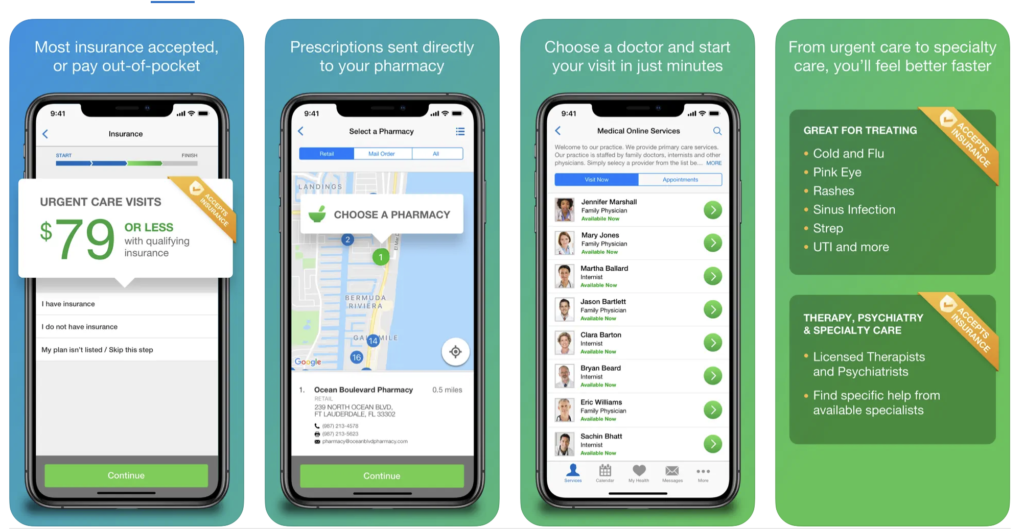
Screenshots from Amwell app in Apple's app store
Source: Apple App Store

Amwell offers a broad spectrum of medical services, including:

  • Primary Care: General health consultations.

  • Urgent Care: Immediate care for non-emergency conditions.

  • Behavioral Health: Therapy and counseling services.

  • Specialist Appointments: Access to dermatologists, dietitians, and more.

  • Prescriptions: Medication management and prescription refills.

How to schedule and start a virtual doctor visit 

Scheduling an appointment with Amwell is straightforward:

  1. Enroll: Create an account on the Amwell platform.
  2. Choose: Select a doctor based on their experience and ratings.
  3. Visit: Start your video call using secure, high-quality streaming video.

Most doctor visits last about 10 minutes, but you can extend the time if needed. These doctors can review your medical history, diagnose conditions, and prescribe medications if necessary.

Technical requirements

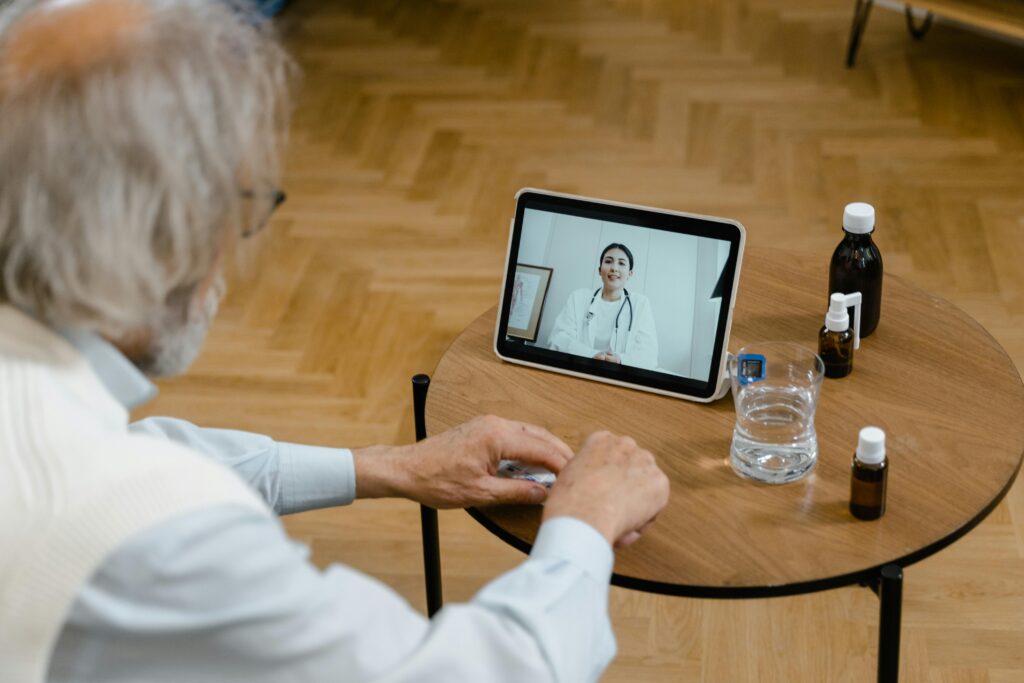
Older man talking to doctor on tablet - Tima Miroshnichenko
Source: Tima Miroshnichenko (Pexels)

To use Amwell, you need:

  • A computer or mobile device.

  • A stable internet connection.

  • The Amwell app or access to the web-based platform.

If you’re unable to use video, you can call for an audio-only (phone) visit as well. However, you may not be able to obtain a new prescription with an audio-only visit, depending on the state where you live.

Amwell’s Features and Benefits

Next, let’s review Amwell’s valuable features and benefits.

24/7 availability for urgent care

One of the standout features of Amwell is its 24/7 availability. You can access urgent care services anytime, even in the middle of the night or on a holiday. 

Range of specialists available

Doctor talking to patient on laptop by Tima Miroshnichenko
Source: Tima Miroshnichenko (Pexels)

You can choose from a variety of specialists at Amwell, including therapists, neurologists, dermatologists, and dietitians. This broad range of services ensures that you can find the right expert for your specific healthcare needs. 

Some examples of conditions Amwell’s urgent care doctors treat include:

  • Acute Bronchitis

                                      
  • Headache

                                   
  • Fever & Flu

                                    
  • Back pain

     
  • UTI   

                                                         
  • Respiratory Infection 

               
  • Sprains and strains   

                                                 
  • Diarrhea    

                                    
  • Exacerbations of chronic disease (asthma, diabetes)


103,000 providers conducted visits via Amwell in 2023.

Prescription services and management

Amwell doctors can prescribe medications and send them directly to your preferred pharmacy. This is particularly helpful to manage ongoing treatments and chronic conditions, and get your necessary medications fast. 

Note: A video visit is required by most states (not an audio-only visit) before Amwell can prescribe medication.

Integration with health insurance plans

Amwell works with several health insurance providers, making it easier for patients to get covered services. They also offer options for uninsured patients. Let’s dig into that a bit more, shall we?

Cost and Insurance Coverage

Understanding costs and insurance coverage is crucial when considering a telehealth service. This section discusses Amwell’s pricing.

Health insurance on paper

Amwell pricing 

The costs you pay for Amwell visits vary by visit type and insurance coverage:

  • Urgent Care: The cost starts at $69, unless your insurance co-pay is lower. 
  • Mental Health: Therapy sessions range from $99 to $110, depending on the therapist’s qualifications. 
  • Psychiatry: The initial visit for a psychiatric consultation is more expensive at $279. Follow-up visits with the same provider are $109 per visit.

Amwell works with many insurance companies, which can lower your costs. Before booking an appointment, check with your insurance provider. If you don’t have insurance, Amwell still offers competitive pricing.

Comparison with traditional in-person visits

Telehealth visits on Amwell are often more affordable than traditional in-person visits. The convenience of not having to travel and the ability to access care at any time makes it even more cost-effective.

Insurance plans accepted by Amwell

Amwell partners with various insurance companies, including Aetna, Blue Cross Blue Shield, UnitedHealthcare, and Anthem. Many insurance plans cover urgent care and mental health (behavioral health) services to reduce out-of-pocket costs. 

Over 100 million members have Amwell as a covered benefit. To confirm insurance coverage and pricing, check with your insurance provider before making an appointment.

For those without insurance, Amwell offers competitive pricing for its services. The platform ensures that everyone can access quality healthcare, regardless of their insurance status.

A user-friendly platform is essential for effective telehealth services. Let’s examine Amwell’s interface next.

User Experience and Interface

An easy-to-use interface* is essential for a telehealth platform, and Amwell fits the bill.

Black woman smiling at phone with glucose meter on arm

Easy account creation and setup

Creating an account on Amwell is quick and straightforward. The platform guides you through the process, and securely stores your information for future visits.

Navigation of the Amwell app and website

Both the Amwell app and website are designed with user experience (UX) in mind. The intuitive layout makes it easy to find doctors, schedule appointments, and access medical records.

Quality of video consultations

Amwell uses high-quality streaming video for consultations, ensuring clear communication between patients and doctors. This feature is crucial for accurate diagnoses and effective treatment plans.

Patient support and resources

Amwell offers robust patient support, including FAQs, live chat, and phone support. These resources help users navigate the platform and resolve any issues they may encounter.

Is it safe to use Amwell services over the internet? How does Amwell ensure patient data is protected? We answer these questions next. 

Privacy and Security Measures

Privacy and security are paramount in telehealth services. Here’s how Amwell addresses privacy and security concerns.

Doctor showing a patient an app in green

HIPAA compliance and data protection

Amwell is fully compliant with the Health Insurance Portability and Accountability Act (HIPAA), which ensures patient information is securely handled and protected.

Secure messaging and file sharing

The platform uses encrypted messaging and secure file-sharing protocols to protect patient data during communication and consultations.

Patient data storage and access policies

Amwell stores patient data securely, and you can access your medical records anytime. This transparency helps build trust and ensures you have control over your health information.

To provide a balanced view, let’s consider the advantages and potential drawbacks of using Amwell.

Pros and Cons of Using Amwell

Understanding patient feedback can provide valuable insights into the effectiveness of a telehealth service. And like any service, Amwell has its advantages and potential drawbacks. 

Amwell has mixed reviews from users. Amwell offers competitive pricing and a wide range of services compared to other telehealth providers. 

While many praise the convenience and quality of care, others expressed dissatisfaction with customer service, appointment scheduling, and reliability. 

Here’s what people who’ve used Amwell had to say about their experience.

Amwell’s advantages

Amwell’s platform includes all the benefits of a telehealth platform

  • Convenience: Access healthcare from anywhere at any time from a user-friendly interface.

  • Range of Services: From urgent care to specialist consultations.

  • Cost-Effective: Often cheaper than in-person visits.

  • Insurance Integration: Works with many insurance providers.

J.D. Power has recognized Amwell for its high customer satisfaction for several years. Amwell ranked No. 1 in the J.D. Power 2020 U.S. Telehealth Satisfaction Study, and only dropped to third place in 2023 behind CVS (1st) and MDLive (2nd).

Potential drawbacks

Based on reviews from those who’ve used Amwell, there are a few issues you may encounter, such as:

Conclusion

Doctor showing something in hands to patient on laptop
Source: Tima Miroshnichenko (Pexels)

Amwell’s telehealth platform provides convenient, accessible, and cost-effective healthcare services. With its wide range of services, 24/7 availability, and integration with many insurance plans, it’s a solid option for those seeking virtual healthcare. However, like any telehealth service, there are areas for improvement. 

Whether you’re looking for urgent care, specialist consultations, or mental health services, Amwell provides a comprehensive solution that could meet your various healthcare needs. Consider your specific healthcare needs, the types of services you require, and your comfort level with virtual consultations when deciding if Amwell is right for you. 

* I offer UX copywriting and content design services.

References

Amwell. (n.d.). Trustpilot. Retrieved from https://www.trustpilot.com/review/amwell.com

Amwell for patients: How it works. (n.d.). Amwell. Retrieved from https://patients.amwell.com/how-it-works

Amwell for patients: Online doctor visits, 24/7. (n.d.). Amwell. Retrieved from https://patients.amwell.com

Amwell Ranked No. 1 in the J.D. Power 2020 U.S. Telehealth Satisfaction Survey. (2020). Amwell. Retrieved from 

https://business.amwell.com/about-us/news/press-releases/2020/amwell-ranked-no-1-in-the-j-d-power-2020-u-s-telehealth-satisfaction-study

Enabling hybrid care at scale. (n.d.). Amwell. Retrieved from https://business.amwell.com/

Mixed reviews for Amwell: Long Wait Times, Appointment Cancellations, and Billing Concerns. (n.d.). Kimola. Retrieved from https://kimola.com/reports/unlock-insights-with-amwell-customer-feedback-analysis-trustpilot-en-us-148604

Telehealth Mobile Apps: Preferred Channel for Virtual Care Delivery but Generational Difference Persits, J.D. Power Finds. (2023). J.D. Power. Retrieved from https://japan.jdpower.com/en/press-releases/2023_US_Telehealth_Satisfaction_Study

Telehealth for Rural Areas: Bridging the Healthcare Gap

Telehealth for Rural Areas: Bridging the Healthcare Gap

AI Health Tech

In the vast expanses of rural America, access to quality healthcare has long been a challenge. But telehealth can be a digital lifeline for these communities. According to the American Hospital Association, 76% of U.S. hospitals connect with patients through video and other technology. This underscores the growing importance of telehealth for rural areas where medical facilities are often few and far between. 

Let’s explore how this technology is making waves in rural healthcare, its benefits, challenges, and what the future holds.

Contents

Benefits of Telehealth for Rural Residents

Telehealth is changing healthcare delivery, particularly in rural areas where access to medical services can be limited. 

A man hitchhiking from a farm

In a survey of 202 adults living in a rural area, 88% of them were open to telehealth. When asked about barriers to show up for doctor appointments or receiving adequate healthcare, they cited several reasons (Kolluri et al., 2022):

  • The wait to see the doctor is too long – 32.7%

  • Too expensive – 24.8%

  • Lack of transportation – 22.8%

  • Schedule conflicts – 22.8%

  • Not sick – 15.8%

  • Distrust the quality of healthcare – 13.9%

  • Other – 4.5% (“My insurance isn’t accepted for at least 100 miles.”)

With this data, we can clearly see how telehealth can positively impact rural patients. Here are some specific benefits.

Better access to doctors with reduced travel

For many rural residents, visiting a doctor means traveling long distances, which can be costly and time-consuming. Finding a specialist is also challenging due to limited availability. 

Telehealth bridges this gap by connecting patients with specialists through video visits and online consultations, which eliminates the need for long travel (Butzner & Cuffee, 2021). Patients who receive care from the comfort of their homes save on transportation costs and reduce the need to take time off from work.

Faster access to care in emergencies

Tele-emergency services provide real-time access to emergency medicine physicians, allowing rural healthcare providers to manage emergencies more effectively (Rural Health Information Hub, 2024). This quick access can be crucial in life-threatening situations.

Increased continuity of care for chronic conditions

Black woman gold top showing phone with glucose meter on arm

Chronic disease management is vital for improving patient outcomes. Telehealth enables continuous monitoring and follow-up care, ensuring that patients with chronic conditions receive consistent and timely interventions.

Improved patient engagement and health outcomes

Telehealth encourages patients to take an active role in their healthcare. With tools like remote monitoring and mobile health apps, patients can track their health metrics and communicate with healthcare providers more frequently, leading to better health outcomes.

These benefits highlight how telehealth is making healthcare more accessible and effective for rural patients. However, implementing telehealth in these areas comes with its own set of challenges.

Success Stories: Rural Telehealth in Action

Many rural communities have successfully implemented telehealth programs with success stories to celebrate. Here are a few.

Effective telehealth programs 

Project ECHO®

Programs like Project ECHO® have connected rural healthcare providers with specialists, allowing for better management of complex cases (Rural Health Information Hub, 2024). These kinds of programs show the potential of telehealth to improve healthcare delivery in rural communities.

Hybrid healthcare in the South

Woman getting a shot in her arm

East Carolina University (ECU) developed a hybrid healthcare program to improve health outcomes for rural residents in that area. A nurse visits patients at home and connects them virtually with providers at health centers. 

This program allows patients to access various healthcare services, including consultations with pharmacists, while the nurse assesses their needs. The program has proven beneficial, as illustrated by a bed-bound diabetes patient who, after joining, received comprehensive care and reduced hospital visits. 

This hybrid approach combines telehealth with in-person visits to address barriers faced by rural patients, such as long travel distances to healthcare facilities. It also allows the clinical team to collaborative and address patients’ health issues, making them more discoverable and actionable. 

Mobile clinic for substance abuse in the Mid-Atlantic

Wide top white van driving down street

The University of Maryland (UMD) launched a telehealth program to address the shortage of healthcare providers for opioid use disorder (OUD) in rural areas, particularly after a care center in western Maryland lost its OUD provider. They partnered with health departments and secured funding from the Health Resources and Services Administration (HRSA) to set up mobile clinics equipped with vans and computers. 

These clinics, staffed by a counselor, nurse, and peer recovery specialist, park in central locations to provide care. Telehealth plays a crucial role in expanding access to OUD treatment. This initiative has successfully served hundreds of people, reaching individuals who otherwise might not have access to treatment.

Emergency care access in rural hospitals in the Midwest

Two ambulances in front of Emergency entrance to hospital

In rural areas, residents face higher risks of death from accidents and strokes. Telehealth allows specially trained providers to assist rural hospital staff in delivering prompt emergency care, which is crucial for improving outcomes. 

One such case study comes from Sanford Health, which uses telehealth to improve emergency care access in rural hospitals across South Dakota, North Dakota, and Minnesota. Their program connects 32 rural emergency service locations to specialists through a virtual care hub. This hub allows rural staff to quickly consult with specialists on treating strokes, burns, and other traumas. 

The program’s success relies on technology, including two large monitors that allow specialists to access patient information from multiple sources simultaneously. 

Impact on local healthcare providers and clinics 

Telehealth allows rural clinics to offer a broader range of services, reducing the need for patient transfers and hospital bypasses. There can be caveats to this, but telehealth can improve the viability of rural healthcare facilities and helped retain healthcare providers in these areas. 

Economic benefits for rural communities 

Implementing telehealth can lead to economic benefits such as reduced patient transportation costs, increased local pharmacy revenues, and decreased hospital staffing costs.

These success stories illustrate the transformative impact telehealth can have on rural healthcare, providing a model for future initiatives.

While telehealth often leads to positive outcomes, its implementation in rural areas is not without obstacles.

Challenges in Implementing Rural Telehealth

Despite its advantages, telehealth implementation in rural areas faces several hurdles. Understanding these challenges is crucial for developing effective solutions.

Telehealth access for people experiencing homelessness

Man in homeless shelter

Federally Qualified Health Centers (FQHCs) serve vulnerable, unhoused, and underinsured people in the U.S. 

During the COVID-19 pandemic, FQHCs set up telehealth in shelters and community organizations, used vans for mobile telehealth services, and gave smartphones and tablets to shelters to connect unhoused patients with primary care doctors and specialists. 

However, challenges remain, like unreliable phone and internet service. Post-pandemic, many unhoused patients still rely on phone visits instead of video visits (Azar et al, 2024).

Limited broadband internet access

Reliable internet is essential for telehealth services. Unfortunately, many rural areas lack the necessary broadband infrastructure, which can hinder the delivery of telehealth services.

Technology literacy and adoption among older populations

Older adults may struggle with using new technologies, which can limit their ability to benefit from telehealth services. Providing education and support is necessary to increase technology adoption among this demographic (Gurupur & Miao, 2022).

Regulatory and licensing inconsistencies

Telehealth often involves providing services across state lines, since technology allows for worldwide connections. This can lead to regulatory and licensing challenges. The requirements vary by state, which complicates the process for healthcare providers (Gurupur & Miao, 2022).

Reimbursement and insurance coverage complexities

Doctor on the phone

Insurance coverage for telehealth also varies, as some providers don’t reimburse certain types of care. For example, each state has different rules and regulations about the types of services that can be reimbursed by Medicaid. This inconsistency discourages some healthcare providers from offering telehealth services.

Privacy and security concerns in digital health platforms 

Protecting patient data is a top priority in telehealth. Ensuring that digital health platforms comply with privacy regulations like HIPAA is essential to maintain patient trust.

Language barriers

In a study by UC Davis in Sacramento with The University of Queensland in Brisbane, providers had mixed experiences with interpreter services during telehealth visits. Some found it challenging to use interpreters effectively through their clinic’s telehealth platform. In some cases, non-English speaking patients were asked to come to the clinic in person instead of using telehealth. One provider mentioned relying on family members for translation, but this wasn’t always possible (Azar et al, 2024). 

On the other hand, many providers said they could meet the needs of non-English speaking patients using available interpreter services. Some clinics had smooth workflows for integrating interpreters into telehealth visits, while others were still working on finding good solutions to this issue (Azar et al, 2024).

Addressing these challenges requires collaboration between policymakers, healthcare providers, and technology companies. By overcoming these obstacles, telehealth can become a more integral part of rural healthcare.

The Future of Telehealth in Rural Healthcare

Lin et al (2018) found that health centers located in rural areas were associated with a 10-percentage-point increase in the probability of telehealth use, and 12.2 percentage points more likely to use telehealth for mental health care, compared to those in urban areas. 

Several years later, technology continues to improve, and telehealth plays an even more important role in providing healthcare to people in rural communities. Here are some trends and developments to watch.

Emerging technologies enhancing telehealth capabilities 

Innovations like wearable devices and artificial intelligence (AI) are expanding the possibilities of telehealth. These technologies provide more comprehensive monitoring and personalized care.

Policy changes and initiatives regarding rural telehealth 

Governments and organizations recognize the importance of telehealth in rural areas. However, telehealth in those communities can negatively impact their local healthcare access, and several federal waivers are set to expire soon

Rural vs. urban healthcare systems

Empty winding road

A study by the University of Tennesee at Knoxville found that rural hospitals often lose patients to urban hospitals offering telehealth services. This shift results in financial strain for rural hospitals, affecting their investment choices and capital structure. As a result, some rural hospitals may have to cut back on staff, including doctors and nurses, or even close down intensive care units. And in extreme cases, this can lead to bankruptcy. 

These financial challenges arise because rural hospitals lose revenue when patients opt for telehealth services from urban providers. This situation is worsened because rural hospitals typically face higher financial risks. 

Policymakers and patients should consider these long-term financial impacts when using telehealth services, as they can have unintended negative consequences for rural healthcare providers. Initiatives aimed at expanding broadband access and simplifying regulatory processes are crucial for the continued growth of telehealth.

Federal waiver expirations

At the end of September 2025, six federal waivers and provisions will end  unless the U.S. government takes further action:

  • Site Waivers: Temporary Medicare changes, including geographic and site flexibilities, are set to expire, which affects FQHCs and Rural Health Clinics (RHCs).

  • In-Person Follow-Ups for Mental Telehealth: A waiver that removes the need for an in-person visit within six months of an initial telemental health visit is expiring.
  • HSA Safe Harbor: Laws that allow high-deductible health plans to cover telehealth services without affecting health savings accounts is ending.
  • Controlled Substance Prescribing: The temporary Drug Enforcement Administration (DEA) guidelines that allow telehealth providers to prescribe controlled substances without an in-person visit are set to expire.
  • Provider Privacy: Medicare telehealth providers currently have privacy regarding their location on claim forms, but this may change.
  • Acute Hospital Care at Home: A waiver that allows remote patient monitoring by eliminating the need for 24/7 on-site nursing is expiring.

Integration with other healthcare services and systems

Telehealth is becoming more integrated with traditional healthcare services, offering a seamless experience for patients. This integration can improve care coordination and ensure that telehealth complements in-person care effectively.

Potential for addressing healthcare disparities

Asian woman looking at phone in disgust

Telehealth has the potential to reduce healthcare disparities by providing equitable access to care for underserved populations. By making healthcare more accessible, telehealth can help address some of the systemic issues contributing to health disparities.

Conclusion

Quality healthcare should be equitable and available for everyone, regardless of their zip code. Telehealth can be a powerful tool to address the healthcare needs of rural communities. By breaking down geographical barriers, it’s bringing quality care to those who need it most. 

As technology advances and policies adapt, there are many opportunities for telehealth to further improve rural healthcare. By continuing to innovate and address existing challenges, telehealth can become a cornerstone of rural healthcare delivery.

Whether you’re a patient, provider, or policymaker, embracing telehealth could be the key to ensuring that everyone, regardless of location, has access to the care they deserve. The future of rural healthcare is here, and it’s digital. Are you ready to connect?

References

Azar, R., Chan, R., Sarkisian, M., Burns, R. D., Marcin, J. P. , Gotthardt, C. De Guzman, K. R., Rosenthal, J. L., & Haynes, S. C. (2024). Adapting telehealth to address health equity: Perspectives of primary care providers across the United States. Journal of Telemedicine and Telecare; 1-7. doi:10.1177/1357633X241238780

Butzner, M., & Cuffee, Y. (2021). Telehealth Interventions and Outcomes Across Rural Communities in the United States: Narrative Review. Journal of Medical Internet Research; 23(8). doi.org/10.2196/29575

Expanding access to emergency care in rural hospitals. (2024). Health Resources and Services Administration (HRSA). Retrieved from https://telehealth.hhs.gov/community-stories/expanding-access-emergency-care-rural-hospitals

Gurupur, V. P., & Miao, Z. (2022). A brief analysis of challenges in implementing telehealth in a rural setting. MHealth; 8. doi.org/10.21037/mhealth-21-38

Home-based, hybrid health care in rural communities. (2024). Health Resources and Services Administration (HRSA). Retrieved from https://telehealth.hhs.gov/community-stories/home-based-hybrid-health-care-rural-communities

Kolluri, S., Stead, T. S., Mangal, R. K., Littell, J., & Ganti, L. (2022). Telehealth in Response to the Rural Health Disparity. Health Psychology Research; 10(3). doi.org/10.52965/001c.37445

Lin, C. C., Dievler, A. , Robbins, C., Sripipatana, A., Quinn, M. & Nair, S. (2018). Telehealth in Health Centers: Key Adoption Factors, Barriers, and Opportunities. Retrieved from 

https://www.healthaffairs.org/doi/10.1377/hlthaff.2018.05125

Mobile clinics for substance use disorder. (2024). Health Resources and Services Administration (HRSA). Retrieved from https://telehealth.hhs.gov/community-stories/mobile-clinics-substance-use-disorder

Stewart, H. (2024). Telehealth trends in 2024: Converging challenges on the virtual care frontier. CHG Healthcare. Retrieved from https://chghealthcare.com/blog/telehealth-trends

Telehealth and Health Information Technology in Rural Healthcare. (2024). Rural Health Information Hub. Retrieved from https://www.ruralhealthinfo.org/topics/telehealth-health-it

Telemedicine usage can have unexpected impact on rural communities’ access to local care. (2024). News Medical. Retrieved from https://www.news-medical.net/news/20240801/Telemedicine-usage-can-have-unexpected-impact-on-rural-communities-access-to-local-care.aspx

The Key Benefits of Telehealth in Rural Areas. (n.d.). Health Recovery Solutions. Retrieved from https://www.healthrecoverysolutions.com/blog/the-key-benefits-of-telehealth-in-rural-areas

Top 10 Best AI Health Apps

Top 10 Best AI Health Apps

AI Health Tech

In today’s fast-paced world, staying on top of your health can be a challenge. Why not use your smartphone as your personal health assistant? Whether you’re looking to manage a chronic disease or simply keep track of your fitness goals, there’s an artificial intelligence (AI) health app for that. 

44% of smartphone users have at least one health app installed (Beckham, 2024) and use it to track and analyze their well-being. Let’s explore the top 10 best AI health apps changing the game in personal wellness management, and how to decide which one’s best for you.

Contents

What Are AI Health Monitoring Apps?

Menstruation app tracker

AI health apps are more than just fancy gadgets. They leverage machine learning (ML) algorithms to analyze data from various sources, such as wearable devices, medical history, and biometric data. 

Benefits of Using AI for Health-Tracking

Woman standing by window looking at phone

Why should you consider using an AI health app? Smartphones and smartwatches can keep track of your health using AI to analyze your health data and monitor everything from your heart rate to your sleep patterns, helping you stay on top of your health. A few more compelling reasons include access to:

An AI health app can track your physical activity, monitor your heart rate, and even analyze your sleep patterns. This info can help you understand your overall health better and make informed decisions.

With so many options available, it’s important to know what features make a great AI health app.

What to Look for in Health Apps

Medicine reminder on tablet

When choosing an AI health app, it’s essential to know what features to look for. Here are some must-have features:

  • Activity Tracking: Monitor your daily physical activity, including steps taken, calories burned, and workout intensity.
  • Heart Rate Monitoring: Keep track of your heart rate during different activities and rest periods.
  • Sleep Tracking: Analyze your sleep patterns to improve your sleep quality.
  • Nutrition Tracking: Log your meals and monitor your calorie intake.
  • Symptom Checker: Identify potential health issues based on your symptoms.
  • Medication Reminders: Get reminders to take your medications on time.
  • Data Privacy: Ensure your health data is secure and private.
  • User-Friendly Interface: Easy to navigate and use, even for non-tech-savvy users.

These features can help you manage your health more effectively and make the app a valuable tool in your daily life.

Now that we know what to look for, let’s explore some of the top AI health apps on the market.

Our Picks: The 10 Best AI Health Apps

1. MyFitnessPal

MyFitnessPal app

MyFitnessPal, developed by Under Armour, is a health app that focuses on nutrition and fitness tracking. It helps users log their meals, track their calorie intake, and monitor their physical activity.

Key Features:

  • Calorie counter
  • Nutrition tracking
  • Exercise tracking
  • Integration with other fitness apps and devices

ProsCons
Extensive food databaseAds in the free version
User-friendly interfaceSome features require a premium subscription

Use Case 

Ideal for individuals looking to manage their diet and fitness goals.

2. Fitbit

Fitbit smartwatch

Fitbit, now owned by Google, is a well-known name in the fitness tracking industry. The app works with Fitbit wearable devices to monitor various health metrics.

Key Features:

  • Activity tracking
  • Heart rate monitoring
  • Sleep analysis
  • Personalized health insights

ProsCons
Comprehensive health-trackingRequires a Fitbit device
User-friendly interfaceSome features require a premium subscription

Use Case 

Suitable for fitness enthusiasts who want a detailed analysis of their health metrics.

3. Headspace

Headspace

Headspace is a mental health app that focuses on meditation and mindfulness. It helps users manage stress, improve sleep, and enhance overall well-being.

Key Features:

  • Guided meditation sessions
  • Sleep sounds and bedtime stories
  • Stress management tools
  • Personalized recommendations

ProsCons
High-quality content Subscription required for full access
User-friendly interfaceLimited free content

Use Case 

Great for individuals looking to improve their mental health and reduce stress.

4. Apple Health

Apple Health app

Apple Health is a built-in app for iOS devices that consolidates health data from various sources. It provides a deep overview of your health metrics.

Key Features:

  • Activity and exercise tracking
  • Heart rate monitoring
  • Sleep analysis
  • Integration with third-party apps

ProsCons
Integrates with multiple devicesOnly available on iOS
Comprehensive health dataLimited customization options

Use Case 

Perfect for iPhone users who want a centralized health-tracking solution.

5. Samsung Health

Samsung Health

Samsung Health is a versatile health app available for Android and iOS devices. It tracks various health metrics and offers personalized health insights.

Key Features:

  • Activity tracking
  • Heart rate monitoring
  • Sleep analysis
  • Stress management tools

ProsCons
Wide range of featuresSome features require Samsung devices
User-friendly interfaceAds in the free version

Use Case 

Ideal for Samsung device users looking for a detailed health-tracking app.

6. Garmin Connect

Garmin Connect works with Garmin wearable devices to provide detailed health and fitness tracking. It shows data about your physical activity, sleep, and more.

Key Features:

  • Activity tracking
  • Heart rate monitoring
  • Sleep analysis
  • Workout planner

ProsCons
Detailed health insightsRequires a Garmin device
CustomizableSome features are complex

Use Case 

Best for athletes and fitness enthusiasts using Garmin devices.

7. Oura

Oura Ring app

Oura is the health app that comes with the Oura Ring to track various health metrics, including sleep, activity, and readiness.

Key Features:

  • Sleep tracking
  • Activity tracking
  • Readiness score
  • Personalized insights

ProsCons
Accurate sleep trackingExpensive
Comprehensive health dataRequires the Oura Ring

Use Case 

Suitable for individuals focused on improving their sleep and overall health.

8. Google Fit

Google Fit app

Google Fit is a health app developed by Google that tracks your physical activity and provides personalized health insights.

Key Features:

  • Activity tracking
  • Heart rate monitoring
  • Integration with other fitness apps
  • Personalized goals

ProsCons
Free to useLimited advanced features
Works with multiple devicesBasic interface

Use Case 

Ideal for Android users looking for a free health-tracking solution.

9. Noom

Noom Linkedin post

Noom is a health app that focuses on weight loss and healthy living through behavioral science. It offers personalized coaching and meal tracking.

Key Features:

  • Calorie counter
  • Nutrition tracking
  • Personalized coaching
  • Behavioral insights

ProsCons
Personalized approachSubscription required
Effective weight loss programTime-consuming

Use Case 

Great for individuals looking to lose weight and adopt healthier habits.

10. Flo

Flo app

Flo is an app designed for women’s health. It tracks menstrual cycles and ovulation, and offers personalized health insights.

Key Features:

  • Menstrual cycle tracking
  • Ovulation prediction
  • Health insights
  • Symptom checker

ProsCons
Comprehensive women’s health-trackingSome features require a subscription
User-friendly interfaceAds in the free version

Use Case 

Ideal for women looking to track their menstrual health and fertility.

With all these great options, how do you pick the right one for you? Next we’ll look at some tips to help you decide.

How to Choose the Right App for Your Needs

Person touching their fitness watch

Choosing the right AI health app can be overwhelming with so many options available. Here are some tips to help you make the right choice:

  • Determine Your Needs: Determine what health metrics you want to track and what features are most important to you.
  • Check Compatibility: Ensure the app is compatible with your devices and other health apps you use.
  • Read Reviews: Look for user reviews and ratings to get an idea of the app’s performance and reliability.
  • Consider Privacy: Make sure the app has robust privacy and security measures to protect your data.
  • Try Free Versions: Many apps offer free versions or trials. Test them out before committing to a subscription.

By considering these factors, you can find an app that meets your health-tracking needs and fits seamlessly into your lifestyle.

While these apps can be incredibly helpful, it’s crucial to consider how they handle your personal information.

Privacy and Security Considerations

A running app on phone with sneakers

When it comes to health apps, privacy and security are paramount. Here are some key considerations (ERTech, 2023):

  • Data Encryption: Ensure the app uses encryption to protect your data during transmission and storage.
  • Secure Authentication: Look for apps that offer multi-factor authentication to verify your identity.
  • Clear Privacy Policies: The app should have a transparent privacy policy that is easy to understand.
  • Data Sharing: Be cautious of apps that share your data with third parties, especially for advertising purposes.

A study in the British Medical Journal found that many health apps have serious privacy issues, including a lack of transparency in their privacy policies (Grundy et al., 2019). It’s crucial to choose apps that prioritize your data privacy and security.

As exciting as current AI health apps are, the future holds even more promise. Let’s take a look at what’s coming.

The Future of AI in Health Monitoring

fitness watch closeup

The future of AI in health monitoring looks promising. Here are some trends to watch:

  • Advanced Predictive Analysis: AI will become better at predicting health issues before they occur, leading to more proactive healthcare.
  • Integration with Telemedicine: AI health apps will work more seamlessly with telemedicine services, providing a well-rounded healthcare solution.
  • Personalized Healthcare: AI will continue to offer more personal tips tailored to individual needs and preferences.
  • Improved Data Privacy: As privacy concerns grow, AI health apps will adopt more advanced privacy-preserving techniques, such as federated learning and differential privacy (Yadav et al., 2023).

AI health monitoring apps are powerful tools that put wellness management at your fingertips. From tracking your sleep patterns to monitoring your heart rate, these smart applications offer personalized insights to help you make informed decisions about your health. 

Remember, while these apps are incredibly useful, they’re not a replacement for professional medical advice. Use them as a complement to regular check-ups and always consult with your healthcare provider for serious concerns. By choosing the right app and prioritizing privacy and security, you can take control of your health and well-being. 

References

Beckman, J. (2024). 30 Amazing Mobile Health Technology Statistics. Tech Report. Retrieved from https://techreport.com/statistics/software-web/mobile-healthcare-technology-statistics/

Best Practices for Healthcare Privacy in Mobile Apps. ERTech. Retrieved from https://www.ertech.io/blog/best-practices-for-healthcare-privacy-in-mobile-apps

Grundy, Q., Chiu, K., Held, F., Continella, A., Bero, L., & Holz, R. (2019). Data sharing practices of medicines related apps and the mobile ecosystem: Traffic, content, and network analysis. BMJ, 364, l920. doi.org/10.1136/bmj.l920

Yadav, N., Pandey, S., Gupta, A., Dudani, P., Gupta, S., & Rangarajan, K. Data Privacy in Healthcare: In the Era of Artificial Intelligence. Indian Dermatology Online Journal, 14(6), 788-792. doi.org/10.4103/idoj.idoj_543_23

How AI Helps Combat Global Health Crises

How AI Helps Combat Global Health Crises

AI Health Tech Med Tech

As we learned during the pandemic, global health threats can spread rapidly across borders, and the need for innovative solutions has never been more pressing. 

Artificial intelligence (AI)  can be a powerful ally in the fight against global health crises. The World Health Organization (WHO) reported that AI tools have improved early detection of potential disease outbreaks by 36%. 

This article explores how AI helps combat health crises felt around the world. 

Contents

Early Detection and Prediction of Outbreaks

Lab room items illustration

During the pandemic, AI initiatives for forecasting and modeling increased dramatically. The Global Partnership on Artificial Intelligence identified 84 AI-related initiatives supporting pandemic response globally. (Borda et al, 2022).

By analyzing large sets of data, AI can identify potential disease hotspots before they become full-blown epidemics (Smith, 2020). How? 

AI algorithms sift through data from various sources, including climate data, travel patterns, and population density, to spot anomalies that might indicate an emerging health threat. 

Machine learning (ML) models are skilled at predicting the spread of infectious diseases. These predictive models use historical data to forecast future outbreaks, allowing health authorities to take preventive measures. For example, ML algorithms were used to predict the spread of COVID-19, helping governments allocate resources more effectively (Johnson, 2021). 

A few more examples:

  • Boston Children’s Hospital’s HealthMap used real-time data for early COVID-19 detection (Gaur et al., 2021). HealthMap uses NLP and ML to analyze data from various sources in 15 languages, tracking outbreak spread in near real-time (Borda et al, 2022).
  • Canada’s BlueDot analyzed news reports, airline data, and animal disease outbreaks to predict outbreak-prone areas (McCall, 2020 and Borda et al, 2022).
  • Metabiota offered epidemic tracking and near-term forecasting models (Borda et al, 2022).

Predictive modeling with medical imaging has a high accuracy rate  

In a study that created an early warning system for COVID-19, they combined clinical information and CT scans with 92% accuracy in predicting which patients might get worse (Lv et al., 2024). 

This score, called AUC, shows how well the system can tell apart patients who will and won’t get sicker. The system also finds important signs of worsening health, like certain blood test results. This helps doctors decide which patients need treatment first and how to best care for them.

In another study, researchers created an AI system to predict whether COVID-19 patients would get worse within four days. This system used chest X-rays and patient data. When tested on 3,661 patients, the system had a 79% accuracy rate. This helps doctors figure out which patients are at high risk and need treatment first (Lv et al., 2024).

Social media’s role in early detection

Real-time monitoring of social media and news sources also plays a crucial role in early detection. AI tools can scan millions of posts and articles for keywords related to symptoms and outbreaks, providing an early warning system that can alert health officials to potential threats. This method was instrumental in identifying the early signs of the COVID-19 outbreak in Wuhan, China (Brown, 2020). 

Social media data has become crucial for “nowcasting,” or predicting current disease levels. Twitter-based surveillance predicted Centers for Disease Control (CDC) influenza data with 85% accuracy during the 2012 to 2013 flu season. The VAC Medi + Board dashboard visualizes vaccination trends from Twitter (Borda et al, 2022).

Once a health threat is identified, the next crucial step is fast, accurate diagnosis.

Enhancing Diagnostic Accuracy and Speed

X-ray on blue film

AI can improve diagnostic accuracy and speed. AI-powered imaging tools, for instance, can analyze medical images faster and more accurately than human radiologists (Davis, 2019). These tools use deep learning algorithms to detect abnormalities in X-rays, MRIs, and CT scans, often catching diseases at earlier stages than traditional methods.

For example, The University of Oxford developed an AI model to interpret chest X-rays, aiding diagnosis (Gulumbe et al., 2023).

Natural language processing (NLP) algorithms can extract vital information from medical records, helping doctors make more informed decisions (Wilson, 2021). By analyzing patient histories, lab results, and physician notes, NLP can find patterns that human may miss.

Wearable devices equipped with AI algorithms are also changing health monitoring. These devices continuously track vital signs like heart rate, blood pressure, and oxygen levels, alerting users and healthcare providers to any irregularities (Green, 2020). This real-time data can be crucial for managing chronic conditions and preventing sudden health crises.

After diagnosis, the race for treatment begins. AI is speeding up this process in remarkable ways.

Accelerating Drug Discovery and Development

Vials scale and microscope

The process of drug discovery and development is time-consuming and expensive. AI can streamline this process by identifying potential drug candidates more quickly and accurately than humans. 

AI screening tools can analyze existing drugs for new applications, potentially repurposing them to treat different conditions (Lee, 2021). 

ML models are also being used to design novel drug compounds. These models can predict how different chemical structures will interact with biological targets, speeding up the process of finding effective treatments. 

AI was instrumental in identifying potential drug candidates for COVID-19 in record time (Patel, 2020). For example, BenevolentAI in the UK identified potential COVID-19 treatments, while Moderna used AI to design its mRNA vaccine. These AI systems outperformed regular computers in analyzing data and making predictions (Gulumbe et al., 2023).

Simulations

Simulation of clinical trials is another area where AI is making an impact. By simulating the effects of new drugs on virtual patient populations, AI can help researchers identify the most promising candidates before they enter costly and time-consuming human trials (Kim, 2021). This approach saves time and reduces the risk of adverse effects.

Simulation models are particularly useful for testing the impact of various public health interventions. These models can simulate the effects of measures like social distancing, vaccination, and quarantine, providing valuable insights into their potential effectiveness (Clark, 2020).

Even the best treatments need efficient delivery systems. Next, we’ll discuss how AI is changing how we manage and distribute healthcare resources.

Optimizing Resource Allocation and Healthcare Delivery

Nurse talking to staff

AI systems are proving invaluable in managing hospital resources and patient flow. Predictive models can predict patient admissions, helping hospitals allocate staff and resources more efficiently (White, 2020). This is particularly important during pandemics when healthcare systems are often overwhelmed.

Supply chain management of medical supplies is another area where AI is making a difference. Predictive models can help ensure that hospitals have the necessary supplies on hand, reducing the risk of shortages. 

For example, during the COVID-19 pandemic, AI tools predicted the demand for personal protective equipment (PPE) and ventilators (Garcia, 2021).

Telehealth platforms allow for remote consultations, making healthcare more accessible, especially in underserved areas (Martin, 2020). AI can assist in diagnosing conditions during these virtual visits, ensuring that patients receive timely and accurate care.

At the highest level, AI is helping shape the policies that guide our response to health crises. 

Supporting Public Health Decision-Making

AI is critical in public health decision-making. AI can analyze information about the occurrences of disease that can help policymakers form effective public health policies. 

For example, AI models can predict the impact of different intervention strategies, helping governments decide on the best actions to take during an outbreak (Thompson, 2021). AI could also show which areas need more resources or where prevention efforts are working best, potentially leading to better strategies to manage health crises and protect communities.

Public health disease surveillance with AI

AI has greatly improved disease surveillance and epidemic detection. 

AI applications can track various diseases including malaria, dengue fever, and cholera. The U.S. CDC’s FluView app and the ARGONet system are examples of advanced flu-tracking tools (Borda et al., 2022).

Natural Language Generation (NLG)

Natural language generation (NLG) is another AI technology that supports public health efforts. NLG algorithms can create clear and targeted public health messages, ensuring that information is easily understood by the general public (Adams, 2021). This is crucial during health crises when timely and accurate communication can save lives

Conclusion

In the face of increasingly complex global health challenges, AI stands out as a vital tool in our arsenal. From spotting disease outbreaks before they spiral out of control to speeding up drug development and optimizing healthcare delivery, AI is proving its worth in countless ways. While it’s not a silver bullet, the integration of AI into global health strategies offers a path to more effective, efficient, and equitable healthcare worldwide. 

However, AI’s use is mostly limited to rich countries, which worsens health inequalities. To fix this, we need international teamwork to improve digital systems in poorer countries. Partnerships between these countries, wealthy nations, and tech companies could help share technology and build skills. It’s also important to create AI solutions that fit each region’s specific needs (Gulumbe et al., 2023).

As we continue to refine and expand AI applications in this field, we move closer to a future where we can respond swiftly and effectively to health crises, saving countless lives in the process.

References

Adams, L. (2021). Natural Language Generation in Public Health. Journal of Health Communication, 26(4), 89-101.

Borda, A. Molnar, A., Nessham, C. & Kostkova, P. (2022). Ethical Issues in AI-Enabled Disease Surveillance: Perspectives from Global Health. Applied Sciences. 12, 3890. doi:10.3390/app12083890

Brown, A. (2020). Real-Time Monitoring of Social Media for Disease Outbreaks. Public Health Reports, 135(4), 456-467.

Clark, D. (2020). Simulation Models for Public Health Interventions. Health Policy and Planning, 35(5), 123-135.

Davis, R. (2019). AI-Powered Imaging Tools in Diagnostics. Radiology Today, 36(5), 78-85.

Garcia, T. (2021). Predictive Models for Medical Supply Chain Management. Journal of Supply Chain Management, 28(3), 67-79.

​​Gaur L, Singh G, Agarwal V. Leveraging artificial intelligence tools to combat the COVID-19 crisis. In: Singh PK, Veselov G, Vyatkin V, Pljonkin A, Dodero JM, Kumar Y (eds) Futuristic Trends in Network and Communication Technologies. Singapore: Springer, 2021, pp. 321–328. doi.org/10.1007/978-981-16-1480-4_28.

Green, P. (2020). Wearable Devices for Health Monitoring. Journal of Digital Health, 22(3), 201-213.

Gulumbe, B. H., Yusuf, Z. M., & Hashim, A. M. (2023). Harnessing artificial intelligence in the post-COVID-19 era: A global health imperative. Tropical Doctor. doi.org/10.1177/00494755231181155

Johnson, L. (2021). Predictive Models for Infectious Disease Spread. Health Informatics Journal, 27(2), 89-102.

Kim, H. (2021). Simulation of Clinical Trials Using AI. Clinical Trials Journal, 33(2), 145-158.

Lee, M. (2021). AI-Driven Drug Discovery. Pharmaceutical Research, 38(6), 789-802.

Lv, C., Guo, W., Yin, X., Liu, L., Huang, X., Li, S., & Zhang, L. (2024). Innovative applications of artificial intelligence during the COVID-19 pandemic. Infectious Medicine, 3(1), 100095. doi.org/10.1016/j.imj.2024.100095

Martin, R. (2020). Telemedicine and AI. Journal of Telehealth, 19(2), 34-46.

McCall B. COVID-19 and artificial intelligence: protecting health-care workers and curbing the spread. Lancet Digital Health 2020; 2: e166–e167.

Patel, S. (2020). Machine Learning in Drug Development. Drug Development Today, 25(7), 123-136.

Smith, J. (2020). Artificial Intelligence in Disease Detection. Journal of Epidemiology, 45(3), 123-134.

Thompson, E. (2021). AI in Public Health Policy. Public Health Journal, 40(1), 23-36.

White, J. (2020). AI in Hospital Resource Management. Healthcare Management Review, 35(4), 89-100.

Wilson, K. (2021). Natural Language Processing in Healthcare. Medical Informatics, 29(1), 45-58.

Post-Op Care: Use AI to Recover from Surgery with these 5 Tools

Post-Op Care: Use AI to Recover from Surgery with these 5 Tools

AI Health Tech

Did you know that AI-assisted surgeries can reduce post-operative complications by up to 41%? And that’s just the beginning. Today’s healthcare is getting smarter, and it’s all thanks to artificial intelligence. 

Imagine waking up from surgery to find a robot monitoring your vital signs and an AI system crafting your recovery plan. Sounds like science fiction, right? 

From personalized rehab plans to virtual reality (VR) exercises, you can use AI to recover from surgery, making healing faster, safer, and less stressful. 

Curious about how this tech might help you or your loved ones bounce back after an operation? Let’s dive into five AI tools reshaping post-op care. These aren’t just gadgets – they’re your new health allies, working around the clock to get you back on your feet.

Contents

1. Memora Health

Memora Health app conversation
Source: Memora Health

Memora Health has an AI-powered tool that helps create personalized treatment plans for patients recovering from surgery. This software analyzes patient data to tailor rehabilitation programs to each individual’s needs. 

Key Features:

  • Answers patient questions via text messages (SMS) 
  • Reminds patients to take medications
  • Adjusts treatment based on patient survey feedback
  • Tracks long-term recovery outcomes

ProsCons
Personalized careRequires consistent data input
Improves recovery ratesMay need regular software updates
Saves time for healthcare providersInitial cost can be high

Use case 

A patient recovering from knee surgery uses Memora Health’s platform to get a personalized exercise plan. The software adjusts the plan as the patient progresses, ensuring they’re always working at the right level for optimal recovery.

To learn more, visit:

2. MotionAnalytics

Source: MotionAnalytics

MotionAnalytics is a movement assessment system that uses sensors and AI to evaluate and improve patients’ physical movements during recovery. This technology acts like a virtual movement coach, ensuring exercises are done correctly. It’s commonly used in physical therapy clinics and sports medicine facilities.

Key Features:

  • Real-time movement analysis
  • Provides instant feedback on exercise form
  • Tracks progress over time
  • Integrates with other rehabilitation tools
ProsCons
Improves exercise effectivenessRequires specific hardware
Reduces risk of re-injuryMay feel intrusive to some patients
Provides objective data on progressLearning curve for therapists

Use case

A stroke patient uses MotionAI during rehabilitation sessions to ensure they’re performing arm exercises correctly, maximizing the benefits of their therapy.

To learn more, visit :

3. Post Op 

Post Op app conversation
Source: Post Op

Post Op is a platform that supports patients recovering from surgery. This system helps healthcare providers monitor patients’ recovery progress and address complications and symptoms. It’s used in hospitals and outpatient clinics to optimize rehabilitation strategies.

Key Features:

  • Predicts likely recovery outcomes
  • Identifies potential complications early
  • Suggests proactive interventions
  • Generates easy-to-understand reports
ProsCons
Helps prevent setbacks Predictions may cause anxiety
Improves overall recovery outcomesRequires large amounts of data
Assists in resource allocationMay not account for rare complications

Use case

A cardiac surgery patient’s RecoveryPath analysis suggests a high risk of infection. The healthcare team implements additional preventive measures, successfully avoiding the complication.

To learn more, visit:

4. Koji’s Quest

Source: NeuroReality on Linkedin

Koji’s Quest combines VR with AI and game activities to help people who’ve had strokes or brain injuries. Created by NeuroReality, it guides patients through exercises that help them relearn everyday tasks. The program works by using the brain’s ability to rewire itself through new experiences and practice.

Key Features:

  • Interactive adventure game
  • Customizable options for therapy
  • AI-driven difficulty adjustment
  • Can use at home on multiple devices
ProsCons
Highly engaging for patientsRequires VR equipment
Can simulate real-world scenariosMay cause motion sickness in some users
Allows for remote therapy sessionsInitial setup can be complex

Use case

A patient recovering from hand surgery uses VRRehab to practice fine motor skills through virtual games, finding the experience more enjoyable and motivating than traditional exercises.

To learn more, visit:

5. PainSense 

PainSense app
Source: Milo Creative

PainSense is an intelligent pain management system developed by Milo Creative. This AI-powered tool analyzes patient data to recommend personalized pain management strategies. It’s used in hospitals and pain management clinics to enhance patient comfort and recovery.

Key Features:

  • Continuous pain level monitoring
  • Personalized medication recommendations
  • Non-pharmacological intervention suggestions
  • Integration with patient health records
ProsCons
Improves pain control May over-rely on self-reported data
Reduces risk of medication errors Requires regular patient input
Promotes alternative pain management methodsCannot replace human judgment entirely

Use case

A patient recovering from abdominal surgery uses PainSense AI to manage their discomfort. The system suggests a combination of medication timing and relaxation techniques, leading to better pain control and reduced reliance on opioids.

To learn more, visit:

Conclusion

AI tools are making a difference in post-operative care. They’re not just making recovery faster – they’re making it smarter and more personal. But remember, it doesn’t replace human care. It’s a team effort between you, your doctors, and these smart systems.

If you or someone you know is facing surgery, ask your healthcare provider about these AI tools. They might not have all of them, but even one could make a big difference in recovery.

In the end, the goal is simple: to help you heal better and faster. With AI lending a hand, that goal is more achievable than ever. Here’s to a future where recovery is smoother, quicker, with maybe even a little high-tech fun.

Best AI Surgical Systems and Software

Best AI Surgical Systems and Software

AI Health Tech

In 2019, U.S. hospitals performed 8 million surgeries. Part of the rapid growth in surgeries is due to the increasing use of AI surgical systems and software.

Artificial intelligence (AI) is changing the way surgeons plan, perform, and manage them. These cutting-edge technologies are not just tools; they’re partners in the OR. From robots to AI imaging systems, let’s discuss how AI is used for surgery.

Contents

Understanding AI in Surgical Systems

What are AI surgical systems, and how do they work?

People in OR

Definition of AI surgical systems

AI surgical systems use advanced algorithms and machine learning (ML) to help surgeons at different points during an operation. These systems can study medical images, predict how the operation will progress, and control robotic surgery tools. The goal is to enhance precision, reduce errors, and improve patient outcomes.

Key components of AI surgical tools

AI-powered surgical tools typically consist of:

  • ML Algorithms: They’re used in surgery to train robots to learn and adapt to their environment.
  • Computer Vision (CV): AI-based CV focuses on imaging, navigation, and guidance (Kitaguchi et al., 2022). This technology allows machines to interpret and process visual data, crucial for tasks like identifying tissues or navigating surgical instruments.
  • Robotic Arms: Controlled by AI, these robotic arms can perform delicate surgical tasks with great accuracy and precision.
  • Clinical Decision Support Systems: These systems provide real-time recommendations to surgeons based on patient data and AI analysis.

How AI improves surgical precision and decision-making

AI enhances surgical precision by providing real-time feedback and guidance. For example, during a procedure, AI can analyze live video feeds to alert surgeons of potential issues or suggest optimal surgical paths. This reduces the risk of human error and increases the success rate of surgeries (Mithany et al., 2023).

ML’s role in surgical applications

ML plays a critical role in surgical applications by continuously learning and improving from new data, then refining surgical techniques, predicting outcomes, and personalizing patient care. For instance, AI can predict complications based on patient history and intraoperative data, allowing for timely interventions (Loftus et al., 2020).

Now that we understand how AI works in surgery, let’s look at some of the best AI-powered surgical robots.

Top AI Robotic Surgical Systems

Robot touching invisible screen

What’s the difference between AI and robotics?

AI and robotics are different, but work together in surgery. AI makes machines think like humans, while robotics builds machines to do tasks automatically. Robots can work faster and with fewer mistakes than humans (Ally Robotics, 2023).

AI helps machines learn from information, make choices, and solve problems on their own. It includes things like ML and CV. Both AI and robotics try to create smart systems that can work on their own, and interact with the world around them (Ally Robotics, 2023).

AI imaging technologies are often integrated with robotic systems to enhance surgical precision. 

Surgeons can work alongside robots in the OR that help make precise cuts. Thus, there’s less chance of mistakes during an operation, making surgery safer for patients.

Top robotic surgical platforms

Let’s review a few of the best AI-powered robotic surgical systems and their capabilities.

  1. da Vinci Surgical System: One of the most well-known robotic systems, da Vinci, uses AI to assist with minimally invasive surgeries. It offers high precision and control, allowing surgeons to perform complex procedures with smaller incisions (Varghese et al., 2024). Widely used in prostatectomies, the system has shown reduced recovery times and fewer complications compared to traditional methods.

  2. Mazor X Stealth Edition: This system is used primarily for spinal surgeries. It combines AI with real-time imaging to improve surgical accuracy and safety. For example, it has significantly improves the accuracy of screw placements, reducing the risk of nerve damage.

  3. Versius Surgical System: Known for its ergonomic design, Versius uses AI to assist in various laparoscopic procedures, offering flexibility and precision. Successfully used in colorectal surgeries, it improves surgical outcomes and patient satisfaction.

Comparing features and capabilities

SystemKey FeaturesApplications
da VinciHigh precision, 3D visualization, intuitive controlGeneral surgery, urology, and gynecology
Mazor X Stealth EditionSpinal surgeriesSpinal surgeries
VersiusErgonomic design, flexible arms, AI assistanceLaparoscopic surgeries


Advantages over traditional surgical methods

AI-powered robotic systems offer several advantages:

  • Precision: Enhanced control and accuracy reduce the risk of errors.
  • Minimally Invasive: Smaller incisions lead to quicker recovery and less scarring.
  • Consistency: AI provides consistent performance, reducing variability in surgical outcomes.

Robots aren’t the only way to use AI’s help with surgery. Next we’ll check out some of the best AI-powered surgical software.

AI Surgical Planning Software

How preoperative planning affects surgical outcomes

Effective preoperative (before surgery) planning can significantly impact surgical success, which includes detailed analysis of patient data, surgical simulations, and risk assessments. Proper planning helps in anticipating potential complications and devising strategies to mitigate them (Mithany et al., 2023).

  1. Surgical Theater PlanXR™: This software uses virtual reality (VR) to create 3D models of patient anatomy, allowing surgeons to plan and rehearse procedures. For example, in neurosurgery it improves the accuracy of tumor resections by providing detailed 3D visualizations of brain structures.

  2. Touch Surgery™: An interactive platform that uses AI to simulate surgical procedures, providing a hands-on training experience for surgeons. It shortens the learning curve for new surgeons, so they can be better prepared and reduce errors in actual surgeries.

  3. ProPlan CMF™: Specialized in cranio-maxillofacial surgeries, this software uses AI to plan complex face and mouth surguries, and predict surgical outcomes. The software makes it easier for doctors to rebuild bones more accurately. This means patients end up looking better and their new face parts work better too.

How AI improves surgical strategy and reduces complications

AI software enhances surgical strategy by providing detailed visualizations and predictive analytics. For instance, AI can simulate different surgical approaches and predict their outcomes, helping surgeons choose the best strategy. This reduces the likelihood of complications and improves overall surgical success (Knudsen et al., 2024).

While planning is important, AI also plays a big role during the actual surgery (with ot without robots). Let’s explore how AI helps with imaging and navigation in the OR.

Intraoperative Imaging and Navigation with AI

Taking images and using guiding tools (intraoperative imaging and navigation) are critical for the success of complex surgeries. AI makes these tools even better by providing real-time guidance and improving surgical precision.

Advanced imaging technologies enhanced by AI

AI enhances imaging technologies by providing real-time analysis and feedback. For example, AI can process intraoperative CT scans or MRIs to highlight critical structures and suggest optimal surgical paths. This allows surgeons to make informed decisions on the fly (Knudsen et al., 2024).

Real-time surgical navigation systems

AI-powered navigation systems use real-time data to guide surgical instruments with high precision. These systems can track the position of surgical tools and patient anatomy, providing continuous feedback to the surgeon. This is particularly useful in complex procedures like brain or spinal surgeries.

Benefits of AI-powered imaging in complex procedures

  • Enhanced Visualization: AI can highlight critical structures and potential risks in real-time, improving surgical accuracy.
  • Reduced Complications: By providing precise guidance, AI reduces the risk of damaging vital tissues.
  • Improved Efficiency: Real-time feedback helps in making quick decisions, reducing overall surgery time.

AI doesn’t stop working when the surgery ends. It can continue to help patients heal.

AI for Post-Operative Care and Recovery

After surgery, AI systems can monitor patient recovery, predict complications, and personalize recovery plans.

AI monitoring systems for patient recovery

AI-driven monitoring systems use sensors and wearable devices to continuously track patient vitals and recovery progress. These systems can detect early signs of complications and alert healthcare providers, ensuring timely interventions.

Predictive analytics for post-surgical complications

Predictive analytics use patient data and AI algorithms to predict potential post-surgical complications. For example, AI can analyze patterns in patient vitals to predict infections or other complications, allowing for early treatment and better outcomes (Loftus et al., 2020).

Personalized recovery plans by AI

AI can create personalized recovery plans based on individual patient data. These plans consider factors like patient history, type of surgery, and recovery progress to provide tailored recommendations. This personalized approach improves recovery times and reduces the risk of complications.

Patient followup

Research has found a 19% higher risk of nonadherence for patients who interact with a physician who doesn’t communicate well (Haskard Zolnierek & DiMatteo, 2009). 

One study tested a system with AI to follow up with patients who had bone surgery. The AI system got more responses than when people made phone calls, but the type of feedback was different. 

Patients told the AI more about their hospital stay and what they learned. They told human staff more about how they felt after surgery, which could be because people feel more comfortable talking to other people about health issues. Still, AI systems could help by giving patients simple information, answering questions, and spotting problems that doctors need to look at. This could make doctors’ jobs easier and help reduce long waiting lists (Guni et al., 2024).

Reducing hospital readmissions and improving outcomes

AI-driven post-operative care systems can reduce hospital readmissions by providing continuous monitoring and timely interventions. This not only improves patient outcomes but also reduces healthcare costs and resource needs (Scott et al., 2024).

Although AI in surgical systems offers many benefits, it also presents several challenges and areas for improvement.

Future Directions in AI Surgical Systems

Current limitations and areas for improvement

  • Data Privacy and Security: Ensuring the privacy and security of patient data is a significant challenge.
  • Algorithm Bias: AI algorithms can sometimes be biased, leading to unfair or inaccurate outcomes.
  • Integration with Existing Systems: Integrating AI technologies with existing surgical systems and workflows can be complex and costly.

Ethical considerations in AI-assisted surgery

Ethical considerations include ensuring transparency in AI decision-making, maintaining accountability for AI-driven actions, and addressing potential job displacement among healthcare professionals. It is crucial to develop ethical frameworks and guidelines to navigate these challenges (Mithany et al., 2023).

Emerging trends in AI surgical systems include the development of fully autonomous surgical robots (Gumbs et al., 2021), advanced predictive analytics for personalized medicine, and the integration of AI with other technologies like augmented reality (AR) and VR. These advancements can make an even greater impact on surgical practices and improve patient outcomes.

Training the next generation of surgeons with AI

AI simulation platforms are transforming surgical education by providing hands-on training experiences in a safe environment. These platforms use AI to simulate surgical procedures, assess performance, and provide real-time feedback, helping to train the next generation of surgeons more effectively (Scott et al., 2024).

Conclusion

AI in surgical systems is enhancing precision, improving decision-making, and optimizing patient care. Ai isn’t just enhancing surgeons’ capabilities; they’re reshaping the entire surgical experience from planning to recovery. 

The best AI surgical systems offer precision, improved decision-making, and better patient outcomes. While challenges remain, the future of AI in surgery is bright, with promise of a future with safer, more efficient, and more personalized surgical care.

References

Artificial Intelligence vs Robotics. (2023). Ally Robotics. Retrieved from https://allyrobotics.com/artificial-intelligence-vs-robotics/

Esposito, L. Everything You Need to Know About Colorectal Surgery. (2022). U.S. News & World Report. Retrieved from https://health.usnews.com/health-care/best-hospitals/articles/everything-you-wanted-to-know-about-colorectal-surgery

Garceau, A. & Gopal, A. (2023). What is Laparoscopic Surgery? WebMD. Retrieved from https://www.webmd.com/digestive-disorders/laparoscopic-surgery

Gumbs, A. A., Frigerio, I., Spolverato, G., Croner, R., Illanes, A., Chouillard, E., & Elyan, E. Artificial Intelligence Surgery: How Do We Get to Autonomous Actions in Surgery? Sensors, 21(16), 5526. doi.org/10.3390/s21165526

Guni, A., Varma, P. , Zhang, J. Fehervari, M., & Ashrafian, H. (2024). Artificial intelligence in Surgery: The Future is Now. European Surgical Researach. 65(1):22-39. doi.org/10.1159/000536393
Haskard Zolnierek, K. B., & DiMatteo, M. R. (2009). Physician Communication and Patient Adherence to Treatment: A Meta-analysis. Medical Care, 47(8), 826. doi.org/10.1097/MLR.0b013e31819a5acc

Intuitive da Vinci. (n.d.). Intuitive. Retrieved from https://www.intuitive.com/en-us/products-and-services/da-vinci

Kitaguchi, D., Takeshita, N., Hasegawa, H., & Ito, M. (2022). Artificial intelligence-based computer vision in surgery: Recent advances and future perspectives. Annals of Gastroenterological Surgery, 6(1), 29-36. doi.org/10.1002/ags3.12513

Knudsen, J. E., Ghaffar, U., Ma, R., & Hung, A. J. (2024). Clinical applications of artificial intelligence in robotic surgery. Journal of Robotic Surgery, 18(1). doi.org/10.1007/s11701-024-01867-0

Loftus, T. J., Tighe, P. J., Filiberto, A. C., Efron, P. A., Brakenridge, S. C., Mohr, A. M., Rashidi, P., & Bihorac, A. (2020). Artificial Intelligence and Surgical Decision-Making. JAMA Surgery, 155(2), 148. doi.org/10.1001/jamasurg.2019.4917

Mazor X Stealth Edition Spine Robotics. (n.d.). Medtronic. Retrieved from https://www.medtronic.com/us-en/healthcare-professionals/therapies-procedures/spinal-orthopaedic/spine-robotics.html

Mithany, R. H., Aslam, S., Abdallah, S., Abdelmaseeh, M., Gerges, F., Mohamed, M. S., Manasseh, M., Wanees, A., Shahid, M. H., Khalil, M. S., & Daniel, N. (2023). Advancements and Challenges in the Application of Artificial Intelligence in Surgical Arena: A Literature Review. Cureus, 15(10). doi.org/10.7759/cureus.47924

Pediatric Craniofacial & Maxillofacial Surgery. (n.d.) The University of Chicago Medicine. Retrieved from https://www.uchicagomedicine.org/comer/conditions-services/craniofacial-anomalies/craniofacial-and-maxillofacial-surgery

PlanXR™. (n.d.). Surgical Theater. Retrieved from https://surgicaltheater.com/surgical-planning/#surgical-planner

ProPlan CMF™: Virtual planning for canio-maxillofacial surgery. (n.d.). Materialise. Retrieved from https://www.materialise.com/en/healthcare/proplan-cmf

Prostatectomy. (n.d.). Mayo Clinic. Retrieved from https://www.mayoclinic.org/tests-procedures/prostatectomy/about/pac-20385198

Scott, E. M., Hsu, P., Hussein, N., & Mehta, K. (2024). AI Has Potential to Transform Global Surgical Systems. American College of Surgeons (ACS). Retrieved from https://www.facs.org/for-medical-professionals/news-publications/news-and-articles/bulletin/2024/june-2024-volume-109-issue-6/ai-has-potential-to-transform-global-surgical-systems/

Touch Surgery™, A connected surgical future. (n.d.). Medtronic. Retrieved from https://www.medtronic.com/covidien/en-us/products/touch-surgery.html

Varghese, C., Harrison, E. M., & Topol, E. J. (2024). Artificial intelligence in surgery. Nature Medicine, 30(5), 1257-1268. doi.org/10.1038/s41591-024-02970-3

Versius. (n.d.). The uniquely small, modular & portable surgical robot. CMR Surgical. Retrieved from https://cmrsurgical.com/versius

Yang, J. (2021). Number of surgical operations in registered hospitals in the U.S. in 2019, by number of beds. Statista. Retrieved from https://www.statista.com/statistics/459787/surgical-operations-in-hospitals-in-the-us-by-number-of-beds/

Population Health Management Strategies with AI

Population Health Management Strategies with AI

AI Health Tech

Population health management (PHM) is key to effective healthcare. Using population health management strategies with AI creates new ways to help patients. In a 2023 study by Deloitte, 69% of people using generative AI said it could improve healthcare access, and 63% said it could make healthcare more affordable

This article explores cutting-edge insights on how this PHM-AI combo enhances patient care, reduces costs, and improves overall health outcomes across diverse communities.

Let’s first define PHM and how AI fits into this approach.

Contents

Understanding AI in Population Health Management

PHM diagram

What is Population Health Management?

PHM focuses on improving the health outcomes of a group by monitoring and identifying individual patients within that group. The primary goals of PHM are:

What’s the difference between PHM and public health?

Don’t confuse population health with public health. Public health tries to stop diseases and injuries before they happen, by:

  • Teaching people about health
  • Reaching out to communities
  • Doing research
  • Changing standards or laws to make health-related matters safer

Population health issues 

Things that affect community health range from physical to social, such as:

  • Environmental factors (like pollution)
  • Income and education levels
  • Gender and racial inequality
  • Social connections
  • Community involvement
  • Access to clean water

People working in population health need to understand how these factors affect communities and interact with each other. For example, low-income groups might struggle to access healthy food or safe places to exercise, even if these are available nearby. Understanding these connections can help us create better strategies to improve overall community health (Tulane University, 2023).

How AI enhances PHM

AI technologies, such as machine learning and predictive analytics, can process large datasets quickly and accurately. AI is a great asset in PHM because it can find at-risk individuals more quickly and accurately. This can help healthcare providers create better intervention strategies to improve patient outcomes, manage chronic diseases, and prevent illnesses. 

The key benefits of integrating AI into PHM include:

  • Improved accuracy: AI can analyze complex datasets to identify patterns that may be missed by human analysts.
  • Efficiency: Automated processes reduce the time and effort required for data analysis.
  • Personalization: AI can tailor interventions to individual patient needs, improving outcomes.

Companies using big data for PHM

Another PHM diagram

Some examples of companies offering data solutions for health systems:

  • 1upHealth – They created Population Connect, which makes it easier to get and share health data, and cuts down on paperwork and manual tasks. It also gives clinicians a full picture of their patients’ health.
  • ArcadiaArcadia’s software tracks patient health over time and makes care notes easy to find. The system constantly updates, helping teams set goals and measure their progress for different patient groups.
  • AmitechAmitech uses health information to manage community health. They combine physical and mental health data to spot risks and get patients more involved in their own care.
  • Linguamatics – Their platform uses natural language processing (NLP) to find hidden data in health records to improve community health. They use smart tech to analyze patient notes, predict health risks, and find patients who need extra care.
  • Socially Determined – This company helps healthcare groups understand social risks, called social determinants of health (SDoH). Their SocialScape platform measures things like patient housing and food access, which can help health providers create better care plans for different communities.

One of the most powerful applications of AI in PHM is its ability to identify and predict health risks across populations.

Risk Stratification and Predictive Analytics using AI

Risk stratification involves categorizing patients based on their risk of developing certain conditions. Predictive analytics uses historical data to indicate future health outcomes. Together, these techniques enable proactive healthcare management.

Identifying high-risk individuals

AI algorithms can analyze electronic health records (EHRs), lab results, and other data sources to identify individuals at high risk for conditions such as diabetes, heart disease, or chronic obstructive pulmonary disease (COPD). 

For example, the PRISM model provides individual risk scores and stratifies patients into different risk levels based on their health data (Snooks et al., 2018).

Predictive modeling

Predictive modeling uses AI to forecast disease progression and health outcomes. For instance, AI can predict which patients are likely to develop complications from chronic diseases, allowing for early intervention. 

Researchers at Cedars-Sinai Medical Center developed an AI algorithm to measure plaque in arteries. They found that AI algorithms could predict heart attacks within 5 years by analyzing coronary CTA images. This significantly reduced the time required for diagnosis (Lin, et al., 2022).

In another example, Stanford University used AI to monitor ICU patients’ mobility, improving patient outcomes by alerting staff to potential issues (Yeung et al., 2019).

With AI’s ability to analyze large amounts of data, healthcare providers can now create highly tailored care plans for individuals within a population.

Personalized Interventions and Care Plans

Personalized care plans are tailored to meet the specific needs of individual patients. AI algorithms can analyze patient data to recommend the best treatments and interventions. Let’s look at some of those applications.

People in waiting room wearing face masks

Tailoring interventions

AI can analyze various data points, including genetic information, lifestyle factors, and medical history, to create personalized care plans. For example, machine learning algorithms can recommend specific medications or lifestyle changes based on a patient’s unique profile.

Treatment recommendation systems

AI-powered treatment recommendation systems can help healthcare providers choose the best treatments for their patients. These systems use data from clinical trials, patient records, and medical literature to provide evidence-based recommendations.

Balancing personalization with population-level strategies

While personalization is crucial, it’s also essential to consider population-level strategies. AI can help balance these by identifying common trends and patterns within a population, allowing for targeted interventions that benefit individuals and the broader community.

Remote monitoring and telehealth integration

Remote patient monitoring (RPM) and telehealth technologies are important when managing population health. For example, AI can analyze data from wearable health devices, such as heart rate monitors and glucose sensors, to detect early signs of health issues. This allows for timely interventions and reduces the need for hospital visits.

Telehealth platforms

Elderly woman on Zoom with health provider

Telehealth platforms enhanced by AI can provide virtual consultations, remote diagnostics, and personalized treatment plans. These platforms help address healthcare access disparities by providing services to rural and underserved communities. By providing remote consultations and monitoring, these technologies reduce the need for travel and make healthcare more accessible.

Overcoming data silos

Effective population health management requires data from various sources. However, data silos and interoperability issues can hinder this process.

Organizations often manage risks in various silos by department. This makes it difficult to see all the risks in the organization, and also makes it tough to create plans that work together to reduce these risks.

AI can help break down data silos by standardizing and integrating data from different sources. This ensures that healthcare providers have a comprehensive view of patient health.

Standardizing and analyzing diverse health data

AI solutions can standardize data formats and analyze diverse datasets, making it easier to identify trends and patterns. This improves the accuracy and efficiency of population health management strategies.

Ensuring data privacy and security

Data privacy and security are critical in AI-driven PHM. Robust encryption methods and secure data storage solutions are essential to protect patient information.

Beyond medical data, AI can also incorporate socioeconomic and environmental factors that significantly impact health outcomes.

Social Determinants of Health and AI

Things like money, education and where people live affect their health. These are called SDoH. AI can incorporate these factors into predictive models to predict health problems and find people who might need help. This lets healthcare providers make better plans to keep communities healthy.

Social determinants of health diagram

Incorporating social and environmental factors

AI algorithms can analyze data on SDoH such as income, education, and housing conditions, to predict health outcomes and identify at-risk populations.

Predictive analytics for SDoH

Predictive analytics can help healthcare providers develop targeted interventions to address SDoH. For example, AI can identify communities at risk for certain diseases and recommend preventive measures.

Collaborative AI Approaches for community health improvement

Collaborative AI approaches involve partnerships between healthcare providers, community organizations, and technology companies to improve community health. These collaborations can lead to more effective and sustainable health interventions.

Now that we understand SDoH and ways to deal with them, it’s crucial to track how effective those efforts are, and continuously improve our approaches.

Measuring and Improving Population Health Outcomes

Measuring and improving population health outcomes requires continuous monitoring and refinement of strategies. AI-powered tools can provide real-time insights and help healthcare providers make data-driven decisions.

AI-powered dashboards and visualization tools

Dashboards and visualization tools using AI can display population health metrics in an easily understandable format. These tools help healthcare providers track progress and identify areas for improvement.

Continuous learning systems

Continuous learning systems use AI to analyze new data and refine PHM strategies. This ensures that interventions remain effective and relevant over time.

Ethical considerations for patient data

Ethical considerations are crucial when using AI with PHM. Ensuring that AI algorithms are free from bias and that patient data is used responsibly is essential for maintaining trust and achieving equitable health outcomes.

Conclusion

Combining AI with population health management is a big step forward in taking care of communities better and faster. AI helps healthcare providers spot and solve health problems early, instead of waiting until people get sick, by:

  • Predicting health issues before they happen
  • Creating personalized care plans
  • Using data to make smarter decisions

As we get better at using AI in healthcare, we can:

  • Help more people stay healthy
  • Lower the cost of healthcare
  • Improve life for whole communities

We’re just starting to use AI in population health management. Healthcare leaders and policymakers need to use these AI tools. It’s not just a choice – it’s necessary to build healthier communities that can handle health challenges better.

Robot looking at the globe in black

References

Dhar, A., Fera, B., & Korenda, L. Can GenAI help make health care affordable? Consumers think so. (2023). Deloitte. Retrieved from https://www2.deloitte.com/us/en/blog/health-care-blog/2023/can-gen-ai-help-make-health-care-affordable-consumers-think-so.html

Lin, A., et al. (2022). Deep learning-enabled coronary CT angiography for plaque and stenosis quantification and cardiac risk prediction: an international multicentre study. The Lancet. doi.org/10.1016/S2589-7500(22)00022-X

Population Health Management: A Healthcare Administration Perspective. (2023). Tulane University. Retrieved from https://publichealth.tulane.edu/blog/population-health-management/

Predictive Analytics for Risk Management: Uses, Types & Benefits. (n.d.). PREDIK Data-Driven. Retrieved from https://predikdata.com/predictive-analytics-for-risk-management/

Snooks, H., Bailey-Jones, K., & Burge-Jones, D., et al.. (2018). Predictive risk stratification model: a randomised stepped-wedge trial in primary care (PRISMATIC). Southampton (UK): NIHR Journals Library; (Health Services and Delivery Research, No. 6.1.) Chapter 1, Introduction. https://www.ncbi.nlm.nih.gov/books/NBK475995/

Yeung, S., Rinaldo, F., Jopling, J., Liu, B., Mehra, R., Downing, N. L., Guo, M., Bianconi, G. M., Alahi, A., Lee, J., Campbell, B., Deru, K., Beninati, W., & Milstein, A. (2019). A computer vision system for deep learning-based detection of patient mobilization activities in the ICU. Npj Digital Medicine, 2(1), 1-5. doi.org/10.1038/s41746-019-0087-z