Amwell Telehealth Review: Is It Right for Your Healthcare Needs?

Amwell Telehealth Review: Is It Right for Your Healthcare Needs?

AI Health Tech Med Tech

In an era where digital healthcare is becoming increasingly prevalent, Amwell is a prominent player in the telehealth arena. But how does Amwell stack up against its competitors?

This in-depth Amwell telehealth review will explore the ins and outs of Amwell’s telehealth services, to help you decide if it’s the right choice for your healthcare needs.

Contents

What is Amwell and How Does It Work?

Amwell is a leading telehealth platform that connects patients with healthcare providers digitally. 

You can access their services from virtually anywhere with internet access or their mobile app. From urgent care to behavioral health, Amwell’s platform is designed to cater to various healthcare needs. 

Available medical services 
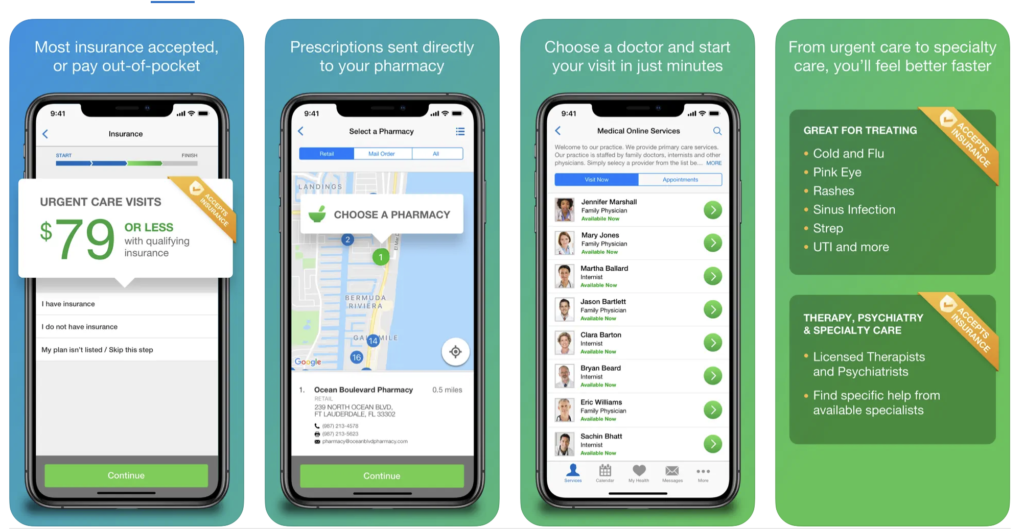
Screenshots from Amwell app in Apple's app store
Source: Apple App Store

Amwell offers a broad spectrum of medical services, including:

  • Primary Care: General health consultations.

  • Urgent Care: Immediate care for non-emergency conditions.

  • Behavioral Health: Therapy and counseling services.

  • Specialist Appointments: Access to dermatologists, dietitians, and more.

  • Prescriptions: Medication management and prescription refills.

How to schedule and start a virtual doctor visit 

Scheduling an appointment with Amwell is straightforward:

  1. Enroll: Create an account on the Amwell platform.
  2. Choose: Select a doctor based on their experience and ratings.
  3. Visit: Start your video call using secure, high-quality streaming video.

Most doctor visits last about 10 minutes, but you can extend the time if needed. These doctors can review your medical history, diagnose conditions, and prescribe medications if necessary.

Technical requirements
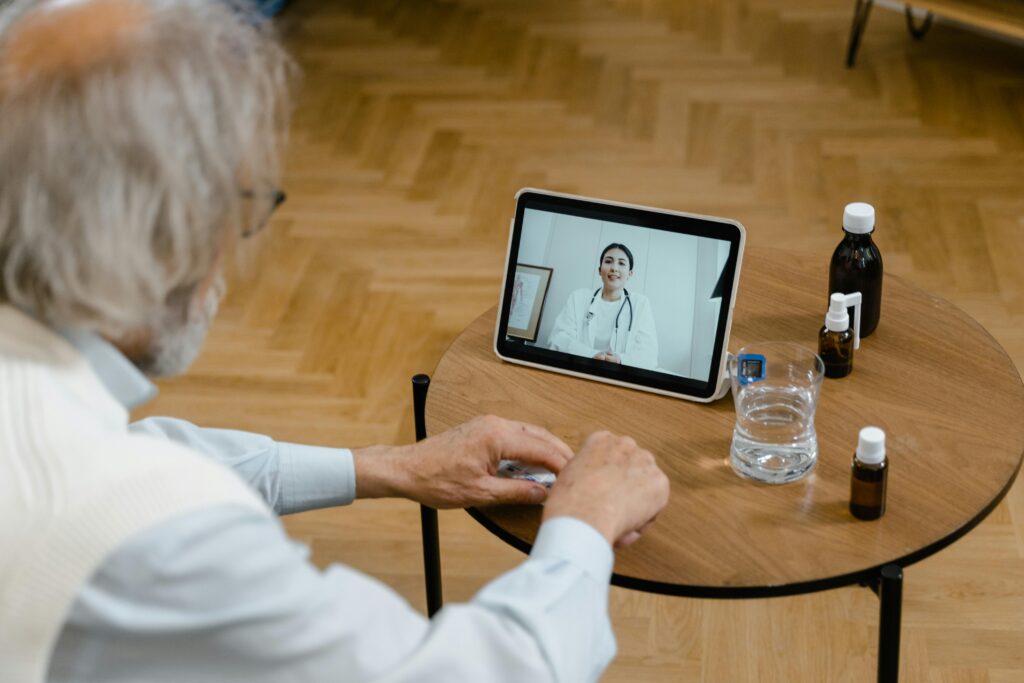
Older man talking to doctor on tablet - Tima Miroshnichenko
Source: Tima Miroshnichenko (Pexels)

To use Amwell, you need:

  • A computer or mobile device.

  • A stable internet connection.

  • The Amwell app or access to the web-based platform.

If you’re unable to use video, you can call for an audio-only (phone) visit as well. However, you may not be able to obtain a new prescription with an audio-only visit, depending on the state where you live.

Amwell’s Features and Benefits

Next, let’s review Amwell’s valuable features and benefits.

24/7 availability for urgent care

One of the standout features of Amwell is its 24/7 availability. You can access urgent care services anytime, even in the middle of the night or on a holiday. 

Range of specialists available

Doctor talking to patient on laptop by Tima Miroshnichenko
Source: Tima Miroshnichenko (Pexels)

You can choose from a variety of specialists at Amwell, including therapists, neurologists, dermatologists, and dietitians. This broad range of services ensures that you can find the right expert for your specific healthcare needs. 

Some examples of conditions Amwell’s urgent care doctors treat include:

  • Acute Bronchitis

                                      
  • Headache

                                   
  • Fever & Flu

                                    
  • Back pain

     
  • UTI   

                                                         
  • Respiratory Infection 

               
  • Sprains and strains   

                                                 
  • Diarrhea    

                                    
  • Exacerbations of chronic disease (asthma, diabetes)


103,000 providers conducted visits via Amwell in 2023.

Prescription services and management

Amwell doctors can prescribe medications and send them directly to your preferred pharmacy. This is particularly helpful to manage ongoing treatments and chronic conditions, and get your necessary medications fast. 

Note: A video visit is required by most states (not an audio-only visit) before Amwell can prescribe medication.

Integration with health insurance plans

Amwell works with several health insurance providers, making it easier for patients to get covered services. They also offer options for uninsured patients. Let’s dig into that a bit more, shall we?

Cost and Insurance Coverage

Understanding costs and insurance coverage is crucial when considering a telehealth service. This section discusses Amwell’s pricing.

Health insurance on paper

Amwell pricing 

The costs you pay for Amwell visits vary by visit type and insurance coverage:

  • Urgent Care: The cost starts at $69, unless your insurance co-pay is lower. 
  • Mental Health: Therapy sessions range from $99 to $110, depending on the therapist’s qualifications. 
  • Psychiatry: The initial visit for a psychiatric consultation is more expensive at $279. Follow-up visits with the same provider are $109 per visit.

Amwell works with many insurance companies, which can lower your costs. Before booking an appointment, check with your insurance provider. If you don’t have insurance, Amwell still offers competitive pricing.

Comparison with traditional in-person visits

Telehealth visits on Amwell are often more affordable than traditional in-person visits. The convenience of not having to travel and the ability to access care at any time makes it even more cost-effective.

Insurance plans accepted by Amwell

Amwell partners with various insurance companies, including Aetna, Blue Cross Blue Shield, UnitedHealthcare, and Anthem. Many insurance plans cover urgent care and mental health (behavioral health) services to reduce out-of-pocket costs. 

Over 100 million members have Amwell as a covered benefit. To confirm insurance coverage and pricing, check with your insurance provider before making an appointment.

For those without insurance, Amwell offers competitive pricing for its services. The platform ensures that everyone can access quality healthcare, regardless of their insurance status.

A user-friendly platform is essential for effective telehealth services. Let’s examine Amwell’s interface next.

User Experience and Interface

An easy-to-use interface* is essential for a telehealth platform, and Amwell fits the bill.

Black woman smiling at phone with glucose meter on arm

Easy account creation and setup

Creating an account on Amwell is quick and straightforward. The platform guides you through the process, and securely stores your information for future visits.

Navigation of the Amwell app and website

Both the Amwell app and website are designed with user experience (UX) in mind. The intuitive layout makes it easy to find doctors, schedule appointments, and access medical records.

Quality of video consultations

Amwell uses high-quality streaming video for consultations, ensuring clear communication between patients and doctors. This feature is crucial for accurate diagnoses and effective treatment plans.

Patient support and resources

Amwell offers robust patient support, including FAQs, live chat, and phone support. These resources help users navigate the platform and resolve any issues they may encounter.

Is it safe to use Amwell services over the internet? How does Amwell ensure patient data is protected? We answer these questions next. 

Privacy and Security Measures

Privacy and security are paramount in telehealth services. Here’s how Amwell addresses privacy and security concerns.

Doctor showing a patient an app in green

HIPAA compliance and data protection

Amwell is fully compliant with the Health Insurance Portability and Accountability Act (HIPAA), which ensures patient information is securely handled and protected.

Secure messaging and file sharing

The platform uses encrypted messaging and secure file-sharing protocols to protect patient data during communication and consultations.

Patient data storage and access policies

Amwell stores patient data securely, and you can access your medical records anytime. This transparency helps build trust and ensures you have control over your health information.

To provide a balanced view, let’s consider the advantages and potential drawbacks of using Amwell.

Pros and Cons of Using Amwell

Understanding patient feedback can provide valuable insights into the effectiveness of a telehealth service. And like any service, Amwell has its advantages and potential drawbacks. 

Amwell has mixed reviews from users. Amwell offers competitive pricing and a wide range of services compared to other telehealth providers. 

While many praise the convenience and quality of care, others expressed dissatisfaction with customer service, appointment scheduling, and reliability. 

Here’s what people who’ve used Amwell had to say about their experience.

Amwell’s advantages

Amwell’s platform includes all the benefits of a telehealth platform

  • Convenience: Access healthcare from anywhere at any time from a user-friendly interface.

  • Range of Services: From urgent care to specialist consultations.

  • Cost-Effective: Often cheaper than in-person visits.

  • Insurance Integration: Works with many insurance providers.

J.D. Power has recognized Amwell for its high customer satisfaction for several years. Amwell ranked No. 1 in the J.D. Power 2020 U.S. Telehealth Satisfaction Study, and only dropped to third place in 2023 behind CVS (1st) and MDLive (2nd).

Potential drawbacks

Based on reviews from those who’ve used Amwell, there are a few issues you may encounter, such as:

Conclusion

Doctor showing something in hands to patient on laptop
Source: Tima Miroshnichenko (Pexels)

Amwell’s telehealth platform provides convenient, accessible, and cost-effective healthcare services. With its wide range of services, 24/7 availability, and integration with many insurance plans, it’s a solid option for those seeking virtual healthcare. However, like any telehealth service, there are areas for improvement. 

Whether you’re looking for urgent care, specialist consultations, or mental health services, Amwell provides a comprehensive solution that could meet your various healthcare needs. Consider your specific healthcare needs, the types of services you require, and your comfort level with virtual consultations when deciding if Amwell is right for you. 

* I offer UX copywriting and content design services.

References

Amwell. (n.d.). Trustpilot. Retrieved from https://www.trustpilot.com/review/amwell.com

Amwell for patients: How it works. (n.d.). Amwell. Retrieved from https://patients.amwell.com/how-it-works

Amwell for patients: Online doctor visits, 24/7. (n.d.). Amwell. Retrieved from https://patients.amwell.com

Amwell Ranked No. 1 in the J.D. Power 2020 U.S. Telehealth Satisfaction Survey. (2020). Amwell. Retrieved from 

https://business.amwell.com/about-us/news/press-releases/2020/amwell-ranked-no-1-in-the-j-d-power-2020-u-s-telehealth-satisfaction-study

Enabling hybrid care at scale. (n.d.). Amwell. Retrieved from https://business.amwell.com/

Mixed reviews for Amwell: Long Wait Times, Appointment Cancellations, and Billing Concerns. (n.d.). Kimola. Retrieved from https://kimola.com/reports/unlock-insights-with-amwell-customer-feedback-analysis-trustpilot-en-us-148604

Telehealth Mobile Apps: Preferred Channel for Virtual Care Delivery but Generational Difference Persits, J.D. Power Finds. (2023). J.D. Power. Retrieved from https://japan.jdpower.com/en/press-releases/2023_US_Telehealth_Satisfaction_Study

Telehealth for Rural Areas: Bridging the Healthcare Gap

Telehealth for Rural Areas: Bridging the Healthcare Gap

AI Health Tech

In the vast expanses of rural America, access to quality healthcare has long been a challenge. But telehealth can be a digital lifeline for these communities. According to the American Hospital Association, 76% of U.S. hospitals connect with patients through video and other technology. This underscores the growing importance of telehealth for rural areas where medical facilities are often few and far between. 

Let’s explore how this technology is making waves in rural healthcare, its benefits, challenges, and what the future holds.

Contents

Benefits of Telehealth for Rural Residents

Telehealth is changing healthcare delivery, particularly in rural areas where access to medical services can be limited. 

A man hitchhiking from a farm

In a survey of 202 adults living in a rural area, 88% of them were open to telehealth. When asked about barriers to show up for doctor appointments or receiving adequate healthcare, they cited several reasons (Kolluri et al., 2022):

  • The wait to see the doctor is too long – 32.7%

  • Too expensive – 24.8%

  • Lack of transportation – 22.8%

  • Schedule conflicts – 22.8%

  • Not sick – 15.8%

  • Distrust the quality of healthcare – 13.9%

  • Other – 4.5% (“My insurance isn’t accepted for at least 100 miles.”)

With this data, we can clearly see how telehealth can positively impact rural patients. Here are some specific benefits.

Better access to doctors with reduced travel

For many rural residents, visiting a doctor means traveling long distances, which can be costly and time-consuming. Finding a specialist is also challenging due to limited availability. 

Telehealth bridges this gap by connecting patients with specialists through video visits and online consultations, which eliminates the need for long travel (Butzner & Cuffee, 2021). Patients who receive care from the comfort of their homes save on transportation costs and reduce the need to take time off from work.

Faster access to care in emergencies

Tele-emergency services provide real-time access to emergency medicine physicians, allowing rural healthcare providers to manage emergencies more effectively (Rural Health Information Hub, 2024). This quick access can be crucial in life-threatening situations.

Increased continuity of care for chronic conditions

Black woman gold top showing phone with glucose meter on arm

Chronic disease management is vital for improving patient outcomes. Telehealth enables continuous monitoring and follow-up care, ensuring that patients with chronic conditions receive consistent and timely interventions.

Improved patient engagement and health outcomes

Telehealth encourages patients to take an active role in their healthcare. With tools like remote monitoring and mobile health apps, patients can track their health metrics and communicate with healthcare providers more frequently, leading to better health outcomes.

These benefits highlight how telehealth is making healthcare more accessible and effective for rural patients. However, implementing telehealth in these areas comes with its own set of challenges.

Success Stories: Rural Telehealth in Action

Many rural communities have successfully implemented telehealth programs with success stories to celebrate. Here are a few.

Effective telehealth programs 

Project ECHO®

Programs like Project ECHO® have connected rural healthcare providers with specialists, allowing for better management of complex cases (Rural Health Information Hub, 2024). These kinds of programs show the potential of telehealth to improve healthcare delivery in rural communities.

Hybrid healthcare in the South

Woman getting a shot in her arm

East Carolina University (ECU) developed a hybrid healthcare program to improve health outcomes for rural residents in that area. A nurse visits patients at home and connects them virtually with providers at health centers. 

This program allows patients to access various healthcare services, including consultations with pharmacists, while the nurse assesses their needs. The program has proven beneficial, as illustrated by a bed-bound diabetes patient who, after joining, received comprehensive care and reduced hospital visits. 

This hybrid approach combines telehealth with in-person visits to address barriers faced by rural patients, such as long travel distances to healthcare facilities. It also allows the clinical team to collaborative and address patients’ health issues, making them more discoverable and actionable. 

Mobile clinic for substance abuse in the Mid-Atlantic

Wide top white van driving down street

The University of Maryland (UMD) launched a telehealth program to address the shortage of healthcare providers for opioid use disorder (OUD) in rural areas, particularly after a care center in western Maryland lost its OUD provider. They partnered with health departments and secured funding from the Health Resources and Services Administration (HRSA) to set up mobile clinics equipped with vans and computers. 

These clinics, staffed by a counselor, nurse, and peer recovery specialist, park in central locations to provide care. Telehealth plays a crucial role in expanding access to OUD treatment. This initiative has successfully served hundreds of people, reaching individuals who otherwise might not have access to treatment.

Emergency care access in rural hospitals in the Midwest

Two ambulances in front of Emergency entrance to hospital

In rural areas, residents face higher risks of death from accidents and strokes. Telehealth allows specially trained providers to assist rural hospital staff in delivering prompt emergency care, which is crucial for improving outcomes. 

One such case study comes from Sanford Health, which uses telehealth to improve emergency care access in rural hospitals across South Dakota, North Dakota, and Minnesota. Their program connects 32 rural emergency service locations to specialists through a virtual care hub. This hub allows rural staff to quickly consult with specialists on treating strokes, burns, and other traumas. 

The program’s success relies on technology, including two large monitors that allow specialists to access patient information from multiple sources simultaneously. 

Impact on local healthcare providers and clinics 

Telehealth allows rural clinics to offer a broader range of services, reducing the need for patient transfers and hospital bypasses. There can be caveats to this, but telehealth can improve the viability of rural healthcare facilities and helped retain healthcare providers in these areas. 

Economic benefits for rural communities 

Implementing telehealth can lead to economic benefits such as reduced patient transportation costs, increased local pharmacy revenues, and decreased hospital staffing costs.

These success stories illustrate the transformative impact telehealth can have on rural healthcare, providing a model for future initiatives.

While telehealth often leads to positive outcomes, its implementation in rural areas is not without obstacles.

Challenges in Implementing Rural Telehealth

Despite its advantages, telehealth implementation in rural areas faces several hurdles. Understanding these challenges is crucial for developing effective solutions.

Telehealth access for people experiencing homelessness

Man in homeless shelter

Federally Qualified Health Centers (FQHCs) serve vulnerable, unhoused, and underinsured people in the U.S. 

During the COVID-19 pandemic, FQHCs set up telehealth in shelters and community organizations, used vans for mobile telehealth services, and gave smartphones and tablets to shelters to connect unhoused patients with primary care doctors and specialists. 

However, challenges remain, like unreliable phone and internet service. Post-pandemic, many unhoused patients still rely on phone visits instead of video visits (Azar et al, 2024).

Limited broadband internet access

Reliable internet is essential for telehealth services. Unfortunately, many rural areas lack the necessary broadband infrastructure, which can hinder the delivery of telehealth services.

Technology literacy and adoption among older populations

Older adults may struggle with using new technologies, which can limit their ability to benefit from telehealth services. Providing education and support is necessary to increase technology adoption among this demographic (Gurupur & Miao, 2022).

Regulatory and licensing inconsistencies

Telehealth often involves providing services across state lines, since technology allows for worldwide connections. This can lead to regulatory and licensing challenges. The requirements vary by state, which complicates the process for healthcare providers (Gurupur & Miao, 2022).

Reimbursement and insurance coverage complexities

Doctor on the phone

Insurance coverage for telehealth also varies, as some providers don’t reimburse certain types of care. For example, each state has different rules and regulations about the types of services that can be reimbursed by Medicaid. This inconsistency discourages some healthcare providers from offering telehealth services.

Privacy and security concerns in digital health platforms 

Protecting patient data is a top priority in telehealth. Ensuring that digital health platforms comply with privacy regulations like HIPAA is essential to maintain patient trust.

Language barriers

In a study by UC Davis in Sacramento with The University of Queensland in Brisbane, providers had mixed experiences with interpreter services during telehealth visits. Some found it challenging to use interpreters effectively through their clinic’s telehealth platform. In some cases, non-English speaking patients were asked to come to the clinic in person instead of using telehealth. One provider mentioned relying on family members for translation, but this wasn’t always possible (Azar et al, 2024). 

On the other hand, many providers said they could meet the needs of non-English speaking patients using available interpreter services. Some clinics had smooth workflows for integrating interpreters into telehealth visits, while others were still working on finding good solutions to this issue (Azar et al, 2024).

Addressing these challenges requires collaboration between policymakers, healthcare providers, and technology companies. By overcoming these obstacles, telehealth can become a more integral part of rural healthcare.

The Future of Telehealth in Rural Healthcare

Lin et al (2018) found that health centers located in rural areas were associated with a 10-percentage-point increase in the probability of telehealth use, and 12.2 percentage points more likely to use telehealth for mental health care, compared to those in urban areas. 

Several years later, technology continues to improve, and telehealth plays an even more important role in providing healthcare to people in rural communities. Here are some trends and developments to watch.

Emerging technologies enhancing telehealth capabilities 

Innovations like wearable devices and artificial intelligence (AI) are expanding the possibilities of telehealth. These technologies provide more comprehensive monitoring and personalized care.

Policy changes and initiatives regarding rural telehealth 

Governments and organizations recognize the importance of telehealth in rural areas. However, telehealth in those communities can negatively impact their local healthcare access, and several federal waivers are set to expire soon

Rural vs. urban healthcare systems

Empty winding road

A study by the University of Tennesee at Knoxville found that rural hospitals often lose patients to urban hospitals offering telehealth services. This shift results in financial strain for rural hospitals, affecting their investment choices and capital structure. As a result, some rural hospitals may have to cut back on staff, including doctors and nurses, or even close down intensive care units. And in extreme cases, this can lead to bankruptcy. 

These financial challenges arise because rural hospitals lose revenue when patients opt for telehealth services from urban providers. This situation is worsened because rural hospitals typically face higher financial risks. 

Policymakers and patients should consider these long-term financial impacts when using telehealth services, as they can have unintended negative consequences for rural healthcare providers. Initiatives aimed at expanding broadband access and simplifying regulatory processes are crucial for the continued growth of telehealth.

Federal waiver expirations

At the end of September 2025, six federal waivers and provisions will end  unless the U.S. government takes further action:

  • Site Waivers: Temporary Medicare changes, including geographic and site flexibilities, are set to expire, which affects FQHCs and Rural Health Clinics (RHCs).

  • In-Person Follow-Ups for Mental Telehealth: A waiver that removes the need for an in-person visit within six months of an initial telemental health visit is expiring.
  • HSA Safe Harbor: Laws that allow high-deductible health plans to cover telehealth services without affecting health savings accounts is ending.
  • Controlled Substance Prescribing: The temporary Drug Enforcement Administration (DEA) guidelines that allow telehealth providers to prescribe controlled substances without an in-person visit are set to expire.
  • Provider Privacy: Medicare telehealth providers currently have privacy regarding their location on claim forms, but this may change.
  • Acute Hospital Care at Home: A waiver that allows remote patient monitoring by eliminating the need for 24/7 on-site nursing is expiring.

Integration with other healthcare services and systems

Telehealth is becoming more integrated with traditional healthcare services, offering a seamless experience for patients. This integration can improve care coordination and ensure that telehealth complements in-person care effectively.

Potential for addressing healthcare disparities

Asian woman looking at phone in disgust

Telehealth has the potential to reduce healthcare disparities by providing equitable access to care for underserved populations. By making healthcare more accessible, telehealth can help address some of the systemic issues contributing to health disparities.

Conclusion

Quality healthcare should be equitable and available for everyone, regardless of their zip code. Telehealth can be a powerful tool to address the healthcare needs of rural communities. By breaking down geographical barriers, it’s bringing quality care to those who need it most. 

As technology advances and policies adapt, there are many opportunities for telehealth to further improve rural healthcare. By continuing to innovate and address existing challenges, telehealth can become a cornerstone of rural healthcare delivery.

Whether you’re a patient, provider, or policymaker, embracing telehealth could be the key to ensuring that everyone, regardless of location, has access to the care they deserve. The future of rural healthcare is here, and it’s digital. Are you ready to connect?

References

Azar, R., Chan, R., Sarkisian, M., Burns, R. D., Marcin, J. P. , Gotthardt, C. De Guzman, K. R., Rosenthal, J. L., & Haynes, S. C. (2024). Adapting telehealth to address health equity: Perspectives of primary care providers across the United States. Journal of Telemedicine and Telecare; 1-7. doi:10.1177/1357633X241238780

Butzner, M., & Cuffee, Y. (2021). Telehealth Interventions and Outcomes Across Rural Communities in the United States: Narrative Review. Journal of Medical Internet Research; 23(8). doi.org/10.2196/29575

Expanding access to emergency care in rural hospitals. (2024). Health Resources and Services Administration (HRSA). Retrieved from https://telehealth.hhs.gov/community-stories/expanding-access-emergency-care-rural-hospitals

Gurupur, V. P., & Miao, Z. (2022). A brief analysis of challenges in implementing telehealth in a rural setting. MHealth; 8. doi.org/10.21037/mhealth-21-38

Home-based, hybrid health care in rural communities. (2024). Health Resources and Services Administration (HRSA). Retrieved from https://telehealth.hhs.gov/community-stories/home-based-hybrid-health-care-rural-communities

Kolluri, S., Stead, T. S., Mangal, R. K., Littell, J., & Ganti, L. (2022). Telehealth in Response to the Rural Health Disparity. Health Psychology Research; 10(3). doi.org/10.52965/001c.37445

Lin, C. C., Dievler, A. , Robbins, C., Sripipatana, A., Quinn, M. & Nair, S. (2018). Telehealth in Health Centers: Key Adoption Factors, Barriers, and Opportunities. Retrieved from 

https://www.healthaffairs.org/doi/10.1377/hlthaff.2018.05125

Mobile clinics for substance use disorder. (2024). Health Resources and Services Administration (HRSA). Retrieved from https://telehealth.hhs.gov/community-stories/mobile-clinics-substance-use-disorder

Stewart, H. (2024). Telehealth trends in 2024: Converging challenges on the virtual care frontier. CHG Healthcare. Retrieved from https://chghealthcare.com/blog/telehealth-trends

Telehealth and Health Information Technology in Rural Healthcare. (2024). Rural Health Information Hub. Retrieved from https://www.ruralhealthinfo.org/topics/telehealth-health-it

Telemedicine usage can have unexpected impact on rural communities’ access to local care. (2024). News Medical. Retrieved from https://www.news-medical.net/news/20240801/Telemedicine-usage-can-have-unexpected-impact-on-rural-communities-access-to-local-care.aspx

The Key Benefits of Telehealth in Rural Areas. (n.d.). Health Recovery Solutions. Retrieved from https://www.healthrecoverysolutions.com/blog/the-key-benefits-of-telehealth-in-rural-areas

Telehealth in Primary Care: Its Benefits and Limitations

Telehealth in Primary Care: Its Benefits and Limitations

Health Tech

Telehealth has dramatically changed how primary care is delivered, especially since the COVID-19 pandemic. Analyses of commercial claims in 2022 show that telehealth services were mostly rendered by primary care, psychiatry and psychology clinicians, as well as social workers. This shift expands healthcare access. It’s also introduced new challenges and opportunities for providers and patients that use telehealth in primary care. 

In this article, we’ll explore the various facets of telehealth in primary care, its benefits, challenges, and best practices for implementation.

Contents

Benefits of Telehealth in Primary Care

Let’s look at some advantages of using telehealth in a primary care practice.

Cost-effectiveness

Telehealth can be cost-effective for both healthcare providers and patients. It reduces overhead costs for healthcare facilities and lowers patient expenses related to transportation and time off work.

  • Reduced Overhead: Healthcare providers can save on costs related to office space, utilities, and administrative staff.
  • Lower Patient Costs: Patients save money on travel expenses and can avoid taking unpaid time off work for appointments.
  • Efficient Resource Use: Telehealth can help optimize the use of healthcare resources by reducing the need for in-person visits for minor issues.

Increased access to care

Elderly woman on Zoom with health provider

Telehealth has made healthcare more accessible, especially for those in remote or underserved areas. Patients no longer need to travel long distances to see a doctor. This is particularly beneficial for people with mobility issues or those without reliable transportation.

  • Remote Access: Telehealth allows patients in rural areas to access specialists and primary care providers without the need for travel.

  • Convenience: Patients can schedule appointments at times that work best for them, reducing the need to take time off work or arrange childcare.

  • Reduced Costs: Telehealth can save patients money on travel expenses and lost wages from taking time off work.

Improved patient engagement

Telehealth makes it easier for patients to stay in touch with their healthcare providers. This can lead to better patient adherence to treatment plans, and improved health outcomes (Hatef et al., 2024). A few specific telehealth offerings that help improve patient engagement are:

  • Continuous Monitoring: Telehealth allows for continuous monitoring of chronic conditions, allowing for prompt interventions.

  • Follow-Ups: Virtual follow-up appointments can ensure that patients are following their treatment plans and making necessary lifestyle changes.

  • Patient Education: Telehealth platforms can provide educational resources to help patients understand their conditions and treatments better.

Telehealth case management (TCM)

Black man using his blood pressure monitor at home

In a Canadian study, health providers noted that TCM helped them to effectively coordinate care and support patients’ self-management, including remote monitoring, which improves patient engagement between visits.  

TCM is well-suited for activities like check-ins, refills, reminders, and care coordination, but in-person appointments are often required for complex needs and initial assessments. Providers noted that video visits can help bridge the gap between in-person and phone visits, but the lack of face-to-face interaction can obscure visual health cues (Delahunty-Pike et al., 2023).

Phone visit attendance vs. video visits

A study published in the Journal of General Internal Medicine compared non-attendance rates for telehealth and in-person primary care visits at a large urban healthcare system (Chen et al., 2022). The researchers found that telephone visits had similar or lower non-attendance rates compared to in-person visits, but video visits had higher non-attendance rates. This suggests that phone visits may be easier for patients than video visits.

They also identified certain demographic groups that had consistently higher or lower non-attendance rates across visit modalities. Patients who were White, male, and had public insurance or no insurance, and generally had higher non-attendance rates. In contrast, patients who were Asian or had more comorbidities had lower non-attendance rates.

These findings highlight the importance of considering patient preferences, digital access, and demographic factors when implementing telehealth services. 

Telehealth Challenges and Limitations

While telehealth has many advantages in healthcare, it also presents several challenges that healthcare providers and patients must navigate.

Frustrated woman with hand up and laptop

Technical barriers

The technical barrier is one of the biggest challenges people face when using telehealth. Some patients don’t have access to the necessary technology or the digital literacy to use telehealth platforms effectively.

  • Internet Connectivity: Reliable internet access is essential for telehealth, but not all patients have access to high-speed internet.
  • Access to Devices: Some patients may not have access to smartphones, tablets, or computers needed for telehealth visits.
  • Digital Literacy: Patients and providers need to be comfortable using telehealth technology.

Health insurance squeeze heart

Telehealth regulations and reimbursement policies vary widely, which can create challenges for healthcare providers (Mechanic et al., 2022).

  • Variable Regulations: Telehealth regulations differ by region, making it challenging for providers to navigate those legalities.

  • Reimbursement Challenges: Obtaining reimbursement for telehealth services can be difficult, as insurance policies and government programs may not always cover these services.

  • Licensing Issues: Providers may need to be licensed in the state where the patient is located, which can complicate the delivery of telehealth services.

Quality of care concerns

Some healthcare providers and patients are concerned about the quality of care delivered via telehealth. While telehealth can be effective for many types of care, it may not be suitable for all situations.

  • Physical Examinations: Certain conditions require a physical examination, which can be difficult to perform remotely.

Best Practices to Implement Telehealth in Primary Care

To successfully implement telehealth in a primary care practice, there are several best practices healthcare providers should consider.

Technology and infrastructure

Implementing telehealth successfully requires investment in reliable technology and infrastructure.

  • Reliable Platforms: Healthcare providers should invest in robust telehealth platforms that offer high-quality video and audio capabilities.

  • Cybersecurity: Protecting patient data is crucial. Providers should implement strong cybersecurity measures to ensure patient privacy.

  • Technical Support: Offering technical support to both patients and providers can help overcome some of the technical barriers to telehealth.

Training and support

Workplace presentation

Proper training and support are essential for both healthcare providers and patients to use telehealth effectively.

  • Provider Training: Healthcare providers should receive comprehensive training on how to use telehealth platforms and deliver care virtually.

  • Patient Support: Providing patients with resources and support can help them navigate telehealth platforms and feel more comfortable with virtual visits.

  • Ongoing Education: Continuous education for providers and patients can help keep them updated on best practices and new developments in telehealth.

Patient-centered approaches

patient lying on couch in therapist office

Health providers should customize telehealth options to meet the individual needs of their patients and ensure the best possible outcomes. Some ideas:

  • Personalized Care: Telehealth services should be customized to address the specific needs and preferences of each patient (Cannedy et al., 2023).

  • Managing Cost Expectations: It’s important to manage patient expectations around insurance coverage and reimbursement for telehealth, as uncertainty can deter long-term investment (Khairat et al., 2023).

  • Patient Education: Patients, especially older adults, may struggle to remember information from telehealth visits and miss printed summaries. Sending visit summaries via a patient portal and referencing educational videos can mitigate these issues (Khairat et al., 2023).
  • Feedback Mechanisms: Incorporating patient feedback can help improve telehealth services and ensure they meet patient needs.

  • Accessibility: Ensuring that telehealth platforms are accessible to all patients, including those with disabilities, is essential for providing equitable care.

Work-life balance improvement

Telehealth in primary care has shown mixed effects on healthcare providers (Cannedy et al., 2023). 

In a report for the Veterans Health Administration (VA), some primary care team members reported that telehealth increased their job flexibility and reduced burnout, with shorter patient visits. 

However, others experience anxiety and reduced job satisfaction due to challenges in remote patient management, workflow changes, and technology issues. 

To improve telehealth adoption and satisfaction among healthcare professionals, effective education, quality technology, and better workflow integration are crucial. Overall, the impact of telehealth on provider well-being and job satisfaction remains complex and varied.

Future of Telehealth in Primary Care

As telehealth continues to change and improve, we must explore its potential developments and trends.

Integration with traditional care

The future of telehealth in primary care will likely involve a hybrid model that combines in-person and virtual visits.

  • Hybrid Models: Combining telehealth with traditional in-person visits can provide a more comprehensive approach to care.

  • Preventive Care: Telehealth can also be used for preventive care, such as routine screenings and health education.

  • Chronic Disease Management: Telehealth can be particularly effective for managing chronic conditions, allowing for regular monitoring and timely interventions.


    A study of patients with chronic conditions found that physical exams make up a small percentage of in-person chronic condition management consultations. Discussions are critical for clinicians when they update treatment plans, as history-taking is more important than physical exams for diagnoses (Ward et al., 2023).

Advancements in Telehealth Technology

Emerging technologies are likely to play a significant role in the future of telehealth.

Policy and Regulation Evolution

As telehealth continues to grow, policies and regulations will need to evolve to support its use.

  • Policy Changes: Post-pandemic changes to telehealth policies may make it easier for providers to offer telehealth services.

  • Standardization: Efforts to standardize telehealth practices and reimbursement policies can help ensure consistent and equitable access to telehealth services.

  • Licensing Reforms: Reforms to licensing requirements can make it easier for providers to offer telehealth services across state lines.

Telehealth in primary care is here to stay. Its suitability depends on several factors like patient preferences, digital access, health conditions, and provider needs. While it offers flexibility, disparities in internet access and workflow disruptions can undermine its advantages.

To improve access and engagement in care, health providers must address barriers and design telehealth services that better meet the needs of diverse patient populations (i.e., in demographics, technical skill, and access).

The integration of telehealth with traditional care models will likely continue to evolve, making healthcare more accessible and efficient. By adopting best practices and leveraging technological advancements, healthcare providers can improve the telehealth experience for their patients, and increase engagement. 

Explore the possibilities of telehealth in your practice today and join the movement towards a more connected and patient-centered healthcare system.

References

Cannedy, S., Leung, L., Wyte-Lake, T., Balut, M. D. Dobalian, A., Heyworth, L. Paige, N. M. & Der-Martirosian, C. (2023). Primary Care Team Perspectives on the Suitability of Telehealth Modality (Phone vs Video) at the Veterans Health Administration. Journal of Primary Care & Community Health. 14(1-8). doi:10.1177/21501319231172897

Chen, K., Zhang, C., Gurley, A., Akkem, S., & Jackson, H. (2023). Appointment Non-attendance for Telehealth Versus In-Person Primary Care Visits at a Large Public Healthcare System. Journal of General Internal Medicine; 38, 922–928. doi.org/10.1007/s11606-022-07814-9

Delahunty-Pike, A., Lambert, M., Schwarz, C., Howse, D., Bisson, M., Aubrey-Bassler, K. Burge, F., Chouinard, M., Doucet, S., Luke, A., Macdonald, M., Zed, J., Taylor, J, & Hudon, C. (2023). Stakeholders’ perceptions of a nurse-led telehealth case management intervention in primary care for patients with complex care needs: a qualitative descriptive study. BMJ Open; 13:e073679. doi:10.1136/bmjopen-2023-073679

Hatef, E., Wilson, R. F., Zhang, A., Hannum, S. M., Kharrazi, H., Davis, S. A., Foroughmand, I., Weiner, J. P., & Robinson, K. A. (2024). Effectiveness of telehealth versus in-person care during the COVID-19 pandemic: A systematic review. Npj Digital Medicine, 7(1), 1-10. doi.org/10.1038/s41746-024-01152-2

Khairat, S., Chourasia, P., Muellers, K. A., Andreadis, K., Lin, J. J., & Ancker, J. S. (2023). Patient and Provider Recommendations for Improved Telemedicine User Experience in Primary Care: A Multi-Center Qualitative Study. Telemedicine Reports, 4(1), 21-29. doi.org/10.1089/tmr.2023.0002

Mechanic, O. J. , Persaud, Y., & Kimball, A. B. (2022). Telehealth Systems. StatPearls. Retrieved from https://www.ncbi.nlm.nih.gov/books/NBK459384/

Telehealth Utilization Fell Nearly Four Percent Nationally in June 2022. (2022). FAIR Health. Retrieved from https://www.prnewswire.com/news-releases/telehealth-utilization-fell-nearly-four-percent-nationally-in-june-2022-301621770.html

Ward, K., Vagholkar, S., Lane, J., Raghuraman, S., & Lau, A. Y. (2023). Are chronic condition management visits translatable to telehealth? Analysis of in-person consultations in primary care. International Journal of Medical Informatics; 178, 105197. doi.org/10.1016/j.ijmedinf.2023.105197

How to Prepare for Your Virtual Doctor Visit: A Complete Guide

How to Prepare for Your Virtual Doctor Visit: A Complete Guide

Health Tech

A virtual doctor visit is a convenient and effective way to receive medical care, making healthcare more accessible and efficient for everyone. From 2019 to 2024, the rate of online doctor visits worldwide more than doubled to over 116 million. 

Whether you’re a first-timer or you want to improve your virtual doctor visit experience, proper preparation is key. This guide will walk you through the steps to ensure your online appointment is as effective as – or even better than – an in-person visit.

Let’s start with some background about virtual doctor visits and their benefits.

Contents

Virtual Doctor Visit Overview

Woman in gold talking to doctor on laptop

What is a virtual doctor visit?

A virtual doctor visit, also known as telehealth or telemedicine, is a way to consult with your healthcare provider using technology like video calls, phone calls, or text messaging. 

Instead of going to a doctor’s office, you can talk to your doctor from the comfort of your home using your smartphone, tablet, or computer. 

This method is more popular since the COVID-19 pandemic, as it offers a convenient and safe way to receive medical care (Zulman & Verghese, 2021 & National Institute on Aging, n.d.). The Census Bureau’s Household Pulse Survey (with data from April 2021 through August 2022) found that (Lee, E. C. et al., 2023):

  • Telehealth use was lowest among people who are uninsured (9.4%), aged 18 to 24 (17.6%), and residents of the Midwest (18.7%).

  • Telehealth use was highest among those with Medicaid (28.3%) and Medicare (26.8%), those who are Black (26.1%), and those earning less than $25,000 (26.4%).

Benefits of telehealth appointments

Woman talking to doctor on her phone closeup

Telehealth appointments come with several advantages:

  • Convenience: You don’t have to travel to the doctor’s office or sit in a waiting room. You can have your appointment from anywhere, whether it’s in your home, office, or even your car during a lunch break (Hasselfeld, n.d. & bravo, 2022).

  • Saves Time: A virtual visit can save you more than an hour compared to an in-person visit (UnitedHealthcare, 2023). This is great for people with busy schedules or live far away from their doctors (bravo, 2022).

  • Cost-Effective: Virtual visits often cost less than in-person visits, especially when compared to urgent care or emergency room visits (Zulman & Verghese, 2021 & bravo, 2022).

  • Accessibility: Telehealth increases access to healthcare for people in rural areas or those with mobility issues. It also allows you to consult with specialists who may not be available in your local area (bravo, 2022 & HRSA, 2024).

  • Safety: Virtual visits help prevent the spread of infectious diseases by reducing the need for in-person interactions (Hasselfeld, n.d. & HRSA, 2024).

Common misconceptions about virtual consultations

Black woman talking to someone on laptop in sideview

Despite its benefits, there are several myths about virtual consultations:

  • “Telehealth is only for tech-savvy people.” Many people believe that you need to be tech-savvy to use telehealth services. However, most platforms are easy to use and designed to be accessible to everyone, including older adults (Solutionreach, n.d.).

  • “Virtual visits aren’t secure.” Security is a common concern, but reputable telehealth platforms are HIPAA-compliant and use advanced security measures to protect your privacy (Solutionreach, n.d.).

  • “Telehealth is a temporary solution.” While telehealth surged during the COVID-19 pandemic, it is here to stay. Many healthcare providers continue to offer virtual visits as a permanent option (Lee, C. 2023).

  • “I won’t get to choose my doctor.” Online health platforms let you review detailed profiles of multiple certified doctors. This allows you to choose a provider that fits your needs best, giving you more control over your healthcare (WeHealth, n.d.).

  • “It’s not covered on my insurance.” (WeHealth, n.d.). Many insurance plans now cover telehealth as it becomes more common. Healthcare providers are adapting to make virtual care accessible, recognizing its growing importance in delivering patient care.

When to choose a virtual doctor visit vs. in person

Taking blood pressure

Virtual doctor visits have a lot of conveniences. But there are certain times when it’s better to see the doctor in person, for (Henderson, 2023):

  • First-Time Visits: If it’s your first time seeing this doctor, you should see them. Face-to-face meetings help patients build trust and doctors assess both physical and emotional aspects.

  • Physical Exams: If you’ve noticed new or worsening symptoms, the doctor will need to see you in person to examine the affected areas of your body.

  • Serious Health Conditions: Unless they tell you otherwise, it’s better to go to your doctor’s office for your health appointments. 

After you establish a relationship with this doctor, telehealth can be useful for follow-ups.

Now that you understand the basics, let’s set up your tech for a smooth virtual visit experience.

Technical Preparations

Ensure a stable internet connection

A stable internet connection is crucial for a successful virtual doctor visit. Here are some tips:

  • Check Your Internet Speed: Use a speed test to ensure your internet connection is fast enough for video calls. 

    Note that if you live in a rural area or anywhere your internet service is often unstable, you can also (HRSA, 2024):
  • Use a Wired Connection: If possible, use an Ethernet cable instead of Wi-Fi for a more stable connection.

  • Close Unnecessary Items: Close any apps or browser tabs that might be using internet bandwidth.

Test your device’s camera and microphone

Female doctor waving to female patient on Zoom

Before your appointment, test your device’s camera and microphone to make sure they are working:

  • Check Settings: Go to your device’s settings to ensure the camera and microphone are enabled.

  • Use Headphones: Using headphones with a built-in microphone can improve sound quality and reduce background noise.

  • Do a Test Call: Make a test call with a friend or family member to check the audio and video quality.

Get familiar with the required software or app

Your healthcare provider will use a specific telehealth platform or app for the virtual visit that you may not be familiar with. To save yourself some frustration do these tasks well in advance of your virtual visit:

  • Download in Advance: Download the required software or app well before your appointment.

  • Create an Account: If necessary, create an account and log in to familiarize yourself with the platform.

  • Explore Features: Take some time to explore the features, such as how to join a call, mute/unmute yourself, and turn the camera on/off.

With your tech ready, it’s time to collect important medical information for your appointment.

Gather Your Medical Information

Flatlay of small medical items

Update your medical history

The doctor may ask you about your medical history, or ask you to fill out a form to collect it. Be sure to include:

  • List Past Conditions: Note all your past medical conditions, surgeries, and hospital stays.

  • Your Family History: Include any relevant family medical history, such as chronic illnesses or genetic conditions.

List current medications and dosages

Pills and capsules (pink white and tan)

Make a list of all the medications you’re taking, including:

  • Prescription Medications: Write the name, dosage, and frequency for each prescription.

  • Over-the-Counter Medications: Don’t forget to list any over-the-counter (OTC) medications, supplements, or vitamins you’re taking, and any you’re thinking about starting.

  • Recent Changes: Note any recent changes in your medications or dosages.

Note any recent changes in your health

Keep track of any new symptoms or changes in your health:

  • New Symptoms: Note any new or worsening symptoms, such as pain, fatigue, or changes in appetite.

  • Measurements: If applicable, record any recent measurements like blood pressure, weight, or blood sugar levels.

Prepare questions for your doctor

Make a list of questions and have it ready to help you get the most out of your appointment, such as:

  • Symptoms: Ask about any symptoms or concerns you have.

  • Treatment Options: Inquire about treatment options, side effects, and alternatives.

  • Follow-Up: Ask about the next steps and any follow-up appointments or tests.

Next, we’ll create the right environment for a successful virtual visit. 

Setting Up Your Space

Redhead with airpods and green wall

For the best virtual visit experience, make sure your environment is prime and ready to go.

Choose a private area for your appointment

Select the right environment for your virtual visit is essential to minimize interruptions and maintain privacy:

  • Choosing the Right Space: Select a quiet and private room where you can close the door and you won’t be disturbed.

  • Inform Household Members: Let others in your household know about your appointment to avoid disturbances.
  • Minimize Background Noise: Close windows and doors, and turn off any noisy appliances.

  • Ensure Good Lighting:
    • Natural Light: Natural light is best so the doctor can see you clearly. Position yourself facing a window if possible.

    • Artificial Light: If not, use a lamp if natural light is not available. Avoid backlighting (light shining from behind you), which can make it hard for your doctor to see you.

Keep water, pen and paper nearby 

Taking notes during your appointment can help you remember important information. And having water nearby can be helpful in case you get warm or have to cough during the call:

  • Stay Hydrated: Drinking water can help keep your throat clear and prevent coughing.

  • Comfort: Having water on hand can make you feel more comfortable during the call.

Log on before your appointment time

Being on time for your appointment shows respect for your doctor’s schedule. To ensure a smooth virtual check-in:

  • Check Your Connection: Ensure your internet connection is stable and your device is ready.

  • Log In Early: Try to log in at least 10 minutes before your appointment time in case of  any technical issues.

OK, you’re ready! You’re logged in and seated in a quiet, well-lit room with your water, pen, medical history, prescriptions, and questions. Let’s go!

During the Virtual Visit

Doctor with teal scrubs and patient virtual meeting

Now, let’s go through what to do during your virtual doctor appointment.

Speak clearly and concisely

Clear communication is essential for a successful virtual visit (Coleman, 2020):

  • Speak Slowly: Speak slowly and clearly to ensure your doctor understands you.

  • Be Concise: Try not to ramble. Get to the point quickly to make the most of your appointment time.

  • Ask Questions: Don’t be afraid to ask your doctor about anything you need to know or don’t understand.

Show any visible symptoms to the camera 

If you have visible symptoms, such as a rash or swelling, adjust your camera angle to clearly show the affected area.

Take notes on doctor’s advice and next steps

Taking notes can help you remember important information:

  • Write Down Instructions: Note any instructions or advice from your doctor, and confirm it with them.

  • List Follow-Up Actions: Record any follow-up actions, such as scheduling tests or appointments.

Confirm how to fill your prescriptions

Multi colored pills illustration

Be sure you know how and when to get your prescriptions after a virtual visit:

  • Pharmacy Information: Make sure your doctor has the correct pharmacy information.

  • E-Prescriptions: Your doctor may send an e-prescription to your pharmacy.

Finally, let’s discuss what to do after your virtual visit.

Follow-Up Actions

Redhead writing notes with green wall

Schedule follow-up appointments and access your medical records online

Follow-up appointments are often necessary for ongoing care. Your virtual doctor visit may be shorter than an in-person visit. Before you go, don’t forget to schedule your follow-up appointment if needed, and learn how to access your records online.

  • Contact Information: Label your doctor’s contact information in your phone so it’s there when you need to call them.

  • Patient Portal: Most healthcare providers offer a patient portal where you can access your visit summary and medical records. You can also schedule follow-up appointments there as an alternative to a call.

  • Download Records: Download and save important documents for your records.

Virtual doctor visits offer a convenient way to receive medical care, and with the right preparation, are just as effective as in-person appointments. By ensuring a stable internet connection, testing your device, gathering your medical information, and setting up a suitable space, you can make the most of your telehealth visit.

Don’t hesitate to ask questions and get clarification during your virtual doctor visit. Remember to communicate clearly, take notes, and follow up on any actions they recommend. With practice, you’ll find that telehealth can be a valuable tool to manage your health and wellness.

Do you prefer to use telehealth services or see your doctor in person? Why?

References

5 Common Misconceptions about Telehealth: What Research Has to Say. (n.d.). Solutionreach. Retrieved from https://www.solutionreach.com/blog/10-misconceptions-about-telehealth-and-what-research-has-to-say-about-it

Coleman, C. (2020. Health Literacy and Clear Communication Best Practices for Telemedicine. Health Literacy Research and Practice;4(4):e224-e229. doi:10.3928/24748307-20200924-01.

Hasselfeld, B. W. (n.d.). Benefits of Telemedicine. Johns Hopkins Medicine. Retrieved from https://www.hopkinsmedicine.org/health/treatment-tests-and-therapies/benefits-of-telemedicine

Henderson, E. (2023). Virtual or in person: Which kind of doctor’s visit is better, and when it matters. (2023). News Medical. Retrieved from https://www.news-medical.net/news/20230306/Virtual-or-in-person-Which-kind-of-doctore28099s-visit-is-better-and-when-it-matters.aspx

How do virtual visits work? (2023). UnitedHealthcare. Retrieved from https://www.uhc.com/news-articles/benefits-and-coverage/virtual-visits

Lee, C. (2023). Common Misconceptions About Working in Telemedicine. Retrieved from https://openloophealth.com/blog/common-misconceptions-about-working-in-telemedicine

Lee, E. C., Grigorescu, V. Enogieru, I., Smith, S. R. Samson, L. W., Conmy, A. B. , & De Lew, N. (2023). Updated National Survey Trends in Telehealth Utilization and Modality (2021-2022). Assistant Secretary for Planning and Evaluation (ASPE). Retrieved from  https://aspe.hhs.gov/sites/default/files/documents/7d6b4989431f4c70144f209622975116/household-pulse-survey-telehealth-covid-ib.pdf

Robeznieks, A. (2023). How telehealth’s future came into clearer view in 2023. American Medical Association (AMA). Retrieved from https://www.ama-assn.org/practice-management/digital/how-telehealth-s-future-came-clearer-view-2023

Stewart, C. (2024). Telemedicine – statistics and facts. Statista. Retrieved from https://www.statista.com/topics/12106/telemedicine/

Telehealth: What Is It, How to Prepare, Is it Covered? (n.d.). National Institute on Aging. Retrieved from https://www.nia.nih.gov/health/medical-care-and-appointments/telehealth-what-it-how-prepare-it-covered

Telehealth for rural areas. (2024). Health Resources & Services Administration (HRSA). Retrieved from https://telehealth.hhs.gov/providers/best-practice-guides/telehealth-for-rural-areas/access-to-internet-and-other-telehealth-resources

The Pros and Cons of Virtual Care. (2022). bravo. Retrieved from https://www.bravowell.com/resources/the-benefits-of-virtual-healthcare

Top 10 Telemedicine Myths. (n.d.). WeHealth Retrieved from https://wehealth.nyc/top-10-telemedicine-myths/

Why use telehealth? (2024). Health Resources & Services Administration (HRSA). Retrieved from https://telehealth.hhs.gov/patients/why-use-telehealth

Zulman, D. M., & Verghese, A. (2021). Virtual Care, Telemedicine Visits, and Real Connection in the Era of COVID-19: Unforeseen Opportunity in the Face of Adversity. JAMA; 325(5), 437–438. doi:10.1001/jama.2020.27304 

AI in Clinical Trials: Improving Drug Development and Patient Care

AI in Clinical Trials: Improving Drug Development and Patient Care

AI Health Tech Med Tech

The way we do clinical trials in the U.S. is quickly evolving, with artificial intelligence (AI) playing an increasingly pivotal role. The number of AI-driven firms specializing in drug discovery and development has grown from 62 in 2011 (Sokolova, 2023) to 400 firms in 2022.

This shift is not just about cutting-edge technology; it’s about improving lives and bringing new treatments to patients faster than ever before. Let’s dive in and see how AI in clinical trials works in healthcare.

Contents

The Current State of AI in Clinical Trials

Clinical trials are the most robust way to show the safety and effectiveness of a treatment or clinical approach, and provide evidence to guide medical practice and health policy. Unfortunately, they have a high failure rate.

Current clinical trials are complex, labor-intensive, expensive, and may involve errors and biases (Zhang et al., 2023). They often start late in the drug development cycle. Only around 10% of drugs entering the clinical trial stage get approved by the U.S. Food and Drug Administration (FDA) [Mai et al., 2023]. 

Key areas where AI is used in clinical trials include:

  • Patient recruitment and retention
  • Trial design and protocol optimization
  • Data management and analysis
  • Safety monitoring and detection of adverse drug reactions (ADRs)
  • Drug discovery and development

According to McKinsey, AI adoption could boost up to $25 billion into clinical development within the pharmaceutical industry, with the potential to a total gain of $110 billion (Bhavik et al., 2024).

Beyond recruitment, AI is also changing how clinical trials are designed and conducted.

Improving Patient Engagement with AI 

Doctor and patient POCs

Traditional clinical trial methods often face challenges like slow patient recruitment, high dropout rates, and inefficient data analysis. AI is helping to address these issues by providing faster, more accurate, and more personalized solutions (Hutson, 2024). 

Patient Recruitment

Traditional clinical trials have an average 30% dropout rate due to inconvenience, complex protocols, and lack of support (Clinical Trials Arena, 2024). Another big hurdle in clinical trials is finding the right patients, in part due to (Atieh & Domanska, 2024):

  • Lack of eligible participants
  • Inadequate patient awareness
  • Limited locations 

AI is changing the game by:

  • Analyzing electronic health records (EHRs) to identify suitable candidates
  • Using predictive analytics to improve patient retention rates
  • Creating personalized communication strategies to keep patients engaged

For example, AI algorithms can sift through huge amounts of patient data to find those who meet specific trial criteria. Clinical trial matching systems or services use natural language processing (NLP) tools that learn clinical trial protocols and patient data. This process makes recruitment faster, and helps ensure a more diverse and representative patient population (Zhang et al., 2023).

Patient Retention

The majority of clinical trials have participants who drop out. AI can improve retention by (Mai et al., 2023):

  • Identifying factors associated with a high risk of dropping out
  • Predicting the probability that a participant will drop out

AI-powered chatbots are also playing a crucial role in maintaining continuous communication with trial participants by:

  • Providing support 
  • Sending reminders (via AI-assisted apps) [Clinical Trials Arena, 2024]
  • Tracking progress
  • Responding to various events and milestones during the trial 

This personalized engagement can help foster a positive patient experience and build trust, which is crucial for patient retention (Jackson, 2024).

Enhanced Trial Design with Digital Health Technologies (DHTs)

Two researchers looking at a Mac

Decentralized clinical trials (DCTs) can incorporate DHTs to streamline trial design, and expand where to conduct them. 

DHTs aren’t just wearable trackers. It’s possible to implant, swallow, or insert many DHTs into the body. Placing DHTs in a particular setting with real-time data capture from trial participants in their homes and other locations makes it more convenient for them. It also gives clinicians insights on patient health status and healthcare delivery (U.S. Food & Drug Administration, 2024).

As trial designs become more sophisticated, AI can simplify managing and analyzing the resulting data.

AI can make clinical trials more efficient and effective:

  • AI-assisted trial design helps researchers create more robust study protocols
  • Adaptive trial designs use real-time data analysis to make adjustments on the fly
  • Machine learning optimizes inclusion and exclusion criteria for diverse patient selection

These AI-powered approaches can lead to faster, more cost-effective trials with higher success rates.

Data Management and Analysis in Clinical Trials with AI

Group of 4 researchers in a meeting

With decentralized clinical trials, teams must collect data from different sources including (Informatica):

  • Various types of EHRs
  • Data from providers and medical facilities
  • Wireless medical devices that may exist in professional settings or patients’ homes.

In the age of big data, AI is an invaluable tool for managing and analyzing the vast amounts of information generated during clinical trials:

  • AI systems can process and integrate data from multiple sources
  • Real-time data monitoring ensures quality control throughout the trial
  • AI-driven insights enable faster decision-making for researchers and clinicians

By harnessing the power of AI, researchers can uncover patterns and insights that might otherwise go unnoticed. For instance, AI can extract data from unstructured reports, annotate images or lab results, add missing data points, and identify subgroups among a population that responds uniquely to a treatment (Clinical Trials Arena, 2024).

Improving Safety Monitoring and Adverse Event Detection

Monitor attached to back of a woman's left shoulder

Patient safety is paramount in clinical trials. AI is enhancing pharmacovigilance (drug safety) efforts by:

  • Using algorithms for early detection of adverse events
  • Creating predictive models to assess patient safety risks
  • Automating safety signal detection and analysis

These AI-powered tools can help researchers identify potential safety issues faster and more accurately than traditional methods.

While efficient data management is crucial, ensuring patient safety remains paramount in clinical trials.

Accelerating Drug Discovery and Development

Researcher looking at microcope with several vials in foreground

The typical amount of time to launch a new drug is 10 to 12 years. The clinical trial stage itself averages five to seven years (Shah-Neville, 2024).

The estimated cost of launching a new drug is roughly $2.6 billion. Delays in time to market make drug development expensive.

AI isn’t just changing how we conduct clinical trials – it’s also speeding up the entire drug development process:

  • AI assists in target identification and validation for new drugs
  • Machine learning predicts drug efficacy and toxicity
  • AI-powered simulations reduce time and costs in the development pipeline

By leveraging AI, pharmaceutical companies can bring new treatments to patients faster and more efficiently.

As we embrace AI’s potential, we must also address the ethical and regulatory challenges it presents.

Ethical Considerations and Regulatory Challenges

Doctor and patient hands on desk 2

As with any new technology, AI can return inaccurate data or misinterpret nuances in informed consent documents or clinical trial protocols, emphasizing the need for human review (Nonnemacher, 2024).

The use of AI in clinical trials also raises important ethical and regulatory questions:

  • How do we ensure data privacy and security in AI-driven trials?
  • What steps can we take to address bias in AI algorithms and datasets?
  • How should regulatory frameworks evolve to accommodate AI integration in clinical research?

These are complex issues that require ongoing dialogue between researchers, ethicists, regulators, and patients as described in other AI health articles I’ve covered.

As AI technology continues to advance, we can expect to see even more innovative applications in clinical research. 

The Future of AI in Clinical Trials

Group of researchers in a clinical trial

What does the future hold for AI in clinical trials? Some exciting possibilities include:

  • Virtual clinical trials that reduce the need for in-person visits
  • AI systems that collaborate with human researchers to design better studies
  • Precision medicine approaches tailored to individual patients based on AI analysis

Industry experts predict continued growth in AI adoption, with a focus on identifying the most beneficial areas for AI implementation in clinical trials (Studna, 2024).

Conclusion

AI is proving to be an invaluable tool in the clinical research toolkit, offering new ways to streamline processes, improve patient experiences, and accelerate drug development. 

But AI is not a magic solution; it’s a powerful assistant that works best when combined with human expertise and ethical considerations. 

The synergy between AI and clinical trials holds immense promise for advancing medical research, developing more effective treatments, and ultimately, improving patient outcomes. The journey of AI in clinical trials is just beginning, and the potential for positive impact on global health is boundless. 

What do you think about the role of AI in clinical trials? Are you optimistic about its potential to improve patient care?

References

Atieh, D. & Domanska, O. (2024). Finding the right patients for the right treatment with AI. Avenga. Retrieved from https://www.avenga.com/magazine/how-ai-advances-patient-recruitment-in-clinical-trials

Bhavik Shah, B., Bleys, J., Viswa, C.A., Zurkiya, D., & Eoin Leydon, E. (2024). Generative AI in the pharmaceutical industry: Moving from hype to reality. McKinsey. Retrieved from https://www.mckinsey.com/industries/life-sciences/our-insights/generative-ai-in-the-pharmaceutical-industry-moving-from-hype-to-reality

How AI data management can transform your clinical trial. Clinical Trials Arena. 

Retrieved from https://www.clinicaltrialsarena.com/sponsored/how-ai-data-management-can-transform-your-clinical-trial/

Hutson, M. (2024). How AI in being used to accelerate clinical trials. Nature; 627(S2-S5). doi.org/10.1038/d41586-024-00753-x

Informatica. (n.d.) Using AI and Data Management to De-Risk Decentralized Clinical Trials. Retrieved from https://www.informatica.com/resources/articles/ai-data-management-decentralized-clinical-trials.html

Jackson, R. (2024). 3 Areas Where AI Could Revolutionize Patient Recruitment and Retention. Clinical Leader. Retrieved from  https://www.clinicalleader.com/doc/areas-where-ai-could-revolutionize-patient-recruitment-and-retention-0001

Mai, B., Roman, R., & Suarez, A. (2023). Forward Thinking for the Integration of AI into Clinical Trials. Clinical Researcher; 37(3). Retrieved from  https://acrpnet.org/2023/06/forward-thinking-for-the-integration-of-ai-into-clinical-trials

Nonnemacher, H. (2024). Two years of AI learning: Streamlining clinical trials today for future advancements. Suvoda. Retrieved from https://www.suvoda.com/insights/blog/two-years-of-ai-learning

President’s Cancer Panel. (2018). Part 1: The Rising Cost of Cancer Drugs: Impact on Patients and Society. Retrieved from https://prescancerpanel.cancer.gov/report/drugvalue/Part1.html

Sha-Neville, W. (2024). How AI is shaping clinical research and trials. Labiotech. Retrieved from  https://www.labiotech.eu/in-depth/ai-clinical-research

Sokolova, S. (2023). 12 Notable AI-powered Biotech Companies Founded in 2021. BioPharmaTrend. Retrieved from https://www.biopharmatrend.com/post/500-10-notable-ai-powered-biotech-companies-founded-in-2021

Studna, A. (2024). Future Use of Artificial Intelligence in Clinical Trials. Applied Clinical Trials. 

Retrieved from https://www.appliedclinicaltrialsonline.com/view/future-artificial-intelligence-clinical-trials

U.S. Food & Drug Administration. (2024). The Role of Artificial Intelligence in Clinical Trial Design and Research with Dr. ElZarrad. Retrieved from

https://www.fda.gov/drugs/news-events-human-drugs/role-artificial-intelligence-clinical-trial-design-and-research-dr-elzarrad

Zhang, B., Zhang, L., Chen, Q., Jin, Z., Liu, S., & Zhang, S. (2023). Harnessing artificial intelligence to improve clinical trial design. Communications Medicine, 3(1), 1-3. doi.org/10.1038/s43856-023-00425-3