The Uncomfortable Truth About Patient-Centered Design in Health Tech that I Learned at CES 2026

The Uncomfortable Truth About Patient-Centered Design in Health Tech that I Learned at CES 2026

AI Caregiving Health Tech Med Tech UX

I went to the CES 2026’s Digital Health Summit in my new city of Las Vegas, and yes, I oohed and ahhed at the dancing robots and awesome cars and vehicles on display.

But this isn’t your usual “look at this shiny new device” content you’ll see everywhere else about CES. I’m going to share the hard truths that came directly from patients, caregivers, and the organizations who represent them.

If you’re building healthtech, this is what your users are actually saying about what works, what doesn’t, and what they desperately need you to stop doing. Let’s go!

Contents


Left to right: Jennifer Goldsack, Randall Rutta, Alice Pomponio, Jake Heller, and Yuge Xiao

Product Design Failures Nobody Talks About

Your product design isn’t neutral

Randy Rutta from The National Health Council shared a couple of stories that should make every product team pause:

  1. A major pharma company launched inhalable insulin with all the confidence in the world. The technology was solid, and the marketing was ready, but it flopped completely because they never asked patients if they’d actually use it.

    It turns out that people managing diabetes need precision. Something sprayed into your lungs doesn’t feel precise, even if the science says it is. Plus, patients hated the inhaler design itself. Simple focus groups made of their target user base would have caught both issues before millions were spent on development and launch.
  1. Another story hit even harder for me as a Black woman. Randy said a Black woman refused to wear a health monitoring device because it was a bulky black device on her waistband that made her afraid of being stopped by police. Her solution was painfully simple: “If it came in pink, it would have changed everything for me.”

This isn’t about inclusion for inclusion’s sake. It’s about building products that don’t put users at risk. Product design is literally life-or-death for some users.

Randy also mentioned patients with eczema and psoriasis who can’t wear certain devices because they’re too sensitive to materials touching their skin. That’s a deal-breaker for entire patient populations—a product design consideration that could eliminate your addressable market if you ignore it.

Engage patients early or pay later

Alice Pomponio from American Cancer Society’s venture capital arm sees this pattern constantly. You have to think beyond product features to systemic change. She asks founders: “What is not only the short-term product development strategy, but also the longer-term healthcare systemic step change you’re planning to deliver?”

Get patient voices around your cap table. Diversify your board perspective. Even if you have a great management team with good intentions, without a board that supports patient-centered decisions, you’ll lose the opportunity to make cost-effective strategic choices upfront.

It’s cheaper to fix problems during design than during M&A negotiations when your product strategy determines your acquisition price.

Women’s Health Tech Is Broken

Left to right: Sheena Franklin and Maya Friedman

Women are done waiting for tech that works for THEM

Sheena Franklin of K’ept Health interviewed Maya Friedman from Tidepool about how healthtech uses males as the default for AI.

Maya dropped a statistic that should embarrass the entire diabetes tech industry: 70% of women with type 1 diabetes experience insulin sensitivity changes around their menstrual cycles, but there are NO clinical guidelines or algorithms designed for this. Nothing. So women have to manually adjust their diabetes management systems every single month because the technology assumes their bodies work like men’s bodies.

“We need to stop thinking about women’s health as reproductive health. 𝘌𝘷𝘦𝘳𝘺 𝘴𝘪𝘯𝘨𝘭𝘦 𝘩𝘦𝘢𝘭𝘵𝘩𝘤𝘢𝘳𝘦 𝘤𝘰𝘮𝘱𝘢𝘯𝘺 𝘯𝘦𝘦𝘥𝘴 𝘪𝘯𝘧𝘳𝘢𝘴𝘵𝘳𝘶𝘤𝘵𝘶𝘳𝘦 𝘧𝘰𝘳 𝘥𝘢𝘵𝘢 𝘤𝘰𝘭𝘭𝘦𝘤𝘵𝘪𝘰𝘯 𝘢𝘵 𝘵𝘩𝘦 𝘪𝘯𝘵𝘦𝘳𝘴𝘦𝘤𝘵𝘪𝘰𝘯 𝘰𝘧 𝘸𝘰𝘮𝘦𝘯’𝘴 𝘩𝘦𝘢𝘭𝘵𝘩.”

The data gap is massive
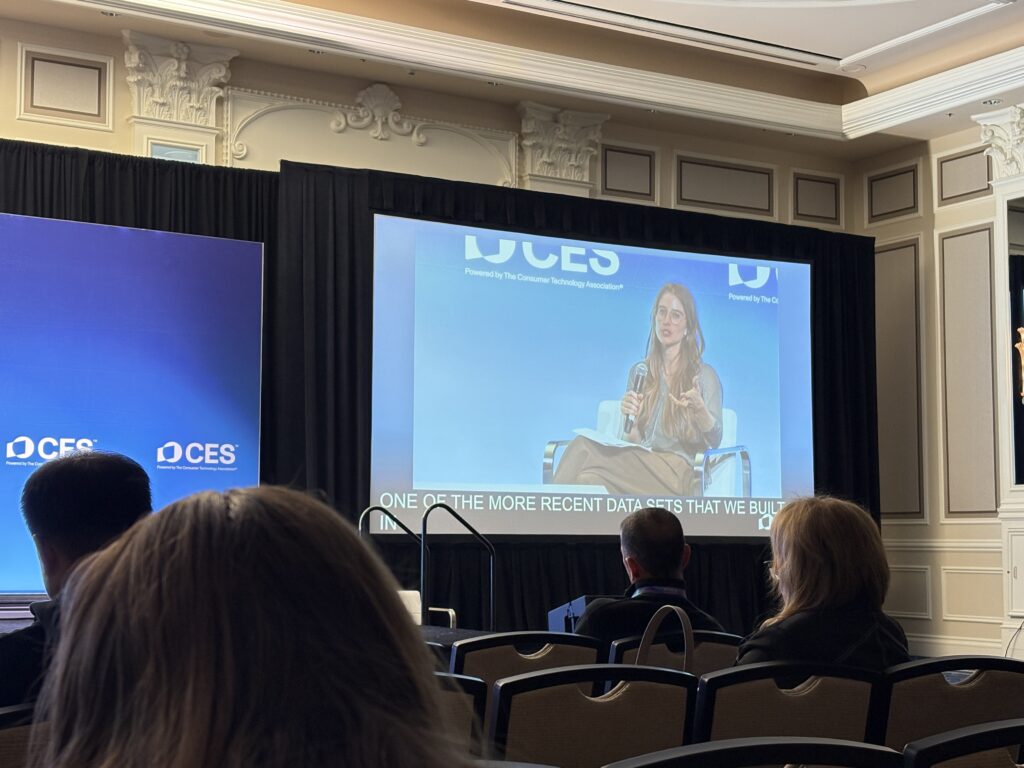
Maya Friedman

Maya referenced a project called “The Library of Missing Data Sets,” an art exhibition of hundreds of empty filing cabinets labeled with data sets that don’t exist across different industries. When you look at what’s missing, you see where biases already exist in healthcare.

As AI becomes more prevalent, these data gaps will replicate the same biases we’re trying to fix. That’s why every healthcare technology company needs infrastructure for data collection at the intersection of women’s health. Not as a “nice to have.” As a business requirement.

Tidepool partnered with Oura to build the largest longitudinal data set of diabetes device data combined with biometric data. They’re distributing Oura rings to thousands of users already on the Tidepool platform. The data will include:

  • Activity tracking
  • Sleep patterns
  • Menstrual cycle data
  • Diabetes device data from the same individuals
  • Health surveys for contextual data

This is what infrastructure looks like when you take women’s health seriously.

Algorithms need to be smarter

Maya’s immediate priority: building algorithms that aren’t “cycle agnostic.” She wants systems that account for 30-day hormonal patterns, not just 72-hour learning horizons.

Women are not just tiny men. We have different needs. We need to display different data. We need algorithms that are potentially different for women versus men.” – Maya Friedman, Tidepool

And yes, that means maintaining multiple versions of products.

Yes, it’s more expensive. But it’s also addressing the actual market need instead of pretending half the population doesn’t exist.

It’s not just about menstrual cycles

Maya’s longer-term vision includes AI models that are dynamic across different reproductive milestones. What does an algorithm look like for someone in perimenopause who isn’t having regular periods? What are the learning horizons for that system?

The real moonshot? A fully closed-loop system that accounts for polycystic ovarian syndrome (PCOS), type 1 diabetes, and menstrual cycles without requiring patient interaction at all.

Women need tech that doesn’t make them choose between their health needs and their time.

Accessibility Creates Market Opportunities, Not Limitations

Left to right: Steve Ewell and Peter Kaldes

Peter Kaldes, CEO of Next50 Foundation, delivered a message that should change how every product designer thinks about their addressable market: “Guess what? You still have a point of view over 50. You still have buying power at 60. You can still use your iPhone at 70, and you need really great technology in the 80s and your 90s.”

Most product designers are under 35. Most assume older adults are technology Luddites. The data proves this assumption is completely wrong.

The buying power is enormous

The over-50 population has more buying power than younger generations. Yet, healthtech companies consistently ignore this market or, worse, design products that stigmatize older users. Peter’s frustration was that was crystal-clear:

“I’ve had conversations with some companies like, where are we going to find [older users to test with]? Well, why don’t you try, first of all, start with your company, and second of all, why don’t you start partnering with community organizations that have access to all these people. This is not hard. It’s just getting people out of their comfort zone.” – Peter Kaldes

Dual generational use is smart design

Peter loves technologies that serve multiple generations. If it’s good for older adults, it’s good for everyone. Examples he highlighted:

  • Hearing technology embedded in glasses to reduce stigma around hearing aids
  • AI tools that coordinate healthcare appointments along with transportation and nearby housing options
  • Financial fraud protection that helps older adults without treating them like children

Left to right: Meg Barron, Dominic King and Myechia Minter-Jordan

AARP CEO Myechia Minter-Jordan shared specific examples of products in AARP’s booth that reduce stigma:

  • Sneakers designed to prevent falls that look like regular athletic shoes (they appear to have laces, though velcro is involved)
  • Glasses with closed captions for people with hearing impairments
  • Glasses with hearing aids built into the stems (partnered with Sadika)

“We want to ensure tools don’t further stigmatize us but allow us to live with dignity and age well.” – Myechia Minter-Jordan

The accessibility-to-mainstream pipeline

Left to right: Natalie Zundel, Griffen Stapp, Ryan Easterly and Jack Walters

Griffen Stapp from Ability Central pointed out something product teams consistently miss: Products designed FOR the disability community often get adopted by everyone. But products made for the general population rarely get adapted later.

Examples are everywhere. Curb cuts help wheelchair users, but they also help parents with strollers, delivery workers with hand trucks, and travelers with rolling luggage. Closed captioning helps deaf users, but also people watching videos in noisy environments or practicing language skills.

Build accessibility in from day one, or you’re leaving both impact and revenue on the table.

Adaptable frameworks beat one-size-fits-all

Jack Walters, co-founder of HapWare (winner of the CTA Foundation Innovation Challenge), explained their approach: “Not everyone’s going to have similar care or similar treatments, so you need to be able to adapt to all those different types of needs and necessities in the community.”

They involve the disability community in design from the start, knowing common pain points and anticipating when certain issues might come up. That’s how you build solutions that actually solve problems instead of creating new friction.

Continuous Monitoring Changes Patient Behavior (Without Doctor Visits)

Left to right: Ami Bhatt, Tom Hale, Lucienne Ide and Jack Leach

Tom Hale, CEO of Oura, explained why continuous data matters more than episodic measurements: “Normal isn’t 98.6 degrees. Normal is what’s normal for you, and being able to see that deviation from the baseline allows us to make predictions.”

Oura’s “symptom radar” looks at temperature, heart rate, and other biometrics to predict when you might be getting sick—days before symptoms appear. That’s the intervention window where you can actually change behavior and potentially avoid getting sick entirely.

Patients change behavior when they see their own data

Jake Leach from Dexcom shared a pivotal study from the early days of continuous glucose monitoring. For years, the standard of care for diabetes was finger pricks, which are episodic, painful, and limited.

They ran a study where they put sensors on patients continuously measuring glucose, but they didn’t show patients the data for a week. They just collected baseline information. Then they turned on the display.

Within a day, people started making behavior changes based solely on their own knowledge of their disease and this information they’d never had before. No doctor intervention. No coaching. Just visibility into their own patterns.

The infrastructure problem doctors face

Source: Somebody Digital

Doctors are drowning in data with no infrastructure to process it.

Lucienne Ide from Rimidi left clinical medicine because she was disappointed by how electronic health records (EHRs) were implemented. She expected digital records with clinical decision support layered on top. Instead, she got data dumps with no insights.

As she put it: “I don’t know a single doctor who’s saying, ‘If only I had more data, I would be a better clinician.'”

What doctors need is not more data, but clinical decision support that turns data into actionable insights.

Tom from Oura said one doctor told him: “I want the Oura ring to give me information as if it was written by another doctor. Basically, a consult. Here’s what I know about this patient in clinical terms, and this is the information you need. Everything else, don’t give it to me.”

That’s the responsibility of device companies: Don’t just collect data. Provide insights that save clinicians time and help them make better decisions faster.

Prevention requires behavior change at scale

The consensus was clear: behavior change is what moves the needle on long-term health outcomes. Not medications or procedures. Sleep well, eat well, manage stress, and stay balanced.

Healthcare has failed at behavior change for 75 years because it requires data, user experience (UX), engagement, education, and reinforcement. Doctors don’t have time for that level of ongoing support. Educational content alone doesn’t work because people don’t retain or apply it without reinforcement.

But continuous monitoring combined with AI and smartphone engagement is the combination that finally makes prevention scalable.

As Ami Bhatt from the American College of Cardiology noted, “What has my attention besides my kids? My phone. And I’m looking at that, and that’s the power.”

AI That Actually Helps, Not Hypes

Source: Oxio Health

Dominic King from Microsoft AI cut through all the conference noise:

“The biggest challenge in healthcare today is the mismatch between global demand and constrained supply.” – Dominic King

AI isn’t replacing doctors. It’s closing the gap between what people need and what the healthcare system can deliver.

The future is proactive health companions

Chatbot woman and robot conversation

5 years ago, AI was good at classification and spotting single problems. Now we have thinking and reasoning models that can pass the same exams physicians take, often at higher rates than human test-takers.

Dominic’s vision for 5 years from now is A health companion that you wake up and it’s sitting in the background, doing the hard work for you and being more proactive. At the moment, everything is still very reactive.”

This means:

  • Identifying sleep issues before they compound
  • Flagging medication adherence problems
  • Coordinating complex care across multiple providers
  • Helping people navigate fragmented healthcare systems
  • Providing specialized opinions even in rural areas

The caregiver opportunity is massive

Myechia shared that one in four Americans are caregivers right now (63 million Americans). If you’re not currently a caregiver or need care yourself, one day you will be.

AI tools can help caregivers:

  • Communicate with provider teams more effectively
  • Ensure loved ones are safe at home
  • Coordinate the “universe of appointments” that comes with aging
  • Reduce information asymmetry (where only people with medical training understand how systems work)

The key is addressing privacy and data concerns upfront, not as barriers to innovation but as facilitators of trust.

The co-design imperative

Dominic emphasized that co-design is critically important. Building WITH users instead of just FOR them avoids the problems we see when products hit the real world.

At Microsoft, they’re seeing 50 to 60 million health questions a day through Copilot. That’s enormous insight into what people actually need help with.

But as he noted, “A lot of founders are young. They don’t have a good idea of what it’s like to be elderly or sick.”

That’s why bringing your end users (patients, clinicians, caregivers) into the development process isn’t optional. It’s the difference between building something that works versus something that sits unused.

The Digital Equity Gap Nobody’s Solving

Left to right: Steve Ewell and Peter Kaldes

Steve Ewell, Executive Director of CTA Foundation, laid out what he calls “the three legs of the stool” for digital equity:

“You need the hardware, you need the broadband access, and then you need the support and education to go along with it. And so often that last one is left off.” – Steve Ewell

That last leg of support and education is where healthcare technology adoption actually lives or dies.

Tech alone isn’t enough

Peter Kaldes from Next50 Foundation added context that should worry anyone in healthtech: nonprofits doing the heavy lifting of digital equity training are facing unprecedented cuts to federal grants.

As Peter noted: “I love going to an Apple Store and seeing these free classes, but you have to find an Apple Store which are not in the neighborhoods that need the help the most.”

The communities that need technology training the most are the least likely to have access to it. And the organizations that bridge that gap are losing funding.

The clinical trial proof

Source: Anatomy.app

Dexcom is running large clinical trials where half the participants come from underserved communities specifically to prove the technology works equally well regardless of service level. They want hard data showing these tools aren’t just for people with resources.

Rimidi partnered with community health centers during COVID to monitor high-risk pregnancies remotely using blood pressure monitors and texting protocols. They tracked engagement by ethnicity and primary language.

There was no difference in engagement. Everyone has a smartphone in that demographic (women of childbearing age), and everyone can text.

This proves that engagement isn’t the problem. The problem is getting access to the infrastructure and training on how to use it.

Mission-aligned capital as the solution

Source: Next50 Foundation

Next50 Foundation is one of the first private foundations to invest 100% of their endowment in aging-focused companies and infrastructure. Not just grant-making, but the other 95% of their capital.

They created an aging investment framework with JP Morgan that looks at four themes:

  1. Health
  2. Social connectivity (including technology)
  3. Economic opportunity (workforce and financial vehicles for longer lives)
  4. Built environment (mobility, housing, accessibility)

As of December, about 75% of their endowment was invested in this framework, and Peter offered a challenge to the investment community:

What if capital actually had values? Climate investors have successfully made money and helped power cleaner energy. The same can be true for aging. How can we possibly ignore that the globe is aging?” – Peter Kaldes

They also launched a new nonprofit called Leverage focused on advancing policies in Colorado to make aging more affordable—housing, living wages, caregiving resources.

Because you can’t solve systemic problems with technology alone. You need policy change too.

Patient Voices Need to Drive Startup Decisions

Jake Heller from Citizen Health is building AI tools that help patients with rare diseases query their own medical records and advocate for themselves at doctor’s appointments.

His philosophy: “Putting patients in the driver’s seat is one of the biggest opportunities we have right now.”

The journaling and documentation problem

Doctor and patient POCs

Sometimes when people with rare or complex diseases go to appointments and talk about their concerns, doctors don’t believe them. These patients need help translating their own experience in a way that clinicians will take seriously.

Citizen Health helps patients journal their symptoms and experiences, then presents that data in clinical terms. “Here’s a video of my daughter having this specific type of seizure. Here are the journal entries. Here’s how this has changed over time.”

That’s advocacy powered by data and AI.

The time-to-diagnosis crisis

Randy pointed out that if you have an autoimmune disease, it could be 3, 5, or even 7 years before diagnosis. For healthcare innovation, it can take 7 years just to move something through an FDA process.

Those time frames compound into suffering that’s completely preventable if we had better systems and patient input earlier in development cycles.

Patient organizations are ready to help. They’re trusted by their communities. They can broker relationships, speed recruitment, help startups get from lab to market faster with products that patients will actually use and that payers will actually reimburse.

The startup trap to avoid

Source: National Institute for Health and Care Research (NIHR)

Alice warned about companies that design products, then go looking for users to validate decisions they already made.

That’s backwards. Instead you should:

  • Find patient voices early.
  • Put them on advisory boards.
  • Include them in design sprints.
  • Listen to their feedback even when it’s uncomfortable or expensive to implement.

The successful companies in her portfolio think about long-term systemic change, not just short-term product development metrics.

What Healthtech Companies Need to Do Differently

The patient community isn’t a barrier to innovation. They’re the key to building products that actually work.

Stop designing in the dark

Source: Patient Better

If you’re building healthtech without continuous patient input, you’re wasting resources. You’ll miss market opportunities. You’ll build products that don’t get used or that put certain populations at risk.

Randy’s message was clear: “Come to us, and we will broker that relationship, because in the end, you’ll be more successful, and the patient community will get a better result.”

Measure what matters

Myechia challenged the AI industry on how they measure success: Don’t count the number of tools or features. Measure whether you’re closing the gap between lifespan and health span.

That gap is currently 13 years, which is the difference between how long people live and how many of those years are healthy years. If your technology doesn’t move that number, what’s the point?

Think systemically, not just tactically

Source: IQ Eye

Every speaker emphasized that technology is only one piece of a larger puzzle. You also need:

  • Policy changes that support adoption
  • Payment models that reward prevention
  • Training infrastructure for underserved communities
  • Clinical decision support that turns data into insights
  • Algorithms that account for biological differences across populations

If you’re only focused on your device or platform, you’re missing the bigger picture of how healthcare actually works.

The sales enablement angle

All of these insights about patient needs, accessibility requirements, women’s health gaps, digital equity challenges are the stories your prospects need to hear during long sales cycles.

B2B healthtech sales aren’t quick. You’re selling to health systems, payers, and large provider networks. The buying committees are complex. The evaluation periods stretch for months.

That’s exactly when prospects go cold or arrive at sales calls unprepared.

Daree headshot R side arms folded

I create educational email courses to bridge that gap. They keep prospects engaged with the exact kind of patient-centered insights I heard at CES. They position your company as one that understands real-world healthcare challenges, not just technology features.

In 2026 and beyond, healthtech companies that want to win understand their users deeply enough to build products those users will actually want, trust, and use.

The Measurement Challenge

A woman helping her elderly mother in a wheelchair

How do you know if you’re succeeding at patient-centered design? Myechia offered a simple test: “What do you want your life to look like at 75?”

You probably want to:

  • Stay in your home
  • Feel healthy
  • Stay empowered
  • Have information flow easily between you and loved ones
  • Remain connected to family and physicians
  • Be safe at home
  • Engage in daily activities with ease and without pain
  • Understand your medical information and chronic diseases
  • Control who has access to your data
  • Have a care plan you can execute yourself
  • Receive information you trust and can use readily

If your tech helps people achieve any of those goals, you’re on the right track. If it doesn’t, you need to rethink your approach.

Final Thoughts

CES 2026’s Digital Health Summit covered the hard work of actually listening to patients, caregivers, and the communities being served.

Startups who want to be successful in healthtech aren’t the ones chasing the next funding round or the flashiest AI feature. They’re the ones asking better questions:

  • Have we talked to patients who look different from our team?
  • Does our product work for women’s bodies, not just male bodies?
  • Can older adults use this without feeling stigmatized?
  • What infrastructure needs to exist beyond our technology?
  • Are we solving a real problem or just building something technically impressive?

Those questions lead to products that get adopted, outcomes that improve, and companies that actually make a difference. That’s the kind of healthtech worth building.


How Digital Health Platforms Affect Healthcare Costs

AI Health Tech Med Tech

As healthcare costs continue to go up, digital health platforms are emerging as powerful cost-cutting tools. The global digital health market size was estimated at $240.9 billion in 2023 and is projected to grow at a compound annual growth (CAGR) of 21.9% from 2024 to 2030. 

These platforms are not just fancy apps or websites. From telehealth to AI-powered diagnostics, digital health applications are changing healthcare for the better. 

How do these platforms trim the fat from our bloated healthcare system? Let’s explore the ways digital health can make healthcare more affordable for everyone.

Contents

Telemedicine: Healthcare at Your Fingertips

Telemedicine brings healthcare right to your home, office, or wherever you are. It’s like having a doctor in your pocket! But how does this convenience translate to cost savings?

Woman in green sweater talking to doctor on Zoom

Virtual doctor visits reduce travel and waiting room costs

A study published in the Journal of Medical Internet Research found that telehealth visits saved patients an average of 100 minutes of travel time and $50 in travel costs per visit (Snoswell et al., 2020).

Think about the last time you went to the doctor. How much time did you spend traveling and sitting in the waiting room? With telehealth, those time and money costs disappear. 

Fewer ER visits

How often have you wondered if that late-night stomach ache was worth a trip to the ER? Telehealth tools like AI chatbots can help you make that decision without leaving home. 

Cost savings for both patients and healthcare providers

It’s not just patients who save money. Healthcare providers benefit too. Telehealth services have been found to reduce healthcare costs for providers and patients. Even better, many insurers now have an allowance to cover the cost of certain telehealth visits.

Preventive Care: Stopping Problems Before They Start

Have you ever heard the saying “an ounce of prevention is worth a pound of cure”? Digital health platforms are making this old adage more relevant than ever.

How digital platforms promote healthy habits

Fitness app in the gym

From step counters to diet trackers, digital health apps are helping us stay healthier. But do they really make a difference? A study by Ernsting et al. (2017) found that users of health and fitness apps were 34% more likely to meet physical activity guidelines compared to non-users.

Wearable devices and their impact on early detection

glucose monitor on arm with phone app showing glucose level

Smartwatches surpass the practical use of telling time–they’re becoming powerful health monitors. For example, Apple Watch’s ECG feature can detect atrial fibrillation with 98% accuracy, potentially preventing strokes and saving lives (Perez et al., 2019).

How AI and big data can predict health risks and reduce costs

Big Data Analytics in healthcare uses AI, machine learning and deep learning tools to help doctors find the best treatments for each patient, which can reduce waste. This lets doctors predict health problems  and start treatments early, which can save lives. This could change how common certain diseases are and save money on healthcare (Batko & Ślęzak, 202​​2).

Cost savings through prevention vs. treatment

Prevention isn’t just better for our health—it’s better for our wallets too. The Centers for Disease Control and Prevention estimates that chronic diseases that are avoidable through preventive care account for 75% of the nation’s healthcare spending.

Streamlined Administrative Processes

Paperwork is no one’s favorite part of healthcare. Digital platforms are making administrative tasks faster, easier, and more cost-effective.

Automated appointment scheduling and reminders

Have you ever forgotten a doctor’s appointment? Digital reminders can help. 

Smartwatch with phone and dumbbells

Ulloa-Pérez et al. (2022) found that sending an extra text reminder for high-risk appointments reduced no-shows in primary care and mental health offices, and same-day cancellations in primary care offices. 

Targeting reminders using risk prediction models (predictive analytics) can efficiently use healthcare resources, potentially preventing hundreds of missed visits monthly. This approach saves costs compared to messaging all patients, though implementing the risk model has some costs.

Digital health records reduce paperwork and administrative errors 

Nurse charting

Remember when doctors used to write prescriptions by hand? Digital health records make all kinds of admin work more efficient. A study in the Journal of the American Medical Informatics Association found that electronic health records with AI can reduce medication and billing errors.

Cost savings through improved workflow and resource allocation

Efficient workflows mean better care at lower costs. A study in the Journal of Medical Internet Research found that digital health platforms improved hospital workflow efficiency by 25%, leading to annual cost savings of $1.2 million for a mid-sized hospital (Luo et al., 2019).

Person looking at white overlay

Data-Driven Insights for Better Decision Making

In the age of big data, information is power. Healthcare is no exception. With all this digital information, doctors can make smarter choices about your health. 

How big data analytics improve treatment plans

A study in the Journal of Big Data found that big data analytics improved treatment efficacy by 30% and reduced treatment costs by 20% (Dash et al., 2019).

Cost savings from shorter and fewer hospital stays

Nurse standing in a recovery room

Have you ever wondered how hospitals decide how many beds they need? Predictive analytics is the answer. It can reduce hospital bed shortages and decrease operational costs.

Hospital stays are expensive, but RPM can help shorten them. RPM allows patients to be discharged an average of 2 days earlier, resulting in cost savings of $7,000 per patient.

Personalized medicine and its impact on cost reduction

One size doesn’t fit all in healthcare. Targeted treatments are more effective and cost-effective. 

  • Personalized treatment plans based on genetic data improve treatment efficacy and reduce adverse drug reactions (ADRs).
ECG monitor closeup on stomach

Remote Patient Monitoring: Reducing Hospital Stays

Sometimes, the best hospital care happens outside the hospital. 

Remote patient monitoring (RPM) allows health providers to keep an eye on patients without keeping them in the hospital. From smart pills to wearable sensors, remote monitoring technologies are diverse and growing. 

Impact on reducing hospital readmissions

Nobody likes going back to the hospital. Remote monitoring can help prevent that. A study in the New England Journal of Medicine found that remote monitoring reduced hospital readmissions for heart failure patients by 50% (Perez et al., 2019).

Management of chronic conditions from home

Gentleman taking his blood pressure in tan shirt

Chronic conditions are a major driver of healthcare costs. Remote monitoring can help manage these conditions more effectively. 

A 2024 study showed that telehealth reduces healthcare costs by cutting down on hospital visits, travel time, and missed work, especially for managing chronic conditions. This benefits both patients and healthcare systems financially (Prasad Vudathaneni et al., 2024).

Increasing Access to Specialized Care

Specialized care can be hard to access, especially in rural areas. Digital health isn’t just about general care – it’s also bringing expert help to more people.

Telehealth solutions for rural and underserved areas

Rural healthcare access is a major challenge. Telehealth can help bridge that gap. A study in Health Affairs found that telehealth increased access to specialty care in rural areas by 54%.

Telehealth also faces challenges like high setup costs and outdated payment models, especially in rural areas. Its success depends on cost distribution, clinical outcomes, and indirect savings. Hospitals need funding and strategies to reach underserved groups and ensure fair access to telehealth (Anawade et al., 2024).

Virtual second opinions and their impact on treatment decisions

Getting a second opinion can be life-changing. Virtual platforms make it easier than ever. Virtual second opinions can change the diagnosis or treatment plan in over one-third of cases, potentially avoiding unnecessary procedures and costs.

Conclusion

Digital health platforms are powerful allies to counteract rising healthcare costs. By leveraging technology for prevention, efficiency, and data-driven insights, these platforms are making healthcare more accessible and affordable. From applications like telehealth reducing unnecessary ER visits to catching illnesses early with AI-powered diagnostics, the potential for cost savings is huge. 

As patients, we can embrace these digital tools to take control of our health and potentially lower our healthcare expenses. For healthcare providers, adopting these platforms could lead to more efficient operations and better patient outcomes. 

What do you think about these digital health innovations? Have you used any of these technologies in your own healthcare journey? 

References

Anawade, P. A., Sharma, D., & Gahane, S. (2024). A Comprehensive Review on Exploring the Impact of Telemedicine on Healthcare Accessibility. Cureus, 16(3). doi.org/10.7759/cureus.55996

Batko, K., & Ślęzak, A. (2022). The use of Big Data Analytics in healthcare. Journal of Big Data, 9(1). doi.org/10.1186/s40537-021-00553-4

Centers for Disease Control and Prevention. (2021). Chronic diseases in America. Retrieved from https://www.cdc.gov/chronicdisease/resources/infographic/chronic-diseases.htm

Dash, S., Shakyawar, S. K., Sharma, M., & Kaushik, S. (2019). Big data in healthcare: Management, analysis and future prospects. Journal of Big Data, 6(1), 1-25. doi.org/10.1186/s40537-019-0217-0

Ernsting, C., Dombrowski, S. U., Oedekoven, M., & Kanzler, M. (2017). Using smartphones and health apps to change and manage health behaviors: A population-based survey. Journal of Medical Internet Research, 19(4), e101.

Grand View Research. (2024). Digital Health Market Size, Share & Trends Analysis Report By Technology (Healthcare Analytics, mHealth), By Component (Hardware, Software, Services), By Application, By End-use, By Region, And Segment Forecasts, 2024 – 2030. Retrieved from https://www.grandviewresearch.com/industry-analysis/digital-health-market

Luo, L., Li, J., Liang, X., Zhang, J., & Guo, Y. (2019). A cost-effectiveness analysis of a mobile-based care model for community-dwelling elderly individuals. Journal of Medical Internet Research, 21(5), e13563.

Perez, M. V., Mahaffey, K. W., Hedlin, H., Rumsfeld, J. S., Garcia, A., Ferris, T., Balasubramanian, V., Russo, A. M., Rajmane, A., Cheung, L., Hung, G., Lee, J., Kowey, P., Talati, N., Nag, D., Gummidipundi, S. E., Beatty, A., Hills, M. T., Desai, S., … Turakhia, M. P. (2019). Large-scale assessment of a smartwatch to identify atrial fibrillation. New England Journal of Medicine, 381(20), 1909-1917.

Personalized Medicine Coalition. (2020). The personalized medicine report: Opportunity, challenges, and the future. Retrieved from http://www.personalizedmedicinecoalition.org/Userfiles/PMC-Corporate/file/The-Personalized-Medicine-Report1.pdf

Prasad Vudathaneni, V. K., Lanke, R. B., Mudaliyar, M. C., Movva, K. V., Kalluri, L. M., & Boyapati, R. (2024). The Impact of Telemedicine and Remote Patient Monitoring on Healthcare Delivery: A Comprehensive Evaluation. Cureus, 16(3). doi.org/10.7759/cureus.55534

Snoswell, C. L., Taylor, M. L., Comans, T. A., Smith, A. C., Gray, L. C., & Caffery, L. J. (2020). Determining if telehealth can reduce health system costs: Scoping review. Journal of Medical Internet Research, 22(10), e17298.

Ulloa-Pérez, E., Blasi, P. R., Westbrook, E. O., Lozano, P. , Coleman, K. F., & Coley, R. Y.  (2022). Pragmatic Randomized Study of Targeted Text Message reminders to Reduce Missed Clinic Visits. The Permanente Journal, 26(1), doi/10.7812/TPP/21.078

Winstead, E. (2023). Telehealth Can Save People with Cancer Time, Travel, and Money. National Cancer Institute. Retrieved from https://www.cancer.gov/news-events/cancer-currents-blog/2023/telehealth-cancer-care-saves-time-money

How Health Apps Promote Preventive Care and Early Disease Detection

How Health Apps Promote Preventive Care and Early Disease Detection

AI Health Tech

Health apps have become powerful tools for preventive care and early disease detection. From tracking daily habits to advanced symptom checkers, these apps have made it much easier to manage our health, putting vital information and monitoring capabilities right at our fingertips. 

Let’s see how these innovative health apps promote preventive care, empowering users to take proactive steps towards better health outcomes.

Contents

Preventive Care and App Usage

Preventive Care sign and stethoscope

Health apps play a crucial role in preventive care by empowering people to take a proactive approach to manage their health. They include features to monitor vital signs, track fitness goals, and assess disease risks–all from the convenience of a smartphone.

Before we discuss how health apps promote preventive care, let’s define and review that concept.

What is preventive care?

Preventive care refers to routine healthcare services aimed at preventing illnesses and detecting health issues before they become serious. This includes regular check-ups, vaccinations, screenings, and lifestyle counseling. 

Focusing on prevention can help people stay healthier, save money, and catch issues early when they’re more treatable. Preventing diseases is often easier and more cost-effective than treating them. 

Growth of health app market in recent years

The health app market isn’t just growing; it’s booming. With over 300,000 health apps available and about 200 new ones released daily, we have a vast array of options available anytime. 

As of 2023, there’s been over 200 million diet and nutrition app downloads, and 20% of Americans use wearable devices integrated with health and fitness apps. This growth is driven by increasing smartphone usage, rising awareness about health and fitness, and the convenience these apps offer.

The health app market has seen explosive growth in recent years. In fact, the global mHealth apps market size was estimated at USD 32.42 billion in 2023 and is anticipated to grow at a compound annual growth rate (CAGR) of 14.9% from 2024 to 2030

This surge reflects a big shift in healthcare from reactive treatment to proactive prevention.

Key features of successful preventive care apps

What makes a preventive care app successful? The most effective apps share some common features:

  • User-friendly interfaces

  • Personalized health recommendations

  • Integration with wearable devices

  • Data visualization tools

  • Social sharing capabilities

  • Regular updates based on the latest health guidelines

These features help users stay engaged and motivated in their health journey.

Woman with headphones stretching before a run outside
Source: Styled Stock Society

Who’s using these apps? While health apps appeal to a broad audience, certain demographic trends are emerging. 

A study found that 84 million people in the U.S. used healthcare apps to monitor their health-related activities in 2022. Millennials and Gen Z lead the charge in health app adoption, with a particular focus on fitness and mental health apps.

Apps for Health Monitoring and Tracking

As health apps continue to grow in popularity, let’s explore some of the most popular categories and how they’re helping users monitor their health.

Apps to track vital signs 

Purple pulse oximeter and mask

Vital sign tracking apps have become increasingly sophisticated. Many can now measure heart rate, blood pressure, and even blood oxygen levels using just a smartphone camera or with wearable devices. 

For example, the Cardiio app uses a smartphone camera to measure heart rate with 97% accuracy compared to clinical pulse oximeters.

Apps to monitor sleep patterns and quality

Older woman asleep wearing smartwatch next to cell phone

Poor sleep can increase your risk of various health issues. 

Sleep tracking apps help users understand their sleep patterns and quality. Apps like Sleep Cycle use your phone’s microphone and accelerometer to analyze your sleep stages and wake you up during your lightest sleep phase.

Apps for nutrition and diet tracking 

Measuring tape with grapes apples phone

Maintaining a healthy diet is crucial for preventive care. Nutrition apps like MyFitnessPal allow users to log their food intake, track calories, and monitor nutrient balance. These apps often include extensive food databases and barcode scanners for easy logging.

Physical activity and fitness monitoring

Fitness apps have come a long way from simple step counters. Apps like Strava or Nike Run Club can track various activities, provide workout plans, and even offer virtual coaching. Many integrate with wearable devices for more accurate data collection.

Man with sarcopenia and a cane

One study of older adults found that the Sit to Stand app can detect older adults with both frailty/pre-frailty and sarcopenia (Montemurro et al., 2024). The app was very accurate, with an 80-92% success rate. People the app identified with both frailty and sarcopenia were more likely to have other health problems like falls, hospitalization, depression, and low income. 

Early Detection: Symptom Checkers and Risk Assessment Apps

One of the most exciting developments in health apps is their potential for early disease detection. Let’s look at how these apps are helping users identify potential health issues early.

Symptom checker apps like Ada or WebMD Symptom Checker allow users to input their symptoms and receive potential diagnoses. While these apps shouldn’t replace professional medical advice, they can help users decide whether to seek medical attention. 

A study of 22 symptom checker apps had low average diagnostic accuracy rates, highlighting the need for continued improvement in this area (Schmieding et al., 2022).

Risk assessment tools for common diseases

Many apps now offer risk assessment tools for common diseases like diabetes, heart disease, or certain cancers. These tools typically use questionnaires about lifestyle factors, family history, and sometimes integrate data from other health tracking features to provide a personalized risk assessment.

Elderly woman with pills and a walker

A UK study by Reid et al. (2024) looked at how well older adults could use a digital test for dementia risk and brain function. The test was easy for participants to complete. 

Age affected all brain tests, while gender and education only impacted verbal skills. Women and those with more education did better on word-related tasks. Age was linked to lower scores on all tests, which matches what we know about aging and brain health, and could help spot early signs of brain decline.

AI-powered apps for skin cancer detection

Skin cancer detection apps are a prime example of how AI is enhancing early detection capabilities. 

Man examining a skin lesion on his arm

Apps like SkinVision use machine learning algorithms to analyze photos of skin lesions and provide a risk assessment. A study found that SkinVision had a 95.1% sensitivity in detecting malignant skin lesions (Smak Gregoor et al., 2023).

Mental health screening and mood tracking applications

Mental health apps are playing an increasingly important role in early detection of mental health issues. Apps like Moodfit or Daylio allow users to track their mood over time, potentially identifying patterns that could indicate underlying mental health concerns.

Integrating Health Apps with Healthcare Systems

The real power of health apps lies in their ability to integrate with broader healthcare systems. This integration changes how we interact with healthcare providers and manage our health data.

Apps that connect users with healthcare providers

Telehealth apps like Teladoc or Doctor On Demand allow users to consult with healthcare providers remotely. These apps have become particularly valuable during the COVID-19 pandemic, providing safe access to medical advice.

Electronic health record integration capabilities

Some health apps can now integrate with electronic health records (EHRs), allowing for seamless sharing of health data between patients and healthcare providers. This integration can lead to more informed medical decisions and better continuity of care.

Telehealth features in preventive care apps

Many preventive care apps now include telehealth features, allowing users to share their health data directly with healthcare providers and receive personalized advice. This integration of tracking and consultation features creates a more comprehensive health management experience.

Data sharing and privacy considerations

With the increasing amount of health data being collected and shared, privacy concerns are paramount. 

Health apps must comply with regulations like HIPAA to protect user data. Users should always review an app’s privacy policy and understand how their data will be used and protected.

Conclusion

Health apps for preventive care and early detection are more than just trendy tools–they’re becoming essential allies in our quest for better health. Putting the power of prevention in our pockets, these apps can help users spot potential issues early, track important health metrics, and make informed decisions about their well-being. 

While health apps are valuable, they should complement professional medical advice–not replace it. Don’t wait for a health problem to arise. Start exploring these apps, and take the first step towards a healthier, more proactive lifestyle.

References

8 Types of Preventive Care to Ensure Health Life for Seniors. (2022). EliteCare Health Centers. Retrieved from https://www.elitecarehc.com/blog/8-types-of-preventive-care-to-ensure-healthy-life-for-seniors/

Deb, T. (2024). Diet and Nutrition Apps Statistics 2024 By Tracking, Health and Wellness. Market.us Media. Retrieved from https://media.market.us/diet-and-nutrition-apps-statistics/

Deb, T. (2024). Home Gyms in Your Pocket: The Fitness App Market is on Fire, Reaching USD 4.9 Billion in 2023. Market.us Media. Retrieved from https://media.market.us/fitness-app-market-news/

Grand View Research. (2023). mHealth Apps Market Size, Share & Growth Report, 2030. Retrieved from https://www.grandviewresearch.com/industry-analysis/mhealth-app-market

Gupta, I. (2024). Trends in Telemedicine App Development 2024. iMark Infotech. Retrieved from https://www.imarkinfotech.com/trends-in-telemedicine-app-development-2024/

Jayani, P. (n.d.). The Ultimate Guide to EHR Integration for Mobile Health Apps. Blue Whale Apps. Retrieved from https://bluewhaleapps.com/blog/the-ultimate-guide-to-ehr-integration-for-mobile-health-apps

mHealth Apps Market Size | share and Trends 2024 to 2034. (2024). Precedence Research. Retrieved from https://www.precedenceresearch.com/mhealth-apps-market

Montemurro, A., Rodríguez-Juan, J. J., Martínez-García, M., & Ruiz-Cárdenas, J. D. (2024). Validity of a video-analysis-based app to detect prefrailty or frailty plus sarcopenia syndromes in community-dwelling older adults: Diagnostic accuracy study. DIGITAL HEALTH. doi.org/10.1177/20552076241232878

Reid, G., Vassilev, P., Irving, J., Ojakäär, T., Jacobson, L., Lawrence, E. G., Barnett, J. Tapparel, M., & Koychev, I. (2024). The usability and reliability of a smartphone application for monitoring future dementia risk in ageing UK adults. The British Journal of Psychiatry; 224(6):245-251. doi:10.1192/bjp.2024.18

Schmieding, M., Kopka, M., Schmidt, K., Schulz-Niethammer, S., Balzer, F., Feufel, M. (2022).

Triage Accuracy of Symptom Checker Apps: 5-Year Follow-up Evaluation. Journal of Medical Internet Research; 24(5):e31810, doi.org/10.2196/31810

Smak Gregoor, A. M., Sangers, T. E., Bakker, L. J., Hollestein, L., A., C., Nijsten, T., & Wakkee, M. (2023). An artificial intelligence based app for skin cancer detection evaluated in a population based setting. Npj Digital Medicine, 6(1), 1-8. doi.org/10.1038/s41746-023-00831-w

What is Preventive Care? (2018). ConnectiCare. Retrieved from https://www.connecticare.com/live-well/blog/wellness-and-prevention/whats-preventive-care

Understanding Your Telehealth Insurance Options

Understanding Your Telehealth Insurance Options

Health Tech

The convenience of healthcare access from your home makes telehealth more popular than ever. According to McKinsey, telehealth usage has stabilized at levels 38 times higher than before the pandemic. This surge in virtual care has prompted many insurance providers to expand their telehealth coverage, but you may not know how their telehealth insurance options work. 

Whether you’re looking for convenient access to medical professionals or seeking cost-effective healthcare solutions, you need to understand the telehealth insurance options available to you.

First, let’s explore what telehealth is and why coverage matters.

Contents

What is Telehealth and Why is Insurance Coverage Important?

Telehealth has become a buzzword in recent years, especially with the rise of digital health platforms and the COVID-19 pandemic. 

Telehealth, fairly synonymous with telemedicine, refers to the use of tech to provide healthcare services remotely. This can include video consultations, secure messaging, remote monitoring, texting, audio-only calls, and even virtual prescription refills. 

Benefits of telehealth services

In November 2021, 55% of respondents said they were more satisfied with telehealth or virtual care visits than with in-person appointments. 35% use other digital services, such as ordering prescriptions online and home delivery.

Telehealth benefits patients and healthcare providers in many ways (Hasselfeld, n.d.):

  • Convenience: Patients can consult with their healthcare providers from the comfort of their homes, which eliminates the need for travel and reduces wait times.

  • Access to Care: Telehealth is particularly beneficial for people in rural areas or those with mobility issues, providing access to specialists and primary care providers who may not be available in the local area.

  • Cost-Effective: By reducing the need for physical visits, telehealth can lower healthcare costs for both patients and providers.

  • Preventive Care: Regular virtual check-ups can help in the early detection and management of chronic conditions, improving overall health outcomes.

Importance of insurance coverage for telehealth

Insurance coverage for telehealth services is crucial for several reasons:

  • Reduced Out-of-Pocket Costs: Without insurance, telehealth costs can add up quickly. Insurance coverage helps mitigate these expenses.

  • Access to a Broader Network: Insurance plans often have agreements with a network of providers, making it easier for patients to find in-network telehealth services.

  • Comprehensive Care: Insurance can cover a wide range of telehealth services, from primary care to specialist consultations, ensuring that patients receive comprehensive care.

Now that we understand the basics of telehealth, let’s look at the different types of insurance plans that offer coverage for these services.

Types of Insurance Plans with Telehealth Coverage

When it comes to telehealth, not all insurance plans are created equal. 

One study found that insurers paid less for third-party telehealth visits than in-person care. Before COVID-19, only six U.S. states required equal payment for telehealth and in-person visits. By late 2021, more states adopted these laws, reducing potential cost savings for insurers as telehealth payments increased (Cuellar et al., 2022).

Here’s a breakdown of the different types of insurance plans that cover telehealth services.

Traditional health insurance 

Most traditional/private health insurance plans now include telehealth benefits. These plans cover a variety of services such as video consultations, e-prescriptions, and remote monitoring (HRSA, 2023).

Standalone telehealth insurance

Some companies offer standalone telehealth insurance plans. These are subscription-based services that provide unlimited access to telehealth consultations for a monthly fee.

However, there may be limitations like the specific types of care covered, requiring initial in-person visits, or capping the number of telehealth visits. Recently, many private insurers have started providing telehealth services through third-party platforms like Teladoc or AmWell (Healthcare Service Corporation, 2020).

Medicare and Medicaid

Medicare Part B covers certain telehealth services, including virtual visits with doctors and specialists (Medicare.gov, n.d.). Medicaid coverage for telehealth varies by state, but many states have expanded their telehealth benefits in recent years (Schwamm et al., 2017).

Employer-sponsored plans

People sitting in an auditorium for a presentation

Many employers offer health insurance plans that include telehealth services. These plans often come with additional benefits like mental health services and secure messaging with healthcare providers.

With various telehealth insurance options available, it’s important to know what features to consider when evaluating plans.

What to Look for in Telehealth Insurance Plans

Choosing the right telehealth insurance plan can be overwhelming. Here are some key features to consider.

Scope of covered services

Ensure the plan covers a wide range of services, including:

  • Primary Care: Regular check-ups and preventive care. Many plans cover virtual visits for routine health assessments.

  • Mental Health: Access to telepsychiatry and counseling services. Mental health services via telehealth can be as effective as in-person visits.

  • Specialist Consultations: Ensure the plan includes virtual visits with specialists like cardiologists, and dermatologists. This can save time and reduce the need for physical referrals.

Network of available providers

A robust network of in-network providers ensures that you have access to a variety of healthcare professionals without incurring additional costs. Check if the plan includes:

  • Local Providers: Access to local healthcare providers who offer telehealth services.

  • Specialists: A wide range of specialists are available for virtual consultations.

  • National Networks: Some plans offer access to national networks of providers, which can be beneficial if you travel frequently.

Cost-sharing 

Bottle of pills spilled on currency

Healthcare marketplaces offer affordable individual health insurance plans. These plans must meet standards for cost-sharing, which are the out-of-pocket expenses people pay for medical services

Cost-sharing typically includes deductibles, copayments, and coinsurance, though not all plans use all three types (Rakshit et al., 2023):

  • Copayments: The fixed amount you pay for each visit. The fixed amount you pay for each telehealth visit. Some plans may offer lower copayments for virtual visits compared to in-person visits.

  • Deductibles: The amount you need to pay out-of-pocket before the insurance starts covering services. You may want to pair a high-deductible plan with Health Savings Accounts (HSAs) to help manage costs.

  • Coinsurance: The percentage of costs you share with the insurance company after you’ve paid your deductible. For example, a plan might cover 80% of the cost, leaving you to pay the remaining 20%.

Technology platforms and user experience

The technology with a telehealth platform should be easy to use. Look for features like:

  • User-Friendly Interface: An intuitive and easy-to-use platform.

  • 24/7 Availability: Access to healthcare services at any time.

  • Short Wait Times: Minimal waiting period for consultations.

Quality of care

Nursing colleagues in hall wearing blue

While convenience is a significant factor, the quality of care should not be compromised. Look for plans that ensure (Wolters Kluwer, 2023):

  • Clinical Effectiveness: The platform should support high-quality care across different specialties like chronic conditions and mental health issues.

  • Access to Resources: Plans that provide easy access to educational resources can empower patients to take control of their health.

Several insurance companies offer telehealth coverage, each with its own features and benefits. Here’s a comparison of some popular providers in the following table with info from the Center for Connected Health Policy (2021).

ProviderProsConsUnique FeaturesCustomer Satisfaction
AetnaComprehensive coverage & wide networkHigher premiumsIntegration with CVS HealthHigh
Blue Cross Blue ShieldBroad coverage & various plan optionsVaries by stateSpecialized telehealth programsHigh
Kaiser PermanenteIntegrated care model & user-friendly appLimited to certain regionsSeamless care coordinationVery High
UnitedHealthcareExtensive provider network & 24/7 availabilityComplex cost-sharingVirtual health assistantsModerate

Studies show patients prefer video telehealth over audio-only, reporting higher satisfaction and better outcomes. Video telehealth users are less likely to need emergency or in-person care (Lee et al., 2023). 

Armed with knowledge about different plans and their key features, let’s learn how to pick the best telehealth insurance plan for your needs.

How to Choose the Right Telehealth Insurance Plan for You

Doctor and patient virtual meeting both male

Selecting the right telehealth insurance plan requires careful consideration of your healthcare needs and preferences. Here are some steps to guide you.

Assess your healthcare needs

Identify your healthcare needs and preferences. Consider the following questions:

  • Do you need frequent specialist consultations?

  • Are mental health services important to you?

  • Do you have any chronic conditions that need regular monitoring?

Evaluate costs

Consider your budget and review the costs associated with each plan, including premiums, copayments, and deductibles.

  • Premiums: The monthly cost of the insurance plan.

  • Out-of-Pocket Costs: Copayments, deductibles, and coinsurance. For example, Medicare Part B covers certain telehealth services after you’ve paid the deductible, with a 20% coinsurance.

  • Additional Fees: Any additional fees for using telehealth services, such as subscription fees for standalone telehealth plans.

Check provider networks

Ensure the plan has a network of providers that includes your preferred doctors and specialists. This can help you avoid out-of-network charges and ensure continuity of care.

Review policy terms

Med insurance policy paper

Read the policy terms and conditions carefully. Look for any exclusions or limitations on telehealth services (Upvio, n.d.). For example, some plans may limit the number of telehealth visits they cover per year.

Consider integration with an existing plan

If you already have a health insurance plan, check if the telehealth plan works seamlessly with your existing coverage to provide a more comprehensive healthcare solution.

Tips to Maximize Your Telehealth Insurance Benefits

Once you have chosen a telehealth insurance plan, here are some tips to get the most out of it.

Medicare card and Rx closeup

Understand your coverage limits

Know the limits and restrictions of your coverage. This includes the number of visits covered and any specific conditions that apply (Upvio, n.d.). For example, some Medicare Advantage Plans offer more telehealth benefits than Original Medicare. 

Prepare for virtual appointments

Prepare for your virtual visit. Get your medical history and questions ready. Ensure you have a stable internet connection and a quiet, private space for the consultation.

Keep records

Maintain records of your telehealth visits and expenses to help you track your healthcare costs and manage your budget. Keeping detailed records can also be useful for any follow-up care or claims disputes.

Communicate effectively

Effective communication with your healthcare provider is key. Be clear about your symptoms and concerns. Beyond calling, you can use secure messaging within your patient portal to ask follow-up questions or clarify any doubts.

Stay informed

Keep track of any updates to your policy. Insurance plans can change, and staying informed ensures you continue to receive the best care. Check for updates from your insurance provider regularly, and review any new benefits or changes in coverage.

Use available resources

Take advantage of any educational resources provided by your telehealth platform. These resources can help you better understand your health conditions and treatment options, and empower you to make informed decisions about your care.

Telehealth insurance options have expanded significantly, providing us with more flexibility, convenience, and access to virtual care. However, navigating telehealth insurance options can be complex. By understanding the various plans available and considering your unique healthcare needs, you can select a telehealth insurance option that provides comprehensive coverage and peace of mind. 

Remember to review your policy on a regular basis and stay informed about new developments in telehealth insurance. Over time, insurance coverage will likely adapt their virtual care options to meet our changing healthcare needs. Take the time to explore your options and make an informed decision to ensure you’re getting the most out of your telehealth insurance coverage.

References

An Analysis of Private Payer Telehealth Coverage. (2021). Center for Connected Health Policy. Retrieved from https://www.cchpca.org/2021/04/Private-Payer-Telehealth-Coverage-Reportfinal.pdf

Bestsennyy, O., Gilbert, G., Harris, A. & Rost, J. (2021). McKinsey & Company. Retrieved from https://www.mckinsey.com/industries/healthcare/our-insights/telehealth-a-quarter-trillion-dollar-post-covid-19-reality

Centers for Medicare & Medicaid Services. (n.d.). Telehealth. Medicare.gov. Retrieved from  https://www.medicare.gov/coverage/telehealth

Cordina, J., Levin, E., Stein, G.  (2022). Consumer Health Insights: How respondents are adapting to the “new normal.” McKinsey & Company. Retrieved from https://www.mckinsey.com/industries/healthcare/our-insights/covid-19-consumer-healthcare-insights-what-2021-may-hold

Cost-Sharing Charges. (2023). Center on Budget and Policy Priorities. Retrieved from https://www.healthreformbeyondthebasics.org/cost-sharing-charges-in-marketplace-health-insurance-plans-answers-to-frequently-asked-questions/

Cuellar, A., Pomeroy, J. M. L., Burla, S., Jena, A. B. (2022). Outpatient Care Among Users and Nonusers of Direct-to-Patient Telehealth: Observational Study. Journal of Medical Internet Research;24(6):e37574. doi:10.2196/37574 

Five key features telehealth patients want: Insights for healthcare developers. (2023). Wolters Kluwer. Retrieved from https://www.wolterskluwer.com/en/expert-insights/5-key-features-telehealth-patients-want-healthcare-developers-insights

Hasselfeld, B. W. (n.d.). Benefits of Telemedicine. Johns Hopkins Medicine. Retrieved from https://www.hopkinsmedicine.org/health/treatment-tests-and-therapies/benefits-of-telemedicine

How to Check Telehealth Insurance Coverage. (n.d.). Upvio. Retrieved from https://upvio.com/blog/telehealth/how-to-check-telehealth-insurance-coverage

Lee, E. C., Grigorescu, V. Enogieru, I., Smith, S. R. Samson, L. W., Conmy, A. B., & De Lew, N. (2023). Updated National Survey Trends in Telehealth Utilization and Modality (2021-2022). Assistant Secretary for Planning and Evaluation (ASPE). Retrieved from  https://aspe.hhs.gov/sites/default/files/documents/7d6b4989431f4c70144f209622975116/household-pulse-survey-telehealth-covid-ib.pdf

Private insurance coverage for telehealth. (2023). Health Resources & Services Administration (HRSA). Retrieved from https://telehealth.hhs.gov/providers/billing-and-reimbursement/private-insurance-coverage-for-telehealth 

Rakshit, S., Rae, M., Claxton, G., Amin, K., & Cox, C. (2023). Private Insurer Payments for Telehealth and In-Person Claims During the Pandemic. Kaiser Family Foundation. Retrieved from  https://www.kff.org/mental-health/issue-brief/early-in-the-pandemic-private-insurers-paid-similarly-for-common-telehealth-and-in-person-claims/

Schwamm L.H., Chumbler N., Brown E., et al. (2017). Recommendations for the implementation of telehealth in cardiovascular and stroke care: a policy statement from the American Heart Association. Circulation;135(7):e24–e44. doi: 10.1161/CIR.0000000000000475

Stay Informed on COVID-19. (2020). Health Care Service Corporation. Retrieved from  https://www.hcsc.com/newsroom/category/company-news/covid-19-information/