What Patients and Caregivers Need to Know About Hospital at Home vs. Traditional Hospital

What Patients and Caregivers Need to Know About Hospital at Home vs. Traditional Hospital

Caregiving Health Tech Med Tech

Hospital-at-home programs have expanded rapidly across the U.S., but most patients have no idea this option exists when facing admission.

When my husband George was cycling through hospital stays every month for his end-stage renal disease and cancer in 2018, nobody told us there might be another way. We assumed the hospital was our only option. Month after month, we dealt with the ER waits, the uncomfortable chairs, the sleepless nights, and the parade of specialists who never seemed to talk to each other.

Things have changed since then. Hospital-at-home care has gone from experimental to mainstream. Medicare now covers it permanently. Your insurance probably covers it too.

But you have to know to ask for it.

Let’s break down everything you need to know about hospital-at-home versus traditional hospitalization, including:

  • a comparison of clinical outcomes
  • the hidden costs nobody talks about
  • how to decide which option makes sense for your situation

Contents

What Is Hospital at Home Care?

Hospital-at-home means exactly what it sounds like: you receive acute-level medical care in your own home instead of in a hospital facility. This isn’t the same as regular home healthcare or skilled nursing. We’re talking about the same intensity of care you’d get if you were admitted to a hospital bed.

What conditions qualify for hospital-at-home care?

You can receive hospital-at-home care for conditions like pneumonia, COPD flare-ups, heart failure, serious infections, and certain post-surgical recoveries. A 2023 study in the Annals of Internal Medicine found that hospital-at-home programs safely treated patients with cellulitis, urinary tract infections, and heart failure exacerbations.

The key word here is “acute.” You need to be sick enough to require hospitalization, but stable enough to be safely monitored at home.

What does hospital-level care actually include?

Nurse helps someone with a cane

Your care team visits you at home daily, and sometimes twice a day. This includes physicians, nurses, physical therapists, and care coordinators. You’ll get IV medications if you need them. You’ll wear devices that monitor your vital signs and send data to your medical team in real-time. It’s like having a hospital room set up in your living room, but without the hospital smell and terrible food.

When George was using his Dexcom continuous glucose monitor, I got alerts on my phone whenever his blood sugar spiked or dropped dangerously low. That technology exists for heart rate, oxygen levels, blood pressure, and more. Your care team watches these numbers from their computers and can intervene before small problems become emergencies.

Who provides the care?

A dedicated hospital-at-home team manages your case. You’ll have a primary physician who oversees your treatment plan. Nurses visit to check on you, administer medications, and assess your condition. The big difference from traditional home health? These visits happen daily, and you have 24/7 access to your care team by phone or video.

The shift from experimental to mainstream happened fast. Before COVID-19, only a handful of health systems offered hospital-at-home programs. The pandemic forced rapid expansion, and in 2025, the Hospital Inpatient Services Modernization Act extended the CMS waiver to continue providing hospital-at-home care.

How Traditional Hospital Care Works

ER and urgent care entrance

When you’re admitted to a traditional hospital, you check in through the emergency department or for a scheduled admission. A nurse takes your vitals, you change into a hospital gown, and you’re assigned to a room (if one’s available—sometimes you wait for hours).

The hospital routine

Nurses check your vitals every few hours, day and night. Yes, even at 3 a.m. Doctors round in the morning, usually between 7 and 10 AM. If you’re asleep when they come by, too bad. Meals arrive on a fixed schedule whether you’re hungry or not.

With George’s 10 different specialists, we never knew who would walk through the door or when. His nephrologist didn’t talk to his oncologist. His endocrinologist had no idea what his cardiologist prescribed. I became the central hub of information, keeping my own spreadsheet because the hospital’s electronic records didn’t seem to connect the dots.

Family involvement and visiting limitations

Even before COVID-19 restrictions, hospitals limited visiting hours. During the pandemic, many hospitals banned visitors entirely. In 2025, most facilities still have restrictions like limited hours, limited number of visitors, no children under 12.

If you want to be there when doctors round to ask questions, you’d better arrive early and stay all day.

Need to go home to shower or check on your kids? You might miss critical conversations about your loved one’s treatment plan.

The discharge process often feels rushed. A nurse reviews a stack of papers, hands you prescriptions, and sends you on your way. Studies show 20% of patients don’t understand their discharge instructions.

Clinical Outcomes: Which Delivers Better Results?

Does hospital-at-home actually work as well as traditional hospitalization?

Yes—and sometimes better.

Patient satisfaction scores

A 2024 meta-analysis in JAMA Network Open reviewed 25 studies comparing hospital-at-home care to traditional care. Patient satisfaction scores were consistently higher for hospital-at-home, with 87% of patients rating their experience as “excellent” compared to 62% for traditional hospitalization.

That’s not surprising. People sleep better when they’re in their own beds. They get to eat their own food, and see their family members whenever they want.

The medical care is just as good, but the experience is dramatically better.

Hospital readmission rates

Getting sent back to the hospital within 30 days of discharge is a sign something went wrong.

For traditional hospitalizations, the 30-day readmission rate hovers around 15% to 20% depending on the condition. Hospital-at-home programs report readmission rates of 8% to 12%.

That’s because closer monitoring catches problems earlier. Patients understand their care plan better because they’re not overwhelmed and sleep-deprived. The transition from acute care to regular life is smoother when you’re already home.

Infection risk and recovery time

Hospital-acquired infections affect 1 in 31 hospital patients on any given day, according to the CDC. At home, you’re not exposed to antibiotic-resistant bacteria floating around hospital wards. You’re not sharing air with other sick people.

Recovery happens faster when you’re comfortable and less stressed. A 2023 study found that elderly patients receiving hospital-at-home care regained their ability to perform daily activities 40% faster than those in traditional hospitals.

The mortality rates? Comparable. For appropriate patients, hospital-at-home is just as safe as traditional hospital care.

The Hidden Costs Nobody Tells You About

The hospital bill is just the beginning. Let’s talk about what you’ll actually pay and what costs don’t show up on an invoice.

Out-of-pocket expenses for traditional hospitalization

Even with good insurance, a three-day hospital stay can cost you $1,500 to $3,000 in co-pays and deductibles. That’s the baseline. Then come the surprise charges.

Facility fees can add hundreds of dollars:

And let’s not forget parking. $15 per day adds up when you’re visiting daily for weeks. Hospital cafeteria meals for family members is $10 to $15 each.

These “small” costs can easily hit $500 to $1,000 for a typical hospital stay.

Out-of-pocket expenses for hospital at home

Medicare card and Rx closeup

Medicare covers hospital-at-home the same way it covers traditional hospitalization. You pay the standard hospital deductible and any applicable co-pays. Most private insurers follow Medicare’s lead, but coverage varies.

The surprise? Hospital-at-home often costs you less out-of-pocket because there’s no:

  • parking fees
  • expensive hospital cafeteria meals
  • co-pays for separate facility charges

A 2021 analysis found that patients in hospital-at-home programs saved an average of $2,400 in out-of-pocket costs compared to traditional hospitalization.

You might need to buy a few things—maybe a shower chair or grab bars if you don’t have them. But the program provides equipment like IV poles and monitoring devices.

The invisible costs for caregivers

The economic impact on caregivers is often overlooked. I burned through my vacation days and sick leave taking George to appointments and managing his care, even while working remotely. Many caregivers do the same.

The financial burden is more than just lost wages. A 2023 AARP study found that family caregivers spend an average of $7,200 per year of their own money on caregiving expenses (like medications, medical supplies, home modifications, transportation).

The emotional toll is impossible to measure, but very real. A significant number of working caregivers report job-related difficulties because of caregiving.

What the Caregiver Experience Actually Looks Like

Both hospital settings require serious caregiver involvement, just in different ways.

Caregiving during traditional hospitalization

You become an advocate and information manager. When doctors round at 8 a.m. and you can’t be there because you have a job, you miss critical conversations. So you take time off. You show up early. You stay late.

I kept notes from every specialist visit, cross-referenced medications, and flagged contradictions. The nutritionist told George to eat high-protein foods for his kidney disease. The renal dietitian told him to eat low-protein foods for his kidney disease. Guess who had to figure that out?

You’re also managing communication with the rest of the family. Who’s visiting when? Who needs updates? Coordinating schedules becomes a part-time job.

Caregiving with hospital at home

At home, you’re more hands-on with daily care:

  • You help your loved one to the bathroom.
  • You make sure they eat.
  • You learn to manage medications (when to give them, and spot side effects)

The medical team trains you. They don’t just hand you a list of tasks and disappear. They show you how to help with care, what to watch for, and when to call for help.

When I was managing George’s peritoneal dialysis at home, his nephrologist’s team trained me thoroughly. I set up the machine every night, monitored the process, troubleshot issues.

It was a big responsibility, but I wasn’t alone. I had 24/7 access to the dialysis team by phone.

The benefits of hospital-at-home care:

  • You have more control over the environment
  • You can maintain some routine
  • You sleep in your own bed

The stress of feeling “on call” is real, but many caregivers prefer it to feeling helpless in a hospital where they can’t be present all the time.

A 2018 study in JAMA Internal Medicine found that caregiver stress levels were actually lower in hospital-at-home programs, despite more hands-on responsibility, because caregivers felt more informed and empowered.

How to Know if Hospital at Home is Right for Your Situation

Hospital-at-home isn’t for everyone. Here’s how to figure out if it makes sense for you.

Medical eligibility criteria

Senior woman with leg pain in chair

Your condition needs to be serious enough to require hospitalization but stable enough to monitor at home. This includes conditions like:

  • Pneumonia (non-ICU level)
  • Heart failure exacerbations
  • COPD flare-ups
  • Cellulitis and other serious infections
  • Certain post-surgical recoveries

You don’t qualify if you need ICU-level care, constant monitoring, or procedures that can only be done in a hospital. You also need to live within 30 minutes of the hospital in case you need emergency transfer.

Home environment assessment

Man with sarcopenia and a cane

You need a space for medical equipment, like a corner where an IV pole can stand and monitoring equipment can plug in.

If you’re taking advantage of telehealth, you’ll also need reliable internet for video visits and data transmission and a phone.

Safety matters too. Can you get to the bathroom safely? Are there trip hazards that could cause falls? A nurse will assess your home before admission to make sure it’s appropriate.

Insurance coverage check

Call your insurance company and ask these specific questions:

  • Do you cover hospital-at-home programs?
  • “What’s my co-pay compared to traditional hospitalization?”
  • “Do I need pre-authorization?”
  • “Which hospitals in my area participate in your hospital-at-home network?”

Get the answers in writing. Insurance representatives make mistakes, and you don’t want surprises later.

Family readiness factors

Someone needs to be home or nearby. Not necessarily 24/7, but available. The medical team handles the clinical care, but you need a person there to help with activities of daily living and to be present during visits.

Consider your other responsibilities:

  • Do you have young kids?
  • Other family members who need care?
  • A job with no flexibility?

Be honest about your capacity. There’s no shame in saying traditional hospitalization is the better fit for your situation.

How to Access Hospital-at-Home Programs

Most doctors won’t automatically offer this option. You have to ask for it.

When your doctor says you need to be admitted, ask: “Am I eligible for a hospital-at-home program?” If they say they don’t know or haven’t heard of it, ask them to check. Many physicians are still learning about these programs.

Call your insurance company before admission if possible. Verify coverage and get any necessary pre-authorizations. Some programs accept patients directly from the emergency department, which can save you hours in the ER waiting room.

To find hospitals offering hospital-at-home in your area, check the Medicare website’s Hospital Compare tool or call hospitals directly and ask if they participate in hospital-at-home programs.

Questions to Ask Before You Decide

Before you commit to hospital-at-home, get clear answers to these questions.

For your medical team:

  • “Am I medically stable enough for hospital-at-home?”
  • “What happens if my condition gets worse at night or on weekends?”
  • “How quickly can I be transferred to the hospital if needed?”

For the program coordinator:

  • “How many times per day will someone visit me?”
  • “Will I see the same nurses and doctors, or will it change?”
  • “What equipment will be in my home, and who maintains it?”

For your insurance:

  • “What will my total out-of-pocket cost be?”
  • “How many days of hospital-at-home care are covered?”
  • “Is there a limit to how many times I can use this benefit?”

For your family:

  • “What will I be responsible for as a caregiver?”
  • “What training will I receive?”
  • “Who can I call when I’m overwhelmed or unsure?”

Get these answers before you decide. Understanding what you’re signing up for prevents surprises and helps you plan.


Making the Right Choice for Your Family

Hospital-at-home delivers the same quality of clinical care as traditional hospitalization—sometimes better.

But the right choice depends on your medical situation, your home environment, your insurance coverage, and your family’s capacity to help with care.

If George had the option for hospital-at-home care during his treatment, would it have changed the outcome? Probably not. His conditions were too complex and unstable.

But it would have changed our experience. Fewer nights in uncomfortable hospital chairs. More time in our own home. Better sleep for both of us. For the right patient and the right family, those differences matter tremendously.

Know that you have options. Ask questions and advocate for yourself. Don’t assume the hospital is the only place to receive acute care, because it’s not.

If you’re facing hospitalization decisions for yourself or a loved one, share this information with your family. Ask your doctor about hospital-at-home before admission. You might be surprised by what’s possible.


References

Bruce, G. (2025). House passes 5-year hospital-at-home extension. Becker’s Health IT. Retrieved from https://www.beckershospitalreview.com/healthcare-information-technology/digital-health/house-passes-5-year-hospital-at-home-extension/

Cryer, L., Shannon, S. B., Van Amsterdam, M., & Leff, B. (2023). Costs for Hospital at Home Patients Were 19 Percent Lower, With Equal or Better Outcomes Compared to Similar Inpatients. Health Affairs, 42(6), 861-868. Retrieved from https://pubmed.ncbi.nlm.nih.gov/22665835/

Dhaliwal, J.S., & Dang, A.K. (2024). Reducing Hospital Readmissions. StatPearls. Retrieved from https://www.ncbi.nlm.nih.gov/books/NBK606114/

Edgar, K., Iliffe, S., Doll, H. A., Clarke, M.J., Gonçalves-Bradley, D.C., Wong E., & Shepperd, S. (2024). Admission avoidance hospital at home. Cochrane Database of Systematic Reviews. Mar 5;3(3):CD007491. doi: 10.1002/14651858.CD007491.pub3. Retrieved from https://pubmed.ncbi.nlm.nih.gov/38438116/

Federman, A. D., Soones, T., DeCherrie, L. V., Leff, B., & Siu, A. L. (2018). Association of a Bundled Hospital-at-Home and 30-Day Postacute Transitional Care Program With Clinical Outcomes and Patient Experiences. JAMA Internal Medicine. Aug 1;178(8):1033-1040. doi: 10.1001/jamainternmed.2018.2562. Retrieved from https://pubmed.ncbi.nlm.nih.gov/29946693/

HAI and Antimicrobial Use Prevalence Surveys. (2024). Centers for Disease Control. Retrieved from https://www.cdc.gov/healthcare-associated-infections/php/haic-eip/antibiotic-use.html

Horwitz, L. I., Moriarty, J. P., Chen, C., et al. (2020). Quality of discharge practices and patient understanding at an academic medical center. JAMA Internal Medicine, 180(8), 1125-1131. Retrieved from https://pubmed.ncbi.nlm.nih.gov/23958851/

Levine, D. M., Ouchi, K., Blanchfield, B., et al. (2023). Hospital-Level Care at Home for Acutely Ill Adults: A Randomized Controlled Trial. Annals of Internal Medicine, 176(11), 1455-1466. Retrieved from https://pubmed.ncbi.nlm.nih.gov/31842232/

Pollitz, K., Lopes, L., Kearney, A., Rae, M., Cox, C., Fehr, R., & Rousseau, D. (2019). An Examination of Surprise Medical Bills and Proposals to Protect Consumers from Them. Kaiser Family Foundation. Retrieved from https://www.kff.org/health-costs/an-examination-of-surprise-medical-bills-and-proposals-to-protect-consumers-from-them/

Reinhard, S. C., Caldera, S., Houser, A., & Choula, R. B. (2023). Valuing the Invaluable 2023 Update: Strengthening Supports for Family Caregivers. AARP. Retrieved from https://www.aarp.org/content/dam/aarp/ppi/2023/3/valuing-the-invaluable-2023-update.doi.10.26419-2Fppi.00082.006.pdf


Hospital at Home Waiver Extension: Your 5-Year Technology Roadmap

AI Health Tech Med Tech

The House spending bill dropped a bombshell for digital health companies: a proposed 5-year extension for hospital-at-home waivers and 2-year extension for Medicare telehealth flexibilities.

Five years sounds like forever in tech time. But it’s actually a strategic planning nightmare.

Do you build for temporary policy, or bet everything on permanence?

I spent 2 years managing care for my terminally ill husband across 10 different doctors. Every month, he landed back in the hospital with high A1C, low hemoglobin, unbearable pain. If hospital-at-home programs had existed in 2016 with the right technology backing them, he could have avoided dozens of ER visits.

Hospital at home is the future. The question is, what should Series A, B and C health tech founders build in the next 24 months that creates value regardless of what Congress does in 2030?

This isn’t about policy speculation. It’s about strategic planning with incomplete information—which is exactly what building a health tech company requires.

Let’s break down the roadmap.

Contents

What the Proposed Funding Package Actually Changes

Source: Modern Healthcare

The proposed House spending bill extends two critical Medicare programs—but on very different timelines. Understanding these differences matters if you’re building technology in this space.

The 5-year hospital-at-home timeline explained

The proposed legislation would extend the hospital-at-home waiver through 2030. This isn’t just another short-term patch. Previous extensions gave health systems and tech companies 12-18 months of runway at best.

The current acute hospital care at home initiative lets Medicare pay for hospital-level services delivered in patients’ homes. Without the extension, this program expires in 2025. That’s not enough time to build, validate, and scale meaningful technology infrastructure.

Five years gives you real planning horizon. You can make legitimate platform investments. You can hire engineering teams. You can sign multi-year contracts with health systems.

But—and this is critical—5 years isn’t permanent. It’s a policy experiment with a longer fuse.

What’s still uncertain despite the extension

Even with a 5-year extension, huge questions remain unanswered. CMS hasn’t committed to specific reimbursement rates beyond the waiver period. Will hospital-at-home payments match facility-based acute care, or will they drop to home health rates?

State regulations vary wildly. Some states embrace home-based acute care. Others have licensing requirements that make it nearly impossible. Federal waivers don’t override state-level barriers.

Commercial payers watch Medicare but don’t automatically follow. Your hospital-at-home technology needs Medicare coverage to scale, but commercial adoption determines whether you build a sustainable business.

Technology requirements could shift too. CMS might mandate specific monitoring capabilities, interoperability standards, or quality reporting metrics that don’t exist yet.

Planning for 5 years means planning for uncertainty, not betting on stability.

Most Founders Are Asking the Wrong Question

When the House bill news broke, founder group chats exploded with one question: “Does this mean hospital-at-home is permanent?” That’s the wrong question. It reveals a misunderstanding of how health tech businesses actually succeed or fail.

“Is this permanent?” misses the strategic point

Policy permanence has never guaranteed health tech success. Remote patient monitoring has had Medicare coverage since 2019. Chronic care management codes have existed for years. Both have clear reimbursement pathways. Both have policy stability.

Yet most RPM companies struggle to achieve profitability. Many CCM platforms shut down despite favorable policy.

The real risk isn’t policy reversal. It’s building something nobody needs or can’t afford to operate. Investors price in regulatory risk and execution challenges unique to healthcare.

Your business model needs to create value across multiple scenarios. If hospital-at-home waivers expire in 2030, can your technology pivot to post-acute care? Skilled nursing facilities? Palliative care at home? If you’ve built exclusively for one reimbursement code, you’ve built a fragile company.

The trap of building exclusively for waivers

Female doctor waving to female patient on Zoom

Remember the telehealth boom of 2020-2021? Some telehealth companies that scaled to thousands of employees during COVID laid off half their staff by 2023.

They weren’t bad companies. They built for a policy moment, not a durable market need.

VCs learned an expensive lesson: waiver-dependent revenue is risky revenue. When I talk to Series B investors now, they ask pointed questions. What percentage of your revenue requires temporary policy? If that policy changes, what’s your Plan B? Can you operate profitably under traditional Medicare rates?

If you can’t answer those questions convincingly, your valuation suffers—even if current policy looks favorable.

What “5 years” really means for your product roadmap

Five years is approximately two technology development cycles for complex healthcare platforms. You can ship an MVP, gather real-world evidence, iterate based on feedback, and launch a mature v2.0 product in that timeframe.

But 5 years isn’t enough time to build everything. You need to prioritize ruthlessly.

Your 24-month window is critical. This is when you validate product-market fit, prove unit economics, and establish your competitive moat. If you can’t demonstrate margin-positive cohorts by month 24, the next 3 years won’t save you.

Years 3 to 5 should assume policy uncertainty, not stability. Build optionality into your architecture. Make sure your platform can serve multiple care settings. Design your data infrastructure to support different payment models.

One scenario planning exercise: map out what your business looks like if hospital-at-home waivers expire in 2030 versus extend another 5 years vs. become permanent. If all three scenarios require fundamentally different strategies, you’re not building a durable company. You’re building a policy bet.

Your 24-Month Minimum Viable Stack

The next 2 years determine everything. You need to build technology that proves value quickly while laying foundation for longer-term expansion. Here’s where to focus your engineering resources and capital.

Core infrastructure that works across reimbursement models

Start with the basics that every home-based care model needs, regardless of how Medicare pays for it.

Remote patient monitoring devices need to integrate seamlessly with your platform. But don’t overbuild here. Start with FDA-cleared devices for vital signs (blood pressure, pulse ox, weight, glucose). Specialty monitoring for rare conditions can wait until you’ve proven your core model works.

Virtual triage and clinical communication platforms matter more than most founders realize. When a patient’s oxygen saturation drops at 3 a.m., someone needs to decide: send an ambulance, dispatch a nurse, or coach the patient through the moment remotely? That decision-making capability is what health systems pay for, not just the device data.

Care orchestration is the unsexy backbone nobody wants to build but everyone needs. Who schedules the nurse visit? Who orders medical supplies? Who coordinates with the patient’s primary care doctor? These back-office functions represent over half of the $1 trillion in annual U.S. healthcare waste. Automating them creates immediate ROI.

EHR integration isn’t optional. Payers demand it. Health systems require it. Your platform needs to pull patient data from Epic, Cerner, and other major EHRs, then push back visit notes, monitoring data, and care plans. Budget 20 to 30% of your engineering resources just for integration work.

Where to invest in AI right now

Source: Health Care Code

Ambient clinical intelligence (ACI) has reached near-universal adoption: 92% of health systems are piloting or deploying AI scribes. These tools improve documentation accuracy, leading to 10 to 15% revenue capture improvement through better coding and billing.

For hospital-at-home programs, this matters enormously. Nurses and paramedics doing home visits often struggle with documentation. They’re managing complex patients in unpredictable environments. AI that turns their verbal notes into structured clinical documentation saves 30 to 45 minutes per visit.

Predictive analytics should focus on preventing acute episodes that require hospitalization. Machine learning models can analyze vital sign trends, medication adherence patterns, and social determinants data to flag patients at risk of decompensation. One health system using predictive monitoring reduced readmissions by 23% in their hospital-at-home cohort—that’s the difference between a margin-positive program and one that loses money on every patient.

Don’t sleep on care coordination automation. If family caregivers spend 15-20 hours per week on caregiving tasks (as CareYaya Health Technologies data shows), your AI should reduce that burden. Automated medication reminders, appointment scheduling, and supply ordering aren’t flashy features, but they’re what caregivers desperately need.

The unsexy AI that saves money: Back-office automation in revenue cycle management, prior authorization, and claims integrity. These AI applications can reach 70-80% profit margins and generate $500K-$1M in annual recurring revenue per full-time employee. That cash flow funds your clinical AI development.

The Margin Math That Actually Matters

Most hospital-at-home programs lose money. Your technology needs to change that equation, or you don’t have a sustainable business.

Why most hospital-at-home programs lose money

Medicare pays $1,000 to $1,500 per day for hospital-at-home. Most programs spend $1,200 to $1,600 per patient daily on nurse visits, supplies, coordination, and tech. They’re underwater from Day 1.

The hidden costs kill you. Logistics and care orchestration require significant labor. Someone schedules visits, manages the supply chain, and coordinates with the patient’s other providers. Traditional staffing models don’t scale—you can’t apply facility-based nursing ratios to home care and expect it to work economically.

Technology that creates work instead of reducing it makes the problem worse. I’ve seen hospital-at-home platforms that require nurses to log into five different systems per visit. The documentation burden exceeds what they’d do in a hospital setting.

How AI makes care at home programs profitable

Revenue cycle optimization through better documentation can improve revenue capture by 10-15%. When a nurse describes a patient’s condition verbally and AI generates accurate, complete clinical notes with proper billing codes, you get paid more for the same work.

Source: MDhelpTEK

Reduced readmissions drive CMS quality bonuses. The hospital-at-home model already shows lower readmission rates than traditional acute care—adding predictive monitoring amplifies that advantage. Every readmission you prevent saves $10,000 to $15,000 in costs and protects against CMS penalties.

Labor cost reduction matters most. AI triage can cut nurse workload by 40%+ in pilot programs. Instead of nurses manually reviewing monitoring data for every patient, AI flags only the patients who need clinical attention. A nurse who previously managed 5-6 hospital-at-home patients can now manage 8 to 10.

The “unsexy” AI that CFOs love but VCs overlook: billing, coding, claims integrity. Administrative AI can reduce operational costs by 30-40%. That’s real margin improvement hitting your income statement immediately.

Proving ROI to your board in the next 6 months

Source: ScribeMD

Your board doesn’t care about utilization growth if you’re losing money on every patient. They care about these metrics:

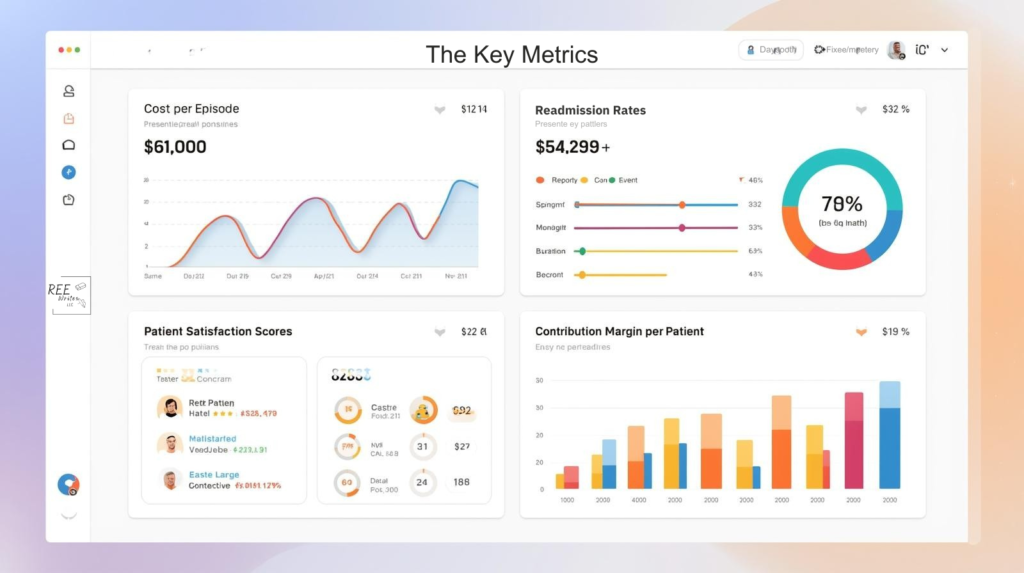
  • Cost per episode: What does it actually cost you to manage one hospital-at-home patient from admission to discharge? Track this ruthlessly. Break it down by component: labor, supplies, technology, overhead.
  • Readmission rates: Hospital-at-home programs typically achieve 8 to 12% 30-day readmission rates versus 15 to 18% for traditional hospital care. If your program doesn’t beat facility-based benchmarks, you have a quality problem.
  • Patient satisfaction: CMS increasingly ties reimbursement to patient experience scores. Hospital-at-home programs score 15-20 points higher on patient satisfaction versus facility care. That’s your competitive advantage.

Structure pilot programs that generate defensible data. Work with 2 to 3 health systems willing to share financial and outcomes data transparently. You need to prove your technology improves margins, not just clinical outcomes.

The difference between utilization metrics and profitability metrics: lots of patients using your platform means nothing if each one loses money. Focus on contribution margin per patient. When does that number go positive? What’s the path to 40 to 50% gross margins?

The 3 to 5 Year Platform Expansion Strategy

Once you’ve proven your core model works and generates positive margins, you can think bigger. The next phase is about expanding beyond your initial use case.

From point solution to platform

Bessemer’s State of Health AI report describes “supernova” companies that achieve 6-10x growth trajectories by expanding from single point solutions into comprehensive platforms. Ambient scribes became full clinical documentation suites. Prior authorization tools became complete utilization management platforms.

The pattern:

  1. Start with a painful, well-defined problem.
  2. Solve it better than anyone else.
  3. Expand into adjacent workflows that touch the same users.

For hospital-at-home technology, that might mean starting with post-surgical patients recovering at home. Prove you can manage that population safely and profitably. Then expand to heart failure management, COPD exacerbations, cellulitis treatment, chemotherapy administration.

Each expansion requires clinical validation and new reimbursement navigation. But your core technology infrastructure of monitoring, triage, care coordination, documentation stays largely the same.

Value-based care integration timeline

Source: Activated Insights

Hospital-at-home is a wedge into value-based care contracts, not just fee-for-service reimbursement. Accountable Care Organizations (ACOs) and Medicare Advantage plans care deeply about reducing avoidable hospitalizations. If your platform keeps patients out of expensive facility-based care, ACOs will pay for it.

But commercial adoption lags Medicare by 18 to 24 months historically. Don’t expect widespread MA plan adoption until 2027 to 2028, even with favorable hospital-at-home policy.

Self-insured employers represent a faster path to commercial revenue. Large employers pay directly for employee healthcare. When they see data showing hospital-at-home reduces costs by 30-40% versus facility admissions, they’ll write checks. Companies like Cubby, who secured $63 million in Series A funding led by Guggenheim Partners, are targeting this employer market specifically for in-home care solutions.

To position for risk-bearing contracts in years 3 to 5, you need data infrastructure now. Start collecting outcomes data, cost data, and patient experience data from day one. Value-based contracts require you to prove your intervention changes total cost of care—not just that patients like your service.

Decision Framework for Health Tech Boards

If you’re a founder presenting hospital-at-home strategy to your board, or a board member evaluating your company’s approach, here are the right questions to ask.

5 questions your board should ask right now

  1. What percentage of our revenue depends on waiver-specific reimbursement? If it’s above 50%, you have concentration risk. Diversify your payer mix and care settings.
  2. If the waiver expires in 5 years, what’s our Plan B business model? You should have a concrete answer. Can you pivot to post-acute care? Palliative care? Chronic disease management? If the answer is “we’re screwed without waivers,” you’re not building a durable company.
  3. Are we building technology that creates value in multiple care settings? The best health tech platforms work across hospital-at-home, skilled nursing, home health, and ambulatory settings. Flexibility equals durability.
  4. How quickly can we prove margin-positive unit economics? If you can’t show positive contribution margin by month 24, extending the timeline to month 36 won’t magically fix the problem. You have a business model issue, not a scale issue.
  5. What’s our competitive moat if 10 other startups get this same 5-year runway? Policy tailwinds create competition. What’s your defensible advantage? Clinical outcomes data? Payer relationships? Technology that’s genuinely better, not just first to market?

Investor perspective on policy-dependent businesses

Source: WallStreetMojo

VCs underwrite regulatory risk by discounting valuations and requiring faster paths to profitability. A pure software company might get 7-10 years to reach profitability. A health tech company with policy dependency gets 3-5 years maximum.

The valuation discount for waiver-dependent revenue can be brutal. Health tech companies trade at 10-20% below cloud software comparables—and that’s before factoring in temporary policy risk.

Some investors love policy tailwinds. They want to ride the wave while it’s building. Others avoid policy-dependent businesses entirely, no matter how attractive the market opportunity looks.

Position your pitch carefully. Are you policy-enabled (taking advantage of favorable reimbursement to scale faster) or policy-dependent (can’t exist without specific waivers)? The former gets funded at reasonable valuations. The latter struggles.

What I Wish Existed When I Was a Caregiver

Let me bring this back to why any of this matters. The technology decisions health tech founders make over the next 24 months will determine what tools families like mine have access to in 2026 and beyond.

The gap between technology capability and real-world reliability

Source: Aptiva Medical

My husband’s Dexcom continuous glucose monitor worked beautifully—when it synced properly. The app sent alerts to my phone whenever his blood sugar went dangerously high or low. That device probably saved his life multiple times.

But it only worked because the technology was reliable:

  • The sensor stayed attached.
  • The Bluetooth connection held.
  • The app didn’t crash.

I’ve seen hospital-at-home platforms that look impressive in demos but break under real caregiver stress. The dashboard shows beautiful data visualizations—but requires three different logins to access. The monitoring devices pair easily in the clinic—but fail when WiFi is weak in rural areas.

Care coordination platforms often assume 24/7 nurse availability. They don’t account for the reality that small hospital-at-home programs can’t staff round-the-clock coverage.

Build for the worst-case scenario, not the ideal one.

Building for the sandwich generation managing multiple conditions

Source: Graying with Grace

My husband had 10 doctors. Ten! A primary care physician, nephrologist, endocrinologist, oncologist, cardiologist, and five other specialists. Your platform needs the capability to handle that complexity.

Nobody coordinated between them. I was the coordination layer. I maintained a spreadsheet with all his medications—drug names, dosages, prescribing doctors, reasons for taking them, refill schedules. The nurses loved my spreadsheet because their systems couldn’t give them the same view.

Insurance coordination created endless frustration. My employer’s insurance was primary while Medicare was secondary. Every billing department called me multiple times to confirm this. I explained the same thing to the hospital billing office, the lab, the imaging center, the pharmacy.

Your hospital-at-home platform should automate this nightmare. Pull medication lists from multiple prescribers. Flag potential drug interactions. Coordinate insurance claims automatically. Don’t make family caregivers become project managers.

Why I care about this 5-year window

Families like mine in 2026 deserve better than what I had in 2016.

The technology exists now, and the clinical models work. The question is implementation and sustainability.

Health tech founders have a moral obligation beyond shareholder returns. Yes, you need to build a profitable business and generate returns for your investors. But you’re also building tools that will serve people during the most vulnerable moments of their lives.

This isn’t about making a quick buck off temporary Medicare waivers then exiting before they expire. It’s about building something that lasts. Something that works. Something that actually helps families manage impossible complexity.

When you’re making technology decisions over the next 24 months, remember: real people will rely on what you build. Build something worthy of that trust.

The Path Forward

The proposed 5-year extension for hospital-at-home waivers isn’t a guarantee. It’s a window.

What you build in the next 24 months determines whether your company survives beyond 2030—regardless of what happens with federal policy.

The smartest founders build technology that creates value across multiple reimbursement scenarios. Focus on margin-positive unit economics. Solve real problems for real families—the kind of problems I faced as a caregiver managing impossible complexity across disconnected systems.

  • Start with the unsexy AI that makes programs profitable: revenue cycle management, clinical documentation, coding accuracy. These aren’t sexy pitch deck slides, but they generate cash flow.
  • Build your minimum viable stack around care orchestration and monitoring that works when human resources are constrained. Health systems can’t hire infinite nurses. Your technology needs to make existing staff dramatically more productive.
  • Structure pilot programs that generate defensible ROI data within 6 months. You need proof points for your next fundraise and for health system expansion.
  • Stress-test your business model. If hospital-at-home waivers expire in 2030, what’s Plan B? If you don’t have a good answer, you’re building on quicksand.

Five years is enough time to build something durable if you start with the right foundation. It’s not nearly enough time if you’re building for a policy moment instead of a market need.

The families who need hospital-at-home can’t wait for perfect policy clarity. They need technology that works today and keeps working tomorrow. So build for that reality.

Want to discuss your hospital-at-home technology strategy? Connect with me on LinkedIn or explore more health tech analysis at reewrites.com.


References

Bessemer Venture Partners. (2026). State of Health AI 2026. Retrieved from https://www.bvp.com/atlas/state-of-health-ai-2026

Fox, A. (2026). 2026 House spending bill proposes 2-year telehealth and 5-year hospital-at-home waiver extensions. Healthcare IT News. Retrieved from https://www.healthcareitnews.com/news/2026-house-spending-bill-proposes-2-year-telehealth-and-5-year-hospital-home-waiver-extensions

Gardner, S. & Hooper, K. (2026). Health tech panel to reboot after a long break. Politico Pulse. Retrieved from https://www.politico.com/newsletters/politico-pulse/2026/01/21/health-tech-panel-to-reboot-after-a-long-break-00737790

Gonzales, M. (2026). Proposed Funding Package Would Extend Hospital-at-Home Program, Medicare Telehealth Flexibilities. Home Health Care News. Retrieved from https://homehealthcarenews.com/2026/01/proposed-funding-package-would-extend-hospital-at-home-program-medicare-telehealth-flexibilities/

Stock Titan. (2026). Cubby secures $63 million in Series A funding round led by Growth. Retrieved from https://www.stocktitan.net/news/GS/cubby-secures-63-million-in-series-a-funding-round-led-by-growth-ikgye2ab40md.html

Zanchi, M. G. (2026). AI Journal. The “unsexy” revolution within healthcare AI. Retrieved from https://aijourn.com/the-unsexy-revolution-within-healthcare-ai/


Best Subscription Boxes for Caregivers: Self-Care Delivered to Their Doorstep

Best Subscription Boxes for Caregivers: Self-Care Delivered to Their Doorstep

Caregiving

Caregivers often experience high levels of stress, emotional burnout, and physical exhaustion. According to a 2024 report by SeniorLiving.org, 43% of family caregivers report sleeping difficulties, and 36% report feelings of depression. 

Have you ever wondered how to show support for the caregivers in your life? Or perhaps you’re a caregiver yourself, looking for ways to practice self-care amidst your demanding responsibilities? 

Subscription boxes can address these issues by providing tools for relaxation, stress relief, and self-care. These thoughtfully curated boxes can help prevent burnout, promote mental health, and provide much-needed resources for those who dedicate their lives to caring for others.

In this comprehensive guide, we’ll explore six of the best subscription boxes designed specifically for caregivers. Each option offers unique features to support different aspects of caregiving, from stress relief to practical assistance. 

Contents

More Than Just a Package

Gifts sitting on a couch
Source: Styled Stock Society

Caregiver subscription boxes are curated packages designed specifically to address the unique needs and challenges faced by those who dedicate their time to caring for others. These boxes typically contain a mix of practical items, self-care products, and resources tailored to support caregivers in their daily lives.

These boxes offer more than just products; they provide a tangible form of support and recognition for caregivers. For example, TheraBox includes therapeutic items like aromatherapy oils, which have been associated with reduced anxiety levels in caregivers.

Many subscription services also offer online communities where subscribers can connect with other caregivers. This can help combat feelings of isolation, which are common among caregivers. According to the SeniorLiving.org report, 65% of caregivers haven’t participated in support groups, but those who have preferred online forums and Facebook groups.

Different types of subscription boxes 

Woman resting in the bathtub
Source:Styled Stock Society

There’s a wide variety of caregiver subscription boxes available:

  • Practical support boxes with caregiving supplies (TakeTimeCare Respite)
  • Self-care boxes with relaxation and pampering items (TheraBox, Bath Bevy)
  • Educational boxes with resources and information
  • Mental health-focused boxes with stress-relief tools (Calm Box, HopeBox)
  • Specialized boxes for specific caregiving situations (e.g., dementia care, such as Caregiver Candle Co.)

By delivering these items regularly, subscription boxes ensure caregivers have ongoing access to resources that can help them manage their stress and maintain their well-being.

Pricing and value comparisons of different boxes

Prices for caregiver subscription boxes can vary widely. Here’s a comparison of some popular options.

Subscription BoxPrice (Monthly)Number of ItemsFocus
TheraBox$34.996 to 8Self-care and happiness
Bath Bevy$43.215 to 7Bath and body products
TakeCareTime Respite Box$45.00 (bi-monthly)VariesCaregiver respite

The value of these boxes extends beyond their monetary worth. They provide convenience, emotional support, and a regular reminder for caregivers to prioritize their well-being.

Psychological benefits of caregiver subscription boxes

Subscription boxes offer more than just physical products; they can have significant psychological benefits for caregivers.

Receiving a subscription box can create a sense of anticipation and excitement, providing a bright spot in what can often be a challenging routine. This element of surprise can trigger the release of dopamine, (a neurotransmitter associated with pleasure and reward) potentially improving mood and reducing stress.

Unboxing a subscription package can become a ritual of self-care and a moment of personal indulgence. It’s a time when caregivers can focus on themselves, even if just for a few minutes. 

The Best Subscription Boxes for Caregiver Wellness

Here are some of the best subscription boxes designed to support caregivers in their journey.

1. TheraBox

TheraBox is a self-care subscription box curated by therapists that promotes happiness and reduces stress through neuroscience and positive psychology research. It’s perfect for caregivers to prioritize their mental health and well-being.

Source: TheraBox

  • Monthly box filled with 6 to 8 full-size wellness products
  • Includes one happiness-boosting activity
  • Products focus on aromatherapy, natural/organic skincare, and mindful living
ProsCons
Therapist-curated itemsHigher price point
Full-size productsMay not suit all personal preferences
Emphasis on mental health

Use cases

  • A caregiver dealing with high-stress levels can use aromatherapy products for relaxation.
  • The included mindfulness activities can help a caregiver develop a regular self-care routine.

To learn more, go to:

2. HopeBox 

HopeBox Classic is a seasonal subscription box curated to provide comfort and encouragement to caregivers and those facing challenging times. Each box contains a thoughtfully selected assortment of high-quality items designed to promote self-care and emotional well-being, reduce anxiety and inspire hope.

Source: Cratejoy.com
  • 10+ quality treasures in every seasonal shipment
  • Includes books, aromatherapy, jewelry, candles, organic soaks, scrubs, and masks
  • Personal message of hope in every box
  • New seasonal boxes released 5 times a year
ProsCons
Diverse range of self-care productsHigher price point
Seasonal themes for timely supportLimited customization options
Full-sized productsQuarterly shipments may not be frequent enough for some

Use cases

  • A family caregiver can use the items for regular self-care rituals to prevent burnout.
  • Inspirational items can provide emotional support for someone going through a difficult time.

To learn more, go to:

3. Calm Box

The Calm Box is designed to promote relaxation and stress relief, making it an excellent choice for caregivers dealing with high levels of anxiety or burnout.

Source: Calm Box

  • Bi-monthly subscription box focused on relaxation and mindfulness
  • Includes items like aromatherapy products, teas, and mindfulness tools
  • Curated by mental health professionals
ProsCons
Focuses on stress reliefBi-monthly delivery may not be frequent enough for some
Professional curationMay overlap with other self-care boxes
Variety of relaxation techniques

Use cases

  • A caregiver experiencing burnout can use the box contents to create a calming bedtime routine.
  • The mindfulness tools can help a caregiver practice stress management throughout their day.

To learn more, go to:

4. TakeCareTime Respite Box

The TakeCareTime Respite Box offers a monthly dose of self-care and relaxation, designed to give caregivers a much-needed break from their responsibilities.

Source: TakeCareTime

  • Monthly subscription box focused on caregiver relaxation
  • Includes spa-like products, stress-relief items, and self-care activities
  • Option to add personalized notes or affirmations
ProsCons
Encourages regular self-careMay be seen as a luxury by some caregivers
High-quality relaxation productsDoesn’t address practical caregiving needs
Personalization options available

Use cases

  • A caregiver can use the box contents to create a weekly “me-time” ritual.
  • The stress-relief items can be used during short breaks throughout the day.

To learn more, go to:

5. Caregiver Candle Co. 

Caregiver Candle Co. offers a unique subscription that combines aromatherapy with caregiver-specific affirmations and support.

Source: Caregiver Candle Co.

  • Monthly delivery of hand-poured, natural soy candles
  • Each candle features a caregiver-focused affirmation or quote
  • Scents designed to promote relaxation and stress relief
ProsCons
Combines aromatherapy with emotional supportLimited to candles only
Natural, high-quality ingredientsMay not appeal to those who don’t use candles
Caregiver-specific messaging

Use cases

  • A caregiver can light the candle during their evening wind-down routine.
  • The affirmations can serve as daily reminders of the importance of self-care.

To learn more, go to:

6. Bath Bevy

Perfect for caregivers who find solace in a relaxing bath, this subscription sends 5-7 bath and body products monthly.

Source: Cratejoy.com

Bath Bevy’s Tubless subscription is a monthly box designed for those who prefer shower-based self-care. It delivers a curated selection of handmade bath and body products that don’t require a bathtub, making it perfect for caregivers with limited time or access to a bath.

  • 5 to 7 handcrafted bath and body items per month
  • Products include shower steamers, body scrubs, lotions, and more
  • Themed boxes with seasonal variations
  • Made in the USA by small-batch indie brands
ProsCons
Suitable for those without bathtubsMay have less variety than bath-focused boxes
High-quality, artisanal productsMonthly subscription might be too frequent for some
Supports small businesses

Use cases

  • A busy healthcare worker can use the shower steamers for quick aromatherapy sessions between shifts.
  • A caregiver can incorporate the body care products into a nightly self-care routine to unwind after a long day.

To learn more, go to:

Selecting the Perfect Subscription Box for Your Caregiving Journey

Woman tying a ribbon over gifts
Source: Styled Stock Society

Choosing the right subscription box can make a significant difference in your caregiving experience. 

When choosing a subscription box, consider the specific needs and preferences of the caregiver. Some may benefit more from practical supplies, while others might need a regular reminder to prioritize self-care. Many of these subscriptions offer customization options or the ability to change or cancel the subscription, allowing for flexibility as needs change over time.

Here’s how to find the perfect fit for your needs.

Assessing personal needs and preferences

Start by asking yourself:

  • What aspects of caregiving do I find most challenging?
  • What types of self-care activities do I enjoy?
  • Do I need more practical supplies or emotional support?

Your answers will guide you towards the most suitable subscription box.

Factors to consider when choosing a subscription box

Nurse shows her patient a tablet on the couch

  1. Content: Look for boxes that align with your specific caregiving situation and personal interests.
  2. Frequency: Consider whether you prefer monthly, bi-monthly, or quarterly deliveries.
  3. Customization options: Some services allow you to tailor the box contents to your needs.
  4. Additional resources: Check if the subscription includes access to online communities or educational materials.

Budget-friendly options

If cost is a concern, consider these strategies:

  • Look for boxes that offer discounts for longer subscription commitments.
  • Explore less frequent delivery options (bi-monthly or quarterly).
  • Consider sharing a subscription with another caregiver to split costs.

Customization and flexibility 

Many subscription services understand that caregiving needs can change over time. This flexibility allows you to adjust your subscription as your caregiving journey evolves.

Reading reviews and recommendations from other caregivers

Before committing to a subscription, take time to read reviews from other caregivers. Their experiences can provide valuable insights into the quality and usefulness of different boxes. Look for reviews on the company’s website, social media platforms, and independent review sites.

Beyond the Box: Additional Resources for Caregivers

While subscription boxes can provide valuable support, they’re just one piece of the puzzle. Here are some other resources caregivers should consider:

Maximize the emotional benefits of subscription boxes

To get the most out of your subscription box:

  1. Set aside dedicated time to unbox and explore the contents.
  2. Use the items mindfully, focusing on the sensory experience.
  3. Share your experience with other caregivers or loved ones.
  4. Incorporate the box’s items or activities into a regular self-care routine.

Conclusion

Caregivers are the unsung heroes of our communities, providing compassionate support often without recognition. Subscription boxes offer a small but meaningful way to acknowledge their incredible work. By investing in these carefully curated packages, caregivers can find moments of relief, joy, and personal connection, and we acknowledge their hard work, dedication, and the critical role they play in healthcare and family support systems.

Ultimately, these subscription boxes serve as more than just a collection of products. They’re a lifeline of support, a regular reminder that someone cares, and a practical way to address the often-overlooked needs of caregivers. Whether you’re a caregiver yourself or looking to support one in your life, consider how these subscription boxes might provide the ongoing care and appreciation that caregivers so richly deserve.

References

Fabian-Weber, N. (2024). 16 support groups for caregivers that offer connection, help and hope. Care. Retrieved from https://www.care.com/c/caregiver-support-groups/

National Alliance for Caregiving. (2023). Resources. Retrieved from https://www.caregiving.org/resources/

Shuman, T. (2024). Family Caregiver Annual Report and Statistics 2024. Senior Living.org. Retrieved from https://www.seniorliving.org/research/family-caregiver-report-statistics/

Medicare Benefits and Financial Support for Family Caregivers

Medicare Benefits and Financial Support for Family Caregivers

Caregiving

As the population ages and more people require care at home, they rely on family caregivers more and more. As of 2023, 42 million Americans provide unpaid care to an adult family member. While this care is invaluable, it often creates financial strain. 

Thankfully, various Medicare and government assistance programs can help ease this burden by providing financial support for family caregivers. 

Whether you’re new to caregiving or have been supporting a loved one for years, understanding these financial resources is paramount. So let’s explore the ways these programs can provide financial assistance to family caregivers.

Contents

Medicare Coverage for Family Caregivers

To effectively support family caregivers, it’s essential to understand how Medicare can provide indirect assistance through its coverage of home health services.

Home health nurse helps man walk

Medicare benefits that support family caregivers

Medicare, the federal health insurance program for people 65 and older and some younger individuals with disabilities, doesn’t directly pay family members to provide care. But it offers some benefits that cover specific home health services.

Medicare Part A and Part B may cover eligible home health services if the recipient needs part-time or intermittent skilled care and is considered “homebound,” such as:

  • Part-time skilled nursing care
  • Physical therapy
  • Occupational therapy
  • Speech-language pathology services
  • Medical social services
  • Part-time home health aide care (when receiving other skilled services)
  • Durable medical equipment and medical supplies

Denise M. Brown is Founder and CEO of The Caregiving Years Training Academy, a family caregiving agency that coordinates care across multiple systems. She says Medicare Part B reimburses for Caregiver Training, Community Health Integration Services and Principal Navigation Services

Family caregivers can receive these services on behalf of a Medicare beneficiary if that beneficiary cannot participate in care planning because of their illness.

Medicare’s Consumer-Directed Personal Assistance Program

The Consumer Directed Personal Assistance Program (CDPAP) lets individuals manage their own care through self-directed services. 

This program enables Medicaid beneficiaries to choose their own caregivers, including family members or friends, offering more flexibility compared to traditional home care services. 

Unfortunately, Medicare does not typically cover CDPAP because it is a Medicaid program, not a Medicare program.

Coverage limitations and eligibility requirements

Bert Hofhuis of Sovereign Boss in the UK says that many insurance plans, including Medicare and private insurance, have limitations on what they cover for in-home care. “For example, Medicare may cover some home health services but often does not cover custodial care.”

To be eligible for Medicare home health benefits, a beneficiary must meet certain qualifications:

  1. They must be under a doctor’s care and receiving services under a plan of care established and regularly reviewed by a doctor.
  2. A doctor must certify that they need intermittent skilled nursing care or physical therapy, speech-language pathology, or continued occupational therapy services.
  3. The home health agency providing services must be Medicare-certified.
  4. A doctor must certify that the beneficiary is homebound, meaning leaving home is a considerable and taxing effort.

Note that Medicare’s coverage for home health services is limited. For instance, it doesn’t cover 24-hour-a-day care at home, meals delivered to the home, or homemaker services when this is the only care needed.

Medicare’s application process

Medicare card and Rx closeup

To access Medicare home health benefits:

  1. Discuss your needs with your doctor. They can help determine if you qualify for home health services and can provide a referral.
  2. Choose a Medicare-certified home health agency. You can use Medicare’s Home Health Compare tool to find agencies in your area.
  3. The home health agency will schedule an appointment to talk about your needs and explain their services.
  4. The agency will keep your doctor updated on your care and will update your plan of care as needed.

While these services can provide some temporary relief, they don’t eliminate the need for family caregivers.

State-Specific Financial Assistance Programs

Beyond Medicare, various state-specific financial assistance programs can offer vital support to family caregivers, enabling them to receive compensation for their caregiving efforts.

Medicaid Self-Directed Care programs by state

While Medicare doesn’t directly pay family caregivers, many states offer Medicaid Self-Directed Care programs that allow beneficiaries to hire and pay family members as caregivers. These programs vary by state in terms of eligibility requirements and payment amounts.

For example, as of March 2024, all 50 states and D.C. have at least one program that provides assistance to elderly individuals living outside of nursing homes. A few examples:

State-specific caregiver compensation programs

Man holding Medicare card

Some states have implemented specific programs to compensate family caregivers. For instance, Oklahoma became the first state to pass an expansive tax credit for family caregivers in 2023. This trend might encourage other states to follow suit.

Home and Community Based Services (HCBS) waivers

HCBS waivers, also known as 1915(c) waivers, allow states to pay for care and support services for individuals residing outside of nursing homes. These waivers often cover personal care and chore services provided to elderly or disabled individuals living in their own homes or the homes of family members.

For example, Georgia offers two waiver options that help with home care: CCSP and SOURCE. Both waivers offer similar benefits and have similar eligibility requirements.

Local resources and support organizations

Local resources and support organizations can also provide valuable assistance to family caregivers, which may include:

  • Area Agencies on Aging
  • Local chapters of disease-specific organizations (Alzheimer’s Association)
  • Community centers and senior centers
  • Faith-based organizations

These organizations often offer resources, support groups, and sometimes even small grants or respite care services.

Direct Payment Programs for Family Caregivers

Beyond Medicare and tax benefits, several direct payment programs exist that can financially assist family caregivers, recognizing the crucial role they play in the care of their loved ones. 

Older man with white hair using tablet

Veterans Administration caregiver benefits

The Department of Veterans Affairs (VA) offers several programs that can pay family caregivers of eligible veterans:

  1. Program of Comprehensive Assistance for Family Caregivers (PCAFC): This program provides a monthly stipend, access to health care insurance, mental health services, and respite care for eligible veterans and their family caregivers.
  1. Veteran-Directed Care (VDC) Program: This program gives veterans a flexible budget for long-term services and supports that can be managed by the veteran or their family caregiver.
  1. Aid and Attendance (A&A) Benefits: This is an increased monthly pension amount for qualified veterans and survivors who require the aid and attendance of another person.

Long-term care insurance policies

70% of people over 65 require some type of Long-Term Services and Supports (LTSS), which is not covered under Medicare or most private health insurance plans.

However, some long-term care insurance policies allow payments to family caregivers. For example, The Colorado Respite Commission has programs and a webinar detailing how caregivers there can get paid for their in-home caregiving services.

If your loved one has a long-term care insurance policy, check with the insurance provider for details on whether it covers care provided by family members.

Social Security benefits for caregivers

Nurse helping woman get off couch with walker

While Social Security doesn’t directly pay benefits to caregivers, there are a few ways caregivers might benefit:

  1. Spousal Benefits: If you’re caring for a spouse who receives Social Security benefits, you may be eligible for spousal benefits.
  1. Disabled Adult Child Benefits: If you became disabled before age 22 and are now caring for a parent who receives Social Security, you might qualify for benefits on your parent’s record.
  1. Supplemental Security Income (SSI): If you’re providing care and have limited income and resources, you might be eligible for SSI.

Personal care agreements

A personal care agreement is a contract between a family caregiver and their loved one that details the care provided and the payment for those services. While not a government program, this formal arrangement can help protect a senior’s eligibility for Medicaid and provide legal compensation for the caregiver.

Tax Benefits and Credits for Family Caregivers

Family caregivers may also find relief through tax benefits and credits that can help offset the costs associated with providing care for their loved ones.

The coordination of benefits between private insurance and Medicare/Medicaid is something Shawn Plummer, CEO of The Annuity Expert educates his customers about. For example, he explains that determining the primary and secondary payers can help maximize coverage and minimize out-of-pocket expenses. Additionally, exploring supplemental insurance options can fill gaps not covered by primary insurance plans.

Nurse with elderly man making crafts

Federal tax deductions

Caregivers may be eligible for several federal tax deductions:

  1. Medical expenses
  2. Dependent Care Credit 
  3. Head of Household status

Medical expense deductions

You can include various medical expenses in your itemized deductions, such as:

  • Payments for diagnosis, cure, mitigation, treatment, or prevention of disease
  • Transportation to medical care
  • Long-term care services
  • Insurance premiums for long-term care insurance (subject to limitations)

You can only deduct the amount of your total medical expenses that exceed 7.5% of your adjusted gross income. This can include expenses you pay for a qualifying relative.

Dependent care credits

Mother with sick child on couch and red laptop - pediatric telehealth

The Child and Dependent Care Credit can be claimed if you paid expenses for the care of a qualifying individual to enable you (and your spouse, if filing jointly) to work or actively look for work. If you’re caring for a spouse or dependent who is physically or mentally incapable of self-care, you might qualify for this credit.

For 2024, the credit is up to $3,000 of expenses for one qualifying individual or $6,000 for two or more qualifying individuals.

Head of household status

If you’re single and paying more than half the cost of keeping up a home for a qualifying person, you may be able to file as head of household, which comes with a higher standard deduction and lower tax rates.

State-specific tax benefits

Some states offer additional tax benefits for caregivers. For example:

  • Oregon offers a credit for elderly care expenses.
  • Maryland has a Long-Term Care Insurance Premium Tax Credit.
  • Montana provides a credit for elderly care expenses for certain low-income individuals.

More tips to navigate complex insurance hurdles

Calculator

Dr. Caryn McAllister of High Quality Therapy, Hofhuis and Plummer share more tips to navigate complex insurance issues:

  • Understand the specifics of health insurance policies: Ask questions about things you don’t understand, and “seek plans that cover in-home care services, medical supplies, and home modifications to be prepared,” says Hofhuis. “It’s essential to review policy details and consider supplemental insurance to cover gaps.” 
  • Take notes: “When dealing with insurance representatives on the phone, always write down the name of the person you speak with, information regarding the call and a reference for the call. Write everything down and email as much as possible so you have proof of everything,” Dr. Allister says.
  • Use HSAs and FSAs: When available, Plummer and Hofhuis recommend using HSAs and Flexible Savings Accounts (FSAs), which can provide tax-advantaged funds that can be used for medical expenses, including caregiving costs.
  • Plan for long-term care: Consider purchasing long-term care insurance early to cover potential future caregiving needs.
  • Keep records for tax purposes: Keep detailed records of caregiving expenses, as some may be tax-deductible, potentially easing your financial burden, Plummer and Hofhuis concur. 

Always check with your state’s tax authority or a tax professional for the most up-to-date information on state-specific tax benefits.

Additional Financial Support Resources

In addition to direct payments and tax benefits, there are numerous financial support resources available that can provide caregivers with much-needed assistance and respite. 

Respite care funding

Respite care provides temporary relief for primary caregivers. You may be able to access funding for respite care through:

  • National Family Caregiver Support Program (NFCSP)
  • State respite coalitions
  • Disease-specific organizations (Alzheimer’s Association)
  • Non-profit organization grants

Several non-profit organizations offer grants to caregivers. For example:

  • The Alzheimer’s Foundation of America offers grants for respite care.
  • The National Multiple Sclerosis Society provides grants for home modification and assistive technology.

Family leave benefits

The Family and Medical Leave Act (FMLA) provides eligible employees with up to 12 weeks of unpaid, job-protected leave per year to care for a spouse, child, or parent with a serious health condition. Some states have expanded on this with paid family leave programs.

Emergency financial assistance programs

In times of crisis, emergency financial assistance may be available through:

  • Local social services departments
  • Community action agencies
  • Faith-based organizations
  • Disease-specific organizations

Applying for Caregiver Compensation

The application process for caregiver compensation can be complex, but understanding the necessary steps can simplify the journey toward receiving financial support.

Nurse helps someone with a cane

Required documentation

When applying for caregiver compensation programs, you may need to provide:

  • Proof of the care recipient’s medical condition
  • Financial records
  • Caregiver qualifications
  • Detailed care plan
  • Proof of relationship to the care recipient

Eligibility assessment process

The eligibility assessment typically involves:

  1. Initial screening (often over the phone)
  2. In-home assessment by a social worker or nurse
  3. Review of medical records
  4. Financial eligibility determination

Application timeline expectations

The application process can vary widely depending on the program and your location. It can take anywhere from a few weeks to several months. Be prepared for potential delays and follow up regularly on your application status.

Appeals process information

If your application is denied, you usually have the right to appeal. The appeals process typically involves:

  1. Requesting a hearing within a specified timeframe (often 30-60 days)
  2. Submitting additional documentation
  3. Attending a hearing (in person or by phone)
  4. Receiving a written decision

Navigating these programs can be complex. Don’t hesitate to seek help from local aging services professionals or elder law attorneys to understand all options and eligibility requirements in your specific situation.

Being a family caregiver shouldn’t mean sacrificing your financial security. By taking advantage of Medicare benefits, state programs, and various financial assistance options, you can continue providing essential care while maintaining stability. Start by exploring the programs most relevant to your situation, and don’t hesitate to reach out to local aging services for guidance. Remember, investing time in understanding these resources today can lead to better support for both you and your loved one tomorrow.

References

Bouilier, S. (n.d.). Family Caregiver Compensation: Long Term Care Insurance. RubyWell. Retrieved from  https://www.rubywell.com/blog/does-long-term-care-insurance-pay-family-caregivers

Compensation For Caregiving. (n.d.). Colorado Respite Coalition. Retrieved from https://coloradorespitecoalition.org/family-caregivers/compensation-for-caregiving.php

Does Social Security Pay You to Take Care of a Family Member? (2024). HumanCare. Retrieved from  https://www.humancareny.com/blog/social-security-pay-you-to-take-care-of-a-family-member

Goad, K. (2024). Credit for Caring Act Offers Relief for Financially Strained Family Caregivers. AARP. Retrieved from https://www.aarp.org/caregiving/financial-legal/info-2024/credit-caring-act.html

Family Caregiver Services and Supports. (n.d.). The National Academy for State Health Policy. (NASHP). Retrieved from https://nashp.org/family-caregiver-services-and-supports/

Favreault, M., Dey, J., Anderson, L., Lamont, H., & Marton, W. (2023). Future Change in Caregiving Networks: How Family Caregivers and Direct Care Workers Support Older Adults Now and in the Future. Assistant Secretary for Planning and Evaluation. Retrieved from https://aspe.hhs.gov/sites/default/files/documents/a449863a8c93838d37f78ccf29e9231f/future-change-caregiving-networks.pdf

Financial Assistance for Caregivers of Elderly Parents. (2024). Regency Health Care. Retrieved from https://www.regencyhcs.com/blog/financial-assistance-for-caregivers-of-elderly-parents

Fletcher, K. (2022). Does Medicare Pay for a Caregiver? Oak St. Health. Retrieved from https://www.oakstreethealth.com/does-medicare-pay-for-a-caregiver-727397

How Much Care Will You Need? (2020). Administration for Community Living. Retrieved from https://acl.gov/ltc/basic-needs/how-much-care-will-you-need

How to Become a Paid Caregiver for a Family Member: 6 Steps to Uncovering Financial Assistance Options for Family Caregivers. (2023). Careforth. Retrieved from  https://careforth.com/blog/how-to-become-a-paid-caregiver-for-a-family-member-6-steps-to-uncovering-financial-assistance-options-for-family-caregivers/

Medicaid & Home Care: State by State Benefits & Eligibility. (2024). Paying for Senior Care. Retrieved from https://www.payingforseniorcare.com/medicaid-waivers/home-care

Reasons Medicare Doesn’t Cover CDPAP. (2024). Nautilus Senior Home Care. Retrieved from  https://www.nautilusshc.com/blog/reasons-medicare-doesnt-cover-cdpap

Schier-Akamelu, R. (2023). 2023 Caregiver Burnout and Stress Statistics. A Place for Mom. Retrieved from https://www.aplaceformom.com/senior-living-data/articles/caregiver-burnout-statistics

The Benefits of Caregiver Contracts: Ensuring Clarity and Boundaries. (2024). HumanCare. Retrieved from https://www.humancareny.com/blog/caregiver-contracts

The Program of Comprehensive Assistance for Family Caregivers. (n.d.). U.S. Department of Veterans Affairs. Retrieved from https://www.va.gov/family-and-caregiver-benefits/health-and-disability/comprehensive-assistance-for-family-caregivers/

Topic no. 602, Child and Dependent Care Credit. (n.d.). Internal Revenue Service. Retrieved from https://www.irs.gov/taxtopics/tc602

VA Caregiver Support Program: The Program of Comprehensive Assistance for Family Caregivers. (n.d.). U.S. Department of Veterans Affairs. Retrieved from https://www.caregiver.va.gov/support/support_benefits.asp

Why Doesn’t Medicare Cover CDPAP? (2024). Consumer Director Choices. Retrieved from https://www.cdchoices.org/2024/05/02/why-doesnt-medicare-cover-cdpap/

How to Find Respite Care: A Guide for Caregivers

How to Find Respite Care: A Guide for Caregivers

Caregiving

Are you a caregiver feeling overwhelmed and in need of a break? You’re not alone. Caring for a loved one can be rewarding, but it’s also demanding. According to the National Alliance for Caregiving, only 14% of family caregivers use respite services, often because they don’t know how to find respite care. 

Whether you need a few hours weekly or extended relief, this guide will walk you through the essential steps to find, arrange, and pay for quality respite care. This article will help you navigate the options and create a plan that works for both you and your loved one.

Contents

What is respite care?

Respite care provides temporary relief for primary caregivers, allowing them to take a break from their caregiving duties. This break can be short-term or extended, depending on the caregiver’s needs and the available services.

Health aide hanging up clothes in elderly woman's closet

Types of respite care

There are several types of respite care available:

  • In-home respite care
  • Adult daycare centers
  • Residential facilities offering short-term stays
  • Informal respite care from family and friends

Each type has its own benefits and considerations. For example, in-home respite care allows your loved one to remain in familiar surroundings, while adult daycare centers provide opportunities for socialization.

Benefits of respite care

Nurse with elderly man using toys for dexterity

Respite care offers numerous benefits for both caregivers and care recipients:

  1. Reduced stress and burnout for caregivers
  2. Improved mental and physical health
  3. Enhanced relationships between caregivers and care recipients
  4. Opportunities for socialization and new experiences for care recipients

A study in Taiwan found that caregivers who used in-home respite care for more than 14 days experienced a significant decrease in caregiver burden scores (Liao et al., 2022).

Policy initiatives such as the Recognize, Assist, Include, Support, and Engage (RAISE) Family Caregivers Act, the 2022 National Caregiver Strategy and the 2023 White House Executive Order (#14095) concur that respite is an essential component of caregiver support.

Assessing your respite care needs

Before you start looking for respite care services, it’s important to assess your needs and those of your loved one.

Aide helping woman put on pink sweater

Identify your caregiving responsibilities

Make a list of all the tasks you perform as a caregiver. This might include:

  • Personal care (bathing, dressing, grooming)
  • Medication management
  • Meal preparation
  • Transportation
  • Housekeeping
  • Emotional support

Determine the frequency and duration of respite care

How often do you need a break? For how long? Consider your personal commitments, health needs, and stress levels. Some caregivers benefit from regular, short breaks, while others may need occasional extended periods of respite.

Consider your loved one’s preferences and needs

What type of care would your loved one be most comfortable with? Do they have specific medical or personal care needs that require specialized attention? Involving your loved one in the decision-making process can help ensure a smoother transition to respite care.

Exploring respite care options

Now that you’ve assessed your needs, it’s time to explore the available respite care options in your area.

Nurse helping woman get off couch with walker

In-home respite care

In-home respite care involves a professional caregiver coming to your home to provide care. This option allows your loved one to remain in familiar surroundings while you take a break.

Adult daycare centers

Adult daycare centers provide care and companionship for older adults who need assistance or supervision during the day. These centers often offer activities, meals, and sometimes health services.

Residential facilities for short-term stays

Some assisted living facilities and nursing homes offer short-term stays for respite care. This option can be particularly helpful if you need an extended break or if your loved one requires round-the-clock care.

Informal respite care

Families with a child who has special care needs can feel left out and isolated. According to a recent study in Romania, this is because they often don’t have the energy to take part in social activities, or because friends may worry about being asked to help care for a child with complex needs (Hizanu et al., 2024).

Don’t overlook the potential for informal respite care from family members, friends, or community volunteers. While this option may not be suitable for all situations, it can provide valuable support and flexibility. Don’t assume they’ll say no.

Finding respite care providers

Once you’ve decided on the type of respite care that best suits your needs, it’s time to find providers in your area.

Nurse and a man in a wheelchair in the park

Research local options

Start by researching respite care providers in your community. You can:

  • Use online directories and search tools
  • Contact your local Area Agency on Aging
  • Ask for recommendations from healthcare providers or support groups

Evaluate provider qualifications and services

When considering a respite care provider, ask about:

  • Staff qualifications and training
  • Services offered
  • Availability and scheduling flexibility
  • Cost and payment options
  • Emergency procedures

Check references and reviews

Don’t hesitate to ask for references from other families who have used the service. Online reviews can also provide valuable insights, but remember to consider them as part of a broader evaluation.

Preparing for respite care

Proper preparation can help ensure a smooth transition to respite care for both you and your loved one.

Male nurse helps man in shorts into a wheelchair

Make a care plan

Develop a detailed care plan that includes:

  • Your loved one’s daily routine
  • Medication schedules
  • Dietary requirements
  • Emergency contact information
  • Any specific care instructions

Introduce your loved one to the idea of respite care

Talk to your loved one about respite care well in advance. Explain the benefits and address any concerns they may have. If possible, arrange a visit to the respite care facility or a meeting with the in-home caregiver before the actual respite period.

Prepare your home for in-home respite care

If you’re opting for in-home respite care, ensure your home is ready. This might involve:

  • Clearing space for the caregiver to work
  • Ensuring necessary supplies are easily accessible
  • Providing clear instructions on household routines and emergency procedures

Overcoming barriers to respite care

Despite its benefits, many caregivers face challenges in accessing or using respite care services.

Two sets of hands making a heart shape

Address financial concerns

Respite care can be expensive, but there are ways to manage the costs:

  • Check if your loved one’s insurance covers respite care
  • Look into government programs or grants for caregivers
  • Consider sliding scale fees offered by some providers
  • Explore community-based or volunteer respite care options

Deal with guilt and anxiety

Research by Hizanu et al (2024) included parents of children in hospice care that were anxious about leaving them with strangers. For respite care to work well, parents need to know details like the type of care, location, safety measures, and schedule. They also need to trust the care provider.

It’s common for caregivers to feel guilty or anxious about taking a break. Remember that respite care benefits both you and your loved one. Taking care of yourself allows you to be a better caregiver in the long run.

Overcoming resistance from your loved one

Your loved one may initially resist the idea of respite care. Be patient and:

  • Explain the benefits of respite care for both of you
  • Start with short periods of respite and gradually increase
  • Involve them in choosing the type of respite care when possible

Respite care isn’t one-size-fits-all. But it can help reduce the stress of caregiving if it’s tailored to the family’s needs.

Making the most of respite care

Once you’ve arranged respite care, it’s important to use this time effectively.

Aide hugging her patient in wheelchair

Set goals for your respite time

Think about what you want to achieve during your break. This might include:

  • Attending to your own health needs
  • Pursuing a hobby
  • Catching up with friends
  • Getting extra sleep

A study conducted in Japan found that family caregivers experienced reduced cardiac sympathetic nervous activity (less stress on their hearts) while asleep on the days they used short-stay respite services (Sakuri and Kohno, 2020). This suggests that regular use of such services can improve caregivers’ sleep quality and relaxation.

Practice self-care

Use your respite time to focus on self-care activities that rejuvenate you. This could involve exercise, meditation, or simply doing activities you enjoy.

The Hizanu study (2024) also found that respite care programs are helpful for parents of children with life-limiting illnesses or special needs, as well as their siblings. The main benefit for exhausted parents was getting time to relax and socialize without constant caregiving duties. 

Stay connected with your loved one

While it’s important to take a break, staying connected can help alleviate anxiety for both you and your loved one. Consider:

  • Scheduling check-in calls
  • Leaving notes or small gifts for your loved one
  • Asking the respite care provider for updates

Evaluating and adjusting respite care

After using respite care services, take time to evaluate the experience and make adjustments as needed.

Woman puts blanket on her mom

Assess the quality of care

Consider factors such as:

Communicate with respite care providers

Maintain open communication with your respite care provider. Share feedback, address any concerns, and discuss any changes in your loved one’s needs or care plan.

Adjust your respite care plan as needed

Be prepared to adjust your respite care plan over time. Your needs and those of your loved one may change, requiring modifications to the type, frequency, or duration of respite care.

Getting respite care is a vital step in maintaining your well-being as a caregiver. It provides much-needed breaks, reduces stress, and can improve the overall caregiving experience. 

Start by assessing your needs, exploring local options, and reaching out to organizations that can help with funding and placement. 

Self-care isn’t selfish–it’s essential for providing the best care possible to your loved one. With proper planning and support, you can find a respite care solution that works for both you and your loved one.

References

2022 National Support for Caregivers. (2022). Administration for Community Living. Retrieved from https://acl.gov/CaregiverStrategy

Hizanu, Dumitrache M., Boeriu, E., Tanasescu, S., Balan, A., Oprisoni, L.A., Popa, M.V., Gutu, C., Vulcanescu, D.D., Bagiu, I.C., Bagiu, R.V., Dragomir, T.L., Boru, C., Avram, C.R., & Duceac, L.D. (2024). Benefits of Respite Services on the Psycho-Emotional State of Families of Children Admitted to Hospice Palliative Care Unit: Preliminary Study on Parents’ Perceptions. Healthcare (Basel). doi: 10.3390/healthcare12070748

Liao, Y.H., Ku, L.E., Liu, L.F., & Li, C.Y. (2022). The Effects of In-Home Respite Care on the Burden of Caregivers in Taiwan. Journal of Applied Gerontology; 41(5):1283-1292. doi: 10.1177/07334648211073876 

Recognize, Assist, Include, Support, Engage (RAISE) Family Caregiver Act, United States House of Representatives, 115th Congress (Session 1) Sess (2017/2018).

Sakuri, S. & Kohno, Y. (2020). Effectiveness of Respite Care via Short-Stay Services to Support Sleep in Family Caregivers. International Journal of Environmental Research and Public Health; 17(7):2428. doi:10.3390/ijerph17072428

Essential Guide to Setting Healthy Boundaries as a Caregiver

Essential Guide to Setting Healthy Boundaries as a Caregiver

Caregiving

Have you ever felt overwhelmed, stressed, or burnt out from your caregiving responsibilities? If so, you’re not alone. According to the National Alliance for Caregiving, 42 million Americans serve as unpaid caregivers, and 36% report high emotional stress. That’s why it’s so important to learn about setting healthy boundaries as a caregiver.

While caregiving can be deeply rewarding, it often comes with unique challenges that can lead to burnout. As a caregiver, you’re probably familiar with the challenges of balancing your loved one’s needs with your own. Let’s explore the importance of setting caregiver boundaries and learn practical strategies to implement them effectively.

Content

Why Caregivers Need to Set Boundaries

Signs of caregiver burnout and compassion fatigue

Nurse helps someone with a cane

Caregiving can be emotionally and physically demanding, often leading to burnout if proper boundaries aren’t in place

Common signs of burnout include:

  • Exhaustion and overwhelm
  • Mood swings or irritability
  • Neglect of your own health and well-being
  • Withdrawal from social activities and relationships

How poor boundaries affect mental and physical health

Without proper boundaries, caregivers often experience negative effects on their mental and physical health. Research shows that caregivers who report high stress levels had a 63% higher mortality rate compared to non-caregivers. 

Poor boundaries can lead to:

  • Chronic stress and anxiety
  • Depression and feelings of hopelessness
  • Weakened immune system and increased susceptibility to illness
  • Sleep disturbances and fatigue

Common challenges caregivers face in setting limits

Setting boundaries can be difficult for many caregivers. You may feel:

  • Guilt about prioritizing personal needs
  • Fear of disappointing or upsetting the care recipient
  • Difficulty saying “no” to additional responsibilities
  • Lack of support from family members or healthcare providers

Benefits of establishing healthy boundaries

2 hands holding an elderly person's hand

Implementing healthy boundaries can have numerous positive effects on both the caregiver and the care recipient. Benefits include:

  • Reduced stress and improved mental health
  • Better physical health and increased energy levels
  • Improved quality of care for the recipient
  • Enhanced relationships with family members and healthcare teams

Essential Caregiver Boundaries

To help you establish and maintain healthy boundaries, let’s explore some key areas to consider.

Time management and scheduling boundaries

Nurse shows her patient a tablet on the couch

Effective time management is crucial for maintaining a healthy work-life balance as a caregiver. Consider implementing the following strategies:

  • Create a structured daily schedule
  • Set aside dedicated time for self-care activities
  • Use a calendar or planner to track appointments and tasks
  • Learn to say “no” to non-essential commitments

Financial boundaries and resource allocation

Managing finances can be a significant source of stress for caregivers. Establish clear financial boundaries with these tips:

  • Create a caregiving budget
  • Discuss financial expectations with family members
  • Explore available financial assistance programs
  • Consider a caregiver contract
  • Seek professional advice for long-term financial planning

Physical space and personal privacy limits

Maintaining personal space is essential for both the caregiver and care recipient. Consider the following:

  • Designate private areas in the home for both parties
  • Establish rules for respecting personal belongings
  • Set clear guidelines for visitors and social interactions
  • Create a safe space for the caregiver to retreat when needed

Emotional boundaries and mental health protection

Source: CareVoyant

To protect your emotional well-being as a caregiver follow these sustainable caregiving strategies:

  • Practice self-awareness and recognize your emotional limits
  • Set boundaries on emotional labor and support
  • Develop healthy coping mechanisms for stress
  • Seek professional help when needed

How to Set Boundaries Effectively

Next, let’s learn the practical steps for setting healthy and effective boundaries for caregiving.

Woman giving a sick person pills
Source: Karolina Grabowska

Decide your personal limits and non-negotiables

To set effective boundaries, you must first understand your own limits. Think about:

  • Your core values and priorities
  • The activities or responsibilities that cause you the most stress
  • What you need to maintain your physical and mental health

Once you’ve identified your limits, make a list of non-negotiable boundaries that you’re committed to maintain.

Use clear and direct communication techniques

Effective communication is key to setting and maintaining boundaries. Try these techniques:

  • Use “I” statements to express your needs and feelings
  • Be specific and clear about your boundaries
  • Practice active listening when discussing boundaries with others
  • Avoid blaming or accusatory language

Deal with guilt and resistance from others

Source: Sustainable Caregiving

It’s common to experience guilt or face resistance when setting boundaries. Here are some strategies to cope:

  • Remind yourself that boundaries are necessary for sustainable caregiving
  • Educate others about the importance of caregiver self-care
  • Seek support from other caregivers or professionals
  • Practice self-compassion and acknowledge your efforts

Create structured caregiving schedules

A well-structured schedule can help reinforce your boundaries:

  • Create a daily or weekly caregiving routine
  • Schedule regular breaks and respite care
  • Involve other family members in the caregiving schedule
  • Use technology to streamline tasks and reminders

Working with Family Members and Healthcare Teams

Once you establish your personal boundaries, the next step is to discuss them with your family members and healthcare providers. 

Divide and delegate responsibilities 

Person placing a cast on child's leg
Source: ThisisEngineering

Sharing caregiving duties can help prevent burnout and maintain healthy boundaries. Try these approaches:

  • Hold a family meeting to discuss caregiving responsibilities
  • Create a caregiving task list and assign roles based on individual strengths
  • Use online tools or apps to coordinate care among family members
  • Regularly reassess and adjust responsibilities as needed

Communicate boundaries to healthcare providers

Nurse helps older man off his couch

Clear communication with healthcare providers is essential for effective care. Some tips:

  • Prepare a list of questions and concerns before appointments
  • Express your limitations and needs as a caregiver
  • Ask for clarification on care instructions and expectations
  • Discuss options for respite care or additional support

Manage expectations with siblings and relatives

Family dynamics can complicate caregiving. To manage expectations:

  • Be open and honest about your limitations
  • Encourage family members to contribute in ways that suit their abilities
  • Set realistic expectations for care and family involvement
  • Address conflicts or disagreements promptly and respectfully

Build a support network and backup system

A strong support network is crucial for maintaining boundaries. Consider:

Getting Professional Support

This section discusses some professional healthcare options to consider.

Research respite care options

Respite care is a program that temporarily pays for care when family caregivers need to take a break or a short trip, and can be found via:

  • In-home respite care
  • Adult daycare centers
  • Short-term residential care facilities
  • Family and friends

Explore other caregiver support services

Nurse smiles at lady in wheelchair

Many organizations offer support services for caregivers:

  • Caregiver training and education programs
  • Home health aide services
  • Meal delivery and transportation assistance
  • Legal and financial counseling

Work with counselors or therapists

Therapist talking to teenager and their mom
Source: Vitaly Gariev

Professional mental health support can be invaluable for caregivers. 40% to 70% of family caregivers report having clinical depression. Some ways to cope include:

  • Individual therapy for stress management and coping skills
  • Family counseling to address caregiving dynamics
  • Cognitive-behavioral therapy (CBT) for managing anxiety or depression
  • Support groups led by mental health professionals

Find local caregiver support groups

Connecting with other caregivers can provide emotional support and practical advice:

  • Check with local hospitals or community centers for support groups
  • Search online for virtual support groups
  • Explore condition-specific organizations (for example, Alzheimer’s Association)
  • Ask healthcare providers for recommendations

Maintaining Boundaries Long-term

Regular boundary check-ins and adjustments

Boundaries may need to evolve as caregiving needs change. Plan by using:

  • Monthly self-assessments of your current boundaries
  • Open discussions with family members about boundary effectiveness
  • Adjustments to boundaries based on changing circumstances
  • Celebrations of successes in maintaining healthy limits

What to do when someone violates your boundaries 

When someone crosses your boundaries, here’s how to address it right away:

  • Restate your boundary and explain its importance
  • Use “I” statements to express how the violation affects you
  • Offer alternative solutions or compromises when appropriate
  • Be consistent in enforcing consequences for repeated violations

Self-care strategies and stress management

Pregnant woman sitting on map outside meditation
Source: Styled Stock Society

Prioritizing self-care is essential for long-term boundary maintenance:

How to adjust boundaries when caregiving routines change

Be prepared to adjust your boundaries as circumstances evolve:

  • Assess the care recipient’s changing needs
  • Communicate with healthcare providers about care plan updates
  • Involve family members in discussions about boundary modifications
  • Seek professional advice when facing significant changes in care requirements

Whether you’re caring for an aging parent, a child with special needs, or a partner with health challenges, learning to establish and maintain boundaries can help you provide better care while protecting your own well-being.

Setting and maintaining boundaries as a caregiver isn’t selfish – it’s smart and necessary. you can create a sustainable caregiving arrangement by establishing clear limits, communicating your needs, and prioritizing self-care. 

Identify one boundary you need to set, and make a plan to clearly communicate it. Start small, be consistent, and remember that healthy boundaries lead to better care for both you and your loved one. 

References

8 ways for caregivers to balance work and family. (2023). Randstad. Retrieved from https://www.randstad.com.sg/career-advice/tips-and-resources/8-ways-caregivers-balance-work-family-caregiving/

Alexy, J. (2018). How to set boundaries as a caregiver. Áegis Living. Retrieved from https://www.aegisliving.com/resource-center/set-boundaries-as-a-caregiver/

Caregiving in the U.S. 2020. (2020). National Alliance for Caregiving and AARP.  Washington, DC: AARP. Retrieved from https://press.aarp.org/2020-5-14-Caregiving-in-the-US-Report

Compassion Fatigue: Why It’s Important to Recognize. (n.d.). California Caregiver Resource Centers. Retrieved from https://www.caregivercalifornia.org/2023/04/03/compassion-fatigue-why-its-important-to-recognize/

Could You Benefit from Counseling? (2022). Caring Together Santa Barbara County. Retrieved from https://fsacares.org/counseling-fore-caregivers/

Help! I need a break! How can I find respite care? (n.d.). Family Caregiver Alliance. Retrieved from https://www.caregiver.org/faq/help-i-need-a-break-how-can-i-find-respite-care/

Madison. (2019). How to Set Boundaries with Your Aging Parents. MeetCaregivers. Retrieved from https://meetcaregivers.com/setting-boundaries-with-difficult-elderly-parents/

Maintaining Boundaries as a Caregiver: Go From Guilt to Glow. (n.d.). Mental Health America. Retrieved from https://mhanational.org/maintaining-boundaries-caregiver-go-guilt-glow

Navigating Mental Health Challenges in Home Care Patients: A Guide for Caregivers. (n.d.). Retrived from https://www.carevoyant.com/home-health-blog/navigating-mental-health-challenges-in-home-care-patients

Schier-Akamelu, R. (2023). 2023 Caregiver Burnout and Stress Statistics. A Place for Mom. Retrieved from https://www.aplaceformom.com/senior-living-data/articles/caregiver-burnout-statistics

The Benefits of Caregiver Contracts: Ensuring Clarity and Boundaries. (2024). HumanCare. Retrieved from https://www.humancareny.com/blog/caregiver-contracts

What is Respite Care? (n.d.). U.S. Department of Veterans Affairs. Retrieved from https://www.va.gov/geriatrics/pages/Respite_Care.asp

Wilbanks, T. (n.d.). Empowered Caregiver Support System. Sustainable Caregiving. Retrieved from https://www.sustainablecaregiving.com/empowered-caregiver-support-system/

Wilbanks, T. (n.d.). Sustainable Caregiving: Boundaries. Sustainable Caregiving. Retrieved from https://sustainablecaregiving.com/sustainable-caregiving-boundaries/

Woodruff, L. (2024). How to Set Boundaries as a Family Caregiver. AARP. Retrieved from https://www.aarp.org/caregiving/basics/info-2024/caregiver-boundaries.html