Did you know that AI-assisted surgeries can reduce post-operative complications by up to 41%? And that’s just the beginning. Today’s healthcare is getting smarter, and it’s all thanks to artificial intelligence.
Imagine waking up from surgery to find a robot monitoring your vital signs and an AI system crafting your recovery plan. Sounds like science fiction, right?
From personalized rehab plans to virtual reality (VR) exercises, you can use AI to recover from surgery, making healing faster, safer, and less stressful.
Curious about how this tech might help you or your loved ones bounce back after an operation? Let’s dive into five AI tools reshaping post-op care. These aren’t just gadgets – they’re your new health allies, working around the clock to get you back on your feet.
Adjusts treatment based on patient survey feedback
Tracks long-term recovery outcomes
Pros
Cons
Personalized care
Requires consistent data input
Improves recovery rates
May need regular software updates
Saves time for healthcare providers
Initial cost can be high
Use case
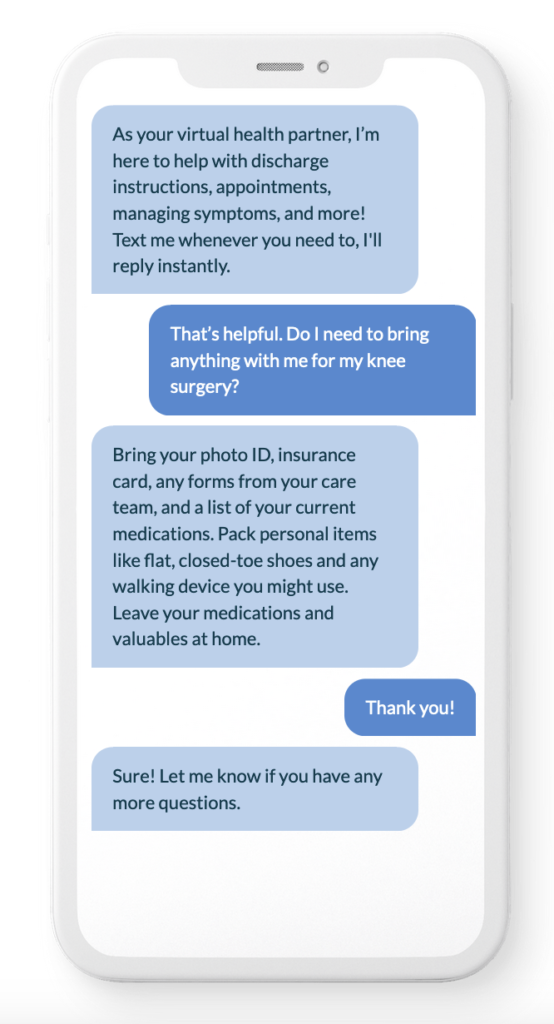
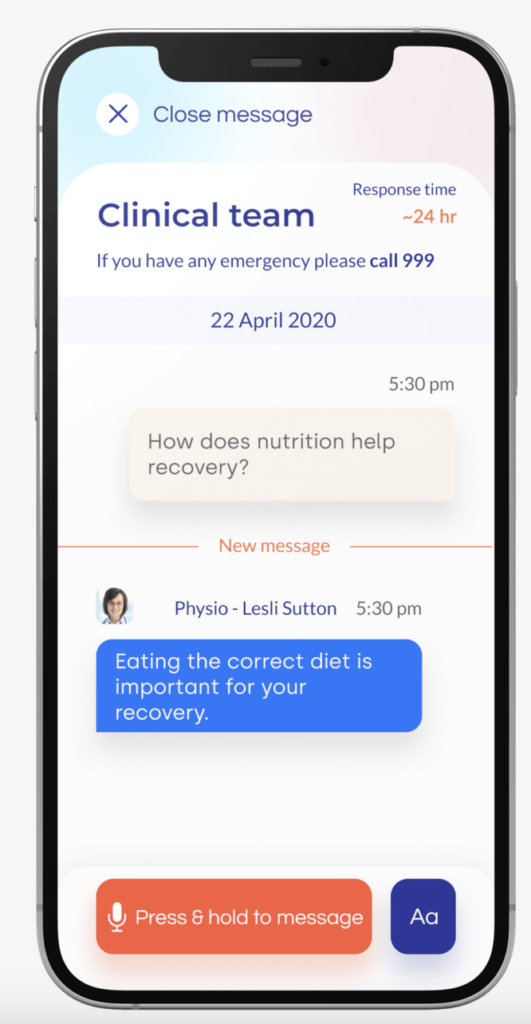
A patient recovering from knee surgery uses Memora Health’s platform to get a personalized exercise plan. The software adjusts the plan as the patient progresses, ensuring they’re always working at the right level for optimal recovery.
MotionAnalytics is a movement assessment system that uses sensors and AI to evaluate and improve patients’ physical movements during recovery. This technology acts like a virtual movement coach, ensuring exercises are done correctly. It’s commonly used in physical therapy clinics and sports medicine facilities.
Key Features:
Real-time movement analysis
Provides instant feedback on exercise form
Tracks progress over time
Integrates with other rehabilitation tools
Pros
Cons
Improves exercise effectiveness
Requires specific hardware
Reduces risk of re-injury
May feel intrusive to some patients
Provides objective data on progress
Learning curve for therapists
Use case
A stroke patient uses MotionAI during rehabilitation sessions to ensure they’re performing arm exercises correctly, maximizing the benefits of their therapy.
Post Op is a platform that supports patients recovering from surgery. This system helps healthcare providers monitor patients’ recovery progress and address complications and symptoms. It’s used in hospitals and outpatient clinics to optimize rehabilitation strategies.
Key Features:
Predicts likely recovery outcomes
Identifies potential complications early
Suggests proactive interventions
Generates easy-to-understand reports
Pros
Cons
Helps prevent setbacks
Predictions may cause anxiety
Improves overall recovery outcomes
Requires large amounts of data
Assists in resource allocation
May not account for rare complications
Use case
A cardiac surgery patient’s RecoveryPath analysis suggests a high risk of infection. The healthcare team implements additional preventive measures, successfully avoiding the complication.
Koji’s Quest combines VR with AI and game activities to help people who’ve had strokes or brain injuries. Created by NeuroReality, it guides patients through exercises that help them relearn everyday tasks. The program works by using the brain’s ability to rewire itself through new experiences and practice.
Key Features:
Interactive adventure game
Customizable options for therapy
AI-driven difficulty adjustment
Can use at home on multiple devices
Pros
Cons
Highly engaging for patients
Requires VR equipment
Can simulate real-world scenarios
May cause motion sickness in some users
Allows for remote therapy sessions
Initial setup can be complex
Use case
A patient recovering from hand surgery uses VRRehab to practice fine motor skills through virtual games, finding the experience more enjoyable and motivating than traditional exercises.
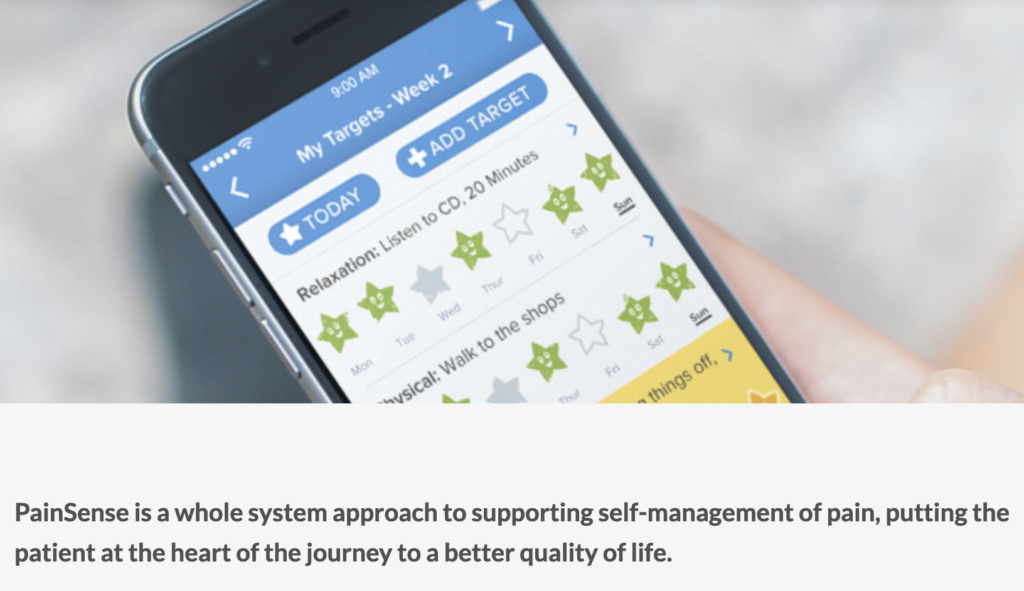
PainSense is an intelligent pain management system developed by Milo Creative. This AI-powered tool analyzes patient data to recommend personalized pain management strategies. It’s used in hospitals and pain management clinics to enhance patient comfort and recovery.
Key Features:
Continuous pain level monitoring
Personalized medication recommendations
Non-pharmacological intervention suggestions
Integration with patient health records
Pros
Cons
Improves pain control
May over-rely on self-reported data
Reduces risk of medication errors
Requires regular patient input
Promotes alternative pain management methods
Cannot replace human judgment entirely
Use case
A patient recovering from abdominal surgery uses PainSense AI to manage their discomfort. The system suggests a combination of medication timing and relaxation techniques, leading to better pain control and reduced reliance on opioids.
AI tools are making a difference in post-operative care. They’re not just making recovery faster – they’re making it smarter and more personal. But remember, it doesn’t replace human care. It’s a team effort between you, your doctors, and these smart systems.
If you or someone you know is facing surgery, ask your healthcare provider about these AI tools. They might not have all of them, but even one could make a big difference in recovery.
In the end, the goal is simple: to help you heal better and faster. With AI lending a hand, that goal is more achievable than ever. Here’s to a future where recovery is smoother, quicker, with maybe even a little high-tech fun.
Artificial intelligence (AI) is changing the way surgeons plan, perform, and manage them. These cutting-edge technologies are not just tools; they’re partners in the OR. From robots to AI imaging systems, let’s discuss how AI is used for surgery.
What are AI surgical systems, and how do they work?
Definition of AI surgical systems
AI surgical systems use advanced algorithms and machine learning (ML) to help surgeons at different points during an operation. These systems can study medical images, predict how the operation will progress, and control robotic surgery tools. The goal is to enhance precision, reduce errors, and improve patient outcomes.
Key components of AI surgical tools
AI-powered surgical tools typically consist of:
ML Algorithms: They’re used in surgery to train robots to learn and adapt to their environment.
Computer Vision (CV): AI-based CV focuses on imaging, navigation, and guidance (Kitaguchi et al., 2022). This technology allows machines to interpret and process visual data, crucial for tasks like identifying tissues or navigating surgical instruments.
Robotic Arms: Controlled by AI, these robotic arms can perform delicate surgical tasks with great accuracy and precision.
Clinical Decision Support Systems: These systems provide real-time recommendations to surgeons based on patient data and AI analysis.
How AI improves surgical precision and decision-making
AI enhances surgical precision by providing real-time feedback and guidance. For example, during a procedure, AI can analyze live video feeds to alert surgeons of potential issues or suggest optimal surgical paths. This reduces the risk of human error and increases the success rate of surgeries (Mithany et al., 2023).
ML’s role in surgical applications
ML plays a critical role in surgical applications by continuously learning and improving from new data, then refining surgical techniques, predicting outcomes, and personalizing patient care. For instance, AI can predict complications based on patient history and intraoperative data, allowing for timely interventions (Loftus et al., 2020).
Now that we understand how AI works in surgery, let’s look at some of the best AI-powered surgical robots.
Top AI Robotic Surgical Systems
What’s the difference between AI and robotics?
AI and robotics are different, but work together in surgery. AI makes machines think like humans, while robotics builds machines to do tasks automatically. Robots can work faster and with fewer mistakes than humans (Ally Robotics, 2023).
AI helps machines learn from information, make choices, and solve problems on their own. It includes things like ML and CV. Both AI and robotics try to create smart systems that can work on their own, and interact with the world around them (Ally Robotics, 2023).
AI imaging technologies are often integrated with robotic systems to enhance surgical precision.
Surgeons can work alongside robots in the OR that help make precise cuts. Thus, there’s less chance of mistakes during an operation, making surgery safer for patients.
Top robotic surgical platforms
Let’s review a few of the best AI-powered robotic surgical systems and their capabilities.
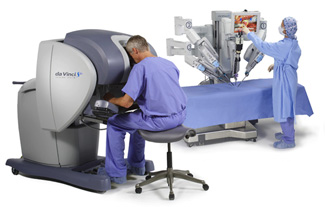
da Vinci Surgical System: One of the most well-known robotic systems, da Vinci, uses AI to assist with minimally invasive surgeries. It offers high precision and control, allowing surgeons to perform complex procedures with smaller incisions (Varghese et al., 2024). Widely used in prostatectomies, the system has shown reduced recovery times and fewer complications compared to traditional methods.
Mazor X Stealth Edition: This system is used primarily for spinal surgeries. It combines AI with real-time imaging to improve surgical accuracy and safety. For example, it has significantly improves the accuracy of screw placements, reducing the risk of nerve damage.
Versius Surgical System: Known for its ergonomic design, Versius uses AI to assist in various laparoscopic procedures, offering flexibility and precision. Successfully used in colorectal surgeries, it improves surgical outcomes and patient satisfaction.
Comparing features and capabilities
System
Key Features
Applications
da Vinci
High precision, 3D visualization, intuitive control
General surgery, urology, and gynecology
Mazor X Stealth Edition
Spinal surgeries
Spinal surgeries
Versius
Ergonomic design, flexible arms, AI assistance
Laparoscopic surgeries
Advantages over traditional surgical methods
AI-powered robotic systems offer several advantages:
Precision: Enhanced control and accuracy reduce the risk of errors.
Minimally Invasive: Smaller incisions lead to quicker recovery and less scarring.
Consistency: AI provides consistent performance, reducing variability in surgical outcomes.
Robots aren’t the only way to use AI’s help with surgery. Next we’ll check out some of the best AI-powered surgical software.
AI Surgical Planning Software
How preoperative planning affects surgical outcomes
Effective preoperative (before surgery) planning can significantly impact surgical success, which includes detailed analysis of patient data, surgical simulations, and risk assessments. Proper planning helps in anticipating potential complications and devising strategies to mitigate them (Mithany et al., 2023).
Popular AI software tools for surgical planning and simulation
Surgical Theater PlanXR™: This software uses virtual reality (VR) to create 3D models of patient anatomy, allowing surgeons to plan and rehearse procedures. For example, in neurosurgery it improves the accuracy of tumor resections by providing detailed 3D visualizations of brain structures.
Touch Surgery™: An interactive platform that uses AI to simulate surgical procedures, providing a hands-on training experience for surgeons. It shortens the learning curve for new surgeons, so they can be better prepared and reduce errors in actual surgeries.
ProPlan CMF™: Specialized in cranio-maxillofacial surgeries, this software uses AI to plan complex face and mouth surguries, and predict surgical outcomes. The software makes it easier for doctors to rebuild bones more accurately. This means patients end up looking better and their new face parts work better too.
How AI improves surgical strategy and reduces complications
AI software enhances surgical strategy by providing detailed visualizations and predictive analytics. For instance, AI can simulate different surgical approaches and predict their outcomes, helping surgeons choose the best strategy. This reduces the likelihood of complications and improves overall surgical success (Knudsen et al., 2024).
While planning is important, AI also plays a big role during the actual surgery (with ot without robots). Let’s explore how AI helps with imaging and navigation in the OR.
Intraoperative Imaging and Navigation with AI
Taking images and using guiding tools (intraoperative imaging and navigation) are critical for the success of complex surgeries. AI makes these tools even better by providing real-time guidance and improving surgical precision.
Advanced imaging technologies enhanced by AI
AI enhances imaging technologies by providing real-time analysis and feedback. For example, AI can process intraoperative CT scans or MRIs to highlight critical structures and suggest optimal surgical paths. This allows surgeons to make informed decisions on the fly (Knudsen et al., 2024).
Real-time surgical navigation systems
AI-powered navigation systems use real-time data to guide surgical instruments with high precision. These systems can track the position of surgical tools and patient anatomy, providing continuous feedback to the surgeon. This is particularly useful in complex procedures like brain or spinal surgeries.
Benefits of AI-powered imaging in complex procedures
Enhanced Visualization: AI can highlight critical structures and potential risks in real-time, improving surgical accuracy.
Reduced Complications: By providing precise guidance, AI reduces the risk of damaging vital tissues.
Improved Efficiency: Real-time feedback helps in making quick decisions, reducing overall surgery time.
AI doesn’t stop working when the surgery ends. It can continue to help patients heal.
AI-driven monitoring systems use sensors and wearable devices to continuously track patient vitals and recovery progress. These systems can detect early signs of complications and alert healthcare providers, ensuring timely interventions.
Predictive analytics for post-surgical complications
Predictive analytics use patient data and AI algorithms to predict potential post-surgical complications. For example, AI can analyze patterns in patient vitals to predict infections or other complications, allowing for early treatment and better outcomes (Loftus et al., 2020).
Personalized recovery plans by AI
AI can create personalized recovery plans based on individual patient data. These plans consider factors like patient history, type of surgery, and recovery progress to provide tailored recommendations. This personalized approach improves recovery times and reduces the risk of complications.
Patient followup
Research has found a 19% higher risk of nonadherence for patients who interact with a physician who doesn’t communicate well (Haskard Zolnierek & DiMatteo, 2009).
One study tested a system with AI to follow up with patients who had bone surgery. The AI system got more responses than when people made phone calls, but the type of feedback was different.
Patients told the AI more about their hospital stay and what they learned. They told human staff more about how they felt after surgery, which could be because people feel more comfortable talking to other people about health issues. Still, AI systems could help by giving patients simple information, answering questions, and spotting problems that doctors need to look at. This could make doctors’ jobs easier and help reduce long waiting lists (Guni et al., 2024).
Reducing hospital readmissions and improving outcomes
AI-driven post-operative care systems can reduce hospital readmissions by providing continuous monitoring and timely interventions. This not only improves patient outcomes but also reduces healthcare costs and resource needs (Scott et al., 2024).
Although AI in surgical systems offers many benefits, it also presents several challenges and areas for improvement.
Future Directions in AI Surgical Systems
Current limitations and areas for improvement
Data Privacy and Security: Ensuring the privacy and security of patient data is a significant challenge.
Algorithm Bias: AI algorithms can sometimes be biased, leading to unfair or inaccurate outcomes.
Integration with Existing Systems: Integrating AI technologies with existing surgical systems and workflows can be complex and costly.
Ethical considerations in AI-assisted surgery
Ethical considerations include ensuring transparency in AI decision-making, maintaining accountability for AI-driven actions, and addressing potential job displacement among healthcare professionals. It is crucial to develop ethical frameworks and guidelines to navigate these challenges (Mithany et al., 2023).
Emerging trends
Emerging trends in AI surgical systems include the development of fully autonomous surgical robots (Gumbs et al., 2021), advanced predictive analytics for personalized medicine, and the integration of AI with other technologies like augmented reality (AR) and VR. These advancements can make an even greater impact on surgical practices and improve patient outcomes.
Training the next generation of surgeons with AI
AI simulation platforms are transforming surgical education by providing hands-on training experiences in a safe environment. These platforms use AI to simulate surgical procedures, assess performance, and provide real-time feedback, helping to train the next generation of surgeons more effectively (Scott et al., 2024).
Conclusion
AI in surgical systems is enhancing precision, improving decision-making, and optimizing patient care. Ai isn’t just enhancing surgeons’ capabilities; they’re reshaping the entire surgical experience from planning to recovery.
The best AI surgical systems offer precision, improved decision-making, and better patient outcomes. While challenges remain, the future of AI in surgery is bright, with promise of a future with safer, more efficient, and more personalized surgical care.
Gumbs, A. A., Frigerio, I., Spolverato, G., Croner, R., Illanes, A., Chouillard, E., & Elyan, E. Artificial Intelligence Surgery: How Do We Get to Autonomous Actions in Surgery? Sensors, 21(16), 5526. doi.org/10.3390/s21165526
Guni, A., Varma, P. , Zhang, J. Fehervari, M., & Ashrafian, H. (2024). Artificial intelligence in Surgery: The Future is Now. European Surgical Researach. 65(1):22-39. doi.org/10.1159/000536393 Haskard Zolnierek, K. B., & DiMatteo, M. R. (2009). Physician Communication and Patient Adherence to Treatment: A Meta-analysis. Medical Care, 47(8), 826. doi.org/10.1097/MLR.0b013e31819a5acc
Kitaguchi, D., Takeshita, N., Hasegawa, H., & Ito, M. (2022). Artificial intelligence-based computer vision in surgery: Recent advances and future perspectives. Annals of Gastroenterological Surgery, 6(1), 29-36. doi.org/10.1002/ags3.12513
Knudsen, J. E., Ghaffar, U., Ma, R., & Hung, A. J. (2024). Clinical applications of artificial intelligence in robotic surgery. Journal of Robotic Surgery, 18(1). doi.org/10.1007/s11701-024-01867-0
Loftus, T. J., Tighe, P. J., Filiberto, A. C., Efron, P. A., Brakenridge, S. C., Mohr, A. M., Rashidi, P., & Bihorac, A. (2020). Artificial Intelligence and Surgical Decision-Making. JAMA Surgery, 155(2), 148. doi.org/10.1001/jamasurg.2019.4917
Mithany, R. H., Aslam, S., Abdallah, S., Abdelmaseeh, M., Gerges, F., Mohamed, M. S., Manasseh, M., Wanees, A., Shahid, M. H., Khalil, M. S., & Daniel, N. (2023). Advancements and Challenges in the Application of Artificial Intelligence in Surgical Arena: A Literature Review. Cureus, 15(10). doi.org/10.7759/cureus.47924
Varghese, C., Harrison, E. M., & Topol, E. J. (2024). Artificial intelligence in surgery. Nature Medicine, 30(5), 1257-1268. doi.org/10.1038/s41591-024-02970-3
Versius. (n.d.). The uniquely small, modular & portable surgical robot. CMR Surgical. Retrieved from https://cmrsurgical.com/versius
Population health management (PHM) is key to effective healthcare. Using population health management strategies with AI creates new ways to help patients. In a 2023 study by Deloitte, 69% of people using generative AI said it could improve healthcare access, and 63% said it could make healthcare more affordable.
This article explores cutting-edge insights on how this PHM-AI combo enhances patient care, reduces costs, and improves overall health outcomes across diverse communities.
Let’s first define PHM and how AI fits into this approach.
PHM focuses on improving the health outcomes of a group by monitoring and identifying individual patients within that group. The primary goals of PHM are:
What’s the difference between PHM and public health?
Don’t confuse population health with public health. Public health tries to stop diseases and injuries before they happen, by:
Teaching people about health
Reaching out to communities
Doing research
Changing standards or laws to make health-related matters safer
Population health issues
Things that affect community health range from physical to social, such as:
Environmental factors (like pollution)
Income and education levels
Gender and racial inequality
Social connections
Community involvement
Access to clean water
People working in population health need to understand how these factors affect communities and interact with each other. For example, low-income groups might struggle to access healthy food or safe places to exercise, even if these are available nearby. Understanding these connections can help us create better strategies to improve overall community health (Tulane University, 2023).
How AI enhances PHM
AI technologies, such as machine learning and predictive analytics, can process large datasets quickly and accurately. AI is a great asset in PHM because it can find at-risk individuals more quickly and accurately. This can help healthcare providers create better intervention strategies to improve patient outcomes, manage chronic diseases, and prevent illnesses.
The key benefits of integrating AI into PHM include:
Improved accuracy: AI can analyze complex datasets to identify patterns that may be missed by human analysts.
Efficiency: Automated processes reduce the time and effort required for data analysis.
Personalization: AI can tailor interventions to individual patient needs, improving outcomes.
Companies using big data for PHM
Some examples of companies offering data solutions for health systems:
Arcadia – Arcadia’s software tracks patient health over time and makes care notes easy to find. The system constantly updates, helping teams set goals and measure their progress for different patient groups.
Amitech – Amitech uses health information to manage community health. They combine physical and mental health data to spot risks and get patients more involved in their own care.
Socially Determined – This company helps healthcare groups understand social risks, called social determinants of health (SDoH). Their SocialScape platform measures things like patient housing and food access, which can help health providers create better care plans for different communities.
One of the most powerful applications of AI in PHM is its ability to identify and predict health risks across populations.
Risk Stratification and Predictive Analytics using AI
Risk stratification involves categorizing patients based on their risk of developing certain conditions. Predictive analytics uses historical data to indicate future health outcomes. Together, these techniques enable proactive healthcare management.
Identifying high-risk individuals
AI algorithms can analyze electronic health records (EHRs), lab results, and other data sources to identify individuals at high risk for conditions such as diabetes, heart disease, or chronic obstructive pulmonary disease (COPD).
For example, the PRISM model provides individual risk scores and stratifies patients into different risk levels based on their health data (Snooks et al., 2018).
Predictive modeling
Predictive modeling uses AI to forecast disease progression and health outcomes. For instance, AI can predict which patients are likely to develop complications from chronic diseases, allowing for early intervention.
Researchers at Cedars-Sinai Medical Center developed an AI algorithm to measure plaque in arteries. They found that AI algorithms could predict heart attacks within 5 years by analyzing coronary CTA images. This significantly reduced the time required for diagnosis (Lin, et al., 2022).
In another example, Stanford University used AI to monitor ICU patients’ mobility, improving patient outcomes by alerting staff to potential issues (Yeung et al., 2019).
With AI’s ability to analyze large amounts of data, healthcare providers can now create highly tailored care plans for individuals within a population.
Personalized Interventions and Care Plans
Personalized care plans are tailored to meet the specific needs of individual patients. AI algorithms can analyze patient data to recommend the best treatments and interventions. Let’s look at some of those applications.
Tailoring interventions
AI can analyze various data points, including genetic information, lifestyle factors, and medical history, to create personalized care plans. For example, machine learning algorithms can recommend specific medications or lifestyle changes based on a patient’s unique profile.
Treatment recommendation systems
AI-powered treatment recommendation systems can help healthcare providers choose the best treatments for their patients. These systems use data from clinical trials, patient records, and medical literature to provide evidence-based recommendations.
Balancing personalization with population-level strategies
While personalization is crucial, it’s also essential to consider population-level strategies. AI can help balance these by identifying common trends and patterns within a population, allowing for targeted interventions that benefit individuals and the broader community.
Remote monitoring and telehealth integration
Remote patient monitoring (RPM) and telehealth technologies are important when managing population health. For example, AI can analyze data from wearable health devices, such as heart rate monitors and glucose sensors, to detect early signs of health issues. This allows for timely interventions and reduces the need for hospital visits.
Effective population health management requires data from various sources. However, data silos and interoperability issues can hinder this process.
Organizations often manage risks in various silos by department. This makes it difficult to see all the risks in the organization, and also makes it tough to create plans that work together to reduce these risks.
AI can help break down data silos by standardizing and integrating data from different sources. This ensures that healthcare providers have a comprehensive view of patient health.
Standardizing and analyzing diverse health data
AI solutions can standardize data formats and analyze diverse datasets, making it easier to identify trends and patterns. This improves the accuracy and efficiency of population health management strategies.
Ensuring data privacy and security
Data privacy and security are critical in AI-driven PHM. Robust encryption methods and secure data storage solutions are essential to protect patient information.
Beyond medical data, AI can also incorporate socioeconomic and environmental factors that significantly impact health outcomes.
Social Determinants of Health and AI
Things like money, education and where people live affect their health. These are called SDoH. AI can incorporate these factors into predictive models to predict health problems and find people who might need help. This lets healthcare providers make better plans to keep communities healthy.
Incorporating social and environmental factors
AI algorithms can analyze data on SDoH such as income, education, and housing conditions, to predict health outcomes and identify at-risk populations.
Predictive analytics for SDoH
Predictive analytics can help healthcare providers develop targeted interventions to address SDoH. For example, AI can identify communities at risk for certain diseases and recommend preventive measures.
Collaborative AI Approaches for community health improvement
Collaborative AI approaches involve partnerships between healthcare providers, community organizations, and technology companies to improve community health. These collaborations can lead to more effective and sustainable health interventions.
Now that we understand SDoH and ways to deal with them, it’s crucial to track how effective those efforts are, and continuously improve our approaches.
Measuring and Improving Population Health Outcomes
Measuring and improving population health outcomes requires continuous monitoring and refinement of strategies. AI-powered tools can provide real-time insights and help healthcare providers make data-driven decisions.
AI-powered dashboards and visualization tools
Dashboards and visualization tools using AI can display population health metrics in an easily understandable format. These tools help healthcare providers track progress and identify areas for improvement.
Continuous learning systems
Continuous learning systems use AI to analyze new data and refine PHM strategies. This ensures that interventions remain effective and relevant over time.
Ethical considerations for patient data
Ethical considerations are crucial when using AI with PHM. Ensuring that AI algorithms are free from bias and that patient data is used responsibly is essential for maintaining trust and achieving equitable health outcomes.
Conclusion
Combining AI with population health management is a big step forward in taking care of communities better and faster. AI helps healthcare providers spot and solve health problems early, instead of waiting until people get sick, by:
Predicting health issues before they happen
Creating personalized care plans
Using data to make smarter decisions
As we get better at using AI in healthcare, we can:
Help more people stay healthy
Lower the cost of healthcare
Improve life for whole communities
We’re just starting to use AI in population health management. Healthcare leaders and policymakers need to use these AI tools. It’s not just a choice – it’s necessary to build healthier communities that can handle health challenges better.
Lin, A., et al. (2022). Deep learning-enabled coronary CT angiography for plaque and stenosis quantification and cardiac risk prediction: an international multicentre study. The Lancet. doi.org/10.1016/S2589-7500(22)00022-X
Snooks, H., Bailey-Jones, K., & Burge-Jones, D., et al.. (2018). Predictive risk stratification model: a randomised stepped-wedge trial in primary care (PRISMATIC). Southampton (UK): NIHR Journals Library; (Health Services and Delivery Research, No. 6.1.) Chapter 1, Introduction. https://www.ncbi.nlm.nih.gov/books/NBK475995/
Yeung, S., Rinaldo, F., Jopling, J., Liu, B., Mehra, R., Downing, N. L., Guo, M., Bianconi, G. M., Alahi, A., Lee, J., Campbell, B., Deru, K., Beninati, W., & Milstein, A. (2019). A computer vision system for deep learning-based detection of patient mobilization activities in the ICU. Npj Digital Medicine, 2(1), 1-5. doi.org/10.1038/s41746-019-0087-z
In an era where healthcare costs are skyrocketing, AI can be a game-changer. The impact of AI on healthcare cost reduction and resource allocation has been overwhelmingly positive so far. A recent study by Accenture predicts that AI applications in healthcare could save up to $150 billion annually for the U.S. healthcare economy by 2026.
Let’s see how AI can help reduce costs and staff human resources more efficiently.
24% have had problems paying for healthcare premiums, deductibles, or copays in the past year. That number is 33% for those in poor health. These high expenses often lead to delayed care, skipped medications, and financial strain.
About 100 million people in America have serious medical debt. They often rely on savings, credit cards, and side jobs to make up the slack. This financial pressure underscores the need for cost-effective solutions.
Helping more people afford health care often means the government spends more money. On the other hand, trying to reduce overall spending might increase costs for individuals. This makes health care policy very challenging, with no easy solutions.
Key areas where AI can impact costs
AI can cut healthcare costs in many ways, such as:
Diagnostic Accuracy: AI can improve diagnostic accuracy, reducing the need for unnecessary tests and treatments.
Predictive Analytics: AI can predict patient outcomes and optimize resource allocation, reducing waste and improving care efficiency.
Labor costs are the greatest expense hospitals have, as shown in the following chart.
Source: American Hospital Association (AHA) and Strata Decision Technology
A McKinsey/EIT Health report shows that tasks by several healthcare occupations can be at least partially automated by 2030, providing more cost savings to healthcare organizations.
Next, let’s look at how AI can improve resource management in hospitals.
AI-Driven Resource Allocation in Hospitals
Facility management
AI can make hospital buildings run smoother by controlling temperature systems to save energy and keep patients comfortable. It also spots equipment problems early, avoiding breakdowns and saving money on repairs (Varnosfaderani & Forouzanfar, 2024).
Predictive analytics for patient flow and bed management
Hospitals can manage their emergency services with efficiency if they can predict how many emergency patients will come in. They currently use simple guessing methods based on past patterns.
Hospitals could use real-time patient data from electronic health records (EHRs) to make short-term predictions about bed needs. This ensures that beds are available when needed, reduces the time patients spend waiting for care, and avoids cancelling planned surgeries (King et al., 2022).
Staff scheduling optimization
Using AI for scheduling can reduce overtime costs and prevents staff burnout, leading to better patient care and lower operational costs.
AI can analyze historical data and predict staffing needs, ensuring that hospitals have the right number of staff at the right times. This includes scheduling medical procedures to maximize the use of operating rooms and staff, while minimizing patient wait times (Varnosfaderani & Forouzanfar, 2024).
This reduces the risk of shortages and overstocking to cut waste, save money, and ensure that necessary supplies are always available. In emergencies, AI quickly figures out what’s needed and helps get resources where they’re most important (Varnosfaderani & Forouzanfar, 2024).
Clinical documentation is ever-present in healthcare. Let’s discuss how AI can streamline admin tasks.
Streamlining Administrative Processes with AI
Automating paperwork and data entry
Administrative tasks like paperwork and data entry take time and are prone to errors. But AI can read and sort different forms and reports quickly.
AI can automate these processes to save time, free up staff to focus on more critical tasks, and reduce the likelihood of mistakes (Varnosfaderani & Forouzanfar, 2024).
Improving billing accuracy and reducing errors
It takes time and expense to fix billing errors. A study in the insurance industry showed that ML can improve insurance estimates better than traditional methods (Baudry & Robert, 2019).
AI can streamline the insurance claims process by automating the verification and approval of claims. This reduces the time it takes to process claims and improves customer satisfaction by minimizing delays and errors.
Beyond administrative tasks, AI is also making significant strides in improving patient care and treatment.
AI in Diagnostic Accuracy and Treatment Planning
Reducing misdiagnosis rates and associated costs
Misdiagnoses can lead to unnecessary treatments and additional costs. AI can analyze medical data with high accuracy, reducing the likelihood of misdiagnoses and ensuring that patients receive the correct treatment the first time (Khanna et al., 2022).
Personalized treatment recommendations
AI can provide personalized treatment recommendations based on a patient’s medical history and current condition. This ensures that patients receive the most effective treatments, improving outcomes and reducing costs associated with trial-and-error approaches (Alowais et al., 2023).
Early disease detection and prevention strategies
Early detection of diseases can significantly reduce treatment costs and improve patient outcomes. AI can analyze large datasets to identify early signs of diseases, allowing for timely interventions and preventive care (Alowais et al., 2023).
AI can also help diagnose illnesses and assess symptoms with virtual methods in telemedicine and telehealth.
Telemedicine and Remote Patient Monitoring
AI-powered virtual health assistants
Virtual health assistants powered by AI can provide patients with medical advice, schedule appointments, and answer health-related questions. This reduces the need for in-person visits and allows healthcare providers to focus on more complex cases.
Chronic disease management via remote monitoring
AI can monitor patients with chronic diseases remotely, also called remote patient monitoring (RPM). When AI analyzes data from wearable devices, it can notify healthcare providers about any concerning changes to trigger an alert. This proactive approach reduces hospital visits and readmissions, saving costs and improving patient quality of life.
Reducing unnecessary hospital visits and readmissions
By providing continuous monitoring and early intervention, AI can help prevent complications that would otherwise require a patient to return to the hospital. This not only improves patient outcomes, but also reduces the strain on healthcare facilities.
Challenges and Considerations in AI Implementation
AI systems handle vast amounts of sensitive patient data, raising concerns about privacy and security. To implement these systems successfully, healthcare organizations must comply with regulations and protect patient information (Alowais et al., 2023).
Workforce adaptation and training needs
Integrating AI into healthcare workflows requires training staff to use new technologies effectively. This can be challenging, particularly for those who are less familiar with digital tools. Ongoing education and support are essential to ensure that healthcare professionals can leverage AI to its full potential (Alowais et al., 2023).
Future Outlook: AI’s Long-term Impact on Healthcare Economics
Projected cost savings and efficiency gains
AI has the potential to generate significant cost savings and efficiency gains in healthcare. By automating routine tasks, improving diagnostic accuracy, and optimizing resource allocation, AI can reduce operational costs and enhance patient care (Khanna et al., 2022).
Potential shifts in the healthcare job market
Integrating AI in healthcare systems causes a shift in the job market. While some administrative roles may become redundant, new opportunities will emerge in AI development, data analysis, and technology management. Healthcare professionals will need to adapt to these changes and acquire new skills.
Ethical considerations and policy implications
The use of AI in healthcare raises ethical considerations, such as ensuring fairness in AI algorithms and addressing potential biases. Policymakers should establish guidelines and regulations to ensure that we use AI responsibly and equitably in healthcare (Alowais et al., 2023).
Conclusion
AI’s impact on cost reduction and resource allocation in healthcare is profound and far-reaching. From streamlining administrative tasks to enhancing diagnostic accuracy, AI technologies are valuable allies in the quest for more efficient and affordable healthcare. Successful implementation will require careful planning, ethical considerations, and a commitment to ongoing innovation.
As AI continues to evolve, its long-term impact on healthcare economics will depend on how effectively these challenges are addressed and how well healthcare providers can integrate AI into their workflows. By embracing AI responsibly, healthcare providers can work towards a future where high-quality care is more accessible and affordable for all.
References
Alowais, S. A., Alghamdi, S. S., Alsuhebany, N., Alqahtani, T., Alshaya, A. I., Almohareb, S. N., Aldairem, A., Alrashed, M., Saleh, K. B., Badreldin, H. A., Al Yami, M. S., Harbi, S. A., & Albekairy, A. M. (2023). Revolutionizing healthcare: The role of artificial intelligence in clinical practice. BMC Medical Education, 23. doi.org/10.1186/s12909-023-04698-z
America’s Hospitals and Health Systems Continue to Face Escalating Operational Costs and Economic Pressures as They Care for Patients and Communities. (2024). American Hospital Association (AHA). Retrieved from https://www.aha.org/costsofcaring
Baudry M., & Robert C.Y. (2019). A machine learning approach for individual claims reserving in insurance. Applied Stochastic Models in Business and Industry; 35:1127–1155. doi:10.1002/asmb.2455
Khanna, N. N., Maindarkar, M. A., Viswanathan, V., E Fernandes, J. F., Paul, S., Bhagawati, M., Ahluwalia, P., Ruzsa, Z., Sharma, A., Kolluri, R., Singh, I. M., Laird, J. R., Fatemi, M., Alizad, A., Saba, L., Agarwal, V., Sharma, A., Teji, J. S., Al-Maini, M., . . . Suri, J. S. (2022). Economics of Artificial Intelligence in Healthcare: Diagnosis vs. Treatment. Healthcare, 10(12). https://doi.org/10.3390/
King, Z., Farrington, J., Utley, M., Kung, E., Elkhodair, S., Harris, S., Sekula, R., Gillham, J., Li, K., & Crowe, S. (2022). Machine learning for real-time aggregated prediction of hospital admission for emergency patients. Npj Digital Medicine, 5(1), 1-12. doi.org/10.1038/s41746-022-00649-y
Varnosfaderani, S. M., & Forouzanfar, M. (2024). The Role of AI in Hospitals and Clinics: Transforming Healthcare in the 21st Century. Bioengineering, 11(4). doi.org/10.3390/bioengineering11040337
From technical hurdles to ethical dilemmas, healthcare providers face numerous obstacles using AI in healthcare–in particular, how to implement AI in clinical practice. A 2023 survey by the American Medical Association found that 93% of doctors believe AI can improve patient care, but only 38% feel prepared to use it in their practice.
In this article, we’ll discuss the obstacles and potential solutions to implementing AI in healthcare and integrating AI into an existing health system.
Implementing AI in healthcare is expensive. It takes a significant investment to buy the systems, manage data, and train staff:
High Initial Investment for AI Implementation: The cost of acquiring and implementing AI systems can be prohibitive for many healthcare providers. These costs include computers, data storage, and patient data security.
Ongoing Costs for Maintenance and Upgrades: AI systems require continuous maintenance and updates, adding to the overall cost.
Balancing AI Spending with Other Healthcare Priorities: Healthcare providers must balance AI investments with other critical healthcare needs.
To make a new system implementation work requires careful planning and teamwork. Help from the government and new ways to pay for it can make AI in healthcare possible (Luong, 2024).
Data quality and availability challenges
Ensuring high-quality data is crucial for effective AI implementation in healthcare. However, several challenges exist:
Inconsistent Data Formats Across Healthcare Systems: Different healthcare providers often use various data formats, making it difficult to integrate and analyze data efficiently (Krylov, 2024).
Limited Access to Large, Diverse Datasets: AI systems require vast amounts of data to learn and make accurate predictions. However, accessing such datasets can be challenging due to privacy concerns and regulatory restrictions (Johns Hopkins Medicine, 2015).
Ensuring Data Accuracy and Completeness: Inaccurate or incomplete data can lead to incorrect diagnoses and treatments, posing significant risks to patient safety (4medica, 2023).
Technical integration hurdles
Integrating AI into existing healthcare IT infrastructure presents several technical challenges:
Compatibility Issues with Existing Healthcare IT Infrastructure: Many healthcare systems are built on legacy technologies that may not be compatible with modern AI solutions.
Scalability Concerns for AI Systems: AI systems need to handle large volumes of data and scale efficiently as the amount of data grows.
Maintenance and Updates of AI Algorithms: AI algorithms require regular updates to maintain accuracy and adapt to new medical knowledge.
How to address these technical challenges
Here are some ways to overcome these challenges:
Developing Standardized Data Formats and APIs: Standardizing data formats and creating APIs can facilitate seamless data exchange between different systems (Krylov, 2024).
Implementing Cloud-Based AI Solutions: Cloud-based solutions offer scalability and flexibility, making it easier to manage and update AI systems.
Establishing Dedicated AI Support Teams: Having specialized teams to manage and support AI systems can ensure smooth integration and operation.
Following these guidelines will help when it comes to integrating an AI platform in a healthcare system.
Privacy and security concerns
Protecting patient data is paramount when implementing AI in healthcare. Some considerations include:
Protecting Patient Data in AI Systems: AI systems must be designed with robust security measures to protect sensitive patient information (Yadav et al., 2023).
Compliance with Healthcare Regulations: Ensuring compliance with regulations, like the Health Insurance Portability and Accountability Act (HIPAA) in the U.S., is essential to avoid legal repercussions and maintain patient trust. The U.S. Food & Drug Administration (FDA) focuses on approving AI developers. Europe has made laws and data protection rules for AI use (Murdoch, 2021).
Managing Consent for AI Use in Patient Care: Obtaining and managing patient consent for using their data in AI systems is crucial for ethical and legal compliance.
AI and HIPAA Compliance
Balancing data use for AI with patient privacy rights is a key issue.
AI needs lots of data, more than clinical trials usually have. Some areas like eye care do well with this. However, sharing data can risk patient privacy, affecting jobs, insurance, or identity theft. It’s hard to hide patient info completely (Alonso & Siracuse, 2023).
For rare diseases, data from many places is needed. Sharing data can increase privacy risks, like identifying patients from anonymous data. Working with big companies raises concerns about data being used for profit, which can clash with fair data use (Tom et al., 2020).
AI tools that learn over time might accidentally break HIPAA rules. Doctors must understand how AI handles patient data to follow HIPAA rules. They need to know where AI gets its info and how it’s protected. Healthcare workers must use AI responsibly, get patient permission, and be open about using AI in care (Accountable HQ, 2023).
AI in healthcare needs rules that respect patient rights. We should focus on letting patients choose how their info is used. This means asking for permission often, and making it easy for patients to take back their data if they want to.
We also need better ways to protect patient privacy. Companies holding patient data should use the best safety methods and follow standards. If laws and standards don’t keep up with fast-changing tech like AI, we’ll fall behind in protecting patients’ rights and data (Murdoch, 2021).
Copyright issues
When using AI in clinical research, copyright problems can occur because AI uses information from many places to make content. It might use copyrighted content without knowing, causing legal issues. It’s important to make sure AI doesn’t use protected material (Das, 2024).
Ethical and legal concerns
We need strong laws and data standards to manage AI use, especially in the field of medicine. Ethical and legal issues are significant barriers to using AI in healthcare, for example:
Addressing Bias in AI Algorithms: AI systems can inherit biases present in training data, leading to unequal treatment outcomes.
Establishing Liability in AI-Assisted Decisions: AI and the Internet of Things (IoT) technologies make it hard to decide who’s responsible when things go wrong (Eldadak et al., 2024). We need clear guidelines on who is liable for errors made by AI systems–AI developers, the doctor, or the AI itself (Cestonaro et al., 2023).
Creating Transparency in AI Decision-Making Processes: AI systems should be transparent in their decision-making processes to build trust among clinicians and patients.
How to address these ethical concerns
We should think about how these technologies affect patients and what risks they should take. We need to find a balance that protects people without stopping new ideas. Ways to overcome some of these barriers include:
Creating Clear Guidelines for AI Use in Clinical Settings: Establishing guidelines can help standardize AI use and address ethical and legal concerns.
Engaging in Ongoing Dialogue with Legal and Ethical Experts: Continuous engagement with experts can help move through evolving ethical and legal challenges.
Scientists, colleges, healthcare organizations, and regulatory agencies should work together to create standards for naming data, sharing data, and explaining how AI works. They should also make sure AI code and tools are easy to use and share (Wang et al., 2020).
The old ways of dealing with legal problems don’t work well for AI issues. We need a new approach that involves doctors, AI makers, insurance companies, and lawyers working together (Eldadak, et al., 2024).
Resistance to change and adoption
Resistance from healthcare professionals can hinder AI adoption for many reasons:
Overcoming Clinician Skepticism Towards AI: Educating clinicians about the benefits and limitations of AI can help reduce skepticism.
Addressing Fears of AI Replacing Human Roles: Emphasizing AI as a tool to add to, not replace, human roles can alleviate fears.
Managing the Learning Curve for New AI Tools: Providing adequate training and support can help clinicians adapt to new AI tools.
AI might not work well with new data in hospitals, which could harm patients. There are many issues with using AI in medicine. These include lack of proof it’s better than old methods, and concerns about who’s at fault for mistakes (Guarda, 2019).
Training and education gaps
Lack of AI literacy among healthcare professionals is a significant barrier:
Lack of AI Literacy Among Healthcare Professionals: Many clinicians lack the knowledge and skills to effectively use AI tools.
Limited AI-Focused Curricula in Medical Education: Medical schools often do not include comprehensive AI training in their curricula.
Keeping Pace with Rapidly Evolving AI Technologies: Continuous education is necessary to keep up with the fast-paced advancements in AI.
How to address these knowledge gaps
We can bridge the knowledge gap by:
Integrating AI Training into Medical School Curricula: Incorporating AI education into medical training can prepare future clinicians for AI integration.
Offering Continuous Education Programs for Practicing Clinicians: Regular training programs can help practicing clinicians stay updated on AI advancements.
Developing User-Friendly AI Interfaces for Clinical Use: Designing intuitive AI tools can make it easier for clinicians to adopt and use them effectively.
Doctor-patient knowledge sharing
Healthcare providers need to understand AI to explain it to patients. They don’t need to be experts, but according to Cascella (n.d.), they should know enough to:
Explain how AI works in simple terms.
Share their experience using AI.
Compare AI’s risks and benefits to human care.
Describe how humans and AI work together.
Explain safety measures, like double-checking AI results.
Discuss how patient information is kept private.
Doctors should take time to explain these things to patients and answer questions. This helps patients make good choices about their care. After talking, doctors should write down what they discussed in the patient’s records and keep any permission forms.
By doing this, doctors make sure patients understand and agree to AI use in their care. Patients should understand how AI might affect their treatment and privacy.
Prepare the data: Collect health info like patient records and medical images. Clean it up, remove names, and store it safely following data privacy standards.
Choose your AI model: Choose where AI can help, like disease diagnosis or patient monitoring. Select AI that fits these jobs, like special programs for looking at images or predicting health risks.
Train the AI model: Teach the AI using lots of quality health data. Work with doctors to make sure the AI learns the right things.
Set up and test the model: Integrate AI into the current health system(s). Check it works well by testing it a lot and asking doctors what they think.
Use and monitor: Start using AI in hospitals. Make sure it works within the processes doctors are accustomed to. Keep an eye on how it’s doing and get feedback to continue making it better.
Conclusion
To implement AI in clinical practice with success, we must address data quality, technical integration, privacy, ethics, and education, challenges. Healthcare providers can pave the way for successful AI adoption in clinical practice–the key lies in a multifaceted approach to:
Invest in robust IT infrastructure
Foster a culture of continuous learning
Maintain open dialogue among all stakeholders.
As we navigate these hurdles, the healthcare industry moves closer to a future where AI seamlessly enhances clinical practice, ultimately leading to better outcomes for patients and more efficient systems for providers.
Alonso, A., Siracuse, J. J. (2023). Protecting patient safety and privacy in the era of artificial intelligence. Seminars in Vascular Surgery 36(3):426–9.https://pubmed.ncbi.nlm.nih.gov/37863615/
Cestonaro, C., Delicati, A., Marcante, B., Caenazzo, L., & Tozzo, P. (2023). Defining medical liability when artificial intelligence is applied on diagnostic algorithms: A systematic review. Frontiers in Medicine, 10. doi.org/10.3389/fmed.2023.1305756
Eldakak, A., Alremeithi, A., Dahiyat, E., Mohamed, H., & Abdulrahim Abdulla, M. I. (2024). Civil liability for the actions of autonomous AI in healthcare: An invitation to further contemplation. Humanities and Social Sciences Communications, 11(1), 1-8. doi.org/10.1057/s41599-024-02806-y
Guarda, P. (2019.) ‘Ok Google, am I sick?’: artificial intelligence, e-health, and data protection regulation. BioLaw Journal (Rivista di BioDiritto) (1):359–75. https://teseo.unitn.it/biolaw/article/view/1336
Mittermaier, M., Raza, M. M., & Kvedar, J. C. (2023). Bias in AI-based models for medical applications: challenges and mitigation strategies. Npj Digital Medicine, 6(113). doi.org/10.1038/s41746-023-00858-z
Murdoch, B. (2021). Privacy and artificial intelligence: challenges for protecting health information in a new era. BMC Med Ethics 22(1):1–5.
Tom, E., Keane, P. A., Blazes, M., Pasquale, L. R., Chiang, M. F., Lee, A. Y., et al. (2020). Protecting Data Privacy in the Age of AI-Enabled Ophthalmology. Transl Vis Sci Technol 9(2):36–6. doi.org/10.1167/tvst.9.2.36
Wang, S. Y., Pershing, S., & Lee, A. Y. (2020). Big Data Requirements for Artificial Intelligence. Current Opinion in Ophthalmology, 31(5), 318. doi.org/10.1097/ICU.0000000000000676
Yadav, N., Pandey, S., Gupta, A., Dudani, P., Gupta, S., & Rangarajan, K. (2023). Data Privacy in Healthcare: In the Era of Artificial Intelligence. Indian Dermatology Online Journal, 14(6), 788-792. doi.org/10.4103/idoj.idoj_543_23
Have you ever wished you could get instant medical advice without waiting for a doctor’s appointment? Or maybe you’ve found yourself wondering about a symptom in the middle of the night? Well, you’re not alone, and that’s where AI health chatbots come in.
The market segment for chatbots is expected to grow from $196 million in 2022 to approximately $1.2 billion by 2032 (Clark & Bailey, 2024). These digital health assistants are changing the game in healthcare, offering support and information around the clock. But what exactly are they, and how do they work?
AI health chatbots are smart computer programs that help patients with health-related information and support. These virtual health assistants use advanced technologies like natural language processing (NLP) and machine learning (ML). NLP and ML allows them to understand context and emotions in conversations, and respond to user queries in a human-like manner (Karlović, 2024).
Think of the virtual health assistant as your personal health companion to (Laranjo et al., 2018):
Healthily: Provides personalized health information and advice
Now that we understand the concept of AI health chatbots, let’s explore the various advantages they bring to healthcare.
Benefits of AI Health Chatbots
AI health chatbots have several advantages for both patients and healthcare providers.
24/7 availability
One of the most significant advantages of AI health chatbots is their round-the-clock availability. Have a health concern at 2 AM? Your chatbot is there to help, providing instant support when you need it.
Cost reduction
Chatbots are mostly free for patients. Some apps are covered by insurance when prescribed by a health provider (Clark & Bailey, 2024).
By handling routine inquiries and preliminary assessments, chatbots can significantly reduce healthcare costs, especially when the patient does not have to see a health provider in person. They free up health providers for more complex tasks, leading to more efficient resource allocation.
Chatbots make it easier for patients to engage with their health–even for older adults (Clark & Bailey, 2024). They provide a low-barrier way to ask questions and learn about health topics, improving overall health literacy (Bickmore et al., 2016). They’re also easier to use than a traditional patient portal or telehealth system, which saves time.
Faster triage
In an emergency, every second counts. AI chatbots can quickly assess symptoms and help determine the urgency of a situation, potentially saving lives by ensuring rapid response to critical cases (Razzaki et al., 2018).
The benefits we’ve discussed here come from a range of key features that AI health chatbots offer. Let’s take a closer look at these capabilities.
Key Features of AI Chatbots in Healthcare
AI health chatbots come packed with features designed to support various aspects of healthcare. Some of the uses of health chatbots include (Clark & Bailey, 2024):
Physical wellbeing
Chronic conditions
Mental health
Substance use disorders
Pregnancy
Sexual health
Public health
Let’s discuss some of the use cases and applications for AI health chatbots.
Appointment scheduling
AI chatbots can manage appointments, allowing patients to easily book, reschedule, or cancel appointments without human intervention. It’s usually easier than doing so in a patient portal.
Symptom checking and preliminary diagnosis
Many chatbots offer an online symptom checker. You input your symptoms, and the chatbot asks follow-up questions to provide a preliminary assessment. While this doesn’t replace a doctor’s diagnosis, it can help you decide if you need to seek immediate medical attention (Semigran et al., 2015).
Medication reminders and management
Forget to take your pills? AI chatbots can send timely reminders, helping you stay on top of your medication schedule. Some even track your medication history and can alert you to potential drug interactions (Brar Prayaga et al., 2019).
Post-op care and chronic disease management
After an operation or minor surgery, a chatbot can guide the patient through the recovery process at any time, day or night. It can also answer questions about symptoms and concerns related to a chronic illness (ScienceSoft, n.d.).
Mental health support
AI chatbots are increasingly being used to provide mental health support. They can offer coping strategies, mood tracking, and even cognitive behavioral therapy exercises. While they don’t replace professional help, they can be a valuable first line of support (Fitzpatrick et al., 2017).
Health tracking and personalized recommendations
AI chatbots can track your health data over time by integrating with wearable devices and apps. They can then provide personalized health recommendations based on your activity levels, sleep patterns, and other health metrics (Stein & Brooks, 2017).
Healthcare systems can successfully implement AI chatbots by following a careful approach, as we’ll discuss next.
How to Integrate AI Chatbots in Healthcare Systems
Integrating AI health chatbots into existing healthcare systems requires careful planning and execution. Here’s a roadmap for successful implementation (Palanica et al., 2019 & Nadarzynski et al., 2019):
Assess Needs and Set Goals: Before implementing a chatbot, healthcare providers should clearly define what they hope to achieve. Is the goal to reduce wait times, improve patient engagement, or streamline triage processes?
Choose the Right Solution: Not all chatbots are created equal. Select a solution that aligns with your goals and integrates well with your existing systems.
Ensure Data Security: Implement robust security measures to protect patient data. This includes encryption, secure authentication processes, and regular security audits.
Train Healthcare Providers: It’s crucial to train your staff on how to work alongside these AI systems. They should understand the chatbot’s capabilities and limitations.
Educate Patients: Clear communication with patients about the role and capabilities of the chatbot is essential. Set realistic expectations and provide guidance on how to use the system effectively.
Start Small and Scale: Begin with a pilot program, gather feedback, and make improvements before rolling out the chatbot more broadly.
Continuous Monitoring and Improvement: Regularly assess the chatbot’s performance. Are patients finding it helpful? Are there common issues or misunderstandings? Use this data to continually refine and improve the system.
Measure Impact: Track key performance indicators (KPIs) to measure the impact of the chatbot. This might include metrics like patient satisfaction scores, reduction in wait times, or cost savings.
While AI health chatbots offer impressive features and benefits, it’s important to acknowledge and address the challenges that come with using them in healthcare.
Addressing Concerns and Limitations of AI Health Chatbots
While AI health chatbots offer numerous benefits, they also come with their fair share of challenges and limitations. It’s important to be aware of these as we continue to integrate these technologies into our healthcare systems.
Accuracy concerns
One of the primary concerns with AI health chatbots is the potential for misdiagnosis. While these systems are becoming increasingly sophisticated, they’re not infallible. A chatbot might misinterpret symptoms or fail to consider important contextual information that a human doctor would catch (Fraser et al., 2018).
Another reason chatbots could share inaccurate information is that AI health chatbots use fixed datasets, which may not include the latest medical info. Unlike doctors who can access current data, chatbots might give outdated advice on health topics (Clark & Bailey, 2024).
Data privacy and security
Healthcare data is highly sensitive, and the use of AI chatbots raises important questions about data privacy. How is patient data stored and protected? Who has access to the information shared with these chatbots? These are critical issues that need to be addressed to ensure patient trust and comply with regulations like HIPAA (Luxton, 2019).
Federated learning is a new way to train AI models that keeps data private. It lets different groups work together on an AI model without sharing their actual data. Instead, each group trains the model on their own computers using their own data. They only share updates to the model, not the data itself. Hospitals and researchers can team up to create better AI models while keeping patient information safe and private (Sun & Zhou, 2023).
Ethical considerations
The use of AI in healthcare raises several ethical questions. For instance, how do we ensure that these systems don’t perpetuate biases in healthcare? There’s also the question of accountability – who’s responsible if a chatbot provides incorrect advice that leads to harm (Vayena et al., 2018)?
Bias in AI Algorithms
AI chatbots in healthcare raise concerns about bias and fairness. If the data used to train these chatbots isn’t diverse or has built-in biases, the chatbots might make unfair decisions. This could lead to some groups getting worse healthcare.
Bias can come from many sources, like choosing the wrong data features or having unbalanced data. Sometimes, chatbots might learn the training data too well and can’t handle new situations.
To fix these problems, we need to be aware of possible biases, work to prevent them, and keep checking chatbots after they’re in use. This helps ensure AI chatbots benefit everyone equally in healthcare (Sun & Zhou, 2023).
Integration challenges
Implementing AI chatbots into existing healthcare systems isn’t always straightforward. There can be technical challenges in integrating chatbots with electronic health records (EHRs) and other healthcare IT systems. Ensuring seamless data flow while maintaining security is a complex task (Miner et al., 2020).
Patient trust
Building and maintaining patient trust is crucial for the success of AI health chatbots. Some patients may be hesitant to share personal health information with a machine, preferring the human touch of traditional healthcare interactions.
Trustworthy AI (TAI) helps explain how AI chatbots work, balancing complex math with user-friendly results. It’s important for building trust in AI systems. While progress has been made, more work is needed to make AI chatbots more transparent and trustworthy (Sun & Zhou, 2023).
Doctors and nurses do more than diagnose–they offer comfort and build trust with patients. AI chatbots can’t replace this human touch or handle complex medical issues that need deep expertise.
It’s not all doom and gloom! Exciting trends are shaping the future of AI health chatbot technology.
Future Trends in AI Health Chatbot Technology
AI chatbots are useful medical tools, especially where healthcare access is limited. The combo of AI efficiency and human empathy can improve healthcare. The future likely involves doctors handling complex cases and emotional care, with chatbots supporting them, depending on tech advances, acceptance, and regulations (Altamimi et al., 2023). Here are some exciting trends to watch.
Advanced NLP
Future chatbots will likely have an even better understanding of context and nuance in language. They might be able to detect subtle cues in a patient’s language that could indicate underlying health issues.
Integration with IoT and wearables
As the Internet of Things (IoT) expands in healthcare, chatbots will likely become more integrated with wearable devices and smart home technology. Imagine a chatbot that can access real-time data from your smartwatch to provide more accurate health advice.
Personalized medicine
AI chatbots could play a crucial role in the move towards personalized medicine. By analyzing vast amounts of patient data, they could help tailor treatment plans to individual genetic profiles and lifestyle factors.
Enhanced diagnostic capabilities
While current chatbots are limited to preliminary assessments, future versions might have more advanced diagnostic capabilities. They could potentially analyze images or audio recordings to aid in diagnosis.
Support for clinical trials
AI chatbots could streamline the process of clinical trials by helping to recruit suitable participants, monitor adherence to trial protocols, and collect data.
AI health chatbots are making healthcare easier to access, more personal, and more efficient. They offer 24/7 support, lower costs, and get patients more involved in their health. But there are still issues to solve, like making sure they’re accurate, keeping data private, and fitting them into current healthcare systems.
As tech improves, these chatbots will get smarter and play a bigger role in healthcare. It’s important for everyone – doctors and patients – to keep up with these changes.
Whether you work in healthcare or you’re just curious, now’s the time to try out these chatbots. By staying informed, we can use technology to make healthcare better, without losing the human connection.
Have you used AI health chatbots before? What are your thoughts on them?
Altamimi, I., Altamimi, A., Alhumimidi, A. S., Altamimi, A., & Temsah, H. (2023). Artificial Intelligence (AI) Chatbots in Medicine: A Supplement, Not a Substitute. Cureus, 15(6). doi.org/10.7759/cureus.40922
Bickmore, T. W., Utami, D., Matsuyama, R., & Paasche-Orlow, M. K. (2016). Improving access to online health information with conversational agents: a randomized controlled experiment. Journal of Medical Internet Research, 18(1), e1.
Brar Prayaga, R., Jeong, E. W., Feger, E., Noble, H. K., Kmiec, M., & Prayaga, R. S. (2019). Improving refill adherence in Medicare patients with tailored and interactive mobile text messaging: pilot study. JMIR mHealth and uHealth, 7(1), e11429.
Clark, M. & Bailey, S. (2024). Chatbots in Health Care: Connecting Patients to Information. CADTH Horizon Scans. Canadian Agency for Drugs and Technologies in Health. Retrieved from https://www.ncbi.nlm.nih.gov/books/NBK602381/
Fitzpatrick, K. K., Darcy, A., & Vierhile, M. (2017). Delivering cognitive behavior therapy to young adults with symptoms of depression and anxiety using a fully automated conversational agent (Woebot): a randomized controlled trial. JMIR Mental Health, 4(2), e19.
Fraser, H., Coiera, E., & Wong, D. (2018). Safety of patient-facing digital symptom checkers. The Lancet, 392(10161), 2263-2264.
Laranjo, L., Dunn, A. G., Tong, H. L., Kocaballi, A. B., Chen, J., Bashir, R., … & Coiera, E. (2018). Conversational agents in healthcare: a systematic review. Journal of the American Medical Informatics Association, 25(9), 1248-1258.
Luxton, D. D. (2019). Ethical implications of conversational agents in global public health. Bulletin of the World Health Organization, 97(4), 254.
Miner, A. S., Laranjo, L., & Kocaballi, A. B. (2020). Chatbots in the fight against the COVID-19 pandemic. NPJ Digital Medicine, 3(1), 1-4.
Nadarzynski, T., Miles, O., Cowie, A., & Ridge, D. (2019). Acceptability of artificial intelligence (AI)-led chatbot services in healthcare: A mixed-methods study. Digital Health, 5, 2055207619871808.
Palanica, A., Flaschner, P., Thommandram, A., Li, M., & Fossat, Y. (2019). Physicians’ Perceptions of Chatbots in Health Care: Cross-Sectional Web-Based Survey. Journal of Medical Internet Research, 21(4), e12887.
Razzaki, S., Baker, A., Perov, Y., Middleton, K., Baxter, J., Mullarkey, D., … & Majeed, A. (2018). A comparative study of artificial intelligence and human doctors for the purpose of triage and diagnosis. arXiv preprint arXiv:1806.10698.
Semigran, H. L., Linder, J. A., Gidengil, C., & Mehrotra, A. (2015). Evaluation of symptom checkers for self diagnosis and triage: audit study. BMJ, 351, h3480.
Stein, N., & Brooks, K. (2017). A fully automated conversational artificial intelligence for weight loss: longitudinal observational study among overweight and obese adults. JMIR Diabetes, 2(2), e28.
Sun, G., & Zhou, H. (2023). AI in healthcare: Navigating opportunities and challenges in digital communication. Frontiers in Digital Health, 5. doi.org/10.3389/fdgth.2023.1291132
Vayena, E., Blasimme, A., & Cohen, I. G. (2018). Machine learning in medicine: Addressing ethical challenges. PLoS Medicine, 15(11), e1002689.
Health organizations use predictive analytics and AI to make better decisions, create personalized treatment plans, and improve patient outcomes. Let’s discuss their impact on the healthcare industry.
Understanding Predictive Analytics with AI in Healthcare
Predictive analytics uses statistical methods to analyze medical data. It also finds patterns and trends that can predict what might happen next with an individual patient. But what part does AI play here?
Definition of predictive analytics and its relationship to AI
Predictive analytics involves using statistical methods and algorithms to analyze medical data and make predictions about future patient outcomes or healthcare trends. It’s like having a crystal ball that relies on patient data instead of magic.
AI enhances predictive analytics in healthcare by automating the analysis process and improving the accuracy of predictions through machine learning and other advanced techniques (Petrova, 2024).
Predictive analytics systems in healthcare
Predictive analytics systems are made up of several key components:
Data Collection: Gathering relevant data from various sources like electronic health records (EHRs) and medical devices.
Data Preprocessing: Cleaning and organizing medical data to ensure it’s usable.
Model Building: Creating statistical models that can analyze the data.
Model Validation: Testing the models to ensure they make accurate predictions about patient outcomes.
Deployment: Using the models to make predictions in real-world healthcare scenarios.
How AI enhances predictive capabilities
AI takes predictive analytics to the next level. Traditional predictive models might struggle with large datasets or complex patterns, but AI can handle these with ease.
Examples:
Netflix uses AI to predict what shows or movies you might like based on your viewing history, dramatically improving user experience.
IBM Watson Health uses AI to analyze patient data and medical literature to help clinicians make treatment decisions, which enhances patient care.
How machine learning can improve predictions
Machine learning (ML), a subset of AI, is crucial in predictive analytics. It involves training algorithms on historical patient data so they can learn to make predictions on new data.
Over time, these algorithms improve as they are exposed to more data, making them more accurate and efficient when predicting patient outcomes. This continuous learning process is what makes ML so powerful in predictive analytics.
Some examples:
Amazon uses ML to predict product demand, ensuring that they stock the right products at the right time.
Google Health uses ML to predict patient deterioration in hospitals, allowing for early intervention and improved patient care.
Predictive analytics and AI are not just theoretical concepts; they have real-world applications across various industries. Now that we know the basics, let’s see how healthcare providers use these tools in practice.
Real-World Applications of Predictive Analytics and AI
Behavior prediction and resource allocation
Healthcare providers use predictive analytics to understand patient behavior. By analyzing past medical history and treatment adherence, hospitals can predict which patients are likely to miss appointments or not follow their treatment plans. This helps personalize care, improve patient engagement, and allocate resources.
Gundersen Health Systems increased the number of staffed rooms used by 9% using predictive analytics with AI (Becker’s Hospital Review).
Healthcare resource optimization and demand forecasting
Predictive analytics helps healthcare organizations optimize their resources by forecasting patient demand.
Hospitals can predict future patient volumes and adjust staffing levels by analyzing admission data and seasonal trends. This reduces costs and ensures that healthcare services are available when patients need them.
For example, Johns Hopkins Hospital uses predictive analytics to forecast patient admission rates and optimize resource allocation (Chan & Scheulen, 2017).
Treatment outcome prediction and optimization
By analyzing patient data and treatment histories, clinicians can identify:
which treatments are likely to be most effective for each patient
which patients are at risk of certain diseases
take preventive measures based on what they find
This process improves patient outcomes and reduces healthcare costs. A few examples:
Both Mayo Clinic and IBM Watson Health use AI and predictive analytics to diagnose and personalize treatment plans for cancer patients more effectively (IBM, 2019).
Hoag Hospital uses an AI-powered platform to predict which patients are at risk of developing sepsis. The result was a 41% decrease in sepsis-related mortality rates (Health Catalyst, n.d.).
The City of Hope Medical Center partnered with Syapse to develop a predictive analytics platform with AI to detect patients who are at risk of getting cancer or have a high risk of cancer recurrence (City of Hope, 2020).
Predictive maintenance of medical equipment
Healthcare facilities use predictive analytics to predict when medical equipment is likely to fail and schedule maintenance as needed. This helps prevent unexpected breakdowns, reduces downtime, and ensures continuous patient care.
Implementing predictive analytics and AI offers numerous benefits for businesses. We’ll discuss some of the key advantages next.
Benefits of Implementing Predictive Analytics and AI
The ways healthcare organizations use predictive analytics and AI offer several advantages.
Early disease detection and prevention
Healthcare organizations can use predictive analytics to detect diseases early, implement preventive measures, and manage patient risks. This helps in reducing the burden of chronic diseases and improving population health.
Predictive analytics can uncover hidden patterns and trends in patient data, revealing new insights for clinical decision-making. By identifying these patterns early, healthcare providers can make more informed decisions about patient care.
By predicting future patient needs and health trends, healthcare organizations can optimize their operations and reduce costs. For example, forecasting patient admissions helps hospitals manage their staffing more efficiently, reducing overtime costs and improving care quality.
UCI Medical Center has implemented predictive analytics with AI to analyze patient information, including admission rates, length of stay, and diagnosis, to predict future patient demand and ensure sufficient hospital resources (University of California, Irvine, 2021).
In addition, predictive analytics enhanced with AI can help prevent fraudulent insurance claims. Insurance companies can train ML algorithms to determine bad intent at the outset. This could potentially save billions of dollars (NHCAA, n.d.).
Better patient experience and satisfaction
By understanding future health trends and patterns, health facilities can implement preventive measures and improve patient outcomes. For instance, Intermountain Health uses predictive analytics to reduce hospital-acquired infections, significantly improving patient safety.
While implementing predictive analytics and AI offers many benefits to health providers and patients, they also come with their own set of considerations to keep in mind.
Challenges and Considerations
Data quality and integration issues
For predictive analytics to be effective, the data used must be accurate and reliable. Poor quality data can lead to inaccurate predictions. In addition, integrating data from different sources can be challenging and time-consuming.
Privacy and ethical concerns
Using predictive analytics in healthcare involves collecting and analyzing large amounts of sensitive patient data, which can raise privacy and ethical concerns. Healthcare organizations must ensure they handle patient data responsibly and comply with regulations like HIPAA.
Attracting skilled talent
Implementing predictive analytics requires specialized skills and expertise. Finding and retaining talent with the necessary healthcare analytic skills can be challenging. Many organizations struggle to find data scientists and analysts who can build and maintain predictive models.
Choosing the right tools and technologies
There are numerous predictive analytics tools and technologies available, each with its own strengths and weaknesses. Choosing the right tools can be daunting, especially given the rapid pace of technological advancement in this field.
Overcoming resistance to change within health organizations
Implementing predictive analytics often involves changing existing processes and systems, which can face resistance from staff. Organizations must manage this change effectively to ensure a smooth transition and adoption of new analytics technologies.
Future Trends in Predictive Analytics and AI
The field of predictive analytics and AI is constantly evolving. Here are some future trends to watch out for.
Advancements in natural language processing
Natural language processing (NLP) is a branch of AI that deals with understanding and generating human language. Advancements in NLP enable more accurate and efficient analysis of text data, opening up new possibilities for predictive analytics in healthcare:
Wearable devicescan use edge computing to process patient data in real time and alert healthcare providers to potential emergencies.
Chatbots powered by NLP can provide real-time customer support and predict user needs based on their queries.
For example, healthcare providers can use explainable AI to understand how predictive models diagnose diseases and recommend treatments. This is critical in healthcare, where the rationale behind some decisions may have life-or-death consequences.
Integration with IoT devices
The integration of predictive analytics with Internet of Things (IoT) devices enables healthcare providers to collect and analyze data from a wide range of sources, using wearable technology like smartwatches and fitness trackers (Li et al., 2019).
This will provide more comprehensive insights into patient health and improve decision-making. For example, smart medical devices could use predictive analytics to monitor patient health in real-time and predict potential complications.
Democratization of AI and predictive tools
As AI and predictive analytics tools become more user-friendly and accessible, more health organizations can take advantage of these technologies. This will drive innovation and improve patient care across the healthcare industry, from small clinics to large hospital systems.
Conclusion
Predictive analytics and AI are changing the healthcare industry, offering powerful tools to forecast outcomes and make data-driven decisions. By understanding the progress and potential of predictive analytics and AI, along with real-world applications, benefits, challenges, and future trends, health organizations can be better positioned to navigate uncertainties, seize opportunities, and stay ahead of the curve.
University of California, Irvine. (2021). AI is the future of healthcare. Retrieved from https://www.healthaffairs.org/do/10.1377/hblog20211005.299901/full
Mental health counseling and therapy is not easy to navigate when you need it—I know first-hand. But AI in mental health treatment is a promising solution, providing innovative solutions for diagnosis, treatment, and patient management.
This article is a deep dive into the exciting ways AI is enhancing mental health care, from early detection to personalized treatment plans. We’ll explore the benefits, challenges, and ethical considerations surrounding these big changes in mental wellness.
21.21% of adults in Washington, DC reported experiencing any mental illness (AMI), the highest rate in the nation.
15.35% of adults nationwide, or about 38,679,000 people, experienced any mental illness.
54.7% of adults with a mental illness, approximately 28,066,000 individuals, did not receive treatment.
For teens:
The Centers for Disease Control (CDC) reported that anxiety, depression, and suicidal thoughts among teen girls are at the highest rates the country has seen in over a decade (Mally, 2023).
21.13% of youth in Oregon reported experiencing at least one major depressive episode in the past year, the highest of all states in the nation (Mental Health America, 2023).
10.3% of youth nationwide, or about 1,281,000 teens, experienced a substance use disorder in the past year (Mental Health America, 2023).
These statistics emphasize the need for increased awareness, access to treatment, and support for mental health services across all age groups. Thankfully, AI tools are already helping with this in various applications, as we’ll discuss next.
AI Applications and Benefits in Mental Health Treatment
Artificial Intelligence (AI) is transforming the mental health sector by AI applications in mental health can also help with:
mental health awareness
how to support people with mental health issues
how to treat them
Mental health awareness
People often don’t seek mental health help because they don’t realize they’re struggling. Common symptoms like fatigue or pain might be mistaken for other issues, leading to self-medication that doesn’t address the root cause.
By helping people recognize signs of mental health problems, AI tools can lower the barrier for professional help, and encourage more individuals to seek it when needed. This could bridge the gap between those suffering silently and the healthcare they require (Minerva & Giubilini, 2023).
AI helps spread knowledge about mental health using advanced tech like natural language processing (NLP) and data mining. It analyzes social media to understand public opinions, uses chatbots to share info, and creates personalized educational content. This helps fight societal stigmas, encourage discussions, and make mental health information more accessible to everyone (Thakkar et al., 2024).
Emotional support
AI offers new ways to help people with mental health issues. It can remind people to take medicine, track moods, and spot behavior changes that might mean someone’s struggling. AI also connects people in online support groups and motivates them during recovery. It works alongside traditional mental health care to provide extra support (Thakkar et al., 2024).
Intervention
AI is changing how we predict, spot, and treat mental health problems. It can find early signs of issues, personalize treatments, and even redefine how we classify mental illnesses. AI health chatbots can identify problems through conversations and suggest help. It also enhances therapy with digital exercises and helps therapists make better treatment choices (Thakkar et al., 2024).
AI-powered tools can analyze vast amounts of data to identify patterns and predict mental health issues before they become severe (a process called predictive analysis). This proactive approach is vital in a field where early intervention can significantly improve outcomes.
Adoption rates and effectiveness
AI in mental health has become popular among the general public. More people are using AI mental health apps, with a surge during the COVID-19 pandemic when regular therapy was harder to get.
One of the most promising areas where AI is making a difference is in the early detection and diagnosis of mental health disorders.
Early Detection and Diagnosis
AI-powered screening tools for mental health disorders
AI-powered screening tools facilitate the early detection of mental health disorders. These tools use machine learning (ML) algorithms to analyze data from various sources, such as social media posts, speech patterns, and facial expressions (Binariks, 2023).
For example, natural language processing (NLP) can detect linguistic cues that indicate depression or anxiety. And a deep network model called RobIn can diagnose schizophrenia with 98% accuracy. It outperforms other methods in clinical settings and helps identify key behavioral features for clinicians. (Organisciak et al., 2021)
Machine learning algorithms that analyze speech and facial expressions
ML algorithms can analyze subtle changes in speech and facial expressions to identify early signs of mental health issues. They can detect stress, anxiety, and depression by analyzing voice tone, pitch, and facial muscle movements. This technology is particularly useful in settings where traditional diagnostic methods are not feasible (Jin et al., 2023).
Predictive models to identify at-risk individuals
AI is improving mental health care through early detection and prevention. It can spot subtle signs of mental illness, like changes in speech or sleep patterns. This allows for timely interventions, potentially reducing the need for more intensive treatments (Alhuwaydi, 2024).
AI diagnostic tools can increase the accuracy of mental health disorder diagnoses by 20%. Predictive models can identify individuals at risk of developing mental health disorders by analyzing large datasets. These models consider various factors, including genetic predisposition, lifestyle, and historical medical data, to predict the likelihood of mental health issues.
For instance, AI decision trees help identify suicide risk factors, guiding interventions to boost well-being and self-worth. A study at Vanderbilt University Medical Center showed that ML could predict suicidal tendencies with 80% accuracy by analyzing hospital admission records and clinical data. This enables quick, simple therapy for emotional support and suicide prevention (Morales et al., 2017).
A great way clinicians can apply the information they glean from predictive analysis is to make personalized treatment plans.
Personalized Treatment Plans
AI-driven analysis of patient data for tailored therapies
AI-driven analysis of patient data enables the creation of personalized treatment plans. By analyzing a patient’s medical history, genetic information, and lifestyle factors, AI can suggest tailored interventions that are more likely to be effective. This personalized approach ensures that treatments are specifically designed for each patient’s unique needs.
Adaptive learning systems that customize cognitive behavioral therapy
Cognitive behavioral therapy (CBT) is a form of psychological treatment that focuses on changing unhelpful thought patterns and behaviors. Adaptive learning systems use AI to customize CBT based on a patient’s progress and response to treatment. These systems can adjust the therapy’s content and delivery method in real-time, ensuring that the patient receives the most effective treatment. This dynamic approach enhances the efficacy of CBT and improves patient outcomes (MayoClinic, 2019).
Wearable technology integration and real-time AI mood monitoring
Wearable technology integrated with AI can provide real-time mood monitoring, allowing for immediate intervention when necessary. Devices like smartwatches and fitness trackers can monitor physiological signals such as heart rate, sleep patterns, and physical activity. AI algorithms analyze this data to assess the person’s mood and cognitive status, providing timely alerts and recommendations (Olawade et al., 2024).
Personalized treatment plans may include mobile apps for mental health support.
Mental Health Apps, Virtual Therapists, and Chatbots
AI mental health chatbot effectiveness
40% of mental health apps have some form of AI incorporated into their system. AI-powered mental health apps and platforms are becoming increasingly popular, with over 2 million users worldwide. These apps use chatbots and virtual therapists to provide counseling and emotional support.
Woebot: An AI-driven chatbot that offers cognitive behavioral therapy (CBT) through conversations.
Tess: A chatbot providing 24/7 emotional support and crisis intervention.
AI chatbots like Woebot, Wysa, and Tess effectively reduce symptoms of depression and anxiety by 25%, and offer 24/7 emotional support. They use CBT through user-friendly mobile interfaces to provide coping strategies and self-help resources (Fulmer et al. 2018; Fitzpatrick et al. 2017; Inkster et al. 2018).
Meru, Quartet, Aiberry, and Kintsugi are just a few health tech startups with successful AI mental health apps and programs. Text-based AI therapy can also lead to a statistically significant reduction in symptoms of mental health disorders.
Sentiment analysis
A big part of how mental apps and chatbots work is through AI-powered sentiment analysis. ML and DL techniques can detect emotional nuances in language, tone, and feelings in real-time, allowing for more personalized treatment.
It helps mental health professionals understand patients’ emotions better, and complements psychiatrists’ knowledge, improving the depth and scope of care (Alhuwaydi, 2024). It’s no wonder that 80% of mental health app users find AI-generated mental health tips and advice helpful, and 60% report feeling more engaged in their treatment.
Benefits and limitations of virtual therapy assistants
Virtual therapy assistants offer several benefits, including:
Accessibility: Available 24/7, making mental health support accessible at any time.
Affordability: Lower cost compared to traditional therapy sessions.
Anonymity:People can seek help without the stigma associated with mental health issues, and with limited human interaction if desired.
However, there are limitations to consider:
Lack of Human Touch: Virtual assistants cannot replace the empathy and understanding of a human therapist. (This may not be as important with some conditions, such as autism; Minerva & Giubilini, 2023).
Data Privacy: Concerns about the security and privacy of sensitive user data.
For example, AI algorithms can analyze patient data to identify patterns and suggest potential treatment options. 65% of mental health professionals reported using some form of digital mental health treatment.
This support can help therapists develop more effective treatment plans and improve patient outcomes. 90% of therapists believe that AI can improve patient outcomes if used correctly. It helps patients, too–AI in mental health treatment can reduce therapy costs by up to 30%.
Augmented and virtual reality applications in exposure therapy
Augmented reality (AR) and virtual reality (VR) applications are being used in exposure therapy to treat conditions like anxiety, post-traumatic stress disorder (PTSD), and phobias.
Although exposure therapy is a proven treatment for anxiety disorders, it’s not used as often as it could be, because (Boeldt et al., 2019):
Patients may be scared of facing their fears directly.
It’s hard to set up real-life exposure situations, or control what patients imagine.
Some therapists worry about upsetting patients or making their anxiety worse.
Not many therapists are trained in exposure therapy.
In-person exposure can be time-consuming and risky.
To get more therapists using exposure therapy, training is key. Workshops can help change negative beliefs about the treatment.
VR technology might be a solution to make this treatment more available and acceptable to both patients and therapists. However, virtual reality (VR) could help solve some of these issues. VR allows therapists to control the exposure situation, making it safer and more gradual. It’s also easier to set up than real-life scenarios. These technologies create controlled environments where patients can confront their fears in a safe and controlled manner. AI algorithms adjust the exposure based on the patient’s response, making the therapy more effective.
AI-assisted progress tracking and treatment adjustment
AI can assist in tracking a patient’s progress and adjusting treatment plans accordingly. CBT chatbots can improve patient adherence to treatment plans by 60%.
By continuously monitoring a patient’s symptoms and responses to treatment, AI can provide real-time feedback to therapists. This allows for timely adjustments to the treatment plan, ensuring that the patient receives the most effective care.
Challenges and Ethical Concerns
We’ve discussed several benefits and examples where AI enhances mental healthcare. But we must address the flip side of challenges and ethics of AI in mental health.
Lack of diverse data for AI training
Current AI research needs more high-quality data and less reliance on symptom-based diagnoses. The field is shifting towards using objective indicators like biomarkers and brain imaging to improve accuracy.
Researchers are also exploring ways to address the complexity of mental illnesses by identifying subtypes and integrating multiple data sources. For example, some studies have used brain scans to identify different depression subtypes, while others have combined brain imaging and genetic data to better understand schizophrenia (Jin et al., 2023).
To make AI models more reliable and applicable to diverse populations, experts emphasize the need for large, varied datasets from multiple sources. This approach could lead to more effective, personalized treatment selection in mental health care.
Data privacy and security concerns in AI-driven mental health care
Data privacy and security are significant concerns in AI-driven mental health care. The sensitive nature of mental health data requires robust security measures to protect patient information. Ensuring data privacy is crucial to maintaining patient trust and complying with regulations like GDPR and HIPAA.
Bias and equitable mental healthcare access
Bias in AI algorithms can lead to inaccurate predictions and perpetuate existing inequalities. It is essential to address these biases by using diverse and representative datasets.
Healthcare practitioners can also be influenced by biases, which affects the quality of patient care. For example, autism in women is often underdiagnosed due to assumptions about its prevalence. Factors like age, ethnicity, and medical history can mislead diagnoses as well. But AI can perform unbiased symptom-based diagnoses and compare them with human assessments. This approach could lead to more accurate diagnoses and faster recovery, while also addressing potential biases in healthcare (Minerva & Giubilini, 2023).
Ensuring equitable access to AI-driven mental health care is also crucial, particularly for underserved populations.
Maintaining the human touch in AI-augmented therapy
While AI offers many benefits, it is essential to maintain the human touch in therapy. Human therapists provide empathy, understanding, and emotional support that AI cannot replicate. Combining AI with human therapists can enhance the effectiveness of mental health care while preserving the essential human element.
The Future of AI in Mental Health Treatment
Investment in AI for mental health is projected to reach $1.2 billion by 2025.
Emerging trends and breakthroughs
The future of AI in mental health treatment is promising, with several emerging trends and potential breakthroughs on the horizon:
Brain-Computer Interfaces (BCIs): BCIs are systems that enable direct communication between the brain and an external device. They can allow direct communication between the brain and AI systems, offering new ways to diagnose and treat mental health conditions.
eXplainable AI: Ensuring that AI algorithms are transparent and understandable to clinicians, enhancing trust and adoption.
Personalized Medicine (precision medicine): AI-driven personalized medicine could revolutionize mental health treatment by providing highly tailored interventions based on individual genetic and biological factors.
Integration of AI with other technologies
Integrating AI with other technologies, such as BCIs and wearable devices, could further enhance mental health care. For example, combining AI with neuroimaging data could provide deeper insights into brain function and mental health conditions, leading to more effective treatments.
Preparing mental health professionals
Mental health professionals need comprehensive AI education to use AI tools in practice effectively (Zhang et al., 2023). This education involves:
Engagement: Involving professionals, AI developers, clients, and families in designing human-centered AI tools.
Knowledge expansion: Providing an overview of AI, including its development process, data used, and applications in mental health care. This helps address concerns about validity and accuracy.
Skill development: Teaching professionals how to use AI tools through hands-on training and mentorship.
Skill application: Incorporating real-life case scenarios to demonstrate AI’s practical benefits in improving care quality, to ensure that professionals can effectively integrate AI into their practice.
Assessment and reflection: Evaluating professionals’ understanding and comfort with AI, gathering feedback to refine educational activities.
Collaboration: Encouraging collaboration between AI experts and mental health professionals to develop and refine AI-driven solutions.
Continuous learning: Encouraging ongoing education to keep up with rapid AI advancements.
Ethical Guidelines: Establishing ethical guidelines for the use of AI in mental health care to ensure that it is used responsibly and ethically.
This approach can help increase health professionals’ willingness to adopt AI tools by addressing concerns about equity, diversity, and inclusion. Education can come from undergraduate curricula, workshops, and continuing education courses. The goal is to create a workforce comfortable with using AI to enhance mental health care while maintaining a focus on human-centered treatment.
Conclusion
From early detection to personalized care plans, AI is opening new doors in our understanding and approach to mental wellness. Striking a balance between technological innovation and human empathy will be key. The future of mental health care looks bright, with AI serving not as a replacement for human therapists, but as a powerful tool to enhance and extend their capabilities.
Alhuwaydi, A. M. (2024). Exploring the Role of Artificial Intelligence in Mental Healthcare: Current Trends and Future Directions – A Narrative Review for a Comprehensive Insight. Risk Management and Healthcare Policy, 17, 1339-1348. doi.org/10.2147/RMHP.S461562
Boeldt, D., McMahon, E., McFaul, M., & Greenleaf, W. (2019). Using Virtual Reality Exposure Therapy to Enhance Treatment of Anxiety Disorders: Identifying Areas of Clinical Adoption and Potential Obstacles. Frontiers in Psychiatry, 10. doi.org/10.3389/fpsyt.2019.00773
Fitzpatrick, K.K., Darcy, A., & Vierhile, M., (2017): Delivering cognitive behavior therapy to young adults with symptoms of depression and anxiety using a fully automated conversational agent (Woebot): A randomized controlled trial, JMIR Mental Health, 4(2), e19. doi.org/10.2196/mental.7785
Fulmer, R., Joerin, A., Gentile, B., Lakerink, L., & Rauws, M. (2018). Using psychological artificial intelligence (Tess) to relieve symptoms of depression and anxiety: Randomized controlled trial. JMIR Mental Health, 5(4), e64. doi.org/10.2196/mental.978
Inkster, B., Sarda, S., & Subramanian, V., (2018). An empathy-driven, conversational artificial intelligence agent (Wysa) for digital mental well-being: Real-world data evaluation mixed-methods study. JMIR Mhealth Uhealth, 6(11), e12106.doi.org/10.2196/12106
Jin, K. W., Li, Q., Xie, Y., & Xiao, G. (2023). Artificial intelligence in mental healthcare: An overview and future perspectives. British Journal of Radiology, 96(1150). doi.org/10.1259/bjr.20230213
Minerva, F., & Giubilini, A. (2023). Is AI the Future of Mental Healthcare? Topoi, 42(3), 809-817. doi.org/10.1007/s11245-023-09932-3
Morales, S., Barros, J., Echávarri, O., García, F., Osses, A., Moya, C., Maino, M. P., Fischman, R., Núñez, C., Szmulewicz, T., & Tomicic, A. (2017). Acute mental discomfort associated with suicide behavior in a clinical sample of patients with affective disorders: Ascertaining critical variables using artificial intelligence tools. Frontiers in Psychiatry, 8(7). doi.org/10.3389/fpsyt.2017.00007
Olawade, D. B., Wada, O. Z., Odetayo, A., David-Olawade, A. C., Asaolu, F., & Eberhardt, J. (2024). Enhancing mental health with Artificial Intelligence: Current trends and future prospects. Journal of Medicine, Surgery, and Public Health, 3, 100099. doi.org/10.1016/j.glmedi.2024.100099
Organisciak, D., Shum, H.P.H., Nwoye, E., & Woo, W.L., (2022). RobIn: A robust interpretable deep network for schizophrenia diagnosis. Expert Systems with Applications, Volume 201. doi.org/10.1016/j.eswa.2022.117158
Thakkar, A., Gupta, A., & Sousa, A. D. (2024). Artificial intelligence in positive mental health: A narrative review. Frontiers in Digital Health, 6. https://doi.org/10.3389/fdgth.2024.1280235
Zhang, M., Scandiffio, J., Younus, S., Jeyakumar, T., Karsan, I., Charow, R., Salhia, M., & Wiljer, D. (2023). The Adoption of AI in Mental Health Care–Perspectives From Mental Health Professionals: Qualitative Descriptive Study. JMIR Formative Research, 7. doi.org/10.2196/47847
The integration of AI in healthcare has changed the way we do patient care, diagnosis, and treatment. Studies show that AI-powered diagnostic tools can achieve an accuracy rate from 80% up to 95% for chest X-rays (Seah, J.C.Y. et al., 2021), and from 81% to 99.7% for early oral cancer detection (Al-Rawi et al., 2023).
Viz.ai is a pioneering AI-powered care coordination platform that has made significant strides in stroke care and other time-sensitive medical conditions. It uses advanced AI algorithms to analyze medical imaging data and facilitate rapid communication for more than 1600 hospitals and healthcare systems.
LumineticsCore™ (formerly IDx-DR) is an FDA-approved AI diagnostic system designed for the early detection of diabetic retinopathy. Developed by Digital Diagnostics (formerly IDx Technologies), this groundbreaking tool uses deep learning (DL) algorithms to analyze retinal images and quickly provide accurate diagnoses.
Key features:
Automated analysis of retinal images for diabetic retinopathy
High sensitivity and specificity in detecting referable diabetic retinopathy
Integration with existing retinal imaging devices
Immediate results for point-of-care decision making
Pros
Cons
Enables early detection and treatment of diabetic retinopathy
Limited to diabetic retinopathy screening
Increases accessibility of screening in primary care settings
Requires specific retinal imaging equipment
Reduces burden on ophthalmologists for routine screenings
May not detect other eye conditions
To learn more about LumineticsCore™ or inquire about implementation, visit:
Tempus Radiology, part of Tempus AI (formerly Arterys Cardio AI) is a cloud-based AI medical imaging platform that enhances cardiac MRI analysis with AI. It assists radiologists and cardiologists to quickly and accurately assess heart function and diagnose cardiovascular conditions.
Key features:
Automated segmentation and quantification of cardiac structures
Rapid analysis of cardiac function and blood flow
Cloud-based platform for seamless collaboration
Integration with existing picture archiving and communication system (PACS) and electronic medical record (EMR) systems
Pros
Cons
Significantly reduces time for cardiac MRI analysis
Requires high-quality MRI images for optimal results
Improves consistency and accuracy of measurements
May require additional training for optimal use
Facilitates remote collaboration among healthcare providers
Subscription-based pricing model
To learn more about Tempus Radiology or request a demo, visit:
PathAI is a cutting-edge AI platform designed to spot unusual patterns in tissue samples, helping clinicians diagnose diseases faster and more accurately.
Key features:
Automated tissue analysis and anomaly detection
Integration with digital pathology workflows
Continuous learning from expert pathologist feedback
Support for various types of cancer and other diseases
Nanox Vision (formerly Zebra Medical Vision), offers a comprehensive suite of AI-powered medical imaging solutions that assist radiologists in detecting and diagnosing various conditions. Their tools analyze CT scans, X-rays, and MRIs to identify potential health issues across multiple specialties.
Key features:
AI-assisted analysis of various imaging modalities
Automated detection of bone health, cardiovascular, and pulmonary conditions
Integration with existing PACS and workflow systems
Continuous updates with new AI models for emerging conditions
Pros
Cons
Improves early detection of various medical conditions
Requires integration with existing imaging systems
Reduces radiologist workload and improves efficiency
May require ongoing subscription fees
Supports population health management initiatives
Potential for over-reliance on AI-generated findings
To learn more about Nanox Vision or request a demo, visit:
Corti is an AI-powered platform designed to help emergency dispatchers and healthcare providers identify critical conditions during emergency calls. Using advanced NLP and ML algorithms, Corti can automate documentation and analyze conversations in real-time to provide actionable insights and decision support.
Key features:
Real-time analysis of emergency call audio
Automated detection of critical conditions like cardiac arrest
Integration with emergency dispatch systems
Continuous learning from new cases and outcomes
Pros
Cons
Improves response times for critical emergencies
Requires integration with existing dispatch systems
Enhances decision-making support for dispatchers
May raise privacy concerns due to call recording
Provides valuable data for quality improvement
Ongoing training needed for optimal performance
To learn more about Corti or schedule a demo, visit:
Qure.ai is an AI-powered medical imaging company that specializes in developing DL solutions for radiology. Their tools assist healthcare providers in analyzing X-rays, CT scans, and MRIs to detect various conditions and streamline the diagnostic process.
Key features:
AI-assisted analysis of chest X-rays and head CT scans
Automated detection of lung abnormalities and brain injuries
Integration with existing radiology workflows and PACS
Continuous updates with new AI models for emerging conditions
Pros
Cons
Improves early detection of critical conditions
Requires integration with existing imaging systems
Reduces radiologist workload and reporting time
May require ongoing subscription fees
Supports teleradiology and remote diagnosis
Potential for over-reliance on AI-generated findings
To learn more about Qure.ai or request a demo, visit:
The best AI diagnostic tools offer healthcare providers powerful allies in their quest to deliver top-notch care. Healthcare providers and institutions that embrace these cutting-edge technologies will be well-positioned to deliver superior care and stay at the forefront of medical innovation.
References
Al-Rawi, N., Sultan, A., Rajai, B., Shuaeeb, H., Alnajjar, M., Alketbi, M., Mohammad, Y., Shetty, S. R., & Mashrah, M. A. (2022). The Effectiveness of Artificial Intelligence in Detection of Oral Cancer. International Dental Journal, 72(4), 436-447. https://doi.org/10.1016/j.identj.2022.03.001
Seah, J.C.Y. et al. (2021). Effect of a comprehensive deep-learning model on the accuracy of chest x-ray interpretation by radiologists: a retrospective, multireader multicase study. Lancet Digital Health. 3(8),e496-e506. doi.org/10.1016/S2589-7500(21)00106-0
Healthcare has made significant strides with AI medical imaging diagnosis. One study showed AI algorithms that achieved an average accuracy of 87.7% in interpreting medical images, rivaling that of expert radiologists (Liu, et al., 2019).
From X-rays to MRIs, AI is helping medical professionals detect diseases earlier, more accurately, and with greater efficiency. In this article, we’ll explore the fascinating world of AI in medical imaging diagnosis and its impact on patient care.
Medical imaging uses various technologies to see inside the body for diagnosis and treatment. AI in medical imaging refers to the use of computer algorithms to analyze and interpret medical images. This helps healthcare professionals spot issues that might be missed by human eyes alone, improving accuracy in identifying injuries and diseases for diagnosis (Pinto-Coelho, 2023).
What types of medical imaging technologies are being enhanced by AI? Here are some common examples:
computed tomography (CT) scans
magnetic resonance imaging (MRI) scans
Positron mission tomography (PET) scans
Ultrasounds
X-rays
AI algorithms analyze these images by looking for patterns, anomalies, and specific features that might indicate a particular condition or disease. This process is often faster and more consistent than human analysis alone.
eXplainable AI (XAI) in medical imaging
For AI to be helpful, humans have to be able to interpret its findings. eXplainable AI (XAI) is a set of techniques that make complex AI models easier to understand. It shows how AI makes decisions, and which parts of a medical image influenced the AI’s diagnosis.
For example, in lung cancer detection from chest X-rays, XAI can highlight areas the AI found significant. This transparency allows healthcare professionals to better understand, trust, and effectively use AI-driven diagnoses. By bridging the gap between AI capabilities and human interpretation, XAI enhances the practical application of AI in medical imaging (Tulsani et al., 2023).
XAI Applications in medical imaging diagnosis
Some applications of XAI in medical imaging are:
Radiology Reports: XAI makes AI-generated radiology reports more understandable. Radiologists can check XAI explanations to verify AI reports and make better decisions (Choy et al., 2018).
Cancer Detection: For breast cancer, XAI shows which parts of mammograms influenced AI choices, helping radiologists confirm diagnoses (Rodrigues et al., 2020). In skin cancer detection, XAI explains why AI classifies moles as malignant or benign (Esteva et al., 2017).
Neuroimaging: XAI is useful in brain scans for conditions like Alzheimer’s and stroke. It reveals brain regions showing atrophy in Alzheimer’s MRI scans (Korolev et al., 2017) and highlights areas affected by stroke in CT or MRI scans (Chen et al., 2020).
Cardiovascular Imaging: XAI clarifies findings in heart imaging. For example, in echocardiograms, it can show heart abnormalities (Huang et al., 2021), and in angiograms, it shows blocked arteries (Xu et al., 2018).
Surgical Planning: XAI explains AI assessments of patient anatomy from pre-surgery images. This helps surgeons plan better and understand AI recommendations, improving surgical safety (Vedula et al., 2019).
Medical Image Segmentation: In segmentation,XAI helps experts understand how AI outlines specific areas in medical images, useful for planning radiation therapy and surgery (Kohl et al., 2018).
The integration of AI in medical imaging diagnosis brings several significant benefits, which we’ll explore next.
Precision and Efficiency: The Benefits of AI in Medical Imaging Diagnostics
What are the key advantages of AI-assisted diagnosis?
Improved accuracy and disease detection
Faster results and increased efficiency
Consistent performance and reduced human error
Ability to detect subtle changes
Support for radiologists in high-volume settings
These benefits lead to better patient care, more effective treatment planning, and potential cost savings in healthcare. Let’s take a closer look at some of these benefits.
Improved diagnostic accuracy and early disease detection
AI can detect subtle changes in images that humans might miss, leading to earlier diagnosis and potentially better outcomes for patients, part of predictive analytics.
Accuracy levels aren’t foolproof, however. The accuracy in radiology with AI tools depends on having enough high-quality training data to learn from and make good predictions (Srivastav et al., 2023).
Increased efficiency and reduced workload
AI can handle routine tasks and initial screenings, allowing radiologists to focus on more complex cases and patient care.
A study at Massachusetts General Hospital found that an AI system could reduce the time radiologists spend analyzing brain MRIs for tumor progression by up to 60%, potentially saving hours of work each day (Gong et al., 2020).
Reduction in human error and misdiagnosis
By providing a “second opinion,” AI can help reduce the likelihood of misdiagnosis and improve overall diagnostic accuracy.
A 2019 study in The Lancet Digital Health demonstrated that AI algorithms could match or outperform human experts in detecting diseases from medical imaging. The study found that deep learning algorithms correctly detected disease in 87% of cases, compared to 86% for healthcare professionals (Liu et al., 2019).
Better patient care and treatment planning
With more accurate and timely diagnoses, healthcare providers can develop more effective treatment plans tailored to individual patients.
In oncology, AI-assisted imaging analysis has been shown to improve treatment planning accuracy by up to 80% in some cases, leading to more precise radiation therapy and better outcomes for cancer patients (Bibault, 2018).
Cost-effectiveness and resource optimization
By streamlining the diagnostic process, AI can help reduce healthcare costs and optimize the use of medical resources.
A study published in JAMA Network Open estimated that AI-assisted breast cancer screening could reduce unnecessary biopsies by up to 30%, potentially saving millions of dollars in healthcare costs annually (Yala et al., 2021).
Now that we understand the benefits of AI in medical imaging, let’s explore how it applies to different imaging techniques.
Applications of AI Across Medical Image Processing Techniques
Let’s take a closer look at how AI is being applied to different types of medical imaging.
Segmentation
Segmentation is a key part of working with images. It’s about finding the edges of different parts in a picture, either automatically or with some human help. In medical imaging, segmentation is used to tell different types of body tissues apart, identify specific body parts, or find signs of disease. This process helps doctors and researchers understand what they’re seeing in medical images more clearly (Carass et al., 2020).
For example, lesion segmentation in medical imaging is used in dermatology and ophthalmology. While there are many benefits, it faces challenges like class imbalance, where most of the image is non-diseased. Researchers use methods like modified loss functions and balanced datasets to address this. Deep learning algorithms, especially U-net variations, show promise in considering both global and local context (Adamopoulou et al., 2023).
AI detection in X-rays
AI systems can quickly scan chest X-rays to detect potential lung diseases, including pneumonia and tuberculosis (Rajpurkar et al., 2018). In addition, AI can also identify bone fractures and joint abnormalities on X-rays. A 2021 study in Nature Communications reported an AI system that could detect and localize hip fractures on X-rays with 19% higher sensitivity than radiologists (Cheng et al., 2021).
AI-powered CT scan analysis
In CT scans, AI algorithms can help identify and measure tumors, detect brain bleeds, and assess coronary artery disease (Chartrand et al., 2017).
Radiologists can also use AI in coronary CT angiography for heart disease risk assessment. A study published in Radiology showed that an AI algorithm could predict future cardiac events with 85% accuracy using CT scans, outperforming traditional risk assessment methods (Commandeur, et al., 2020). This technology is particularly useful in emergency settings where quick, accurate diagnoses are crucial.
Improving MRI diagnosis with machine learning
Machine learning, a subset of AI, can assist in analyzing MRI scans to detect and classify brain tumors, assess multiple sclerosis progression, and even predict Alzheimer’s disease before symptoms appear(Akkus et a;., 2017).
AI is also making strides in pediatric neuroimaging. A recent study in JAMA Pediatrics demonstrated that an AI system could detect autism spectrum disorder in children with 96% accuracy using brain MRI scans, potentially enabling earlier interventions (Emerson et al., 2021).
AI in ultrasound
In ultrasound imaging, AI can help improve image quality, automate measurements, and assist in detecting fetal abnormalities during pregnancy.
It can also assist in breast cancer screening with ultrasound. A 2020 study in The Lancet Digital Health found that an AI system could reduce false-positive results in breast ultrasound by 37%, potentially decreasing unnecessary biopsies (McKinney et al., 2020).
AI interpretation of PET scans
AI algorithms can analyze PET scans to detect early signs of neurodegenerative diseases like Parkinson’s and help in cancer staging and treatment monitoring.
It’s also improving the interpretation of PET scans for cardiac imaging. A study in the Journal of Nuclear Medicine reported that an AI algorithm could accurately detect and quantify myocardial perfusion defects on PET scans, potentially improving the diagnosis and management of coronary artery disease (Betancur et al., 2019).
In all these applications, AI algorithms can highlight areas of concern for radiologists to review, potentially catching issues that might be missed by the human eye.
Despite these significant advantages, AI in medical imaging isn’t without its challenges.
Navigating the Obstacles with AI in Medical Imaging
Despite its potential, AI in medical imaging faces several challenges.
Varying levels of accuracy in medical diagnoses
Getting access to high-quality data to train AI tools can be difficult, especially for rare conditions. Privacy concerns and limited data sharing can also make it tough to access good training data. To improve AI medical imaging diagnoses, we need new ways to create, organize, and check data. This will help AI algorithms learn about a wider range of medical conditions and make more reliable diagnoses (Srivastav et al., 2023).
A panel discussed new research showing high error rates in medical imaging for cancer clinical trials. Three studies found error rates between 25% and 50%, which were reduced to less than 2% using Yunu‘s imaging platform (Cruz et al., 2024). These errors can cause problems like delayed trials, wrong patient enrollments, data loss, and higher costs.
Implementing AI technologies into current healthcare infrastructure can be complex and costly. (I covered this more in my discussion of AI-enhanced EHR systems.)
Regulatory hurdles and approvals
AI systems must meet strict regulatory standards before using them in clinical settings. (I explore this more in-depth in my AI healthcare ethics article.)
Ethical considerations in AI-assisted diagnosis
Who is responsible if an AI system makes a mistake? How do we ensure AI doesn’t replace human judgment entirely? (I explore this more in depth in my article on AI healthcare ethics.)
Potential for bias in AI
AI systems can inadvertently perpetuate biases present in their training data, potentially leading to disparities in care. To make AI medical imaging fair and reliable, we need to (Srivastav et al., 2023):
Use diverse training data representing all types of people.
Test the AI thoroughly for fairness and accuracy.
Make sure the AI doesn’t discriminate against any groups.
Compare the AI’s performance to accepted medical standards.
Make the AI’s decision-making process clear and understandable.
Another Lancet Digital Health studied medical images of Asian, Black, and White patients. This research shows that AI systems can accurately detect a patient’s race from medical images, even when human experts can’t see any obvious racial markers. This ability persists across different imaging types and even in degraded images (Gichoya et al., 2022).
The researchers suggest using medical imaging AI cautiously, and recommend thorough audits of AI model performance based on race, sex, and age. They also advise including patients’ self-reported race in medical imaging datasets to allow for further research into this phenomenon (Gichoya et al., 2022). The study highlights the need for careful consideration of how AI models process and use racial information in medical imaging to prevent unintended discrimination in healthcare.
These steps help ensure the AI works well for everyone and that doctors can trust and use it effectively.
As we work to overcome these challenges, let’s look at what the future may hold for AI in medical imaging.
Emerging Trends in AI Medical Imaging Diagnosis
What does the future hold for AI in medical imaging? Here are some exciting trends to watch.
Advancements in deep learning and neural networks
Researchers are developing more sophisticated neural network architectures, such as transformer models, which have shown promise in medical image analysis.
A recent study in Nature Machine Intelligence demonstrated that a transformer-based model could achieve state-of-the-art performance in multi-organ segmentation tasks across various imaging modalities Chen et al., 2021). As AI technology continues to advance, we can expect even more sophisticated algorithms capable of handling complex diagnostic tasks.
AI integration with other emerging tech
Medical imaging often involves analyzing three dimensional (3D) data to detect specific structures in the body. This is crucial for tasks like planning treatments and interventions. While 3D analysis is more complex than 2D, advances in deep learning are making it more accurate and efficient (Lungren et al., 2020).
The combination of AI with technologies like virtual reality (VR) and 3D printing are opening new possibilities surgical planning and medical education. For example, a team at Stanford University has developed an AI-powered system that combines MRI data with virtual reality to create interactive 3D models of patient anatomy, allowing surgeons to plan complex procedures more effectively (Lungren et al., 2020).
Personalized medicine and AI-driven treatment recommendations
In the field of precision medicine, AI can help tailor treatment plans to individual patients based on their unique genetic makeup and medical history. A study published in Nature Medicine showed that an AI system could integrate genomic data with CT scans to predict response to immunotherapy in lung cancer patients with 85% accuracy, potentially guiding more effective treatment decisions (Xu et al., 2021).
Expansion of AI applications to new medical specialties
While radiology has been at the forefront of AI adoption, we’re likely to see AI applications expand into other medical fields like pathology.
AI is making inroads into specialties like dermatology and ophthalmology. A 2020 study in Nature Medicine reported an AI system that could diagnose 26 common skin conditions with accuracy comparable to board-certified dermatologists, using only smartphone photos (liu et al., 2020).
Expanding the scope of the images and conditions that AI can diagnose, as well as the medical specialties, requires further research and development. Currently, there’s a limitation to certain types of medical images and conditions, and expanding its capabilities requires more extensive training data and ongoing development efforts (Srivastav et al., 2023).
Collaborative AI systems working alongside human experts
The concept of “human-in-the-loop” AI is gaining traction, where AI systems and human experts work together to improve diagnostic accuracy. A study in The Lancet Digital Health found that this collaborative approach could reduce diagnostic errors by up to 85% compared to either AI or human experts working alone (Commandeur, 2020).
Conclusion
AI in medical imaging diagnosis is rapidly advancing, offering great potential to improve patient outcomes and streamline healthcare processes. As we’ve explored, AI technologies are enhancing diagnostic accuracy, efficiency, and early disease detection across various imaging modalities. As AI continues to advance, it’s clear it will play an increasingly important role in medical imaging diagnosis.
What are your thoughts on the role of AI in medical imaging? How do you think it will change the patient experience this decade or next?
References
Adamopoulou, M., Makrynioti, D., Gklistis, G., & Koutsojannis, C. (2023). Revolutionizing eye disease diagnosis with deep learning and machine learning. World Journal of Advanced Research and Reviews, 18(01), 741-763. doi:10.30574/wjarr.2023.18.2.0856
Akkus, Z., Galimzianova, A., Hoogi, A., Rubin, D. L., & Erickson, B. J. (2017). Deep learning for brain MRI segmentation: state of the art and future directions. Journal of Digital Imaging, 30(4), 449-459.
Ardila, D., Kiraly, A. P., Bharadwaj, S., Choi, B., Reicher, J. J., Peng, L., Tse, D., Etemadi, M., Ye, W., Corrado, G., Naidich, D. P., & Shetty, S. (2019). End-to-end lung cancer screening with three-dimensional deep learning on low-dose chest computed tomography. Nature Medicine, 25(6), 954-961. doi.org/10.1038/s41591-019-0447-x
Betancur, J., et al. (2019). Deep learning for prediction of obstructive disease from fast myocardial perfusion SPECT: A multicenter study. Journal of Nuclear Medicine, 60(7), 921-927.
Bibault, J. E., et al. (2018). Personalized radiation therapy with deep learning. Nature Reviews Clinical Oncology, 15(12), 701-711.
Chen, J., et al. (2021). TransUNet: Transformers make strong encoders for medical image segmentation. Nature Machine Intelligence, 3(12), 1033-1041.
Chartrand, G., Cheng, P. M., Vorontsov, E., Drozdzal, M., Turcotte, S., Pal, C. J., … & Tang, A. (2017). Deep learning: a primer for radiologists. RadioGraphics, 37(7), 2113-2131.
Cheng, C. T., et al. (2021). Development and validation of an AI-based automated detection algorithm for major airport fractures on pelvic radiographs. Nature Communications, 12(1), 1-13.
Commandeur, F., et al. (2020). Deep learning for quantification of epicardial and thoracic adipose tissue from non-contrast CT. Radiology, 294(2), 434-443.
Carass, A., Roy, S., Gherman, A., Reinhold, J. C., Jesson, A., Arbel, T., Maier, O., Handels, H., Ghafoorian, M., Platel, B., Birenbaum, A., Greenspan, H., Pham, D. L., Crainiceanu, C. M., Calabresi, P. A., Prince, J. L., Roncal, W. R., Shinohara, R. T., & Oguz, I. (2020). Evaluating White Matter Lesion Segmentations with Refined Sørensen-Dice Analysis. Scientific Reports, 10(1), 1-19. doi.org/10.1038/s41598-020-64803-w
Chen, H., Zhang, W., Zhu, X., Ye, X., & Zhao, W. (2020). Deep learning for cardiac image segmentation: A review. Frontiers in Cardiovascular Medicine, 7, 25.
Choy, G., Khalilzadeh, O., Michalski, M., Do, S., Samir, A. E., Pianykh, O. S., & Geis, J. R. (2018). Current applications and future impact of machine learning in radiology. Radiology, 288(2), 318-328.
Cruz, A., Lankhorst, B., McDaniels, H., Weihe, E., Correa, E., Nacamuli, D., Somarouthu, B., & Harris, G.J. The complete workflow solution for quantitative imaging assessment of tumor response for oncology clinical trials. Presented at AACI-CRI Conference, Chicago, IL, 2024.
Ding, Y., Sohn, J. H., Kawczynski, M. G., Trivedi, H., Harnish, R., Jenkins, N. W., … & Franc, B. L. (2019). A deep learning model to predict a diagnosis of Alzheimer disease by using 18F-FDG PET of the brain. Radiology, 290(2), 456-464.
Emerson, R. W., et al. (2021). Functional neuroimaging scans show patterns specific to autism in children. JAMA Pediatrics, 175(1), e204730.
Esteva, A., Kuprel, B., Novoa, R. A., Ko, J., Swetter, S. M., Blau, H. M., & Thrun, S. (2017). Dermatologist-level classification of skin cancer with deep neural networks. Nature, 542(7639), 115-118.
Gichoya, J. W., Banerjee, I., Bhimireddy, A. R., Burns, J. L., Celi, L. A., Chen, L. C., … & Lungren, M. P. (2022). AI recognition of patient race in medical imaging: a modelling study. The Lancet Digital Health, 4(6), e406-e414.
Gong, E., et al. (2020). Deep learning enables reduced gadolinium dose for contrast-enhanced brain MRI. Radiology: Artificial Intelligence, 2(3), e190185.
Huang, Y., Li, X., Yang, G., & Luo, C. (2021). A review on coronary artery disease diagnosis using deep learning and data fusion. Computers in Biology and Medicine, 134, 104427.
Kohl, S., Romera-Paredes, B., Meyer, C., De Fauw, J., Ledsam, J. R., Maier-Hein, K., … & Rezende, D. J. (2018). A probabilistic U-Net for segmentation of ambiguous images. In Advances in Neural Information Processing Systems (pp. 6965-6975).
Korolev, S., Safiullin, A., Belyaev, M., & Dodonova, Y. (2017). Residual and plain convolutional neural networks for 3D brain MRI classification. In International Workshop on Machine Learning in Medical Imaging (pp. 261-269).
Liu, Y., et al. (2020). A deep learning system for differential diagnosis of skin diseases. Nature Medicine, 26(6), 900-908.
Lungren, M. P., et al. (2020). AI-assisted CT imaging analysis for COVID-19 screening: Building and deploying a medical AI system in global health emergency. npj Digital Medicine, 3(1), 1-8.
McKinney, S. M., et al. (2020). International evaluation of an AI system for breast cancer screening. The Lancet Digital Health, 2(3), e138-e148.
Pinto-Coelho, L. (2023). How Artificial Intelligence Is Shaping Medical Imaging Technology: A Survey of Innovations and Applications. Bioengineering, 10(12). https://doi.org/10.3390/bioengineering10121435
Rajpurkar, P., Irvin, J., Ball, R. L., Zhu, K., Yang, B., Mehta, H., … & Lungren, M. P. (2018). Deep learning for chest radiograph diagnosis: A retrospective comparison of the CheXNeXt algorithm to practicing radiologists. PLoS Medicine, 15(11), e1002686.
Rodrigues, G., Galeone, C., Reis, J., Sousa, J., & Rueff, J. (2020). Explainable artificial intelligence model for breast cancer diagnosis from mammography. Cancers, 12(11), 3199.
Srivastav, S., Chandrakar, R., Gupta, S., Babhulkar, V., Agrawal, S., Jaiswal, A., Prasad, R., & Wanjari, M. B. (2023). ChatGPT in Radiology: The Advantages and Limitations of Artificial Intelligence for Medical Imaging Diagnosis. Cureus, 15(7): e41435. doi:10.7759/cureus.41435
Tulsani, V., Sahatiya, P., Parmar, J., & Parmar, J. (2023). XAI Applications in Medical Imaging: A Survey of Methods and Challenges. International Journal on Recent Innovation Trends in Computing and Communication. 11(9), 181-186. doi:10.17762/ijritcc.v11i9.8332
Xu, Y., et al. (2021). Deep learning predicts lung cancer treatment response from serial medical imaging. Nature Medicine, 27(11), 1973-1981.
Xu, Z., Li, L., Cheng, K. T., Gu, L., Zhu, X., & Heng, P. A. (2018). Dual pathway network with gated fusion for pancreatic ductal adenocarcinoma segmentation. In International Conference on Medical Image Computing and Computer-Assisted Intervention (pp. 18-26).
Vedula, S. S., Reza, A. M., Taylor, R. H., & Ibanez, L. (2019). Explainable deep learning models in medical image analysis. Journal of Imaging, 5(4), 58.
Yala, A., et al. (2021). Toward robust mammography-based models for breast cancer risk. JAMA Network Open, 4(7), e2114134.
Yunu. (2024). The Clinical Trial Imaging Accuracy Crisis. Retrieved from https://www.yunu.io/the-clinical-trial-imaging-accuracy-crisis-aaci-cri-panel-discussion