
Disclaimer: This article has affiliate links. If you sign up using my links, I may receive a small commission at no cost to you. Thanks for your support.
Out of over 260 million monthly active users on LinkedIn, only 3 million share content every week.
That means only 1% of LinkedIn users post content weekly.
Coaches and consultants know content matters, but they treat content creation like a side project instead of a core business function.
But you don’t need to be a content machine. You need a system.
This guide breaks down why most consultants fail at content consistency and provides actionable strategies to build a sustainable content calendar that actually works for your business.
Contents
- The 99% on LinkedIn
- Why Consultants and Coaches Struggle With Content Creation
- The Real Business Cost of Content Inconsistency
- Build a Sustainable Content Calendar System
- Batch Content Creation Strategies That Actually Work
- The power of dedicated creation days vs. only posting when you feel like it
- Generate 30 days of content ideas in one planning session
- Voice-to-text methods for consultants who hate writing
- Repurpose client conversations into valuable content pieces
- Use frameworks and templates to maintain quality AND increase speed
- Overcome the Psychological Barriers to Posting
- Measure What Matters in Your Content Strategy
- Tools and Resources to Maintain Consistency
- Join the 1% Who Show Up Consistently
The 99% on LinkedIn
There’s a massive gap between content consumers and content creators on social platforms. According to recent LinkedIn data, approximately 1% of users create content regularly, while the remaining 99% primarily consume without contributing.
This pattern is true across most social platforms, but it’s especially pronounced on LinkedIn, where professionals often hesitate to share publicly.
Most start strong, posting daily for a week or two, then vanish for months. But this pattern kills momentum, confuses your audience, and wastes the effort you already invested.
The consumption vs. creation gap on social platforms

Think about how you use LinkedIn. How many posts do you read versus how many you actually publish? If you’re like most consultants and coaches, you probably scroll through dozens of posts each week, but only share something once a month—if that. So you’re a lurker.
While 99% scroll, consume, and disappear into the feed, a tiny fraction actually shows up consistently. For consultants and coaches, this isn’t just a social media statistic—it’s a business survival issue. Without consistent content, you’re invisible. Without visibility, you have no pipeline.
A massive opportunity for solopreneurs who commit to consistency
Your competition isn’t posting either. When you commit to showing up consistently, you automatically stand out. You become the visible expert in your field while your competitors remain invisible. 80% of B2B leads generated on social media come from LinkedIn, making it a critical platform for consultants seeking new business.
Let’s take the example of a leadership coach who increased her inbound consultation requests by 340% after committing to posting 3 times a week for 6 months.
She didn’t go viral, but she didn’t need to. Just by staying consistent, she became the go-to expert in her niche of helping tech executives improve team communication.
The compounding effect of being in the visible 1% over time

Content works like compound interest:
- Your first post might reach 200 people.
- Your 10th post reaches those same 200 people plus new connections.
- By post #50, your network has expanded, and past posts continue generating conversations.
The LinkedIn algorithm rewards this behavior by showing your content to more people over time.
Creators who post at least once per week for 20 weeks or more achieve engagement rates that are 4.5 times higher per post compared to those who post less consistently, according to 2025 social media marketing research.
Why Consultants and Coaches Struggle With Content Creation

You know content matters. So why is it so hard to actually do it? The barriers facing consultants and coaches are both practical and psychological.
The “expert’s curse”: waiting for perfect insights instead of sharing practical value
As a consultant or coach, you’ve spent years building expertise. This expertise becomes a trap when you believe every post needs to be groundbreaking. You think, “Everyone already knows this” or “This isn’t profound enough to share.”
Wrong. Your audience doesn’t need groundbreaking info, they need useful info.
That simple framework you use with every client? Your audience hasn’t heard it.
That basic mistake you see prospects make repeatedly? Worth sharing.
Time scarcity and prioritizing client work over business development
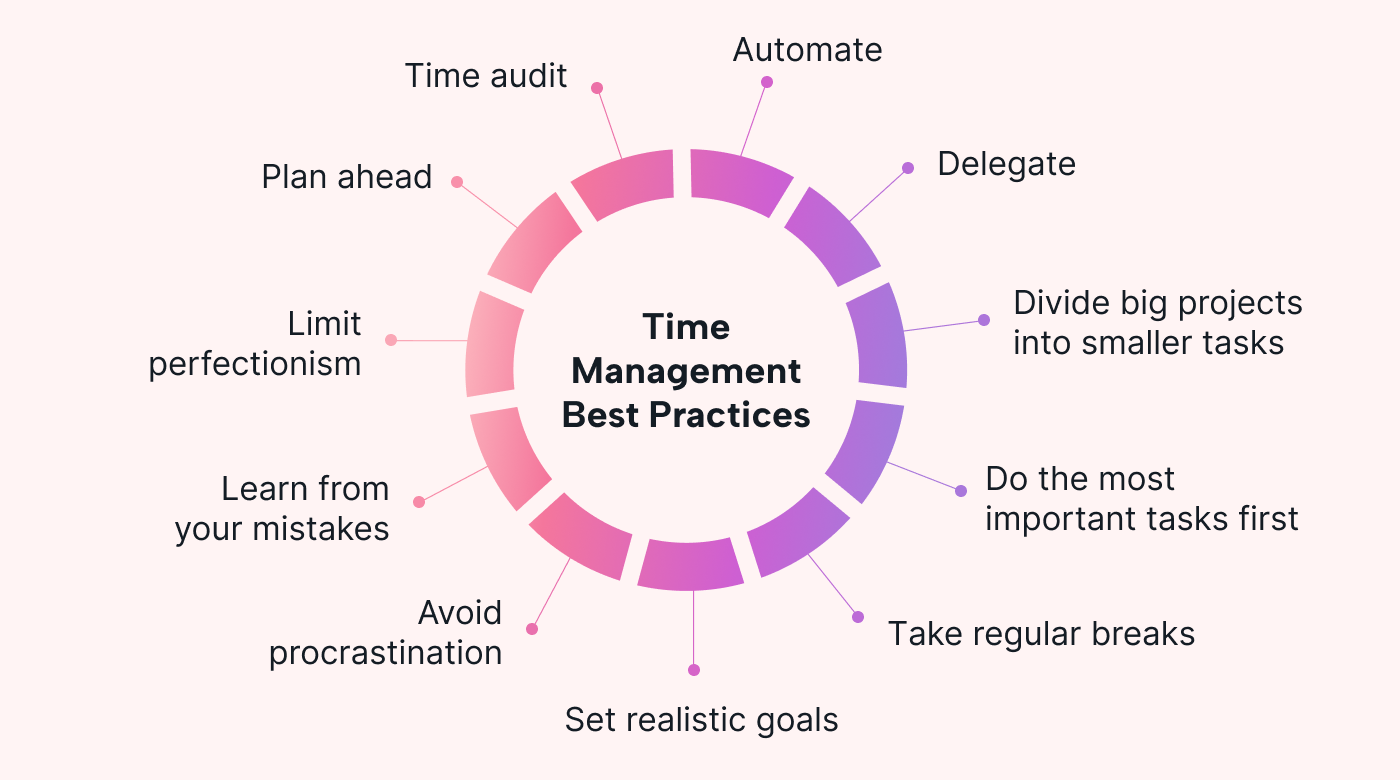
You spend all your time serving current clients, leaving no time to attract future clients. It feels responsible. You’re honoring your commitments. But you’re also starving your pipeline.
Business professionals often struggle with time allocation, particularly around non-billable tasks that may include content creation.
The time exists. The prioritization doesn’t.
Fear of judgment from peers and potential clients
What will other consultants in your field think? What if a prospect sees your post and thinks it’s basic? What if you’re wrong about something? These fears paralyze otherwise confident professionals.
Career coach Dhairya Gangwani built an audience of over 100,000 followers on LinkedIn by consistently sharing straightforward career advice. She posts encouraging content and relatable stories that make an instant connection with her audience of other professionals seeking career guidance. Her consistent posting schedule helped her transform over 10,000 careers through her coaching practice.
Don’t worry about sounding “stupid.” Your peers aren’t your target audience, so it doesn’t matter what they think.
Lack of a clear content strategy or messaging framework
You sit down to write a post and stare at a blank screen. What should you talk about? Who are you even writing for? Without a clear content strategy, every post becomes an existential crisis.
A 2025 Content Marketing Institute study found that 58% of B2B marketers rate their content strategy as merely “moderately effective,” with nearly half saying their strategy struggles because they lack clear goals.
The Real Business Cost of Content Inconsistency
Inconsistent posting doesn’t just mean fewer likes. No content equals no inbound opportunities.
Irregular posting confuses your audience about your expertise

Imagine hiring a fitness coach who posts workout tips for two weeks, disappears for a month, returns with nutrition advice, vanishes again, then suddenly shares posts about mindfulness. It makes you wonder, ‘What does this person actually do?’
Your audience faces the same confusion when your content lacks consistency.
You lose trust and credibility when you disappear for weeks or longer
Trust requires consistency. When you post regularly for a few weeks then disappear, your audience questions your reliability. If you can’t maintain a simple posting schedule, how will you handle their complex business challenges?
Research examining over 100,000 social media users found that the most consistent posters received 5x more engagement—likes, comments, and shares—per post than users who posted inconsistently.
This applies equally to personal brands built by consultants and coaches.
More posts = more conversations
It’s simple math. If each post reaches 500 people and generates one meaningful conversation, posting once per month gives you 12 conversations per year. Posting three times per week gives you 156 conversations per year. Which scenario builds a better business?
Build a Sustainable Content Calendar System

Systems beat motivation every time. You need a content calendar that works with your schedule, not against it.
The batch creation method: produce multiple posts in single-focused sessions
Stop trying to create content daily. Batch creation means sitting down once or twice per month to create weeks of content at once. This approach reduces decision fatigue and improves quality because you’re creating in a focused, creative state rather than squeezing posts between client calls.
Content batching saves time and mental energy by allowing creators to set aside dedicated blocks of time to create bulk content instead of spending hours every day brainstorming and producing individual pieces.
Example: A leadership consultant who dedicates every second Friday afternoon to content creation can create 15 to 20 posts within three hours. He schedules them throughout the month and rarely thinks about content between those sessions. This system is a great way to maintain consistency.
How to identify your core content pillars based on client problems

Your content pillars should mirror the problems you solve for clients:
- Sales coaches: prospecting, objection handling, closing techniques, and sales mindset.
- Productivity consultants: time management, focus strategies, systems thinking, and leadership efficiency.
Start by listing the 5 most common problems your clients hire you to solve. These become your content pillars. Every post should fit into one of these buckets. This framework eliminates the “what should I post about” paralysis.
Weekly versus monthly planning
Monthly planning works best for batch creators who want to front-load their content work. Weekly planning suits consultants with unpredictable schedules who prefer shorter planning sessions. There’s no wrong choice—only what you’ll actually stick with.
Consider a career coach who tried monthly planning and found it overwhelming at first. Then she switched to Sunday afternoon planning sessions where she outlines 3 posts for the week.
This kind of commitment can reduce your anxiety and improve consistency.
Time-blocking strategies to protect content creation hours
Content creation won’t happen in your “spare time” because spare time doesn’t exist. Block specific hours in your calendar and treat them like client appointments. During these blocks, close email, silence your phone, and focus only on creating.
People who use time-blocking techniques complete creative tasks more efficiently than those who try to “fit them in” throughout the day, with focused time producing both higher quality and greater efficiency.
Batch Content Creation Strategies That Actually Work
Knowing you should batch create and actually doing it effectively are two different things. Here’s how to make batching work.
The power of dedicated creation days vs. only posting when you feel like it

Choose one day per month as your content creation day. Clear your calendar. Go to a coffee shop or library if your office has too many distractions. Bring your content pillar list and a simple template. Spend 3-4 hours creating.
If you need to get away from distractions, consider doing your content creation as part of a mini-retreat. Just book a hotel conference room or a study room at the library once a month, and batch-create a month’s worth of content in a single session.
Generate 30 days of content ideas in one planning session
Use this simple exercise:
- List your five content pillars across the top of a page.
- Under each pillar, write three common client questions. That’s 15 post ideas.
- Now add three mistakes you see prospects make. That’s 30 ideas total.
This exercise takes 20 minutes and gives you a month of content.
Another variation on this is to:
- Review the past month’s client calls (you should record them or take notes).
- Pinpoint one lesson from each session.
- Use those insights to make the next month’s content.
Voice-to-text methods for consultants who hate writing

Hate writing? Stop writing, and talk instead.
Use your phone’s voice-to-text feature to record your thoughts as if you’re explaining a concept to a client. Clean up the transcript, and you have a post.
You could record 10-minute voice memos during your morning routine, say, when you’re on a walk. Speak about one topic per recording, send the audio to a transcription app (like Otter.ai), and later you can edit the transcript into 3 or 4 posts. That’s a week’s content during your daily routine.
Repurpose client conversations into valuable content pieces

Your client conversations are content goldmines. After a coaching session where you helped a client work through a challenge, write a post about the general principle you applied (without identifying details). The problem was real, your solution worked, and now you have authentic content.
Keep a “content journal” with notes about interesting client situations immediately after their calls:
- Record the problem
- Your approach
- The outcome
This journal can provide 5 to 10 post ideas per week based on real consulting work.
Use frameworks and templates to maintain quality AND increase speed
Templates provide structure without limiting creativity.
Create 3 to 5 post templates and cycle through them. One template might be “Problem → Insight → Solution.” Another could be “3 mistakes [target audience] make with [topic].”
You could do Monday posts using a “client win story” template. Wednesday posts could be about a “common objection breakdown” using another specific template. Friday posts could follow a “tactical tip” format.
This structure makes creation faster while keeping content varied.
Overcome the Psychological Barriers to Posting
Your biggest content barrier isn’t time or skill. It’s the voice in your head saying your content isn’t good enough.
Reframe “No One Cares” thoughts into reality checks

When you think “no one cares about this,” you’re usually wrong. That thought reflects your fear, not reality. Reframe it: “Some people will find this valuable, and I’m sharing it for them, not for everyone.”
The compound interest of content: early posts build future success
Your 10th post won’t go viral, and that’s fine. Your 100th post benefits from the foundation your first ninety posts created.
Think long-term. Each post is a brick in your visible expert foundation.
Separate self-worth from post-performance metrics
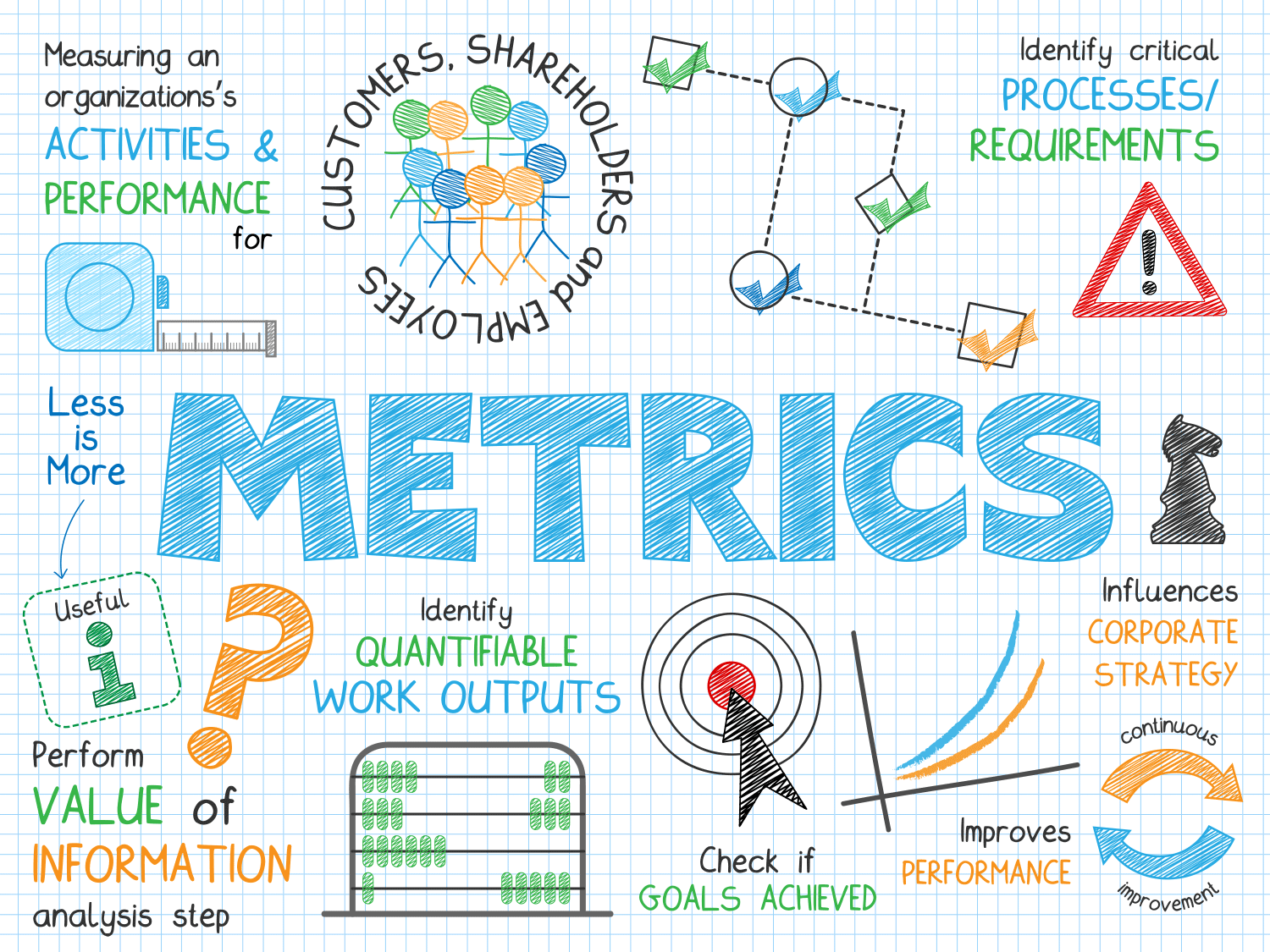
A post with 5 likes isn’t a failure. A post with 500 likes isn’t a success. The only metrics that matter for your business are conversations started and clients acquired. Everything else is noise.
Imagine an executive coach who received only 8 likes on a post about meeting management. Three of those likes led to DM conversations. One conversation led to a $45,000 coaching contract.
Wouldn’t you rather make a “low-performing” post that generates business, instead of just likes?
Reduce perfectionism and ship imperfect content
Done is better than perfect. Your audience doesn’t expect perfection. They expect authenticity and value. Give yourself permission to publish “good enough” content. You can always refine your approach based on what resonates.
Measure What Matters in Your Content Strategy
Tracking the right metrics tells you what’s working. Tracking the wrong metrics wastes time and creates false anxiety.
Move beyond vanity metrics like likes and follows
Likes feel good but don’t pay bills. Focus on leading indicators of business growth: profile views, connection requests from ideal clients, direct messages, consultation requests, and actual revenue from content-driven relationships.
Track consultation requests and meaningful conversations

Create a simple spreadsheet with columns for date, post topic, meaningful conversations started, and consultation requests received. Review this monthly. You’ll quickly identify which content types drive business results versus which generate empty engagement.
Example: A business coach tracked her posts and saw that her “unpopular” tactical how-to posts generated 3X more consultation requests than her “popular” inspirational posts. This data completely changed her content strategy and doubled her client acquisition rate.
Monitor which content types drive actual business results
Not all content serves the same purpose:
- Educational content builds trust.
- Storytelling content builds connection.
- Opinion content builds authority.
- Case studies drives decisions and share social proof.
B2B decision-makers are more likely to engage with educational content than promotional content, while case study content is significantly more likely to lead to direct outreach.
Track which types move people toward working with you.
Use LinkedIn analytics to understand your audience better
LinkedIn provides free analytics showing who views your content, when they’re most active, and what topics resonate. Check your analytics monthly. Look for patterns in which posts reach your target audience versus posts that reach random connections.
The 90-day consistency test: commit before judging results
Judging results after a few weeks or even a month is premature.
Commit to 90 days of consistent posting before evaluating whether content “works” for your business. This timeframe allows the algorithm to recognize your consistency, your audience to grow, and compound effects to materialize.
Tools and Resources to Maintain Consistency
The right tools remove friction from content creation and scheduling.
Content scheduling platforms that save time and mental energy
Tools like Buffer, Hootsuite, or LinkedIn’s native scheduler let you create content once and schedule it for optimal posting times. This separation between creation and publishing reduces daily content stress.
AI assistance for ideation without sacrificing authenticity

Most marketers use generative AI for social media content creation, with adoption rates climbing significantly compared to previous years. However, 55% of consumers say they’re more likely to trust brands that are committed to publishing content created by humans versus AI.
Here’s an example:
- You could use AI to generate 5 topic ideas based on your content pillars.
- Pick one idea, record a voice memo with your perspective, and use AI again to structure her thoughts into a post.
- This hybrid approach speeds up creation while preserving her authentic voice.
AI tools can help generate topic ideas, create first drafts, or reframe your thoughts. Use AI as a starting point, not a replacement for your voice. Your unique insights and client experiences are what make your content valuable.
Note-taking apps to capture ideas throughout your week
Ideas strike at random times. Use a note-taking app like Notion, Evernote, or Apple Notes to capture content ideas whenever they occur.
Tag them by content pillar, or record a quick voice note. Then when it’s time to batch create your content, you’ll have a library of ideas ready.
Simple spreadsheet systems for tracking your content calendar
A basic spreadsheet with columns for date, topic, content pillar, and status (drafted/scheduled/posted) keeps you organized. Add columns for engagement metrics and business outcomes if you want deeper tracking.
Join the 1% Who Show Up Consistently
99% of consultants and coaches treat content as an afterthought, but you can choose to be in the 1% who show up consistently. The difference between consultants who struggle and those who thrive often comes down to visibility. Consistent content creates that visibility.
You don’t need complicated funnels or viral ads. You need a system that fits your life, protects your time, and delivers valuable insights to your audience week after week.
Start simple: pick two days per week to post. Batch create content in focused sessions. Use templates to speed up production. Track what drives real conversations, not just vanity metrics.
The consultants and coaches winning in today’s market aren’t necessarily smarter or more talented. They’re simply more consistent.
Life coach Dipanshu Rawal built a six-figure coaching business and grew to nearly 30,000 LinkedIn followers through consistent, authentic content creation. His engaging posts, relatable stories, and fun-to-read “About” section helped him impact thousands of coaches and clients. He helps coaches grow their businesses and posts encouraging content that creates instant connections with his audience.
Join the 1%. Your future clients are waiting for you to show up.
References
Aslam, S. (2024). 90 LinkedIn Statistics You Need to Know in 2025. Omnicore Agency. Retrieved from https://www.omnicoreagency.com/linkedin-statistics/
Bellani, S. (2025). LinkedIn Marketing Strategy for Coaches 101. Simply.Coach. Retrieved from https://simply.coach/blog/linkedin-marketing-for-coaches-101/
Content Marketing Institute. (2025). B2B Content Marketing Benchmarks, Budgets, and Trends: Outlook for 2025. Retrieved from https://contentmarketinginstitute.com/b2b-research/b2b-content-marketing-trends-research
Hofstedt, M. (2025). How social media consistency builds unstoppable results. Storykit. Retrieved from https://storykit.io/blog/social-media-consistency
Karl. (2025). 130+ Social Media Marketing Statistics for 2025. DreamGrow. Retrieved from https://www.dreamgrow.com/21-social-media-marketing-statistics/
Osman, M. (2025). Mind-Blowing LinkedIn Statistics and Facts. Kinsta. Retrieved from https://kinsta.com/blog/linkedin-statistics/
Schieren, M. (2025). The state of social media in 2025: Data from Sprout’s latest pulse surveys. Sprout Social. Retrieved from https://sproutsocial.com/insights/the-state-of-social-media/
Simply.Coach. (2025). Effective LinkedIn Marketing Strategies for Your Coaching Business. Retrieved from https://simply.coach/blog/linkedin-marketing-strategies-for-coaching-business/