AI in pharmaceutical research is booming. Artificial intelligence (AI) and machine learning (ML) analyze enormous volumes of clinical and biological data with amazing speed and accuracy, allowing them to generate and evaluate a wide range of medication formulation options. Let’s learn more about how they do it.
Contents
- ML and AI-driven applications in pharma: from research to discovery
- Big data analytics in drug development turn information into insights
- Target identification powered by AI and ML
- Deep learning for molecular property prediction
- Predictive modeling
- Clinical trial design optimization
- The future of AI and ML in pharma
ML and AI-driven applications in pharma: from research to discovery
Generative AI can help address complex formulation challenges and develop personalized medicines (UsefulBI, 2024). Combined with ML, AI also brings new opportunities for disease diagnosis, medical imaging, treatment personalization, drug safety monitoring, drug repurposing, and big data analysis to make better decisions (Vamathevan, J., et al., 2019).
ML techniques like supervised learning, and reinforcement learning, and their applications can help facilitate pharmaceutical operations (Wadighare and Deshmukh, 2024). These applications include:
- Drug discovery and design
- Research and development (R&D)
- Disease prevention and diagnosis
- Epidemic prediction
- Email detection
- Speech recognition
- Data mining
Large-scale data analysis is the foundation of these applications. Next, we’ll explore how big data analytics is transforming drug development.
Big data analytics in drug development turn information into insights
The explosion of biological and clinical data such as genomics, imaging, and the use of digital wearable devices has created both opportunities and challenges for drug developers. ML techniques are invaluable to glean meaningful insights from this deluge of information, informing decision-making at every stage of the drug development process (Topol, 2019).
Recursion is a company leveraging big data analytics in a way never seen before. Conducting over 2 million experiments per week, they generate and store 20 to 25 petabytes of data on their in-house supercomputer, Biohive-1. They’ve also partnered with NVIDIA to use its DGX Cloud supercomputing power, allowing them to predict the targets of 36 billion molecules (Brazil, 2024).
Such methods also offer benefits after market research with the use of “big data” from real-world data sources. These sources can enrich the understanding of a drug’s benefit-risk profile, better understand treatment sequence patterns, and identify subgroups of patients who may benefit more from one treatment compared with others, or precision medicine (Schneider, 2018).
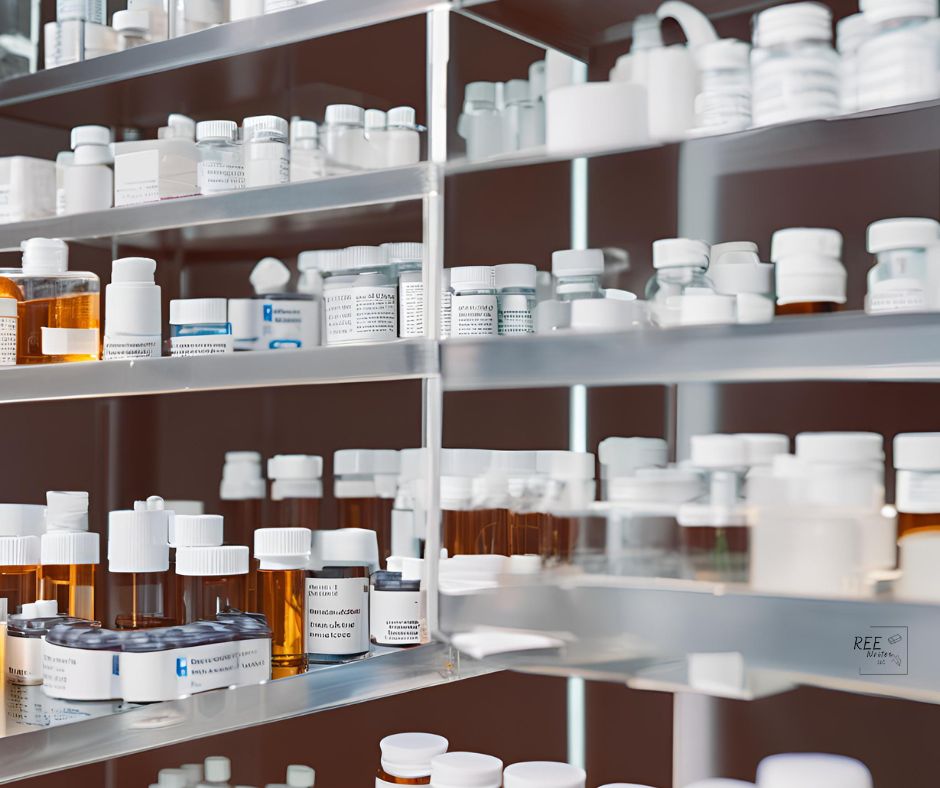
Smarter medicines: How AI can optimize drug formulations
AI can create more stable and effective medications with improved drug delivery systems. According to UsefulBI, Yang, and Topol, AI can also:
- Predict drug properties.
- Optimize dosage forms.
- Detect potential drug interactions, providing warnings to healthcare professionals to prevent harmful combinations of medications.
- Suggest novel excipients, particularly useful in addressing complex formulation challenges and developing personalized medicines.
These capabilities are especially valuable in developing new formulations that optimize for specific characteristics such as stability, bioavailability, or controlled release profiles (UsefulBI, 2024).
The integration of generative models in de novo drug design is of particular interest. These models can create entirely new molecular structures that are optimized for specific properties, potentially leading to the discovery of novel chemical entities with superior drug-like characteristics.
Epidemic prediction
One significant application is in epidemic prediction. Pharmaceutical companies and healthcare industries are using ML and AI technologies to monitor and verify the spread of infections worldwide. These modern technologies consume data from various sources, analyzing environmental, biological, and geographical factors affecting population health in different geographical areas. This approach helps predict and even mitigate the impact of future epidemics (Bullock et al., 2020).
Pharmacovigilance (drug safety)
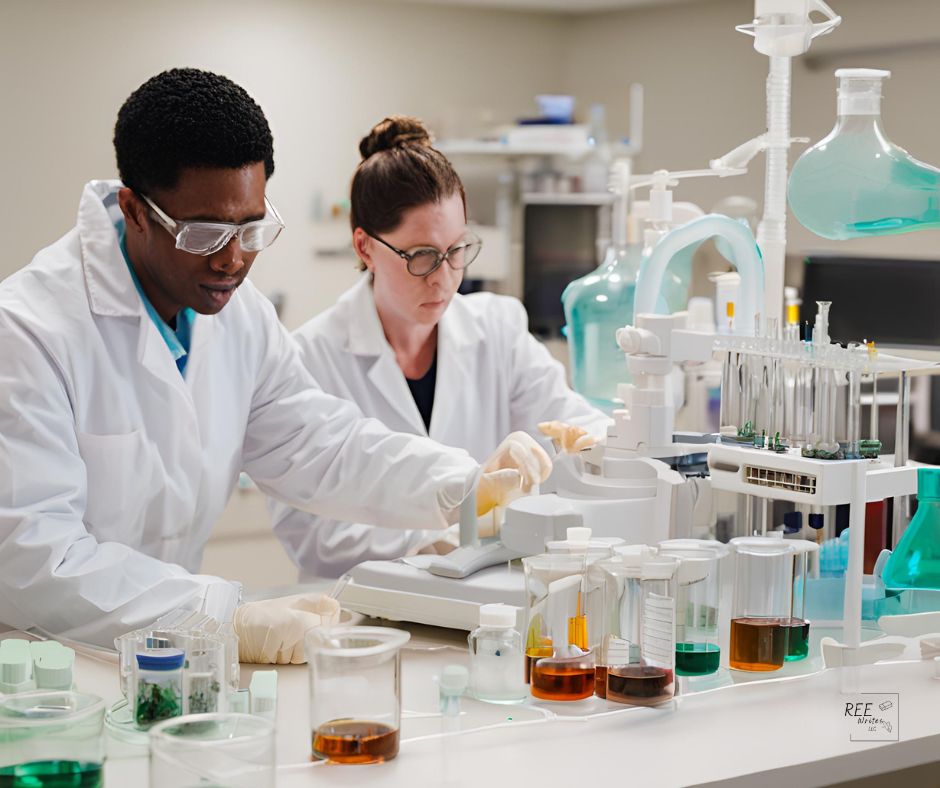
In the field of pharmacovigilance, AI and ML algorithms can help pharmaceutical companies and regulatory agencies identify potential safety issues with medications more quickly. This capability is crucial for ensuring patient safety and refining drug formulations (Bate et al., 2018).
Moreover, AI is being used to optimize drug formulations, creating more stable and effective medications with improved drug delivery systems. It can also detect potential drug interactions, providing warnings to healthcare professionals to prevent harmful combinations of medications (Yang et al., 2019).
Supply chain and manufacturing optimization
Beyond research and development, ML is also making significant contributions to supply chain and manufacturing optimization in the pharmaceutical industry. It’s being used to predict demand, optimize inventory levels, and improve quality control in manufacturing processes. In drug marketing and sales, ML algorithms can analyze market trends, predict drug performance, and optimize marketing strategies (Ramanathan, 2023).
One of the most crucial applications of AI in drug discovery is target identification.
Target identification powered by AI and ML
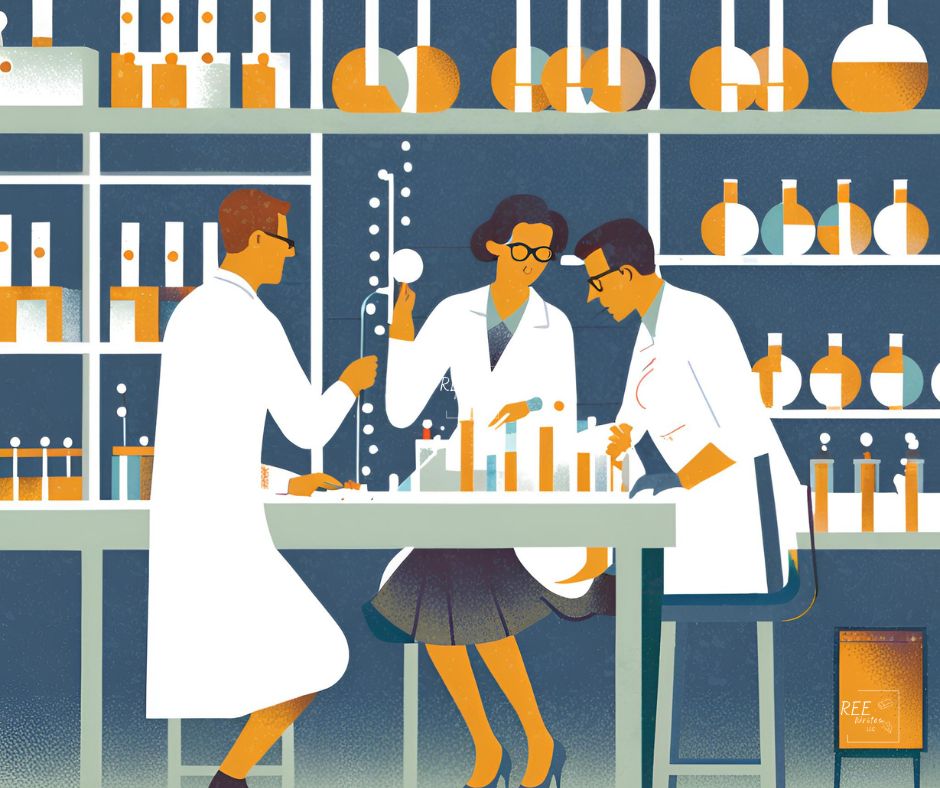
One of the most crucial and time-consuming steps in drug discovery is identifying viable therapeutic targets. Traditionally, this process could take years of painstaking research. However, AI-powered target identification is dramatically accelerating this phase, allowing researchers to sift through enormous amounts of biological data with unprecedented speed and accuracy (Schneider, 2018).
AI is widely used for multi-target drug innovation and biomarker identification, offering efficiency and accuracy that were previously unattainable. Pharmaceutical companies are using AI-powered tools and ML algorithms to streamline drug research, development, and innovation processes around the world (Wadighare and Deshmukh, 2024).
ML algorithms can analyze complex datasets like genomic, proteomic, and clinical data, to identify and study disease patterns, and determine which composite formulations are best suited for treating specific symptoms of particular diseases. These AI systems can detect patterns and relationships that might be overlooked by human researchers, to discover novel targets and pathways (Ching et al., 2018).
ML is also being used to predict protein structures, design new molecules, and simulate drug-target interactions, significantly speeding up the drug discovery process (Ramanathan, 2023). These approaches not only accelerate the drug discovery process, but also have the potential to address rare diseases more effectively.
Examples
Companies like Benevolent AI are at the forefront of this revolution. Their platform connects structured data from clinical and chemical databases with unstructured data from scientific literature, creating what they call “an enormous hairball of interconnected facts.” This approach allowed them to identify PDE10 as a novel target for ulcerative colitis, a connection not explicitly stated in existing literature (Brazil, 2024).
Another notable success story in AI-driven target identification comes from Insilico Medicine, whose AI platform helps them predict the best formulations, reducing the need for trial-and-error experimentation and accelerating the development process (UsefulBI, 2024). Insilico’s AI-generated anti-fibrotic drug became the first of its kind to reach Phase 2 clinical trials. This milestone demonstrates the potential of AI to not only identify targets but also to guide the entire drug discovery process from conception to clinical testing (Insilico Medicine, 2024).
While identifying targets is crucial, predicting the properties of potential drug candidates is equally important. That’s where deep learning comes into play.
Deep learning for molecular property prediction

Deep learning makes a big impact on the field of molecular property prediction, enabling researchers to assess the potential of drug candidates with remarkable accuracy. This technology is particularly valuable in predicting Absorption, Distribution, Metabolism, and Excretion (ADME) properties and toxicity, crucial factors in determining a drug’s viability (Yang et al., 2019).
Compared to traditional Quantitative Structure-Activity Relationship (QSAR) methods, modern deep learning approaches offer several advantages. They can handle larger and more diverse datasets, capture non-linear relationships more effectively, and often require less manual feature engineering (Gao, et al., 2020). For instance, graph neural networks have shown exceptional performance in predicting molecular properties by directly learning from the structural representation of molecules (Wu et al., 2018).
Real-world applications of deep learning in property prediction are already yielding impressive results. Pharmaceutical companies are using these models to screen huge libraries of compounds, significantly reducing the time and cost associated with early-stage drug discovery (Zhavoronkov et al. 2019). For example, deep learning models have been successfully employed to predict drug-induced liver injury, a major cause of drug attrition in clinical trials (Xu et al., 2015)
However, it’s important to note that while deep learning models excel at pattern recognition, they may struggle with extrapolation to novel chemical spaces. Researchers are addressing this limitation by developing more robust models and incorporating techniques like transfer learning and multi-task learning to improve generalization (Goh et al., 2017).
Predictive modeling
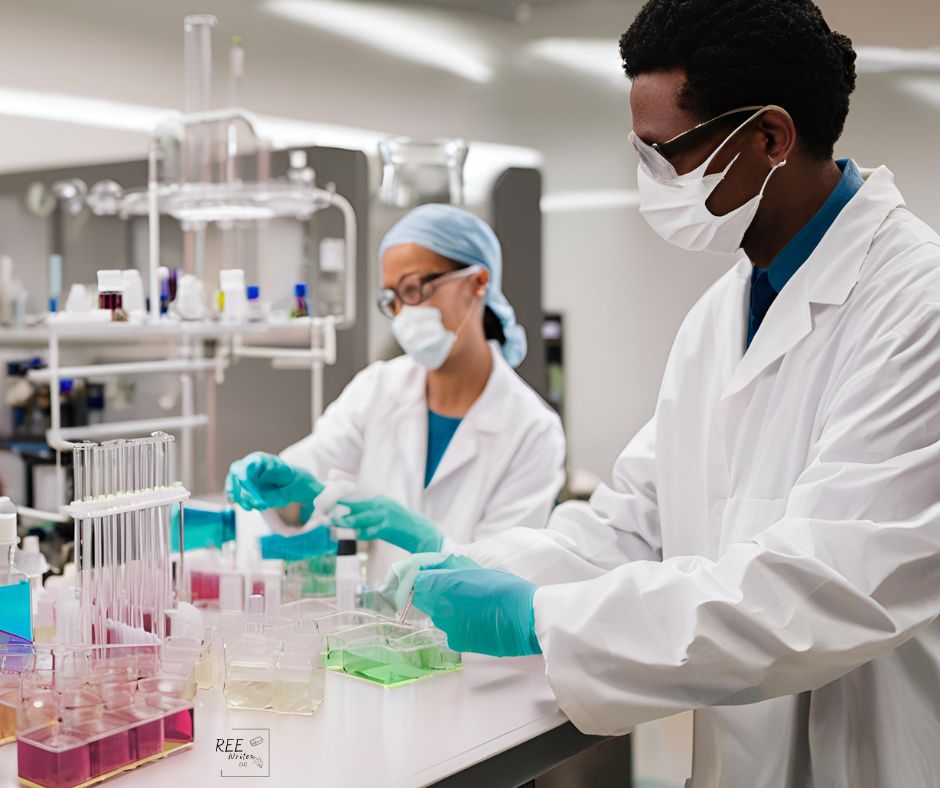
In the pre-clinical space, natural language processing (NLP) is being used to extract scientific insights from biomedical literature, unstructured electronic medical records (EMR), and insurance claims to ultimately help identify novel targets.
Predictive modeling is another area where ML is making significant strides in clinical trial design. Predictive modeling can predict protein structures and facilitate molecular compound design and optimization, enabling the selection of drug candidates with a higher probability of success (Ching et al., 2018). In addition, ML plays a crucial role in genomics and proteomics research, helping to identify genetic markers associated with diseases and potential drug targets (Ramanathan, 2023).
By analyzing historical trial data and incorporating real-world evidence, these models can forecast potential outcomes and identify potential pitfalls before a trial begins. This foresight allows researchers to optimize trial protocols and resource allocation, potentially saving millions of dollars and years of development time (Gayvert, 2016).
Despite these promising applications, the use of AI in clinical trials raises important ethical considerations and regulatory challenges. Ensuring patient privacy, addressing potential biases in AI algorithms, and maintaining transparency in decision-making processes are crucial concerns that the industry must navigate. Regulatory bodies like the FDA are working on developing guidelines for the use of AI in drug discovery and clinical trials to address these issues (FDA, 2023).
With promising drug candidates identified, the next challenge lies in designing effective clinical trials to test these compounds.
Clinical trial design optimization
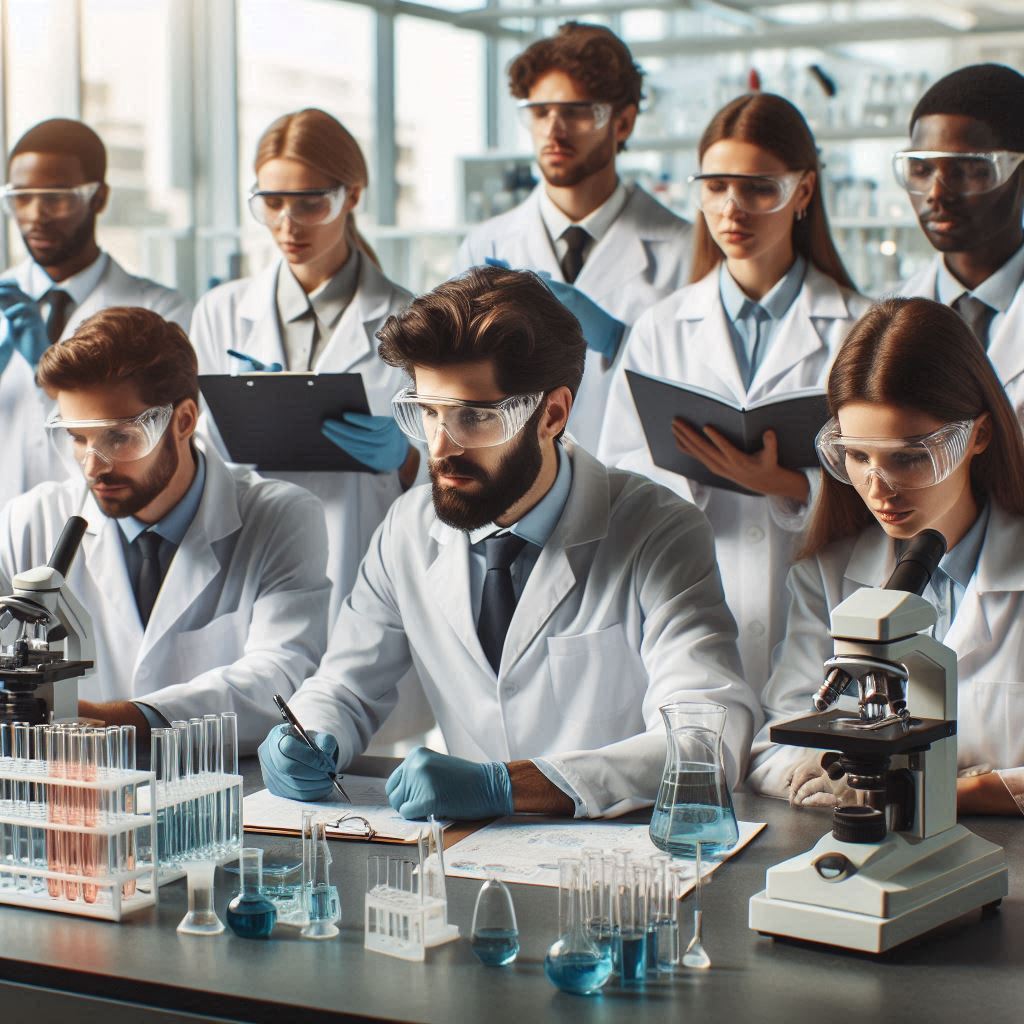
In the realm of clinical data assessments, AI and ML enhance how healthcare data is analyzed and utilized. These technologies are being applied in various areas, including disease diagnosis, medical imaging analysis, treatment personalization, and clinical trial optimization (Alam et al., 2023).
The application of ML in clinical trial design is transforming how pharmaceutical companies approach this critical phase of drug development.
ML applications in clinical trial design
ML is transforming clinical trial optimization to improve patient recruitment, predict patient dropout rates, and optimize trial design. AI-driven patient selection and stratification are enabling more targeted and effective trials, potentially reducing the high failure rates that have long plagued the pharmaceutical industry.
Advanced techniques like Bayesian nonparametric learning are emerging as powerful tools in clinical trial design and analysis. These methods allow flexible shrinkage modeling for heterogeneity between individual subgroups and automatically capture additional clustering, requiring fewer assumptions than more traditional methods (Kolluri et al., 2022).
ML algorithms can analyze patient data such as genetic information, medical history, and lifestyle factors, to identify the most suitable candidates for a trial. This precision approach not only increases the likelihood of trial success but also helps in developing more personalized treatments (Woo, 2019).
AI applications in clinical trial design
AI-driven patient selection and stratification enable more targeted and effective trials, potentially reducing the high failure rates that have long plagued the industry (Harrer et al., 2019).
Big pharmaceutical companies are leveraging AI for clinical trial design as well. For example, GSK developed its own in-house large language model (LLM) called Jules OS, capable of autonomously performing tasks and responding directly to staff questions. The company has used AI “right across the value chain” since 2019, including in clinical trial design for drugs like bepirovirsen, their investigational treatment for chronic hepatitis B (Bender & Cortés-Ciriano, 2021).
However, it’s crucial to strike a balance between computational predictions and experimental validation. While AI can significantly narrow down the search space and suggest promising drug candidates, the complexity of biological systems means that experimental testing remains essential. Researchers are developing iterative approaches that combine AI predictions with rapid experimental feedback to optimize this process.
AI and ML are already making significant impacts across the pharmaceutical industry. But what does the future hold for these technologies?
The future of AI and ML in pharma

AI is revolutionizing drug discovery from target identification to clinical trial design, offering unprecedented speed and efficiency. Companies like Benevolent AI, Insilico Medicine, Recursion, GSK, and Lantern Pharma are using AI to identify novel drug targets, design molecules, and optimize clinical trials.
While AI shows great potential to reduce drug development time and costs, several challenges remain. The quality and diversity of input data significantly impact the accuracy of AI predictions. Validating AI-identified targets and formulations through experimental methods is crucial, as computational models may not capture all the complexities of biological systems (Vamathevan, 2019). Other challenges include:
- Data preparation and integration
- Intellectual property concerns
- Lack of skilled personnel with domain-specific knowledge
- Quality and representativeness of training data
- AI tool integration with existing pharmaceutical workflows
- Regulatory considerations for AI-assisted formulation development
Researchers are working to address these limitations by improving data integration techniques and developing more sophisticated AI algorithms that can better handle the intricacies of biological networks (Schneider, 2018).
The integration of AI and ML in pharmaceutical research is not just about replicating human capabilities; it’s about identifying principles that allow agents to act intelligently and improve upon human capabilities. However, not every research question can be answered with AI and ML, particularly if there is high variability, limited data, poor quality of data collection, under-represented patient populations, or flawed trial design (Topol, 2019).
Despite the challenges, generative AI is poised to significantly impact pharmaceutical formulation, leading to more effective and tailored drug products. In the future, the combination of ML (particularly deep learning), with AI, human expertise and experience is likely the best approach to coordinate and analyze the huge and diverse data stores in pharmaceutical research and development (Alam et al., 2023).
ML and AI are not just buzzwords for the pharmaceutical industry–they’re powerful tools reshaping the entire process of drug discovery and development. From identifying new targets to optimizing lead compounds, AI is accelerating research, which can bring life-saving treatments to patients faster than ever before. While challenges remain, the future of drug discovery looks bright with ML and AI at the helm.
References
Alam, M. S., et al. (2023). Applications of Artificial Intelligence and Machine Learning in Pharmaceutical Research. GSC Biological and Pharmaceutical Sciences, 24(1), 001-009.
Bate, A., et al. (2018). Artificial Intelligence in pharmacovigilance: Using machine learning to detect duplicate adverse event reports. Drug Safety, 41(6), 591-597.
Bender, A., & Cortés-Ciriano, I. (2021). Artificial intelligence in drug discovery: what is realistic, what are illusions? Part 1: Ways to make an impact, and why we are not there yet. Drug Discovery Today, 26(2), 511-524.
Brazil, Rachel (2024). How AI is transforming drug discovery. The Pharmaceutical Journal, 2024.313(7989) doi::10.1211/PJ.2024.1.322137
Bullock, J., et al. (2020). Mapping the landscape of artificial intelligence applications against COVID-19. Journal of Artificial Intelligence Research, 69, 807-845.
Ching, T., et al. (2018). Opportunities and obstacles for deep learning in biology and medicine. Journal of The Royal Society Interface, 15(141), 20170387.
FDA. (2023). Artificial Intelligence and Machine Learning in Software as a Medical Device.
Gao, K., et al. (2020). Interpretable drug target prediction using deep neural representation. In Proceedings of the 26th ACM SIGKDD International Conference on Knowledge Discovery & Data Mining (pp. 1396-1405).
Gayvert, K. M., et al. (2016). A computational approach for identifying synergistic drug combinations. PLoS Computational Biology, 12(1), e1004756.
Goh, G. B., et al. (2017). Deep learning for computational chemistry. Journal of Computational Chemistry, 38(16), 1291-1307.
Harrer, S., et al. (2019). Artificial Intelligence for Clinical Trial Design. Trends in Pharmacological Sciences, 40(8), 577-591.
Insilico Medicine. (2024). Press Release: Insilico’s AI-generated drug enters Phase 2 clinical trials.
Kolluri, S., et al. (2022). Machine Learning and Artificial Intelligence in Pharmaceutical Research and Development: a Review. AAPS J 24(1), 19. doi:10.1208/s12248-021-00644-3.
Moraffah, B. (2024). Bayesian Nonparametrics: An Alternative to Deep Learning. ArXiv, https://arxiv.org/html/2404.00085v1 (accessed 8 July 2024).
Ramanathan, V. (2023). Machine Learning in the Pharma Industry. Linkedin Pulse, https://www.linkedin.com/pulse/machine-learning-pharma-industry-venugopal-ramanathan (accessed 7 July 2024).
Schneider, G. (2018). Automating drug discovery. Nature Reviews Drug Discovery, 17(2), 97-113.
Topol, E. J. (2019). High-performance medicine: the convergence of human and artificial intelligence. Nature Medicine, 25(1), 44-56.
UsefulBI Corporation. (2024). Optimizing Drug Formulation: Generative AI’s Role in Enhancing Pharmaceutical Product Development. Linkedin Pulse, https://www.linkedin.com/pulse/optimizing-drug-formulation-generative-ais-role-enhancing-3js7c (accessed 7 July 2024).
Vamathevan, J., et al. (2019). Applications of machine learning in drug discovery and development. Nature Reviews Drug Discovery, 18(6), 463-477.
Wadighare, U.A., & Deshmukh, S. P. (2024). A review on artificial intelligence and machine learning used in pharmaceutical research. GSC Biological and Pharmaceutical Sciences, 26(01), 191-198.
Woo, M. (2019). An AI boost for clinical trials. Nature, 573(7775), S100-S102.
Wu, Z., et al. (2018). MoleculeNet: a benchmark for molecular machine learning. Chemical Science, 9(2), 513-530.
Xu, Y., et al. (2015). Deep learning for drug-induced liver injury. Journal of Chemical Information and Modeling, 55(10), 2085-2093.
Yang, X., et al. (2019). Concepts of artificial intelligence for computer-assisted drug discovery. Chemical Reviews, 119(18), 10520-10594.
Zhavoronkov, A., et al. (2019). Deep learning enables rapid identification of potent DDR1 kinase inhibitors. Nature Biotechnology, 37(9), 1038-1040.
Zhu, H. (2020). Big data and artificial intelligence modeling for drug discovery. Annual Review of Pharmacology and Toxicology, 60, 573-589.